
Quick Take
- Scientists have documented exactly how a centipede takes down a bat mid-roost, and the attack method turns out to be far more calculated than anyone expected. See the bat attack evidence →
- A centipede bite can kill a mouse in under a minute, though what that means for a human is far more complicated. See the venom's effects →
- The 'feasting on human flesh' headline sounds like tabloid fiction, but the forensic evidence behind it is harder to dismiss. Read the forensic case →
- Three people have died from centipede bites, but the circumstances of each death reveal something unexpected about how the venom works. Explore the recorded deaths →
Nothing captures the imagination quite like a giant bug. We are equally horrified and fascinated by them, and this leads to some pretty sensational media headlines. The Amazonian giant centipede has received more terrifying headlines than most. It has been accused of hunting bats and snakes, killing a child, and feasting on human flesh. We investigated the facts behind these startling claims. Can a centipede really do all this?
Amazonian Giant Centipede Basic Biology
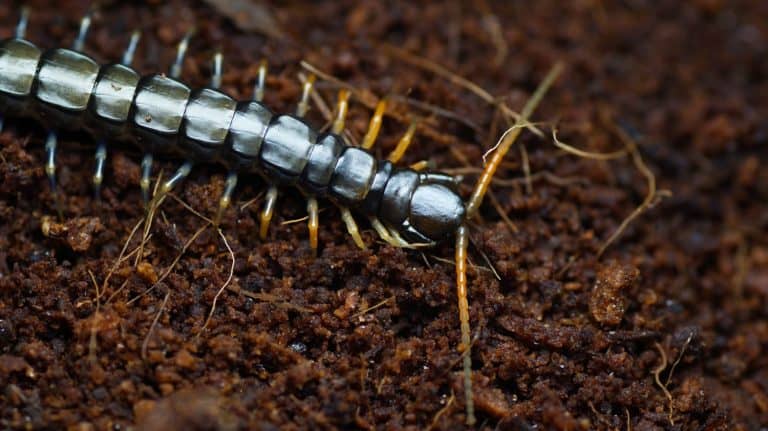
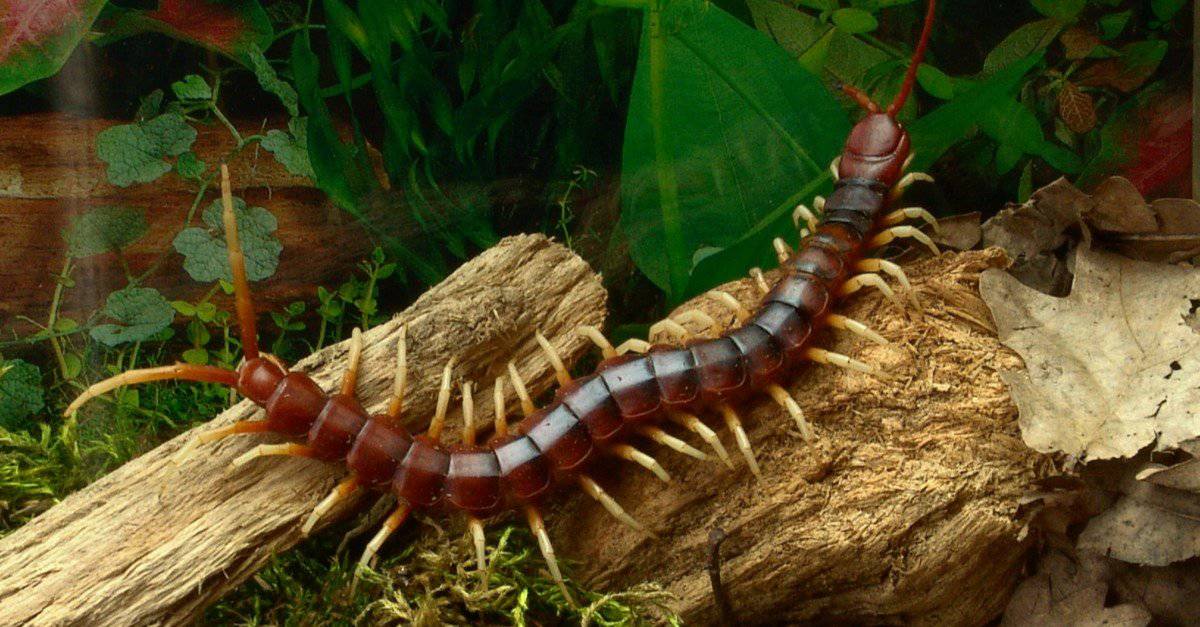
We can confirm that this monster exists and has some impressive proportions. The Australian Museum states that these giant centipedes are in the Scolopendra genus, and they belong to the phylum Arthropoda (invertebrates with segmented bodies and jointed limbs). Their length can reach 12 inches, making them the largest centipede on Earth. They have a relatively large brain, but simple eyes.
These giants live in the tropical and subtropical forests of northern South America. Because they have no wax on their cuticle (outer, flexible exoskeleton), they must stay in humid environments. Also, they breathe via openings called spiracles, which are located between the upper and lower chitinous shields and just behind their legs. The ends of the microscopic breathing tubes leading to the spiracles also need to be moist for oxygen to diffuse into cells. Therefore, you will find them in damp areass such as soil, leaf litter, and rotten wood.
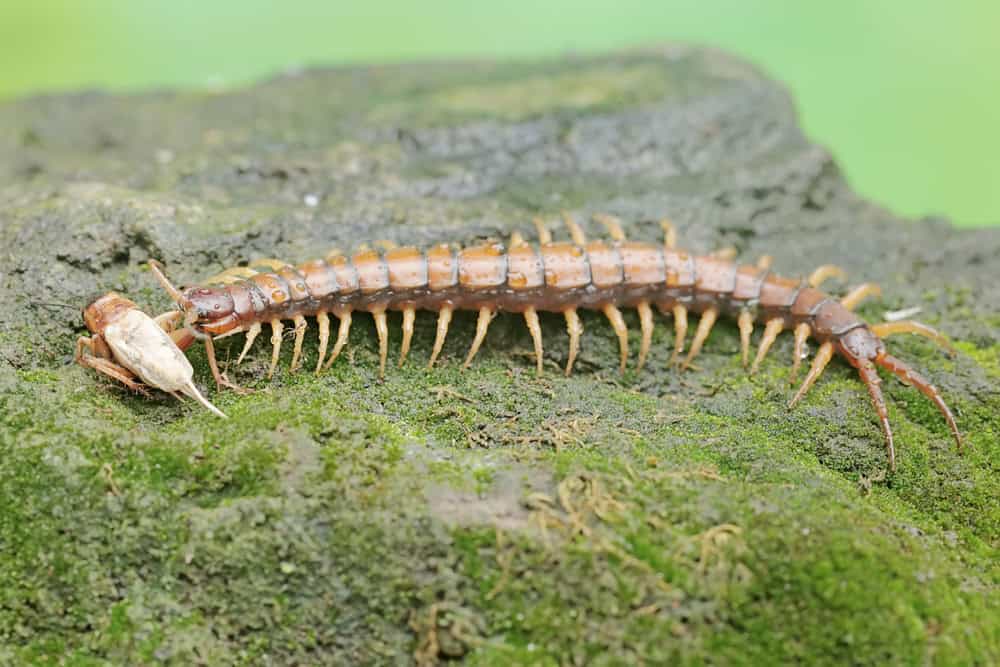
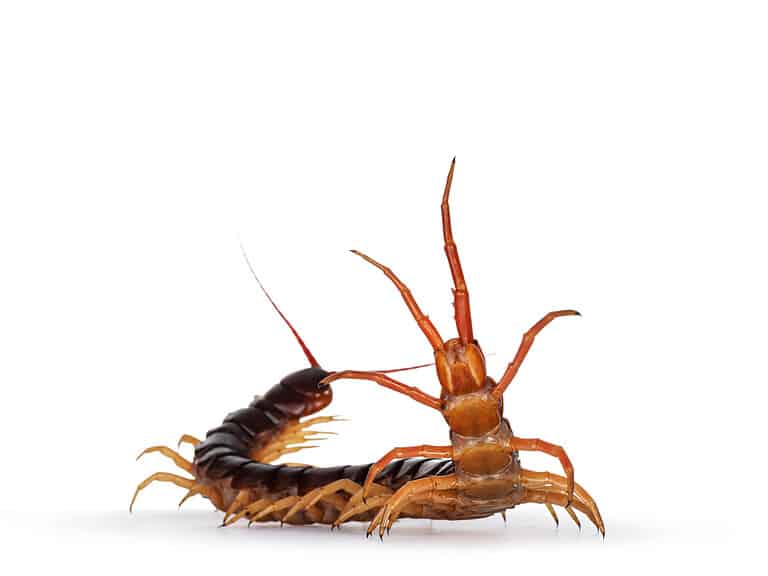
Some centipedes can be 12 inches long.
©I Wayan Sumatika/Shutterstock.com
Their size is not the only scary thing about them. They have spiny rear legs to ward off predators. Even more impressive are their front set of legs, which are modified into venom-bearing fangs called maxillipeds. They use these to hunt food. Another modified pair of appendages, the mandibles (jaw-like structures), end in a sharp claw that contains a poison gland. The mandibles are also used for seizing and killing prey. There is no doubt that these are ferocious carnivores; scientific literature documents them hunting lizards, toads, and mice. But what about the other more outlandish hunting claims?
Can Giant Centipedes Really Hunt Bats and Snakes?
A 2015 paper in Acta Amazonica describes the hunting behavior of giant centipedes. The paper explains how they inject venom into their prey with a stabbing motion. The paper also describes the third recorded incidence of a giant centipede hunting a bat. It took place at Cristalino State Park in northern Mato Grosso state, central Brazil. A species of giant Amazonian centipede called Scolopendra viridicornis hunted a velvety free-tailed (Molossus molossus) bat. The unfortunate bat was roosting alone, close to the ceiling of a building.
The centipede reached the bat by walking along a wooden wall. In one swift movement, it grabbed the bat’s thorax (chest) and abdomen with its 15 pairs of anterior legs. At the same time, it moved its body and head quickly so that it could inject venom via its forcipules (venom claws) into the bat’s neck region. Centipedes likely aim their venom injection at the neck so that it travels quickly to the brain, and the neurotoxins immobilize their prey.
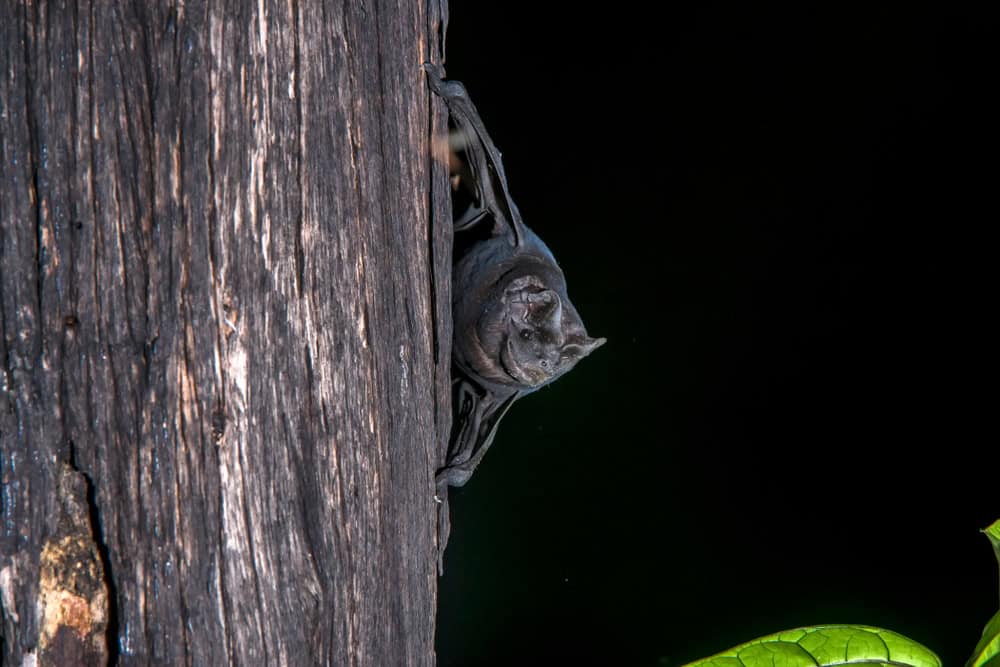
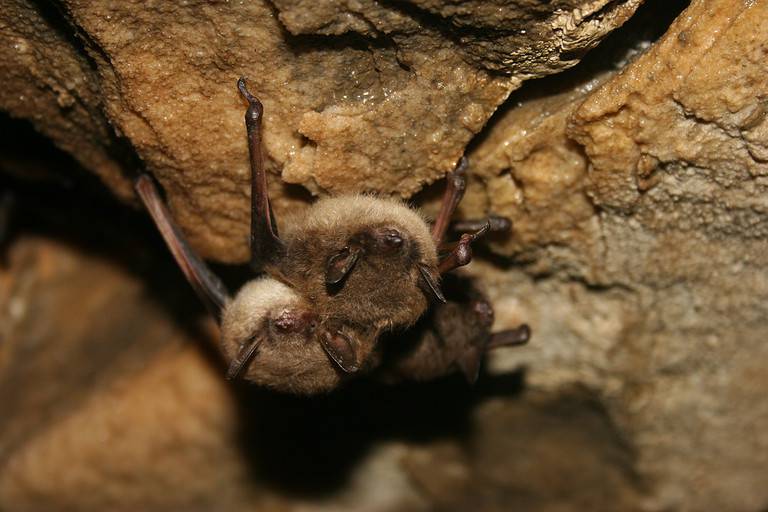
Velvety free-tailed bats are hunted by giant centipedes.
©Leonardo Mercon/Shutterstock.com
The centipede then bit the bat repeatedly in the neck and abdomen, adopting an S-shape as it attacked. We don’t know exactly how toxic centipede venom is to bats, but experiments have shown that it can kill a mouse in 20-32 seconds.
According to a 2017 published paper, a Scolopendra gigantea centipede of around 7 inches in length attacked a Baker’s cat-eyed snake (Leptodeira bakeri). The attack was observed by Dr H Dilrosun on Aruba Island. The snake was later eaten by the centipede.
What About Humans?
Experts describe centipede bites as “clinically significant in regards to patient discomfort, morbidity, and mortality.” Of the 3,500 identified species of centipede, only 15 can give clinically significant bites. Most centipede bites are recorded on summer nights and typically occur on the hands and feet. Most centipedes are too small for their bites to be an issue for humans. That, however, cannot be said of the giant Amazonian centipedes!
These are large centipedes, and that is likely reflected in the amount of venom that they inject into their victim. Symptoms occur immediately at the bite site and feel like a burning pain. However, systemic effects and allergic reactions can also occur. Scientific literature cites three deaths from centipede bites. One was from a bite to the throat that caused swelling and led to asphyxiation. Another was connected to anaphylaxis, and a third resulted from a bite on the scalp.
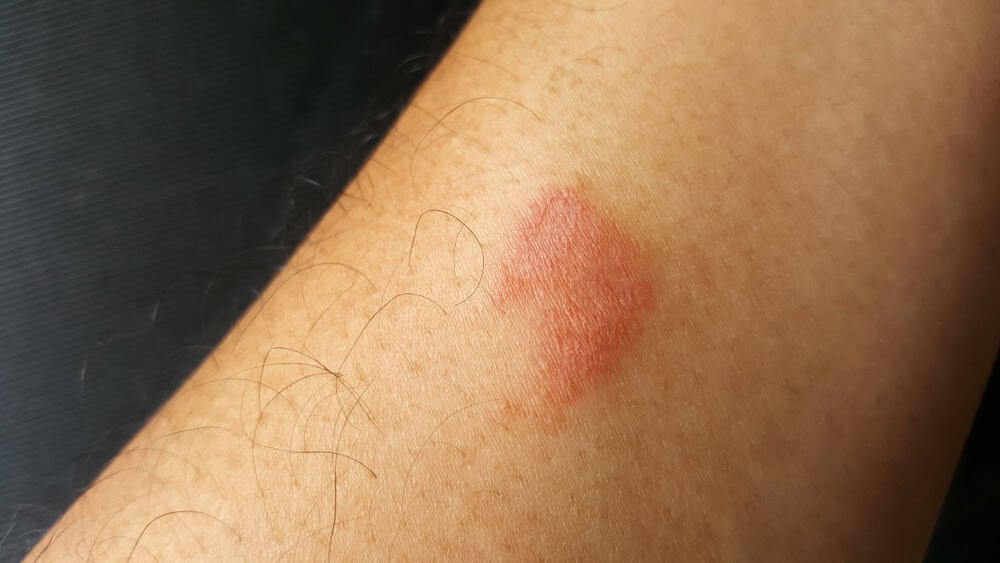
Most centipede bites just cause local reactions.
©popular business/Shutterstock.com
The claim that giant centipedes have killed children likely originates from a 2014 media report describing the death of a four-year-old child in a rural area of San Joaquín parish, Anaco municipality, Venezuela. The centipede had crawled into a drink can, from which the child drank. The child was bitten and sadly later died. Experts from the School of Health Sciences at the Universidad de Oriente (UDO), Anzoátegui campus, later confirmed that it was a Scolopendra gigantea. However, there is no peer-reviewed publication of the account.
Do They Feast on Human Flesh?
Finally, what about the claim that they feast on human flesh? The Journal of Forensic Science (1999) published an account describing ‘postmortem injury’ caused by a large centipede. An elderly man was found dead in his bedroom after dying from an intracranial hemorrhage. When his body was discovered two days later, police officers observed a 4.7-inch-long centipede emerging from a cavity beneath the skin of the victim’s forearm, which the centipede had created.
In an extraordinary turn of events, the centipede bit a police officer who stamped on it. When the giant bug was later examined in the laboratory, exudate from it was found to be derived from the victim’s blood. So, yes, these giants will feast on human flesh if they get the chance!