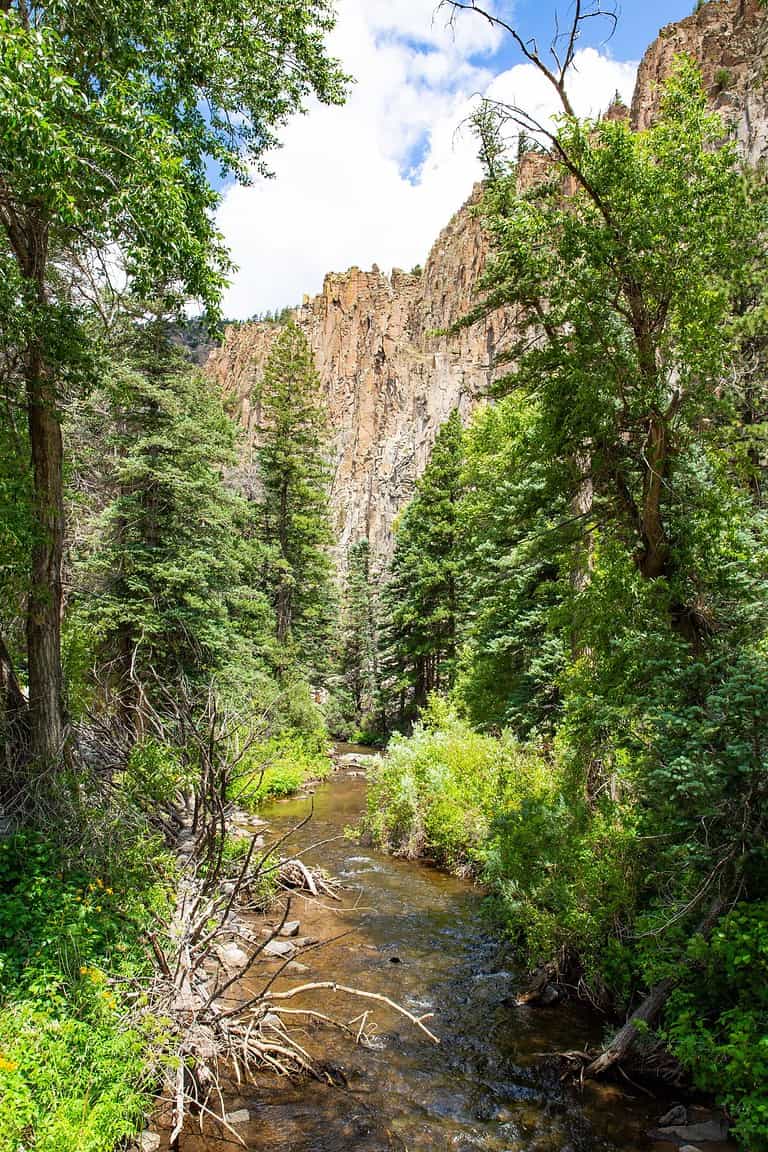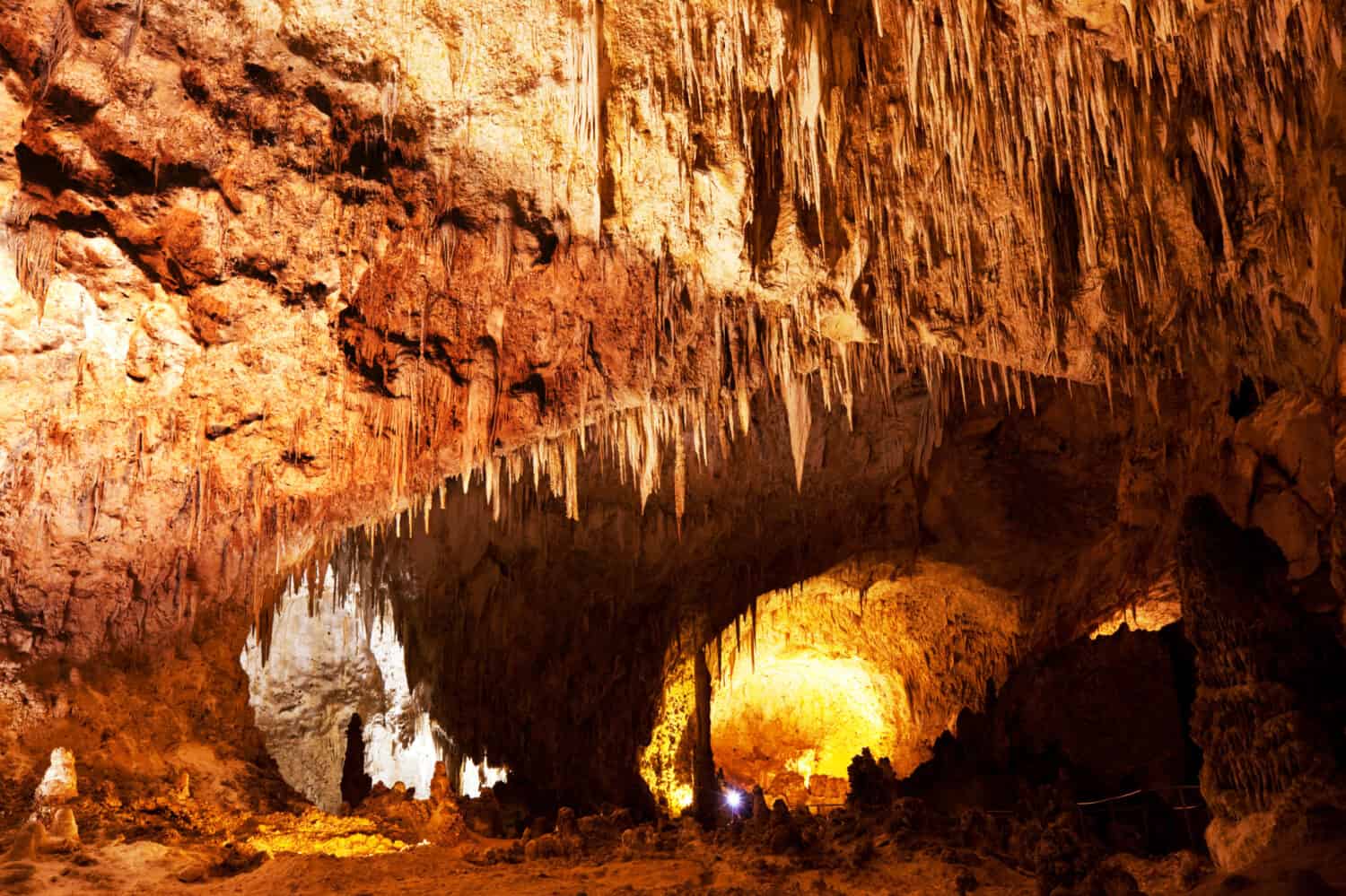

Carlsbad Caverns National Park, located in southeastern New Mexico, is a UNESCO World Heritage Site renowned for its 119 caves. The caves were formed when sulfuric acid dissolved limestone, leaving behind many different-sized caverns. The park receives about 394,000 visitors annually. Here, visitors can tour the caves below and hike the Chihuahua desert above, witnessing rocky canyons, steep ancient sea ledges, and diverse desert vegetation and wildlife.
Because Carlsbad Caverns are at a crossroads between the southern Rocky Mountains, the northern Chihuahuan Desert, and the southwestern Great Plains, you will find widely diverse animals living in the various habitats. One prime spot for bird and wildlife watching is in and near the flowing water of Rattlesnake Springs. The park is home to 67 species of mammals, 55 species of amphibians and reptiles, 357 bird species, 5 different species of fish, and at least 600 species of insects. Although not a complete list, check out some of the many animals you might encounter on a visit to the park.
Brazilian Free-Tailed Bats
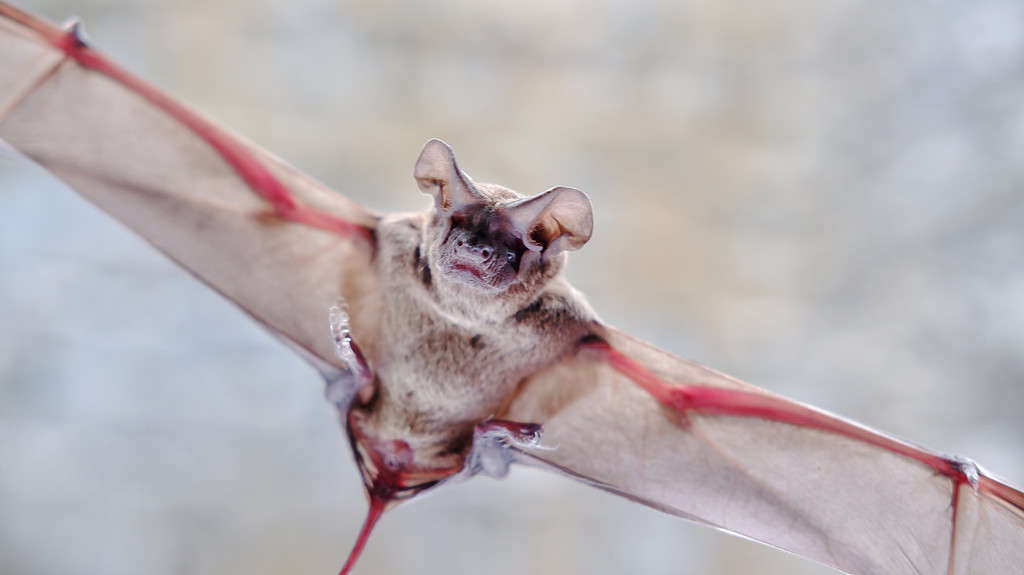
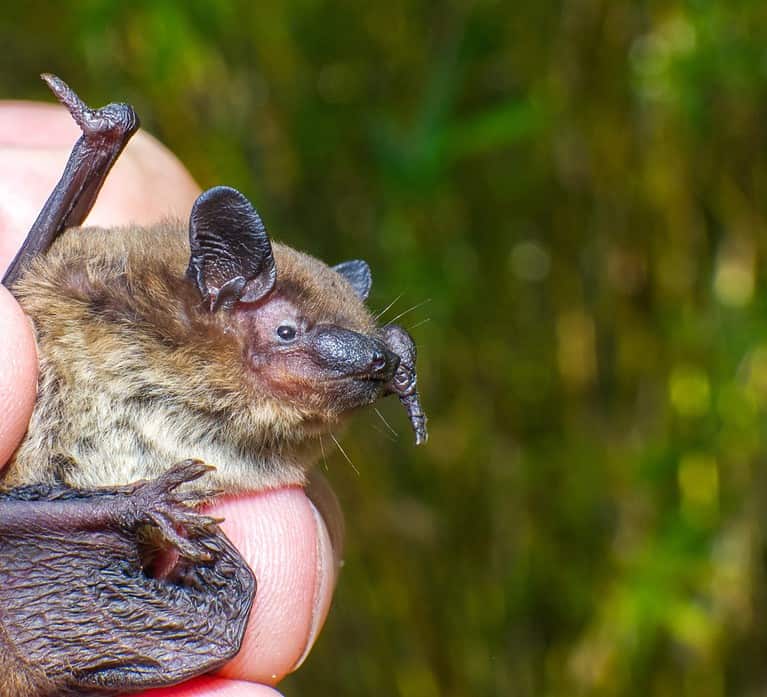
The population of Brazilian free-tailed bats fluctuates in Carlsbad Caverns National Park, but is usually around 200,000 to 500,000.
©Poetra RH/iStock via Getty Images
The Brazilian free-tailed bat (Tadarida brasiliensis), also known as the Mexican free-tailed bat, is perhaps the most iconic and famous animal of Carlsbad Caverns National Park. The park is home to 17 different species of bats, but the Brazilian free-tailed bat is the most numerous. These little bats weigh about half an ounce with a wingspan of around 11 inches. Every summer, visitors come from all around to watch the 200,000 to 500,000 bats leave the cave in the evening to hunt for insects. During the bat’s migration season, this number can grow to one million individuals.
Mountain Lions
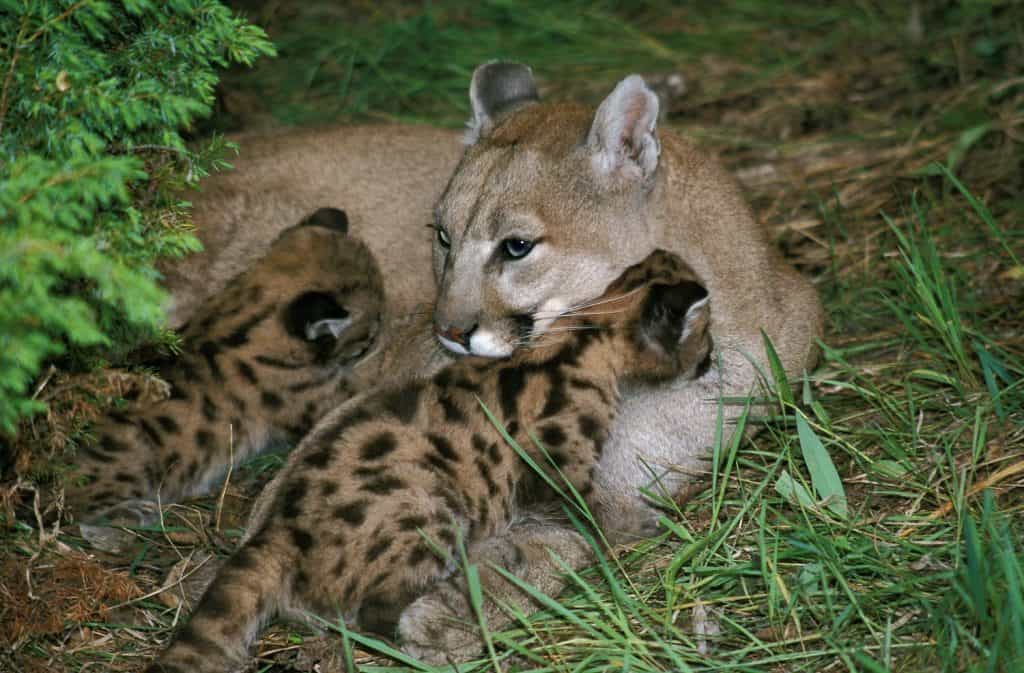
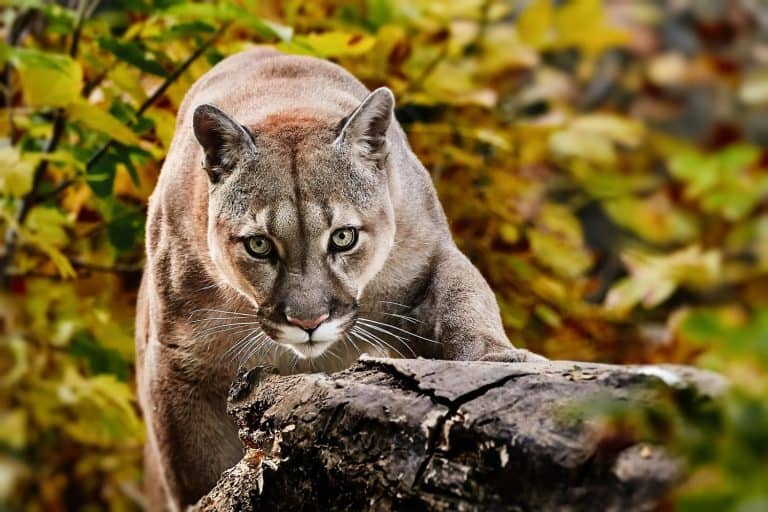
Mother and cub mountain lions stay together for about 15 months before the cubs are old enough to survive on their own.
©slowmotiongli/Shutterstock.com
Mountain lions (Puma concolor), also known as cougars, pumas, and panthers, are another famous resident of Carlsbad Caverns National Park. These apex predators are solitary and tend to avoid humans. Your best chance of seeing them is when they are most active at dawn and dusk. Mountain lions are highly adaptable to different habitats and can survive the rugged conditions of the desert. They prey on mule deer and other smaller animals.
Mule Deer

Desert mule deer are a smaller subspecies of mule deer.
©Christopher M Hall/Shutterstock.com
There are two subspecies of mule deer (Odocoileus hemionus) in New Mexico: the Rocky Mountain mule deer and the desert mule deer. The mule deer that lives in Carlsbad Caverns is the desert mule deer. Mule deer look similar in appearance to white-tailed deer, but have large mule-like ears. Mule deer in the park may be found roaming in the desert mountain ranges and hills.
Javelinas
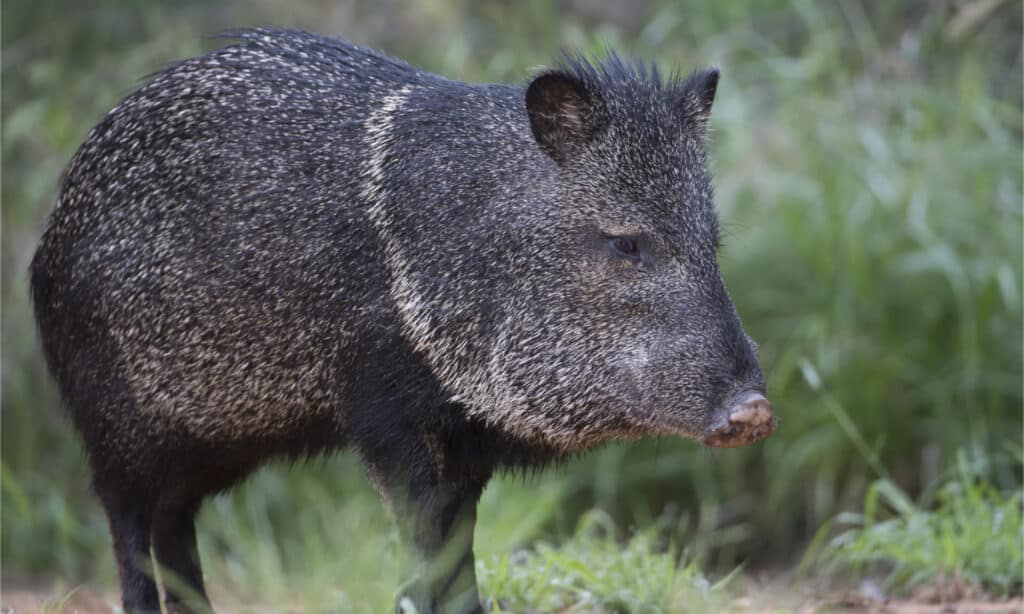
Not a true pig, javelinas live in herds consisting of family groups.
©Dennis W Donohue/Shutterstock.com
They look like wild boars, but they are actually javelinas (Pecari tajacu). Javelinas are also known as the collared peccary, and are not a member of the pig family. They are native to South America, but migrated to the southwest U.S. around 250 years ago. Javelinas are short and stocky, weighing about 60 pounds but only reaching 18 inches in height. You may spot them roaming across the desert in herds searching for prickly pear cactus fruit and other vegetation to eat.
Chihuahuan Desert Pocket Mice
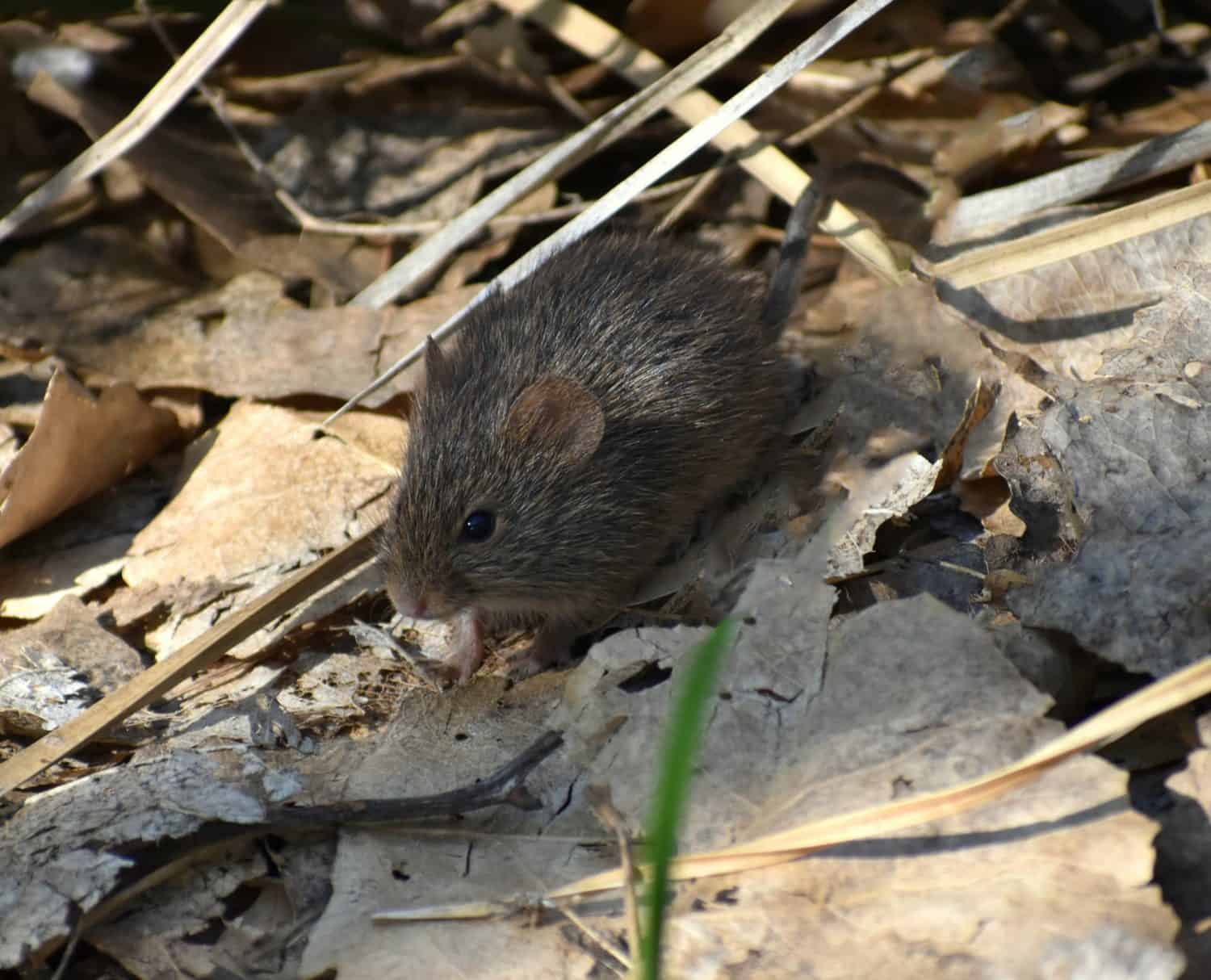
Desert pocket mice live in sandy desert habitats and mainly eat seeds from desert plants.
©Sue A Dunning/Shutterstock.com
The Chihuahuan Desert pocket mouse (Chaetodipus eremicus) is found in deserts in the southwestern U.S. and Mexico. Because they are nocturnal and hide in burrows during the day, they may be hard to spot in the park. Their main diet is the seeds of desert plants.
Rocky Mountain Elk
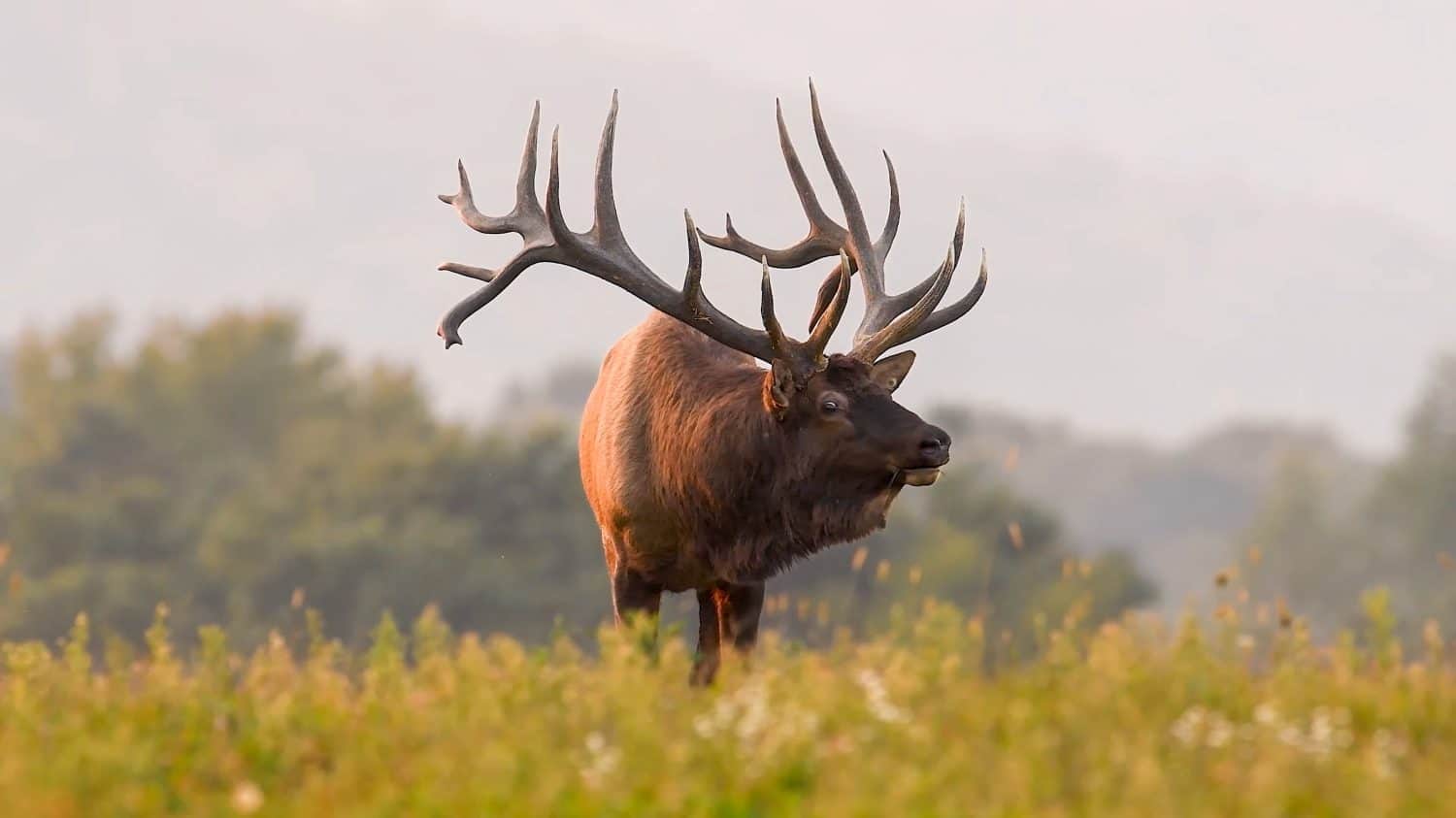
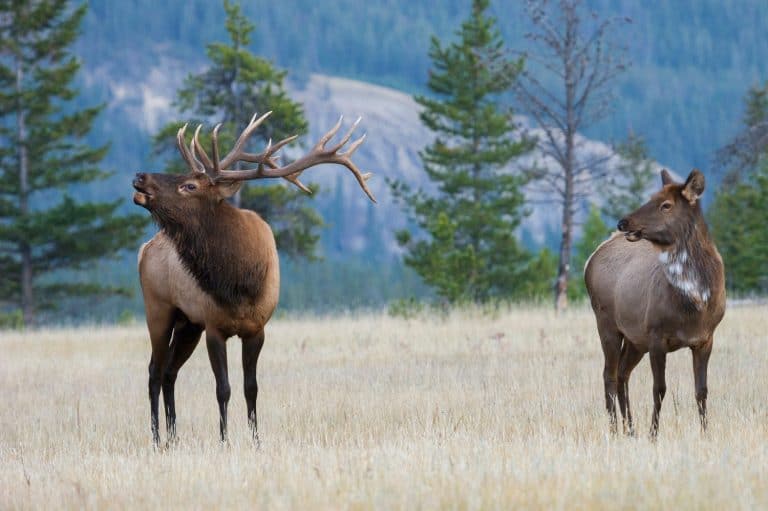
The Rocky Mountain elk was introduced to Carlsbad Caverns National Park to replace the extinct Merriam’s elk.
©Swaroop Pixs/Shutterstock.com
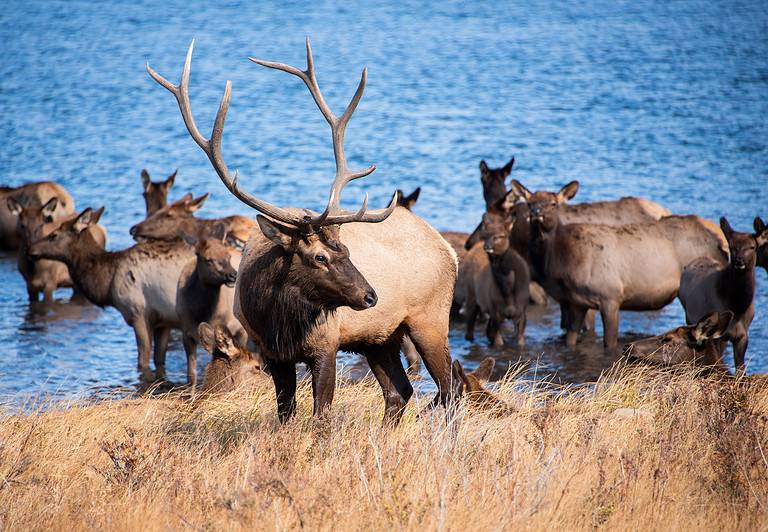
Merriam’s elk once roamed the Carlsbad Caverns National Park area, but became extinct around the turn of the 20th century. Rocky Mountain Elk (Cervus canadensis nelsoni) were introduced to the area to replace Merriam’s elk. These elk are closely related to Merriam’s elk and are a subspecies of elk that live in the Rocky Mountains and surrounding area.
Ringtails
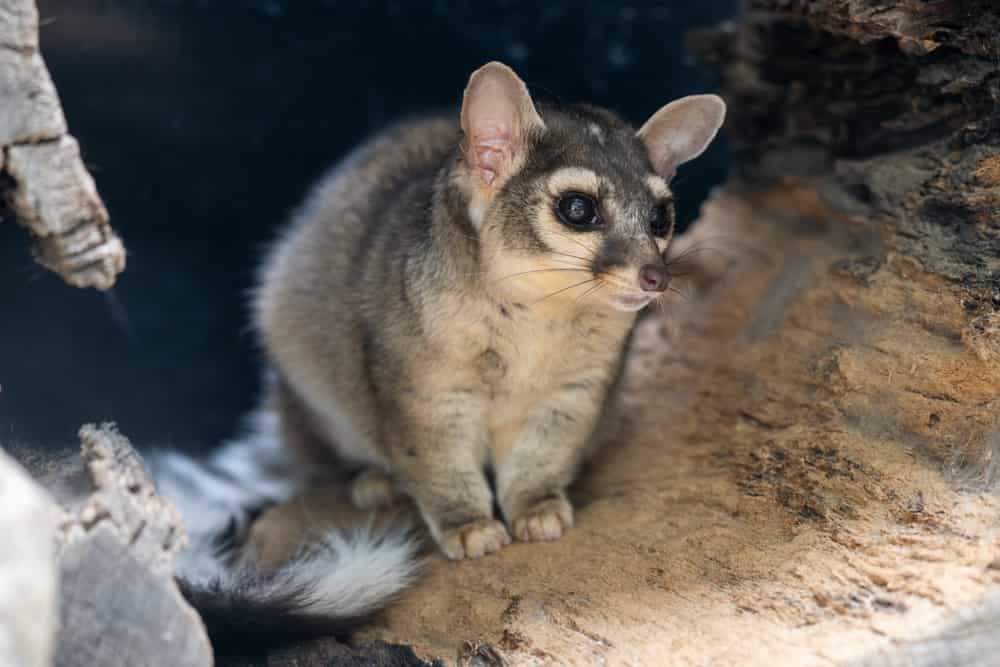
A member of the raccoon family, ringtails are common in Carlsbad Caverns National Park.
©Jason Mintzer/Shutterstock.com
Ringtails (Bassariscus astutus), also sometimes called ringtail cats, are not cats at all but are actually members of the raccoon family. These small mammals are common throughout the park and can be spotted in caves, on rocky ledges, and climbing up steep canyon walls.
Giant Desert Centipede
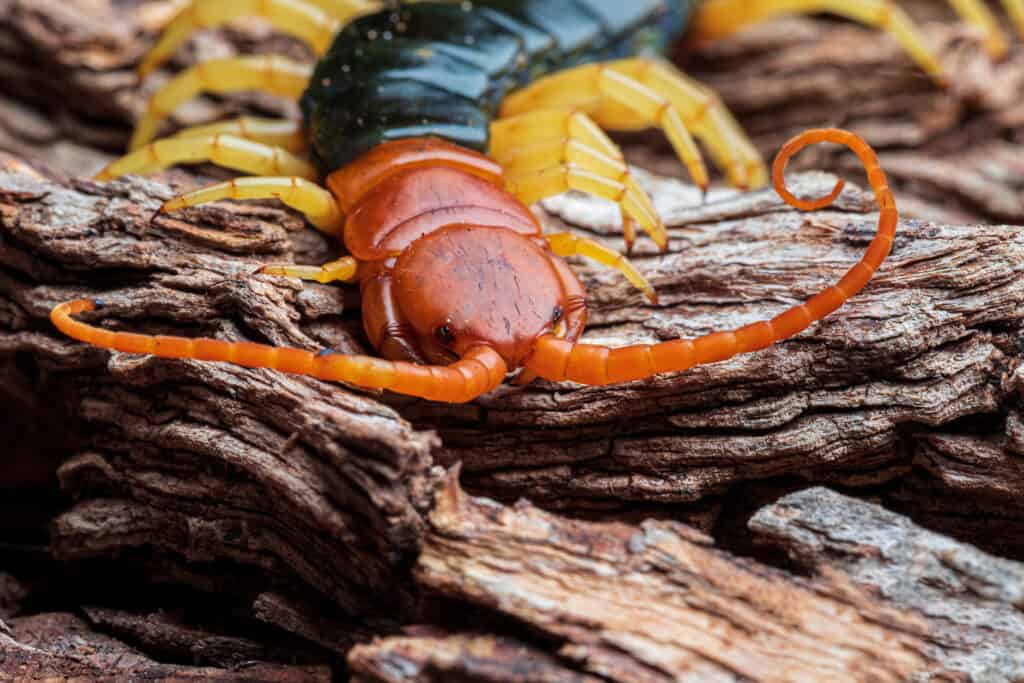
Giant desert centipedes like to hide out in cool, dark places such as under logs or in crevices.
©Scott Delony/Shutterstock.com
Mammals aren’t the only fascinating animals you may encounter in Carlsbad Caverns National Park. There are over 600 species of insects identified in the park, and the list grows each year. The giant desert centipede (Scolopendra heros) can reach 6 to 8 inches in length and feasts on a diet of insects and even small rodents.
Texas Brown Tarantula
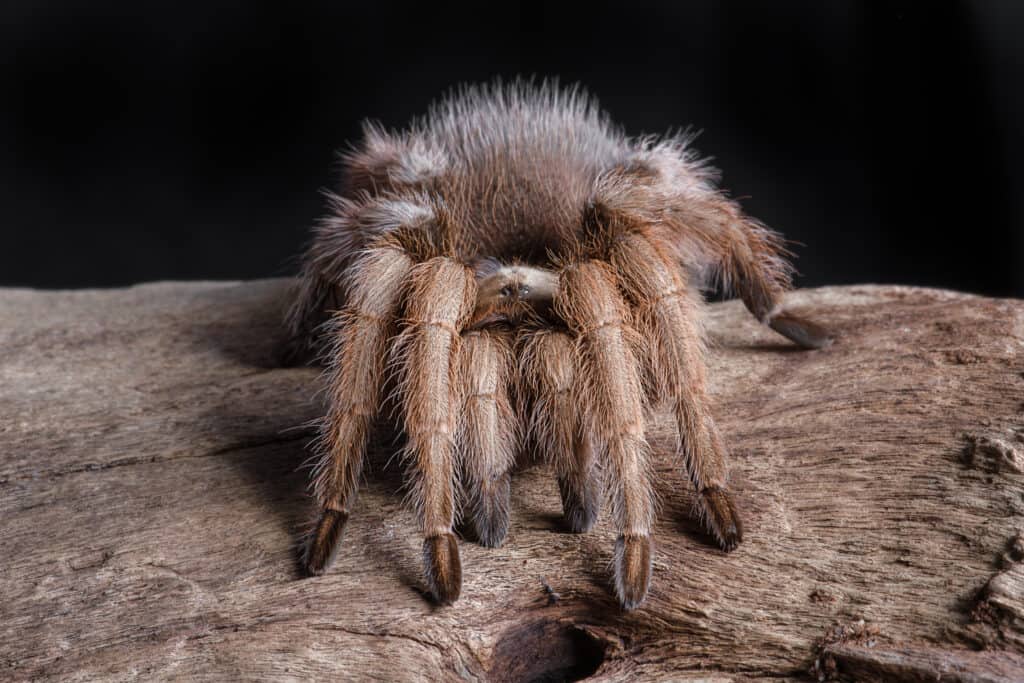
The Texas brown tarantula is a docile spider with long lifespans of up to 40 years.
©Alan Tunnicliffe/Shutterstock.com
You may spot a Texas brown tarantula (Aphonopelma hentzi) wandering around the visitor center at Carlsbad Caverns, especially during mating season in summer and fall when they are most active. Note that when you see a tarantula outside of its burrow, it’s likely a male in search of a mate. The females tend to stay hidden in their burrows for their entire lives, waiting for a male to arrive to mate with.
Barbary Sheep
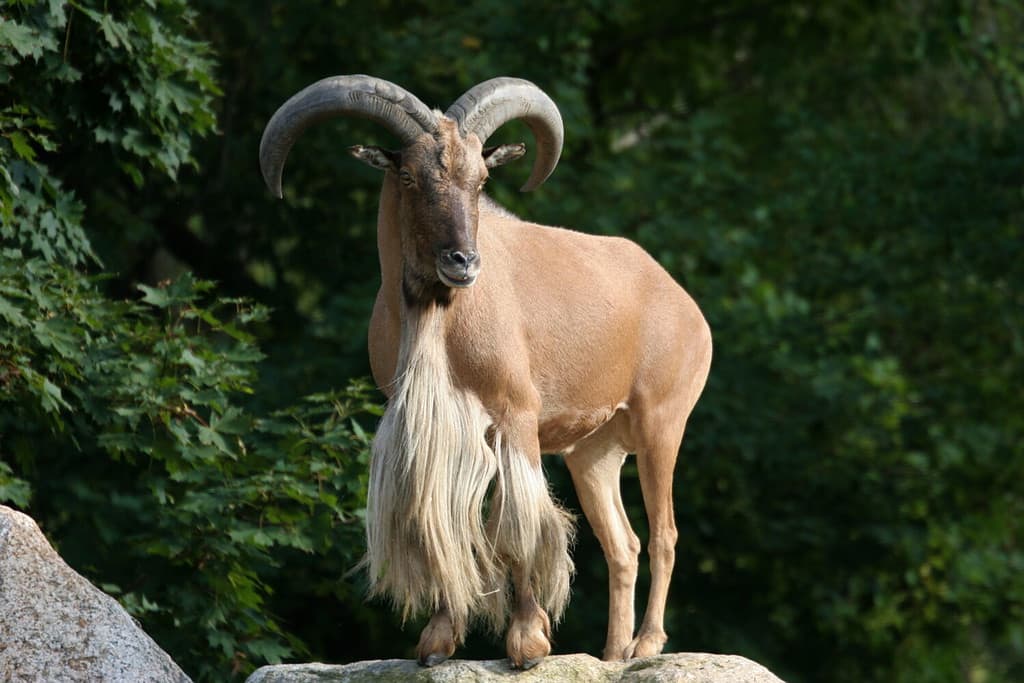
Aoudad, or Barbary sheep, were introduced to New Mexico in the 1940s, but are native to Africa.
©Anthony Ricci/Shutterstock.com
Barbary sheep (Ammotragus lervia), also known as Aoudad sheep, are not native to the area, but first appeared in the park in 1959. According to the National Park Service, it’s believed that these sheep are descended from an exotic herd of sheep once owned by the founders of the park. Barbary sheep are native to North Africa and were brought to New Mexico in the 1940s. Today, Barbary sheep are a common sight around the park.
Mottled Rock Rattlesnake
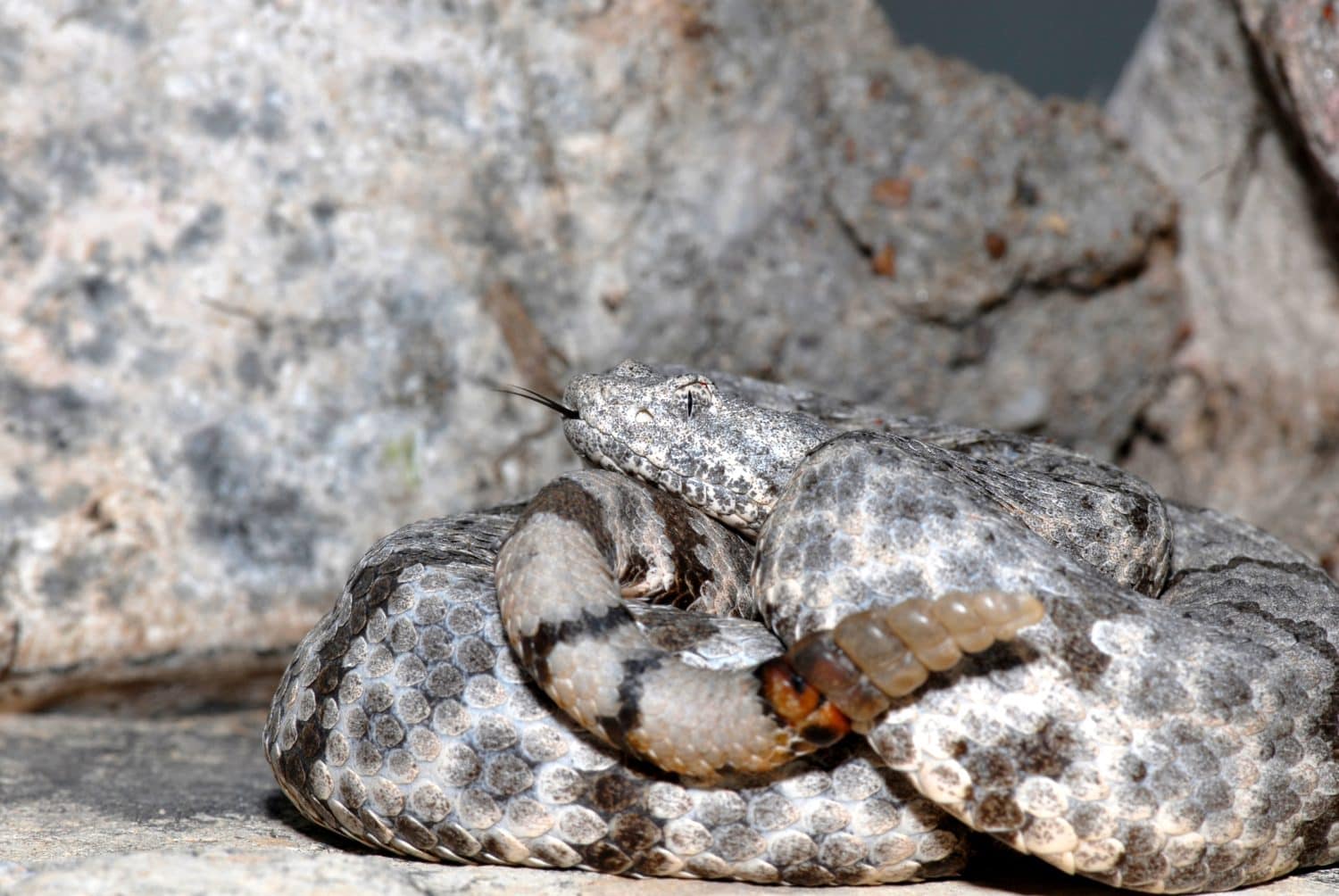
Mottled rock rattlesnakes are venomous, but bites are rare because the snake is shy and tends to avoid contact with humans if possible.
©Rusty Dodson/Shutterstock.com
Although it’s not a common snake throughout the state, the mottled rock rattlesnake (Crotalus lepidus lepidus) is the most common snake in the park, according to the National Park Service. It’s one of the 46 species of reptiles that can be found in Carlsbad Caverns National Park. This venomous snake is a subspecies of the banded rock rattlesnake. Despite having toxic venom, mottled rock rattlesnakes are not aggressive and would prefer to warn threats away by rattling their tail as a warning and fleeing if possible.
Texas Horned Lizards
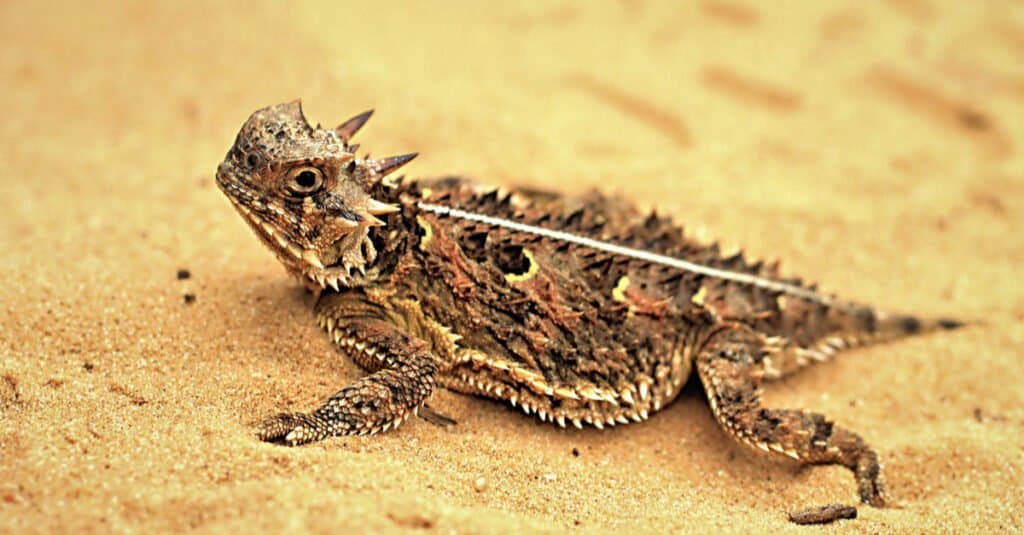
Texas horned lizards puff up their bodies with air to look bigger and ward off predators.
©Seth LaGrange/Shutterstock.com
One reptile that you are more likely to encounter in the park than snakes is a lizard. Multiple species of lizards might be seen wandering inside Carlsbad Cavern National Park. One commonly spotted is the Texas horned lizard (Phrynosoma cornutum). The Texas horned lizard is named for the numerous horns on its head.
Ornate Box Turtle
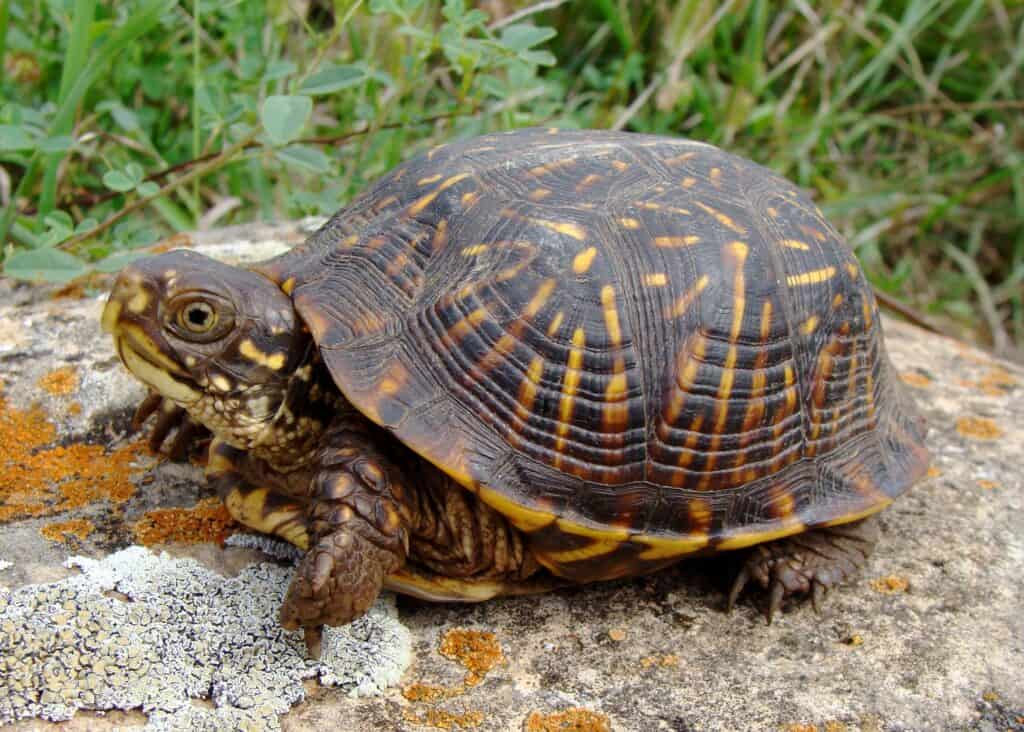
Ornate box turtles hibernate over winter, burrowing in the ground until the weather warms up.
©Matt Jeppson/Shutterstock.com
Carlsbad Caverns National Park is home to four species of turtles. One of those is the ornate box turtle (Terrapene Ornata). This small turtle (only about 4 to 6 inches long) lives on land. It can be identified by the yellow, black, and red patterns on its shell.
Cave Swallows

Visitors to Carlsbad Caverns enjoy seeing cave swallows as they nest in the main cavern.
©VITALII BORKOVSKYI/Shutterstock.com
Many different bird species live year-round or migrate through Carlsbad Caverns National Park. One migratory bird that can be seen nesting inside the caverns from February through October is the cave swallow (Petrochelidon fulva). Cave swallows nest in the main cavern and are a popular sight for tourists during nesting season.
Summer Tanager
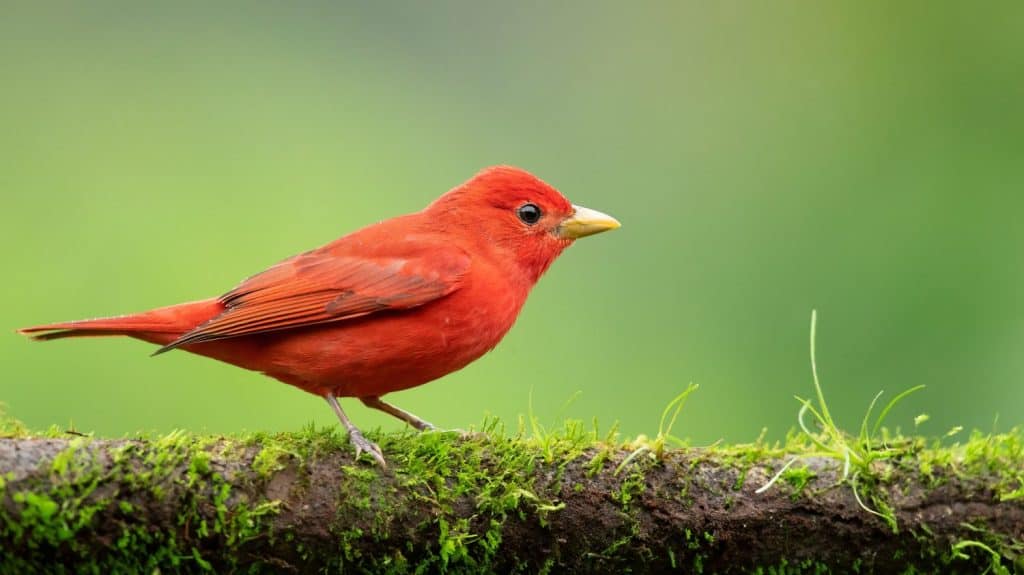
Summer tanagers migrate to the southern U.S. during summer, heading to Central America for winter.
©Milan Zygmunt/Shutterstock.com
Many migratory and year-round birds can be found in the lush ecosystem of the permanent watersource for Carlsbad Caverns, Rattlesnake Springs. The summer tanager (Piranga Rubra) is one species of bird you will see breeding in the woodlands around the springs.