N S W E
Wildlife Expeditions

Wildlife of
Montana

Montana's vast Rockies-to-Prairie landscapes shelter iconic megafauna, intact river corridors, and some of the Lower 48's most wide-open, wild wildlife habitats.
162 Species
376,962 km² Land Area
Overview

About Montana

Montana's wildlife is shaped by its big mountains, long rivers, and wide, connected lands. From grizzly country in the northern Rockies to pronghorn on the high plains, the state keeps a classic North American mix of animals and a strong record of protecting wildlife tied to public lands, working ranches, and migration routes. Key ecosystems are Northern Rocky Mountain forests and alpine basins (important for grizzly bears, mountain goats, and wolverines), sagebrush steppe and mixed-grass prairie (home to pronghorn, sage-grouse, and wide-ranging raptors), and major rivers like the Yellowstone and Missouri with cottonwood bottoms that support beavers, otters, bald eagles, and many birds. Wetland complexes and prairie potholes are vital for waterfowl and shorebird migrations. Montana is special for its mountains-to-plains gradient and links to Canada and the Greater Yellowstone ecosystem, which help wide-roaming species move and find refuge.

Physical Features

Geography

Montana's wildlife follows its split between the northern Rocky Mountains and the Great Plains. High alpine and subalpine zones, conifer forests, and valley grasslands in the west support mountain species. Central and eastern prairies and sagebrush-steppe favor grassland and shrubland species. Large rivers like the Missouri and Yellowstone make riparian corridors and wetlands that aid migration.

376,962 km² (land area) Land Area
4th largest U.S. state (by total area) Size Rank
State Type
Elevation Range

~549 m to 3,904 m (Kootenai River valley low points to Granite Peak, 3,904 m)

Coastline

No ocean coastline; major inland waters include Flathead Lake (largest natural freshwater lake in the western U.S.) and large reservoirs such as Fort Peck Reservoir on the Missouri River.

Key Landscapes

Northern Rocky Mountains (including the Lewis, Bitterroot, Absaroka, and Beartooth ranges) Glacial and alpine landscapes (e.g., Glacier region; alpine tundra and talus slopes) Intermountain valleys and grasslands (e.g., Flathead, Gallatin, Bitterroot valleys) Great Plains prairies and mixed-grass grasslands (central and eastern Montana) Sagebrush-steppe and shrublands (notably in drier basins and foothills) Major river systems and riparian corridors: Missouri River (headwaters to reservoirs), Yellowstone River, Clark Fork, Flathead River, and tributary networks (wetlands, cottonwood galleries, floodplains)
State Symbols

Official Wildlife Symbols

animal

Grizzly bear

Designated 1983

bird

Western meadowlark

Designated 1927

fish

Blackspotted cutthroat trout

Designated 1977

insect

Mourning cloak butterfly

Designated 2001

wildflower

Bitterroot

Designated 1895

tree

Ponderosa pine

Designated 1949

Parks & Reserves

Protected Areas

Most of Montana's protected areas are large federal lands (NPS, U.S. Fish & Wildlife Service, U.S. Forest Service, BLM) across the Northern Rockies, river breaks, prairie potholes, and the Missouri and Yellowstone rivers. They protect wide-ranging mammals (grizzly bear, wolf, wolverine), native ungulates (bison, bighorn sheep, pronghorn), and migratory birds. State parks protect badlands and places where rivers meet.

Protected Coverage

Approximately ~20% of Montana's land area is under some form of long-term protection or conservation designation (e.g., national parks/monuments, national wildlife refuges, designated wilderness), with additional large areas managed for multiple-use conservation values.

National Parks & Preserves

Glacier National Park

~1,013,000 acres (about 1,580 sq mi)

A major stronghold of intact Northern Rockies ecosystems with exceptional habitat connectivity into Canada; renowned for opportunities to see large carnivores and alpine/forest wildlife in a relatively wild, road-limited landscape.

Grizzly bear Mountain goat Bighorn sheep Wolverine Canada lynx

Yellowstone National Park (small Montana portion near the North Entrance; most of the park is in Wyoming)

Yellowstone total: ~2,221,766 acres (about 3,472 sq mi); ~96% lies in Wyoming, ~3% in Montana, and ~1% in Idaho

While most of Yellowstone is in Wyoming, a small portion extends into Montana near the North Entrance (Gardiner) and the park's northern boundary. Montana provides a major gateway for accessing Yellowstone's Northern Range; the Lamar Valley itself is in Wyoming.

American bison Gray wolf Elk Grizzly bear Trumpeter swan

Bighorn Canyon National Recreation Area

~120,000 acres (about 187 sq mi)

A dramatic canyon-and-reservoir system that protects riparian corridors, cliffs, and badland-steppe habitats; notable for bighorn sheep and raptor viewing along steep canyon walls.

Bighorn sheep Mule deer Bald eagle Osprey River otter

Upper Missouri River Breaks National Monument

~377,000 acres (about 589 sq mi)

One of the best protected examples of Great Plains river-breaks habitat, with cottonwood bottoms, sagebrush-steppe, and rugged coulees; important for native grassland wildlife and migratory birds along the Missouri River corridor.

Pronghorn Bighorn sheep Mule deer Sharp-tailed grouse Golden eagle

State & Provincial Parks

Makoshika State Park

~11,500 acres (about 18 sq mi)

Montana's largest state park protects badlands and rugged erosion formations that support prairie and rimrock wildlife; strong for raptors and open-country mammals.

Mule deer Pronghorn Prairie falcon Golden eagle Sharp-tailed grouse

Wild Horse Island State Park

~2,160 acres (about 3.4 sq mi)

An island ecosystem in Flathead Lake with limited development; notable for close-range viewing of ungulates and intact shoreline/grassland habitats.

Bighorn sheep Mule deer Bald eagle Osprey River otter

Missouri Headwaters State Park

~500-600 acres (about 1 sq mi)

Protects the confluence area where the Missouri River begins; valuable riparian woodland and wetland habitat for birds and corridor wildlife.

Bald eagle Great blue heron White-tailed deer Beaver River otter

Wildlife Refuges

Charles M. Russell National Wildlife Refuge

~1,100,000 acres (about 1,720 sq mi)

A vast Missouri River breaks landscape (including major reservoir shorelines and native prairie) critical for big game, grassland birds, and raptors; one of the largest refuge complexes in the Lower 48.

Pronghorn Mule deer Rocky Mountain bighorn sheep Bald eagle Greater sage-grouse

Red Rock Lakes National Wildlife Refuge

~46,000 acres (about 72 sq mi)

High-elevation wetlands and wet meadows near the Continental Divide that support globally important waterfowl habitat and serve as a key breeding area for sensitive species.

Trumpeter swan Sandhill crane Moose American avocet Long-billed curlew

Benton Lake National Wildlife Refuge

~12,000+ acres (core refuge; broader management areas add more habitat)

Prairie pothole and managed wetland habitats near Great Falls that are exceptionally important for migratory waterfowl, shorebirds, and wetland-dependent species.

Snow goose Tundra swan American white pelican Northern pintail Western grebe

Bison Range (National Wildlife Refuge System unit; stewarded by the Confederated Salish and Kootenai Tribes)

~18,766 acres (about 29 sq mi)

A main grassland area in Mission Valley with restored native prairie and great bison and grassland wildlife viewing. It is part of the National Wildlife Refuge System and is managed by the Confederated Salish and Kootenai Tribes with the U.S. Fish and Wildlife Service.

American bison Elk Pronghorn Bighorn sheep Bald eagle

Wilderness Areas

  • Bob Marshall Wilderness Complex (Bob Marshall, Great Bear, and Scapegoat Wilderness areas)
  • Absaroka-Beartooth Wilderness
  • Selway-Bitterroot Wilderness (Montana portion)
  • Anaconda-Pintler Wilderness
  • Cabinet Mountains Wilderness
  • Lee Metcalf Wilderness
  • Mission Mountains Wilderness
  • Rattlesnake Wilderness
Animals

Wildlife

Montana's wildlife is defined by its sweep from the northern Rocky Mountains (alpine peaks, conifer forests, glacial valleys) to the Great Plains (shortgrass prairie, sagebrush steppe, badlands) and by major river systems like the Missouri and Yellowstone. This landscape mosaic supports an unusually complete assemblage of large mammals for the lower 48 (including grizzly bear, gray wolf, and bison) alongside prairie specialists, big migratory bird movements, and nationally important coldwater fisheries (trout, char) plus large-river species in the Missouri basin.

≈110 species Mammals
≈430 species (regularly occurring and migratory) Birds
≈15-20 species Reptiles
≈10-12 species Amphibians
≈80-100 species (native + established nonnative) Fish
Examples

Iconic Species

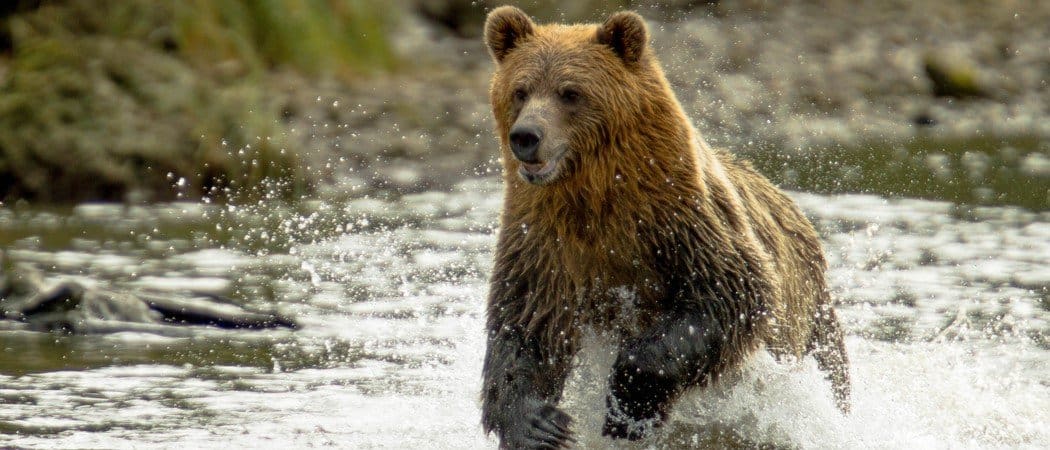
Grizzly Bear
Grizzly Bear A flagship Rocky Mountain predator most associated with the Greater Yellowstone and Northern Continental Divide ecosystems; one of the best places in the lower 48 to see signs of grizzlies and (with luck) observe them responsibly.
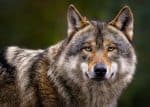
Gray Wolf
Gray Wolf Symbol of wilderness restoration; widely sought by visitors in the Yellowstone/Paradise Valley region and parts of northwest Montana.
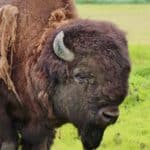
American Bison
American Bison Icon of the Great Plains and Yellowstone region; Montana hosts important conservation herds and seasonal Yellowstone-area movements that draw visitors.
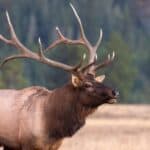
Elk
Elk One of the state's most visible big-game mammals, especially in mountain valleys and foothills; famous autumn rut activity is a major wildlife-viewing attraction.
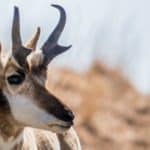
Pronghorn
Pronghorn Defining species of Montana's plains and sagebrush country; fast, conspicuous herds make prairie drives and open-country hikes memorable.
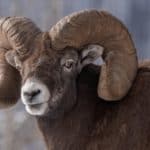
Bighorn Sheep
Bighorn Sheep Seen on rugged cliffs, river breaks, and mountain ranges; a classic Montana wildlife experience in both the Rockies and the Missouri Breaks.
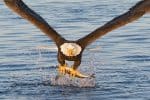
Bald Eagle
Bald Eagle Frequently observed along major rivers and reservoirs; winter concentrations and open-water fishing scenes are a hallmark of Montana's riparian corridors.
Trumpeter Swan North America's largest native waterfowl; Montana is notable for breeding and migration stopovers, especially in wetland-rich valleys and refuges.
Moose
Moose A sought-after boreal/foothill species in willows, wetlands, and subalpine forests-often encountered in northwest Montana and mountain valleys.
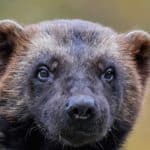
Wolverine
Wolverine A rare, wide-ranging carnivore tied to remote high-elevation terrain and persistent snow; Montana is one of the best places in the contiguous U.S. to encounter it (usually via tracks/camera evidence).

Endemic & Rare Species

Bull Trout

Salvelinus confluentus

U.S. federally Threatened (in the contiguous U.S.)

A cold, clean-water indicator species in northwest and west-central Montana; a major conservation focus due to habitat fragmentation, warming streams, and interactions with nonnative trout.

Pallid Sturgeon

Scaphirhynchus albus

U.S. federally Endangered

A large-river specialist of the Missouri River basin; Montana's Missouri River segments are important for recovery efforts involving flow, habitat, and fish passage/propagation.

Canada Lynx

Lynx canadensis

U.S. federally Threatened

A boreal forest carnivore closely tied to snowshoe hare cycles; Montana's northern forests and high-elevation habitats remain key for regional persistence.

Black-footed Ferret

Mustela nigripes

U.S. federally Endangered; reintroduced in Montana

One of North America's rarest mammals, dependent on prairie dog colonies; Montana supports reintroduction and management work in prairie landscapes.

Arctic Grayling (fluvial population, Upper Missouri River basin)

Thymallus arcticus

Regionally rare/at-risk; conservation-dependent in Montana

Montana holds the only native fluvial (river-dwelling) Arctic grayling population in the lower 48, making it a high-priority conservation and monitoring focus.

Greater Sage-Grouse

Centrocercus urophasianus

Not federally listed; declining/management concern across much of its range

A defining bird of sagebrush steppe; Montana's intact sage landscapes are important for sustaining lek complexes and regional connectivity.

Piping Plover

Charadrius melodus

U.S. federally Threatened (Northern Great Plains population)

Nests on sparsely vegetated sand/gravel shorelines; Montana's Missouri River reservoirs and riverine shorelines provide key breeding habitat in the interior West.

Westslope Cutthroat Trout

Oncorhynchus clarkii lewisi

Native; sensitive/declining in parts of range due to hybridization and habitat impacts

An emblematic Rocky Mountain native trout; Montana contains strongholds but faces ongoing pressure from nonnative trout and warming/fragmented habitats.

Notable Populations

  • One of the largest remaining grizzly bear populations in the contiguous U.S. (Northern Continental Divide ecosystem), with additional major population presence tied to the Greater Yellowstone region.
  • A core portion of the Northern Rocky Mountain gray wolf population, established after 1995-1996 reintroductions to Yellowstone National Park and central Idaho and subsequent natural recolonization and expansion into Montana.
  • Nationally significant intact prairie and 'breaks' wildlife assemblages (e.g., pronghorn, prairie raptors, sagebrush birds) across the Missouri Breaks and eastern Montana plains.
  • Major waterfowl and shorebird production/migration use in prairie wetlands and large river corridors (Missouri and Yellowstone systems).
  • High-value coldwater fisheries and native trout/char strongholds in the Rockies (including important bull trout and cutthroat trout waters).
  • Regionally important trumpeter swan breeding and migration habitats (notably in southwest and western Montana wetland complexes).

Recent Changes

  • Gray wolf recovery and expansion since the 1995-1996 reintroductions to Yellowstone National Park and central Idaho-followed by natural recolonization and population growth in Montana-has reshaped predator-prey dynamics and remains a high-profile management issue.
  • Grizzly bears have continued to expand their occupied range in parts of northwest Montana and around the Greater Yellowstone edge, increasing coexistence/conflict management needs.
  • Chronic wasting disease (CWD) has spread in Montana's deer/elk populations in recent years, affecting surveillance, hunting management, and long-term population planning.
  • Coldwater fish stressors have increased: warming summers, drought/low flows, and larger wildfire years contribute to thermal/habitat pressure on native trout and bull trout.
  • Nonnative fish impacts persist or intensify in some waters (e.g., lake trout, brown/rainbow trout), including competition, predation, and hybridization risks for native cutthroat trout and bull trout.
  • Black-footed ferret conservation continues via reintroductions/management tied to prairie dog colony health, with ongoing vulnerability to disease and habitat change.
  • Sagebrush-steppe bird concerns (including greater sage-grouse) remain driven by habitat fragmentation, wildfire, invasive plants, and development pressures in parts of the plains.
Visit

Wildlife Viewing

Montana offers very varied, easy-to-reach wildlife viewing: grizzly bears and wolves in the northern Rockies; wide prairies with bison and pronghorn; and river corridors with bald eagles, otters, and migrating waterfowl. Large public lands—national parks, national forests, wildlife refuges, and BLM—let you do roadside viewing, short hikes, backcountry trips, or float-based watching with fewer crowds.

Best Seasons

Spring (Mar-May)

Early spring: elk and deer move to lower ground and calving begins; bears emerge and often appear in valley bottoms. Raptors return and mate. Snowmelt swells rivers, boosting chances to see bald eagles, osprey, and waterfowl along waterways. It can be good for grizzly viewing in Yellowstone and the Northern Rockies; roads may be limited in high areas.

Summer (Jun-Aug)

Peak access season: high-elevation trails open, alpine wildlife becomes more reachable (mountain goats, bighorn sheep), and wetlands/riparian zones are busy with songbirds and nesting waterfowl. Dawn and dusk are best for large mammals; mid-day heat pushes activity into shade. Expect the most visitors in/near Glacier and Yellowstone areas; consider prairie refuges and forest backroads for quieter wildlife time.

Fall (Sep-Nov)

Elk rut with bugling and harems (Sept–early Oct), pronghorn and mule deer rut, and big movements of waterfowl and cranes along river valleys and reservoirs. Cooler weather makes animals more active by day. Fall is great for photos of golden cottonwoods and larch and for seeing bears feeding before they go into dens—keep food stored and stay far away.

Winter (Dec-Feb)

Winter is best for tracking predators and hoofed animals: wolves, coyotes, foxes, and mountain lions are easier to find by tracks; bison and elk move into lower valleys; bald eagles gather near open water and carrion. Snow makes stark views and quieter roads—expect extreme cold, few services; use winter vehicles and tires. Yellowstone by permit can be exceptional.

Top Wildlife Experiences

  • Dawn wildlife drive in Lamar Valley (Yellowstone's NE corner via Gardiner/Cooke City access) for wolves, bison, pronghorn, grizzlies (seasonal), and raptors-bring a spotting scope and plan to stay several hours.
  • Sunrise boat tour on Lake McDonald or a guided wildlife-focused outing along the Going-to-the-Sun Road corridor (Glacier National Park) to look for mountain goats, bighorn sheep, bears (seasonal), and nesting/foraging birds along lakeshores.
  • Bison and prairie wildlife day at The Bison Range (near Moiese), managed by the Confederated Salish and Kootenai Tribes, for bison herds, pronghorn, elk, bighorn sheep, and raptors-combine with nearby Flathead and Mission Valley birding wetlands.
  • Birding and wetland wildlife circuit in the Flathead Valley: Montana Audubon's Flathead Lake sites (e.g., shoreline access points) plus the Flathead National Wildlife Refuge for waterfowl, shorebirds, bald eagles (especially outside summer), and marsh mammals.
  • Missouri River Breaks wildlife float or jet-boat segment (near Fort Benton to Judith Landing / UL Bend region) for bighorn sheep, mule deer, beaver, river otter, nesting cliffs with raptors, and dramatic prairie-breaks scenery-camping adds excellent dawn/dusk viewing.
  • Pronghorn and prairie dog/raptor watching on Great Plains and badlands routes (e.g., Charles M. Russell National Wildlife Refuge region and surrounding BLM/grasslands) with chances for golden eagles, ferruginous hawks, sagebrush birds, and wide-open landscapes.
  • Winter eagle watch along the Yellowstone River corridor (especially where open water persists) to see concentrations of bald eagles and other scavenging birds-pair with a cold-weather photography day and track-spotting in river-bottom cottonwoods.
  • Beartooth/Absaroka foothills scenic drive-and-hike (seasonal access) for high-elevation mammals like mountain goats and bighorn sheep, plus pika and marmot in summer-aim for early morning to reduce heat haze and crowds.

Wildlife Watching Types

Large mammal viewing (bison, elk, moose, deer, pronghorn) in valleys, prairies, and park corridors Predator watching (wolves, bears, coyotes, foxes) with best odds in open valleys and winter tracking conditions Birding hotspots: wetlands and refuges (waterfowl, cranes, shorebirds), plus raptor migration and winter eagle concentrations Raptor watching (golden eagles, bald eagles, hawks, falcons, owls) on prairies, river breaks, and mountain fronts River and lake wildlife watching by float/boat (beaver, otter, waterfowl, eagles, herons) Alpine wildlife viewing (mountain goats, bighorn sheep, marmots) in summer/early fall where access allows Sagebrush-steppe and prairie specialties (sharp-tailed grouse displays in spring; sagebrush birds where habitat remains) Wildlife tracking and photography in snow (winter sign, predator-prey landscapes, frosty river corridors)

Guided Options

  • Yellowstone wolf and wildlife safari-style day tours (based from Gardiner, Cooke City, or Bozeman area operators) that focus on spotting scopes, radio-collar research context, and ethical viewing distances.
  • Glacier National Park guided hikes and naturalist programs (seasonal) emphasizing bear safety, mountain ecology, and wildlife interpretation; also consider guided boat tours on Glacier's major lakes for shoreline wildlife and birds.
  • U.S. Fish & Wildlife Service / refuge-led programs where offered (seasonal) at National Wildlife Refuges in Montana-often include bird walks, wildlife talks, and viewing-area guidance (check individual refuge calendars).
  • Montana Audubon field trips and birding walks (varies by chapter/season) in the Flathead, Missoula, and other regions-ideal for visitors targeting species lists and local hotspots.
  • Missouri River Breaks outfitter-guided floats/camping trips (canoe/raft/jet boat depending on reach) with natural history interpretation and strong chances for bighorn sheep and raptors.
  • State park and local naturalist guided walks (seasonal) near key wetlands and river corridors-useful for learning migration timing and best viewing hours.
  • Winter wildlife tours in the Yellowstone region (including permitted winter travel options) that prioritize cold-weather logistics, spotting scopes, and photography-friendly pacing.
Habitats

Ecosystems

Montana lies between the northern Rocky Mountains and the Great Plains, creating many ecosystems from steep elevation, temperature, and moisture changes. Western Montana has mountain conifer forests, deep river valleys, and glaciated lands. Central and eastern areas have mixed-grass prairie, sagebrush steppe, and badlands. Big rivers (Missouri, Yellowstone, Clark Fork) and wetlands link habitats and support wildlife.

Biomes

Temperate Forest

Montane and valley forests dominated by conifers (Douglas-fir, lodgepole pine, Engelmann spruce, subalpine fir, western larch), with mixed stands and riparian cottonwood/aspen in suitable sites; most extensive in the Rockies of western and southwestern Montana.

Majority of western Montana and mountain ranges statewide; roughly one-third to approaching half of the state, concentrated west of the Continental Divide and in isolated ranges elsewhere.

Temperate Grassland

Great Plains mixed-grass prairie and foothill grasslands, with blue grama, wheatgrasses, and sagebrush/grass mosaics; includes prairie breaks and rolling plains supporting large ungulates and grassland birds.

Extensive across central and eastern Montana; roughly half the state (largest single biome by area).

Boreal Forest (Taiga)

Cold, high-elevation and northern conifer communities with strong boreal affinities (spruce-fir, lodgepole pine, larch), especially in the northern Rockies and upper subalpine zones where winters are long and snow-dominated.

Patchy and elevation-limited in the northern/western mountains; small fraction statewide.

Alpine

High-elevation environments above or near treeline (alpine meadows, fellfields, talus slopes), shaped by snowpack, wind, and short growing seasons; prominent in ranges like the Beartooths and Glacier-area peaks.

Scattered high peaks and plateaus; very limited statewide (<5%) but locally extensive in the highest ranges.

Tundra

Alpine tundra communities (low shrubs, sedges, cushion plants, lichens) occupying the coldest, windiest sites above treeline; overlaps with the alpine zone but represents the most tundra-like plant assemblages.

Tiny, discontinuous patches at the highest elevations (notably northern and south-central high ranges).

Freshwater

Large rivers (Missouri, Yellowstone, Clark Fork, Flathead), headwater streams, glacial and tectonic lakes (e.g., Flathead Lake), and prairie reservoirs supporting coldwater and warmwater fisheries and migratory waterbirds.

Statewide along major drainages and lake basins; linear networks plus scattered lakes/reservoirs.

Wetland

Riparian wetlands, floodplain marshes, wet meadows, prairie pothole-like depressions (regionally), fens, and beaver-influenced wetlands that concentrate biodiversity in both mountains and plains.

Dispersed statewide; most common along river valleys, mountain valleys, and glaciated plains-small by area but ecologically outsized.

Cold Desert

Semi-arid, cold-desert-like settings in rain-shadow valleys and badlands with sparse vegetation, exposed soils/clays, and drought-tolerant shrub/grass assemblages; ecotonal with steppe and prairie rather than true desert.

Localized in parts of eastern badlands and select intermontane basins; very limited statewide.

Habitats

Forest

Extensive Rocky Mountain forests supporting wide-ranging carnivores and ungulates; major blocks in the Flathead, Bitterroot, and other national forests.

Coniferous Forest

Douglas-fir, lodgepole pine, spruce-fir, and western larch forests; frequent fire ecology in many types, with post-fire seral mosaics.

Deciduous Forest

Riparian cottonwood galleries and aspen stands, especially along the Yellowstone, Missouri, and Clark Fork systems and in mountain valleys.

Woodland

Open ponderosa pine and juniper-influenced woodlands on drier foothills and breaks, often grading into grassland/shrubland.

Grassland

Mixed-grass systems across the Great Plains portion of the state; important for pronghorn, sagebrush-associated species (where present), and grassland birds.

Prairie

Broad rolling plains and prairie breaks (e.g., Missouri Breaks) with native grasses and forbs; large intact tracts remain in parts of central/eastern Montana.

Steppe

Drier grass-shrub mosaics (often with sagebrush) in basins and foothills, bridging prairie and more arid habitats.

Shrubland

Sagebrush and other shrub-dominated communities in drier valleys and plains; key winter range for ungulates in some regions.

Desert

Badlands-style habitats with sparse plant cover, eroding clay/ash formations, and highly variable microhabitats; locally important for specialized flora and nesting birds.

Tundra

Above-treeline alpine tundra with low vegetation, patterned ground, and long snow cover, especially in the highest mountain complexes.

Alpine Meadow

Flower-rich subalpine/alpine meadows and parks used by pollinators and as summer forage; common near treeline in many ranges.

Mountain

Complex topography (Rockies and outlying ranges) creating sharp climate gradients, cold-air drainages, and diverse exposures/aspects.

Cliff/Rocky Outcrop

Rocky cliffs, talus, and canyon walls used by raptors and cliff-nesting birds; widespread in mountain and river-break landscapes.

Cave

Limestone and volcanic cave/karst features in some areas, supporting bats and specialized subterranean invertebrates where present.

Lake

Large natural lakes (notably Flathead Lake) and many smaller glacial/mountain lakes supporting fisheries and waterbirds.

River/Stream

Major river corridors (Missouri, Yellowstone, Flathead, Clark Fork) with dynamic floodplains, side channels, and riparian forests.

Pond

Small ponds and stock ponds on the plains plus beaver ponds in forested watersheds; important amphibian and waterfowl habitat.

Wetland

Wet meadows, riparian wetlands, fens, and beaver-influenced complexes that provide water storage, filtration, and breeding habitat.

Marsh

Emergent marshes along floodplains, lake margins, and reservoirs, supporting nesting waterfowl and marsh birds.

Bog

Peat-forming wetlands and bog-like/fen complexes in colder mountain valleys and glaciated settings (often more fen than true ombrotrophic bog).

Swamp

Wooded riparian wetlands and seasonally inundated cottonwood/willow bottoms in some floodplain settings.

Agricultural/Farmland

Wheat and other small grains, hay, and pasture/rangeland; a major land use in valleys and the plains, influencing grassland and riparian habitat condition.

Urban

Small urban footprints relative to state size (e.g., Billings, Missoula, Great Falls), with localized habitat fragmentation and riverfront impacts.

Suburban

Low-density development around cities and mountain-valley towns, often adjacent to high-value riparian and foothill habitats.

Ecoregions

EPA Level III: Northern Rockies EPA Level III: Canadian Rockies EPA Level III: Middle Rockies EPA Level III: Idaho Batholith (minor fringe in far western Montana) EPA Level III: Montana Valley and Foothill Grasslands EPA Level III: Northwestern Glaciated Plains EPA Level III: Northwestern Great Plains EPA Level III: Wyoming Basin (minor in southern/southeastern Montana) EPA Level III: Yellowstone Plateau (small area near the southwest border) WWF: Northern Rockies Conifer Forests WWF: Rocky Mountain Subalpine Conifer Forests WWF: Rocky Mountain Alpine Tundra WWF: Montana Valley and Foothill Grasslands WWF: Northwestern Great Plains Mixed Grasslands
Protection

Conservation

Primary Threats

  • Conversion and fragmentation of native prairie and sagebrush (especially in eastern Montana and valley bottoms) from cropland expansion, exurban development, fence/road networks, and riparian alteration; loss of large, connected private-land linkages between public blocks reduces movement corridors for elk, pronghorn, grizzly bear, and wolverine/lynx habitat connectivity.
  • Warming temperatures and altered snowpack shift mountain hydrology and reduce cold-water habitat for native salmonids (e.g., bull trout), increase drought stress on rangelands, and intensify wildfire seasons and smoke impacts; earlier runoff and warmer summer baseflows elevate disease/thermal stress in rivers like the Yellowstone, Madison, and Clark Fork.
  • Aquatic invasives are a top concern: zebra/quagga mussel introduction risk via trailered watercraft, and established invasives like New Zealand mudsnail and whirling disease-facilitating nonnative fish alter river/lake ecosystems; on land, invasive plants (cheatgrass in parts of the state, leafy spurge, knapweeds) degrade forage and increase fire risk in grasslands/sagebrush.
  • Chronic wasting disease (CWD) in deer/elk in multiple management areas drives long-term population and hunting-management uncertainty; whirling disease and other pathogens affect trout recruitment in some waters; brucellosis management remains relevant near the Greater Yellowstone Ecosystem interface where livestock-wildlife contact can occur.
  • Grizzly bear and wolf conflicts with livestock and attractants (garbage, grain, carcass pits) occur along forest-agriculture edges (e.g., Rocky Mountain Front, Greater Yellowstone and Northern Continental Divide peripheries), leading to lethal control removals and social conflict over carnivore management; increasing recreation expands bear encounter risk.
  • Legacy mine waste and metals contamination in parts of the Clark Fork basin, nutrient/sediment loading from agriculture, and urban stormwater around growing communities affect water quality and aquatic habitat; thermal pollution/low flows exacerbate fish stress during hot summers.
  • Highways, rail lines, and expanding energy/utility corridors create barriers and mortality risk (vehicle collisions) for migratory ungulates and wide-ranging carnivores; fencing and culverts can restrict pronghorn and aquatic organism passage without targeted retrofits.
  • Dams and flow regulation on the Missouri River system alter sediment transport, temperature, and spring peak flows needed for species like pallid sturgeon and for nesting habitat of interior least terns and piping plovers; stream channelization and riparian simplification reduce floodplain function and fish/wildlife nursery habitat.
  • In some forests, road building and harvest can fragment habitat and increase human access; conversely, limited management in other areas can elevate fuel loads-either way, balancing forest restoration, wildfire risk, and habitat needs (e.g., lynx snowshoe hare habitat structure) is a persistent challenge.
  • Hard-rock mining and legacy sites can contribute metals/acid drainage and require long-term remediation; new or expanded extraction proposals raise concerns about headwaters, road density, and habitat fragmentation in sensitive mountain and foothill landscapes.
  • Cropland conversion (including irrigated agriculture in some river valleys) reduces intact grassland/sagebrush and can increase pesticide exposure and riparian withdrawals; grazing pressure in drought years can compound stress on native prairie and riparian vegetation if not carefully managed.
  • While statewide density is low, rapid growth around Bozeman, Missoula, Kalispell/Flathead, and along key valleys increases housing footprint, recreation pressure, and conflict potential; valley-bottom development disproportionately affects winter range and movement corridors.
  • Rising recreation (backcountry skiing, mountain biking, snowmobiling, river recreation) can displace wildlife from secure habitat and increase stress during winter/denning seasons, particularly in the Greater Yellowstone and Northern Continental Divide regions and popular river corridors.
  • Generally well-managed, but it can interact with small or recovering populations (e.g., localized grizzly or wolf social structure and connectivity) and requires careful quota/season design; illegal take remains a concern for some high-profile species.
  • In drought and high-demand years, water withdrawals and competition for limited cold-water flows can reduce habitat availability for sensitive fish and riparian-dependent wildlife; localized overuse of key recreation fisheries can necessitate restrictive regulations or seasonal closures (often tied to heat/low flows).
Fun Facts

Did You Know?

Some "mountain goats" seen in and around Glacier National Park are not native. They were introduced nearby in the mid-1900s and later spread, so managers watch their effects on alpine plants and native bighorn sheep.

Montana still has truly "ancient fish": endangered pallid sturgeon persist in the Yellowstone-Missouri river system; they can live for decades and grow to 6 feet or more, with a lineage that dates back to the time of dinosaurs.

Red Rock Lakes (southwest Montana) became famous because it sheltered one of the last wild breeding groups of trumpeter swans in the lower 48-at a time when many people assumed the species was essentially gone from the region.

Montana is one of the few lower-48 states with a breeding wolverine population; researchers track them because females depend on persistent spring snowpack for denning-linking a top carnivore's reproduction to snow conditions.

Black-footed ferrets-North America's rarest mammal-have been reintroduced in Montana specifically where there are large prairie dog towns (their main prey and "housing"), including sites such as UL Bend National Wildlife Refuge and the Fort Belknap Indian Community.

The Greater Yellowstone Ecosystem reaches into southern Montana (Gallatin Range/Paradise Valley area) and is widely cited as the largest nearly intact temperate-zone ecosystem on Earth-about 18-22 million acres across MT-WY-ID.

Montana's Yellowstone River is the longest undammed (free-flowing) river in the contiguous United States, making it a rare large-river wildlife corridor for native fish, waterfowl, and river-bottom mammals.

The Big Hole River holds the last remaining native fluvial (river-dwelling) population of Arctic grayling in the lower 48 states-making it a one-of-a-kind U.S. stronghold for this species' historic range.

The Northern Continental Divide Ecosystem, centered on Glacier National Park and the Bob Marshall Wilderness, is the largest lower-48 grizzly-bear recovery area and is home to one of the continent's most important connected grizzly populations.

Charles M. Russell National Wildlife Refuge (along the Missouri River Breaks) protects about 1.1 million acres and is one of the largest national wildlife refuges in the lower 48-an unusually vast, intact block of pronghorn-and-prairie habitat on public land.

Montana is located north of Wyoming and situated just below the southern border of Canada. Much of the state of Montana is sparsely populated with people, but it has a diverse array of common native wildlife, including the rarest mammal in North America, the Black-footed Ferret. The state is home to over 100 other species of mammals as well, ranging in size from tiny rodents to huge predators. There are also some 440 different bird species, dozens of reptile and amphibian species, and plenty of wild game animals.

Montana has a few strange native species that may be surprising to find so far north, such as the Pygmy Rabbit, the Northern Scorpion, and the Rubber Boa. Its diversity is due in part to its unusual climate, which varies widely across the state due to its topography and proximity to the Pacific Ocean and Canada.

The Official State Animals of Montana

Because it is less populated than most other states, Montana is rich in wildlife and has several state animals.

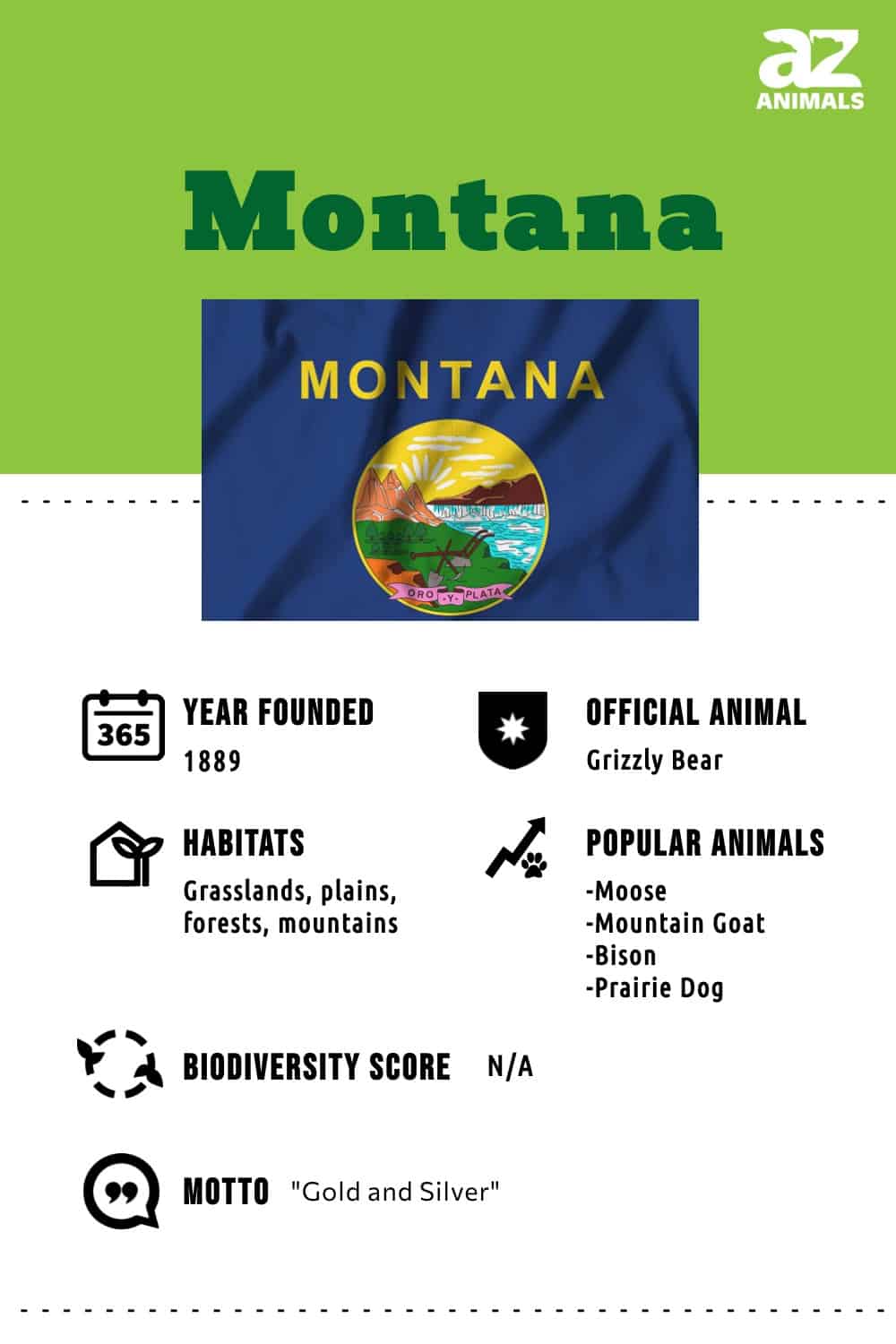
The Official State Animal of Montana: Grizzly Bear
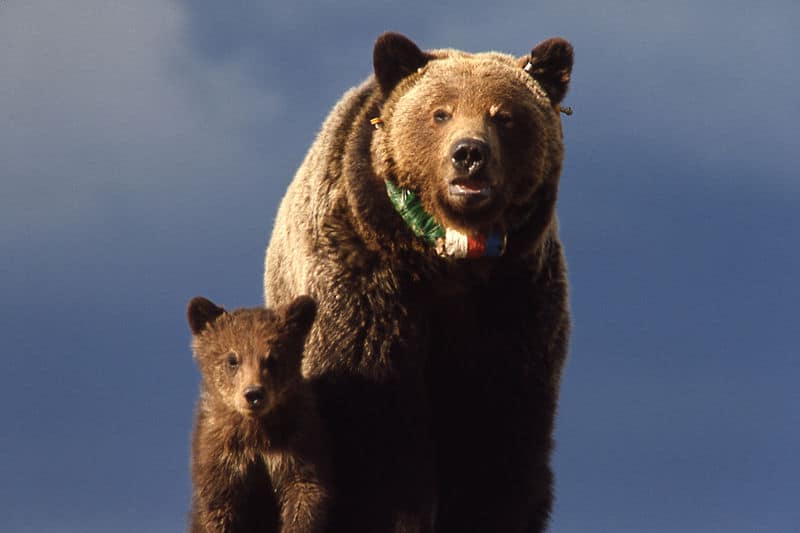
Grizzly Bear with cub

Grizzly Bear

The Grizzly Bear (Ursus arctos horribilis) was given the honor of the official state animal and mammal in 1983. Over 55,000 students assisted in helping choose the state animal, and the Grizzly Bear was the winner out of 74 total mammals, including the Elk, which came in second.

Grizzlies once roamed the open plains of Montana, but as more humans began to settle on the land, the bears moved to more heavily forested regions, though some can still be spotted in more sparsely inhabited meadows.

The Official State Bird of Montana: Western Meadowlark
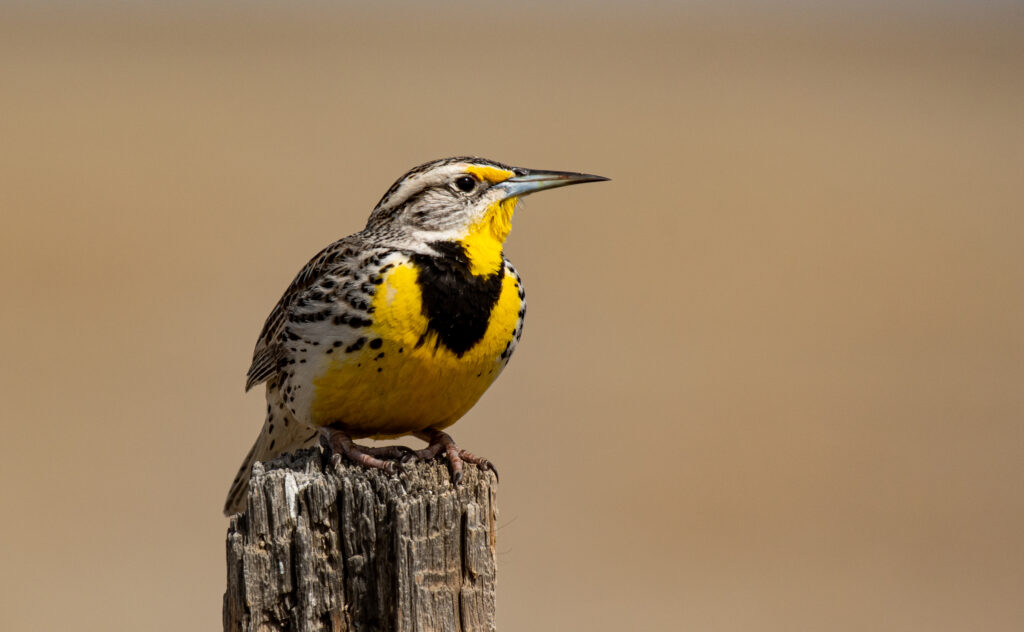
A Beautiful Western Meadowlark Perched on a Fence Post on the Plains of Colorado

A Beautiful Western Meadowlark Perched on a Fence Post on the Plains of Colorado

Montana’s state bird, adopted in 1931, is the Western Meadowlark. Though it may seem strange, these beautiful black, white, and bright yellow birds are part of a subfamily of the blackbird. It is said that Meriweather Lewis was the first to describe this bird in writing, calling it similar to the eastern variety, but with a “richer and more varied” song.

Western Meadowlarks are one of the most popular state birds in the midwest, sharing the honor with Kansas, Nebraska, North Dakota, Wyoming, as well as Oregon. These vibrant birds are a rare sight in Montana backyards, preferring to build their homes in the wild meadows and grasslands.

The Official State Fish of Montana: Blackspotted Cutthroat Trout
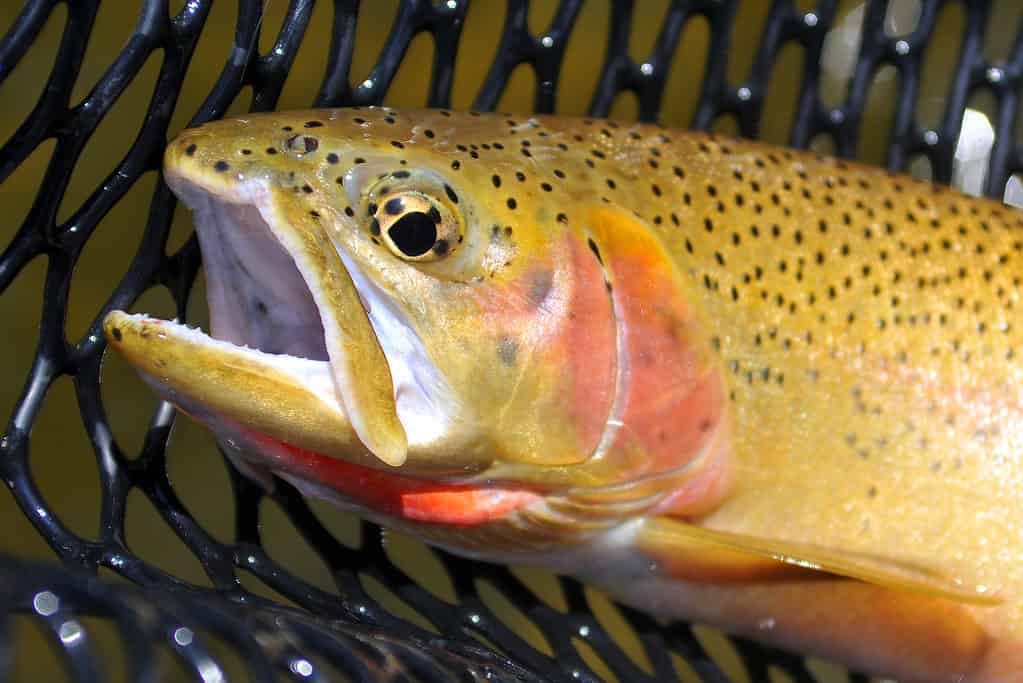
Cutthroat fish out of the water with inside of a fishing net

This beautiful cutthrouat trout was caught while fly fishing in Montana

The Blackspotted Cutthroat Trout (Oncorhynchus clarki) became the official state fish in 1977. This native Montana species is also sometimes called Yellowstone cutthroat trout or the west slope cutthroat trout. It was chosen because it requires a quality habitat to survive, just as the people of Montana desire a certain quality and way of life.

Where To Find The Top Wild Animals in Montana
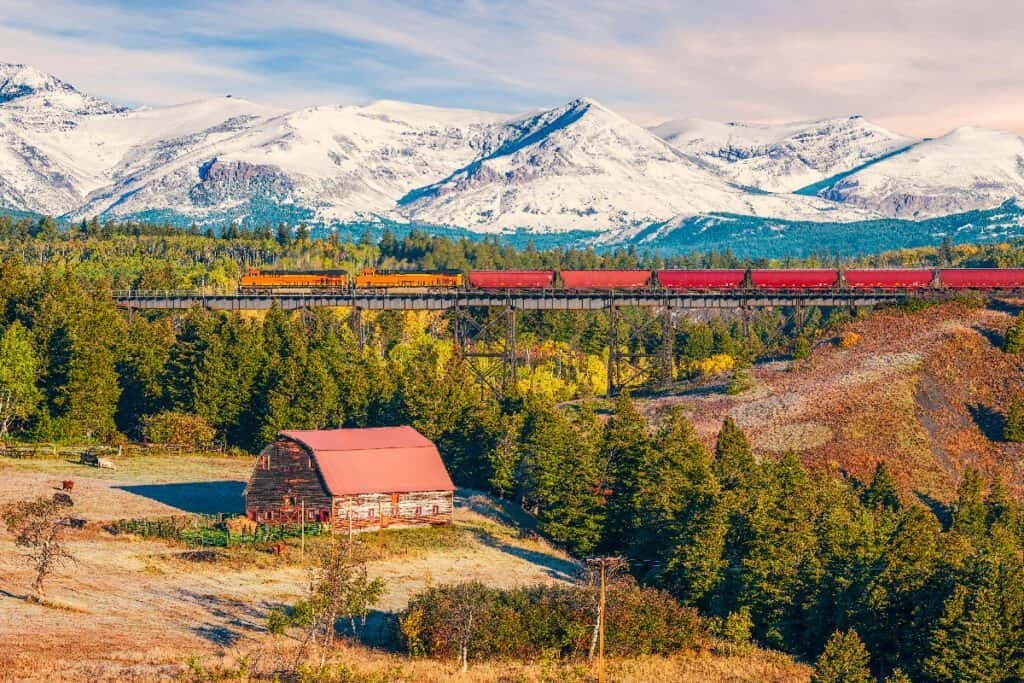
Glacier National Park

Glacier National Park is found in Montana

All across Montana the climate changes due to its geography and topography. Because of this, at different locations, you may see birds, rodents, bison, ticks, elk, bighorn sheep, grizzly bears, lynx, moose, wolverines, coyotes, wolves, or even beavers, badgers, porcupines, otters, mink, and bats. The best place to see them is by visiting the many parks and reserves.

Some of the best parks for viewing wildlife are:

Zoos in Montana

The Most Dangerous Animals In Montana Today
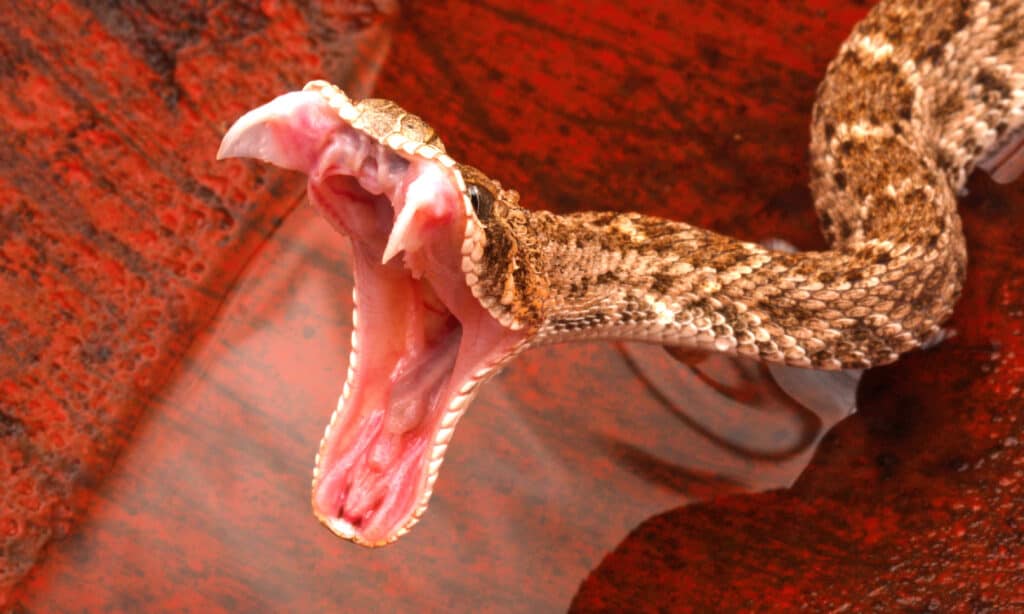
Snake, Fang, Rattlesnake, Poisonous, Aggression Snake, Fang, Rattlesnake, Poisonous, Aggression

Western Rattlesnakes are one of the deadliest animals in Montana

The state of Montana is number one in animal-related deaths, according to the Center for Disease Control. Many of the animals that cause those deaths are not even predators, but large creatures whose migratory patterns overlap with local roads, leading to many traffic accidents.

  • Grizzly Bear – Though they are ferocious and can be deadly when they attack, bear attacks are among the rarest animal attacks in Montana.
  • Western Rattlesnake – Though they mostly prey on rodents and small mammals, their bite can be fatal to humans. Montana is home to 10 different snakes, but the western rattlesnake is the only venomous species in the state.
  • Deer – While it may seem strange for these mostly gentle creatures to make the list, more than one in 60 people are estimated to experience a deer-related car accident in Montana, the second highest such rate in the whole country.
  • Black Widow Spiders – These arachnids are responsible for about seven human deaths per year.

The Largest Animal in Montana
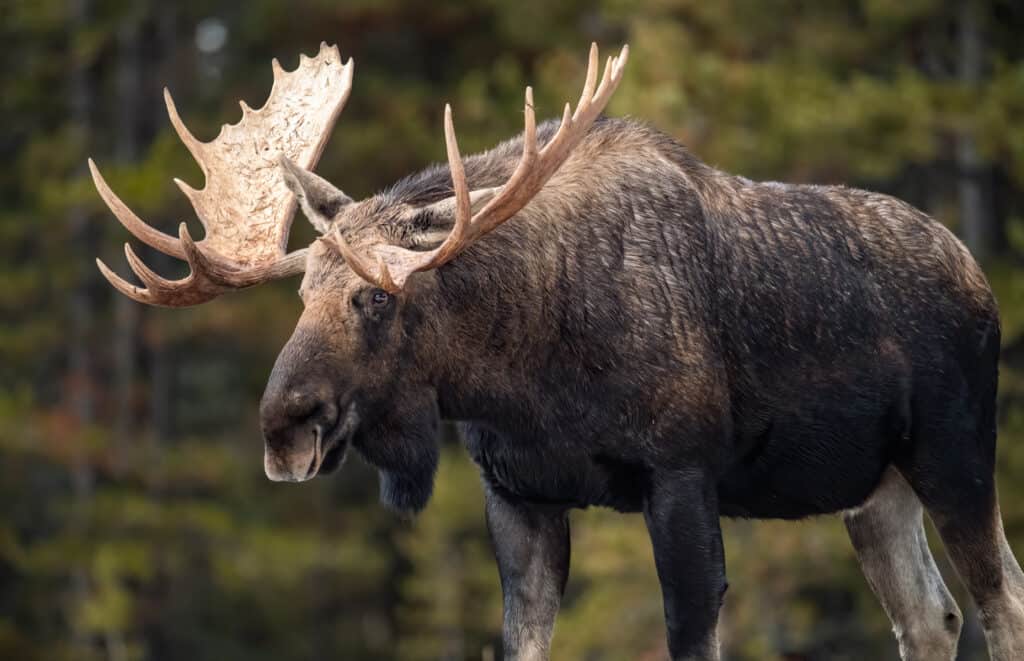
bull moose

Montana’s Cabinet mountains are home to their largest animal, the moose.

The moose is the largest antlered animal in the world, as well as the largest creature in the state of Montana. They can weigh anywhere between 800 and 1,300 lbs at their full size and stand about 7 ft tall. Moose love the water and are known to submerge themselves for up to 3 minutes and swim for several miles.

Their size may be intimidating, but these herbivorous animals are typically no cause for alarm. Unless they are harassed or experiencing intense hunger or exhaustion, moose are mostly docile and calm, regardless it is advisable to keep a respectful distance if you encounter one of these giants in the wild.

Endangered Animals In Montana
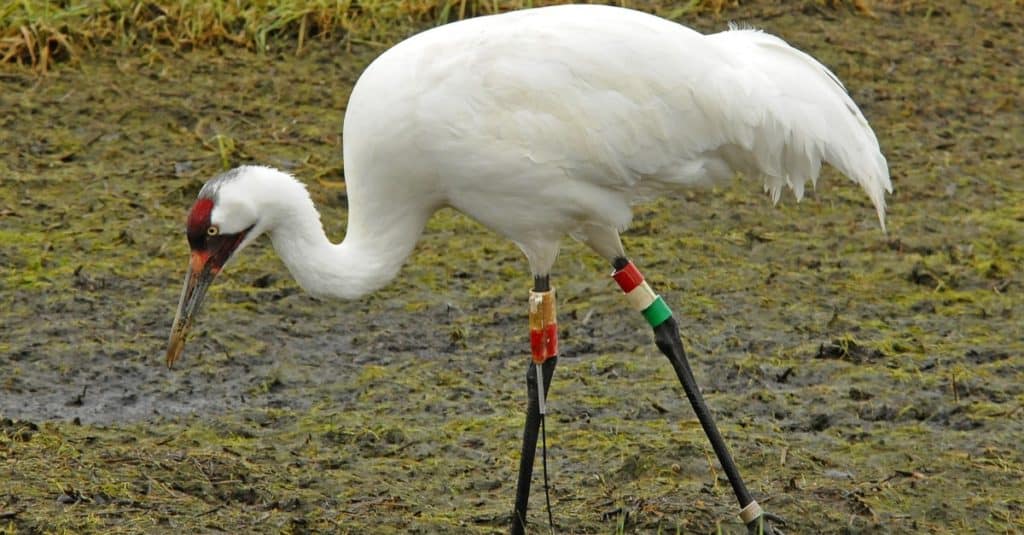
Whooping crane looking for food in a marsh

The Whooping Crane is one of the most sought-after species for birdwatchers due to its rarity.

In the state of Montana, all of the following species are listed as threatened or endangered:

  • Black-footed Ferret – It probably comes as little surprise that the rarest mammal in the whole of North America is endangered.
  • Whooping Crane – These feathered predators are the tallest bird in North America, and migrate through Montana each year in smaller numbers.
  • Pallid Sturgeon – These large prehistoric fish, alive in the time of dinosaurs, are found in the Yellowstone and Missouri rivers, but their numbers are dwindling.
  • White Sturgeon – These fish are predators, once commonly found feeding on smaller fish and crustaceans in the Kootenai River Basin, their only known habitat in the state.
  • Grizzly Bear – Yes, even the state animal has a status of threatened. Human encroachment and habitat loss are the biggest threats to grizzlies.

Montana’s Rarest Animal
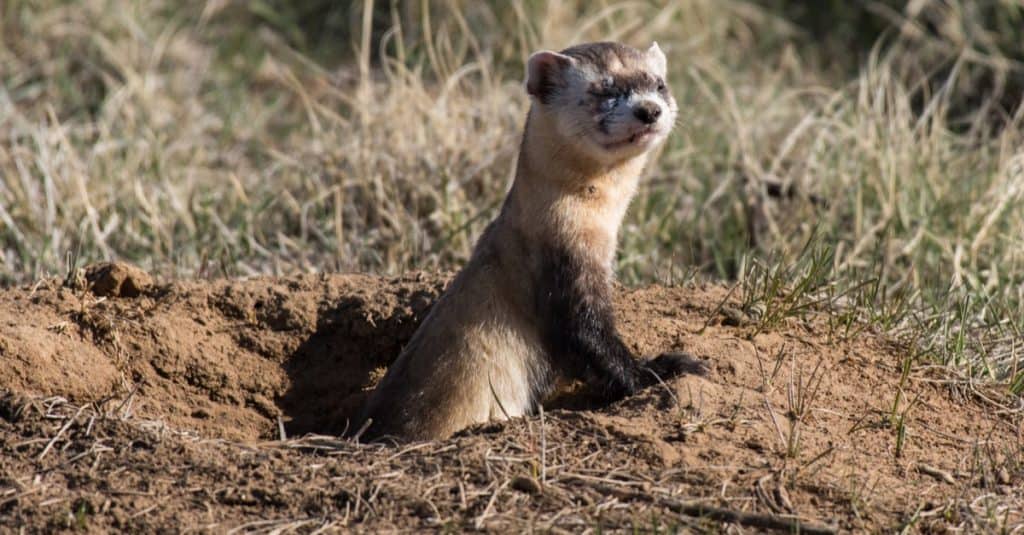
Endangered Black-footed Ferret Enjoying some Sunshine

Black-footed ferrets are Montana’s rarest animal.

Also known as prairie dog hunters or American polecats, the black-footed ferret is the rarest animal in Montana, as well as being the most endangered mammal in the entire United States.

An outbreak of sylvatic plague and steady declines in the wild population of the prairie dogs that serve as these creatures’ primary food source reduced the number of black-footed ferrets to a point where they were declared completely extinct in 1979. However, just two years later a small population was discovered in Wyoming, and through consequent conservation efforts, there are now an estimated 350 individuals in the wild.

Native Plants in Montana
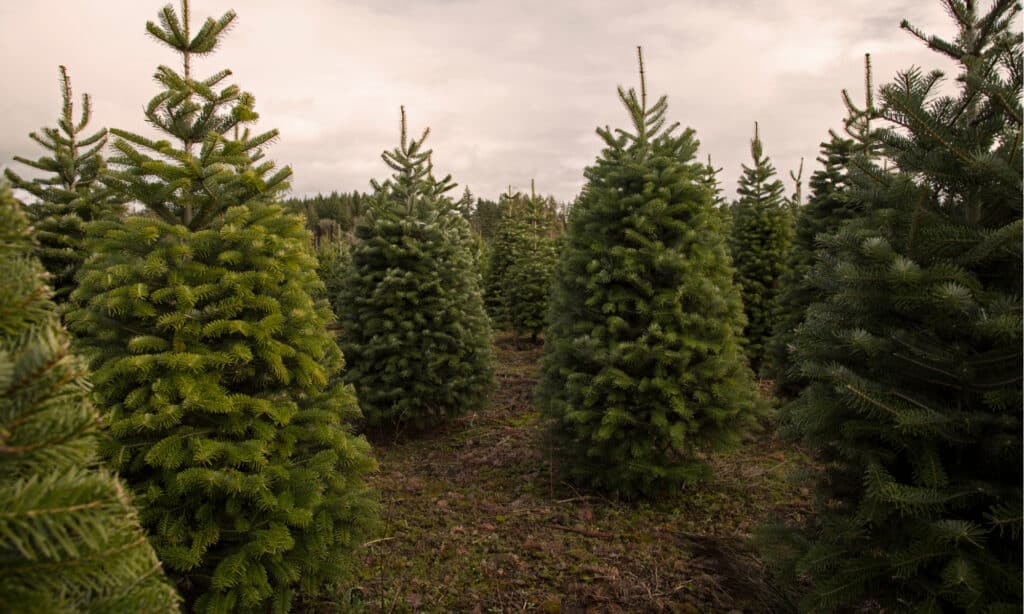
fraser fir vs douglas fir

Douglas firs make popular Christmas trees.

The wild ecosystems of Montana are host to a myriad of unique plant species, and many are native to the state. You’ll find species of each plant type in Montana (trees, shrubs, ferns, grasses, etc.). Some native plants in Montana include ponderosa pine, Douglas fir, and box elder.

Largest Mule Deer Ever Caught

The largest mule deer ever caught in Montana was 207 7/8 inches. The carcass is now owned by the MT Dept. of Fish, Wildlife & Parks and a hunter’s name is not disclosed because it was considered evidence illegally poached.

Read about:

  • extinct animals that lived in Montana.
  • the longest biking trail in Montana.
  • bullsnakes in Montana.
  • the best national parks in Montana.
  • the largest animals in Montana.
  • the most impressive waterfalls in Montana.
  • the best places to camp in Montana.
  • What lives at the bottom of the Berkeley Pit Mine?
  • Discover the Largest American Elk Ever Caught in Montana
  • Discover the Largest Pronghorn Ever Caught in Montana
  • Massive! The Largest Bison Ever Caught in Montana
  • Discover the Montana Town With the State’s Worst Air Quality

Animals Found in Montana

162 species documented in our encyclopedia

Thank you for reading! Have some feedback for us?