
Quick Take
- Social mammals across multiple species appear to follow universal behavioral codes that ensure their daily survival.
- Data from accelerometers reveals movement timelines that create clear constraints on how animals switch actions, forming patterns across species.
- Species across multiple landscapes and environments appear to follow shared behavioral structure, despite their environmental gaps and differences.
- The behaviors of social mammals are in need of further study, as there may be more connections between them than we realize.
Social mammals are wildly diverse, given that they can be found across all habitats and species. However, a new line of research suggests their behavior may have a stronger link than we previously understood. Just how similar are animals that form strong social bonds, and where do their behaviors appear to overlap despite being so different?
Scientists are using AI to translate the movement data from social animals into recognizable states, with current findings suggesting that several social mammals share a repeatable structure in how they switch between their basic actions over time. The internal timing of these animals across multiple species may follow a familiar pattern.
Let’s take an in-depth dive into social animals and the instinctive, universal language they appear to share. Here are three species from the AI study that utilize social codes and communication techniques, as well as other social animals involved in broader behavioral research.
What Counts as a Social Animal
By definition, a social animal is one that regularly lives or travels with or happens to depend on other members of its species for survival, outside of mating encounters. This can include stable groups with long-term bonds, as well as flexible networks that form and split over time.
Social animals are any species that routinely travel together and rely on one another for their survival.
©iStock.com/Cloudtail_the_Snow_Leopard
What truly helps qualify a social species is their repeated social contact, a contact that directly influences their chances of daily survival. These animal individuals have to coordinate their movements, share information, negotiate access and rank within their social structure, and adjust their behavior based on what the rest of their group is doing. No matter how far apart they may roam for food access or other reasons, these animals are still operating inside their unique social systems.
What Is a Universal Behavioral Code?
Animal behavior follows a sort of code or set of decisive actions, with these actions often occurring in distinct blocks of time. This may sound abstract, so here’s how researchers discuss animal behaviors in their species using clearer examples:
- Behavior happens in what are known as bouts, but not every day looks the same to any given animal. Animals cycle through uneven stretches of travel, pauses, scanning, feeding, and rest.
- The longer an animal appears to stay in one of these mode, the less likely it is to drop it immediately, as switching tasks has costs and staying put in one action helps save energy.
- What an animal is doing right now can strongly predict what happens in the next few minutes, but it says less about what will happen an hour later. The more time that passes, the more unpredictable their social behavior becomes.
- Many bouts are brief, but longer stretches of behavior show up more often than random behavior switches, given the energy cost and social politics involved.

The AI data gathered from multiple social animal species points to their shared behaviors.
©PeopleImages.com – Yuri A/Shutterstock.com
The scientific claim uncovered using AI research is this: the timing of behavior looks strikingly similar across multiple social mammals, even hinting at shared constraints in how mammalian brains manage decisions in their environments.
How AI Translates Animal Movement Into Behavior
Though you can’t ask an animal what it’s doing, their movement patterns can inform you. Accelerometers and research utilizing this tool were used in this study, capturing patterns that often line up with common social animal behaviors.
Machine-learning or AI tools label those signals as behavioral states, turning movement into a readable timeline of actions, according to the aforementioned study. Once a movement timeline is established, researchers can ask if different mammals utilize bouts of time in their lives in the same way, across species.
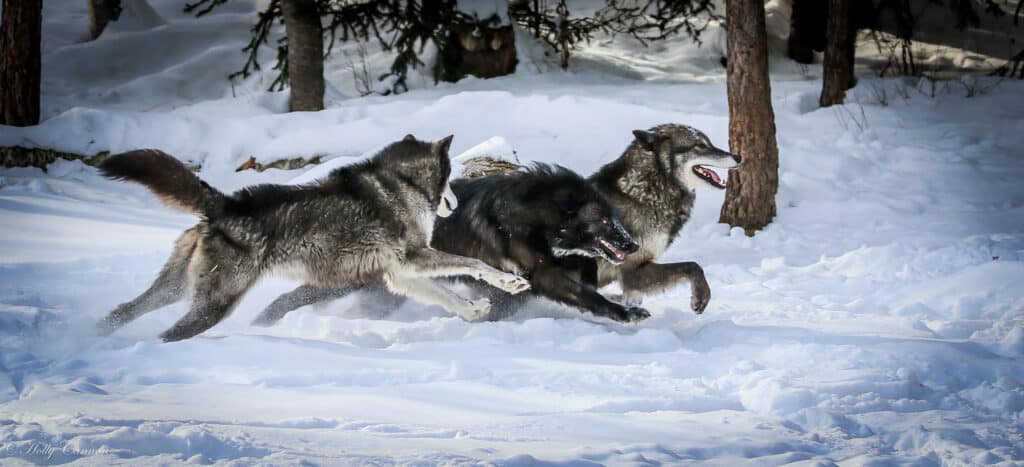
AI research suggests social animals have similarities in their movement patterns.
©Holly S Cannon/Shutterstock.com
Using this AI research, here are the social animal species that were involved in the study, as well as other species that appear to utilize similar behavioral constructs within their social groups.
Meerkat
Meerkats are often described as tiny sentries, but their social life is so much bigger than their vital lookout duties. A typical meerkat day is a loop of cooperative movement rooted in constant risk assessment. As the majority of a meerkat group spreads out to forage, other individuals pause to scan the area for dangers, with sentinels taking elevated positions while other meerkats feed.
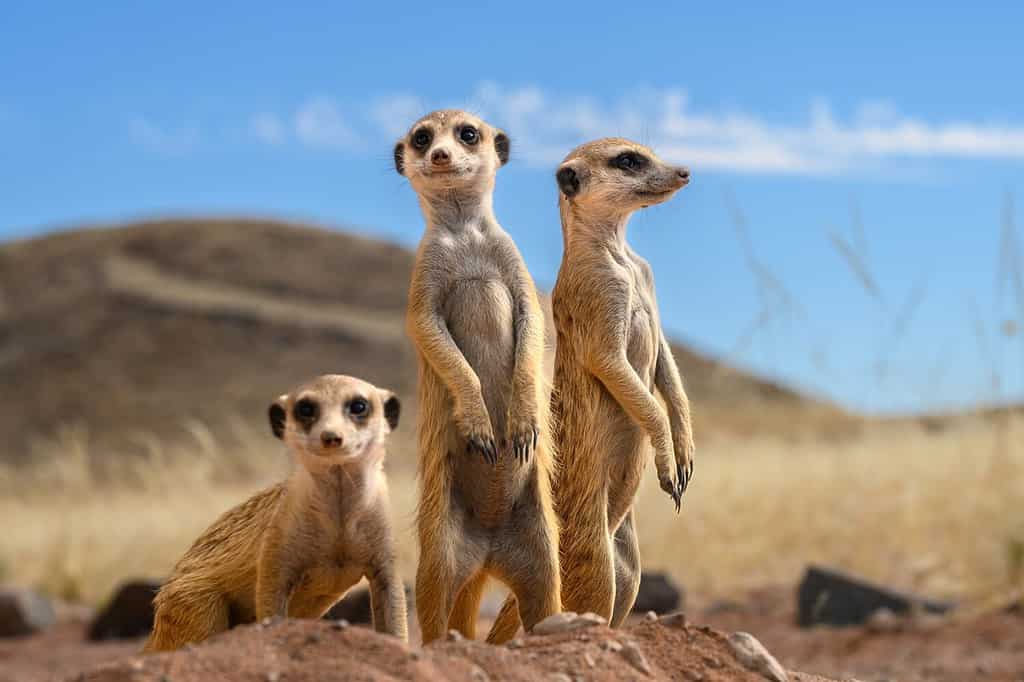
One of the most obvious social mammals is the meerkat, as they have intricate social structures.
©Ward Poppe/Shutterstock.com
Meerkats are ideal for this social study, as their universal code is easy to observe. Their actions come in repeatable and consistent bursts: scanning happens in short bouts, while foraging is rarely an uninterrupted task, as digging, moving, listening, and pausing are constantly being employed.
A meerkat’s social life adds another bout to the mix, with the subtle pressure to stay with the group influencing individuals at every turn. The meerkat world involves frequent activity switching, but it still has a clustered structure of behaviors that every meerkat is aware of.
White-Nosed Coati
White-nosed coatis are social in a different way from meerkats, despite the fact that they often travel in similar familial groups, moving through forests and sniffing, climbing, rummaging, and pivoting as they search for food.
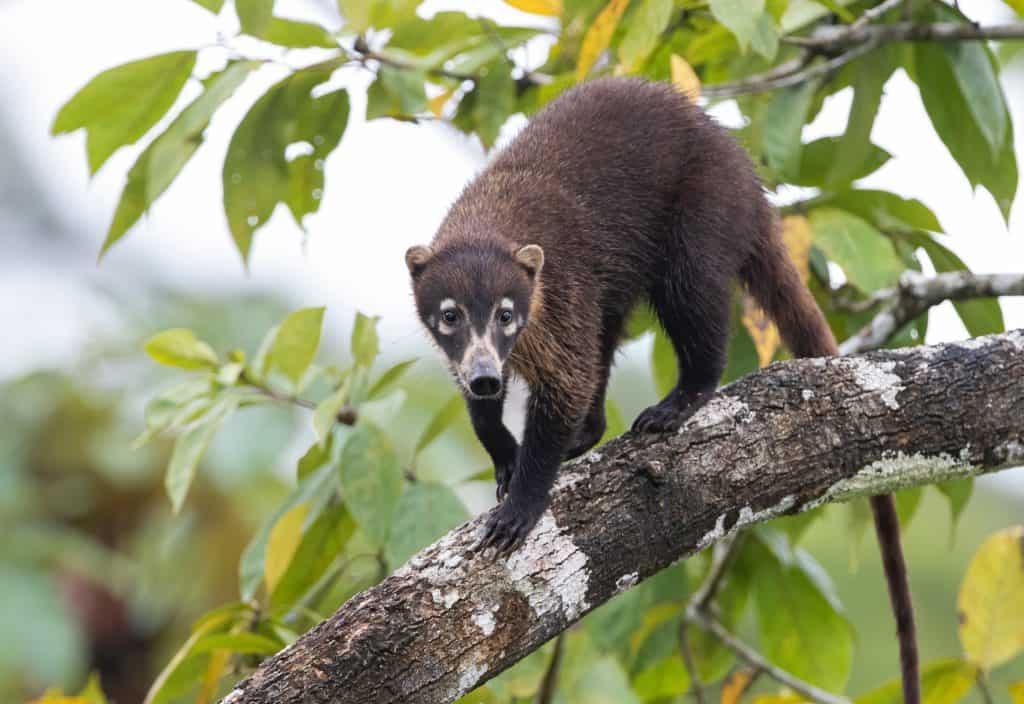
Coatis explore trees and forests together, using group cohesion to stay connected.
©Jim Cumming/Shutterstock.com
The white-nosed coati’s foraging style is entirely opportunistic. They work an area of forest before opting to travel, investigating new scents through climbing and ample searching. Group cohesion is a fascinating study in this animal species, as individuals adjust their pace to stay connected, with movements synchronizing as the band shifts direction.
Spotted Hyena
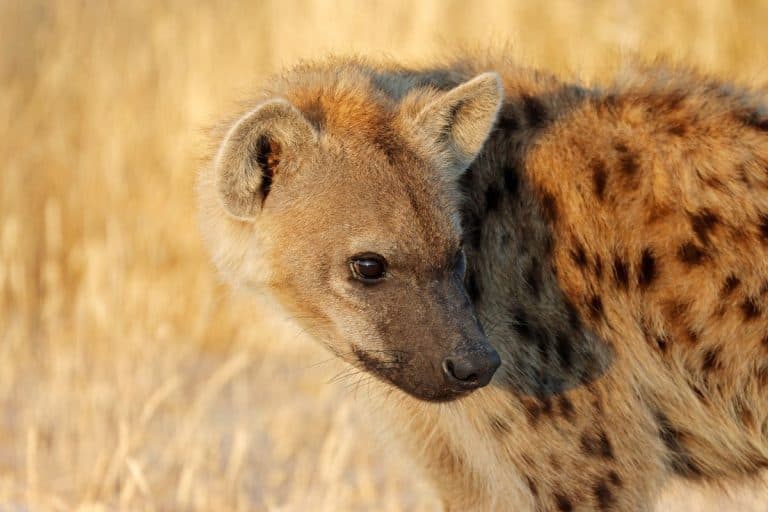
Another animal that uses coordination within their pack is the spotted hyena. They live inside a social world that involves the sudden arrival of high-stakes situations, including long-distance travel, scavenging, hunting, tense negotiations at carcasses, and a constant background of pack politics.
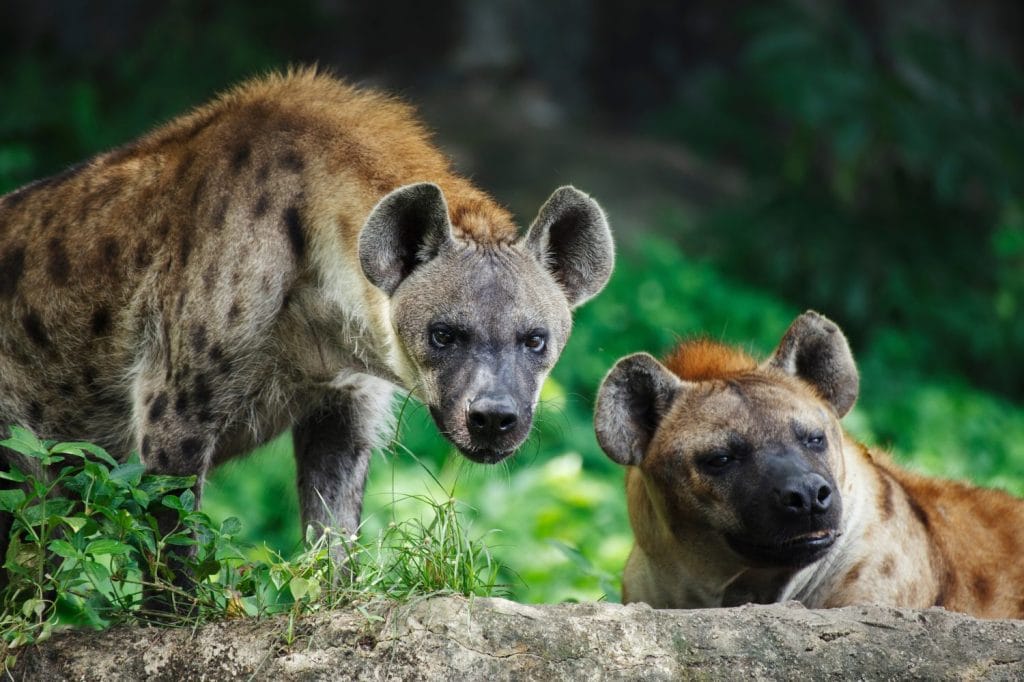
The way hyenas rely on one another to travel and feed is a fascinating study.
©Gumpanat/Shutterstock.com
Hyenas must feed themselves, but they also must accomplish this while moving through socially stressful moments, where any timing missteps or misreads can carry consequences. Their movement also spans huge scales, with bursts of activity embedded inside long ranging travels across any given territory, with their social groups most often congregating around food.
Gray Wolf
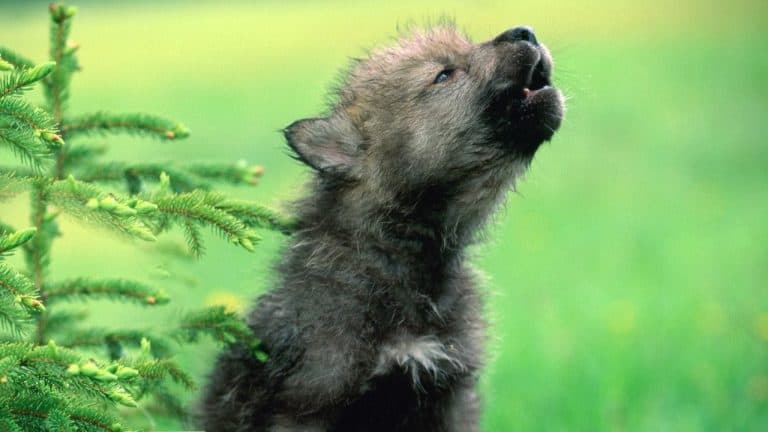
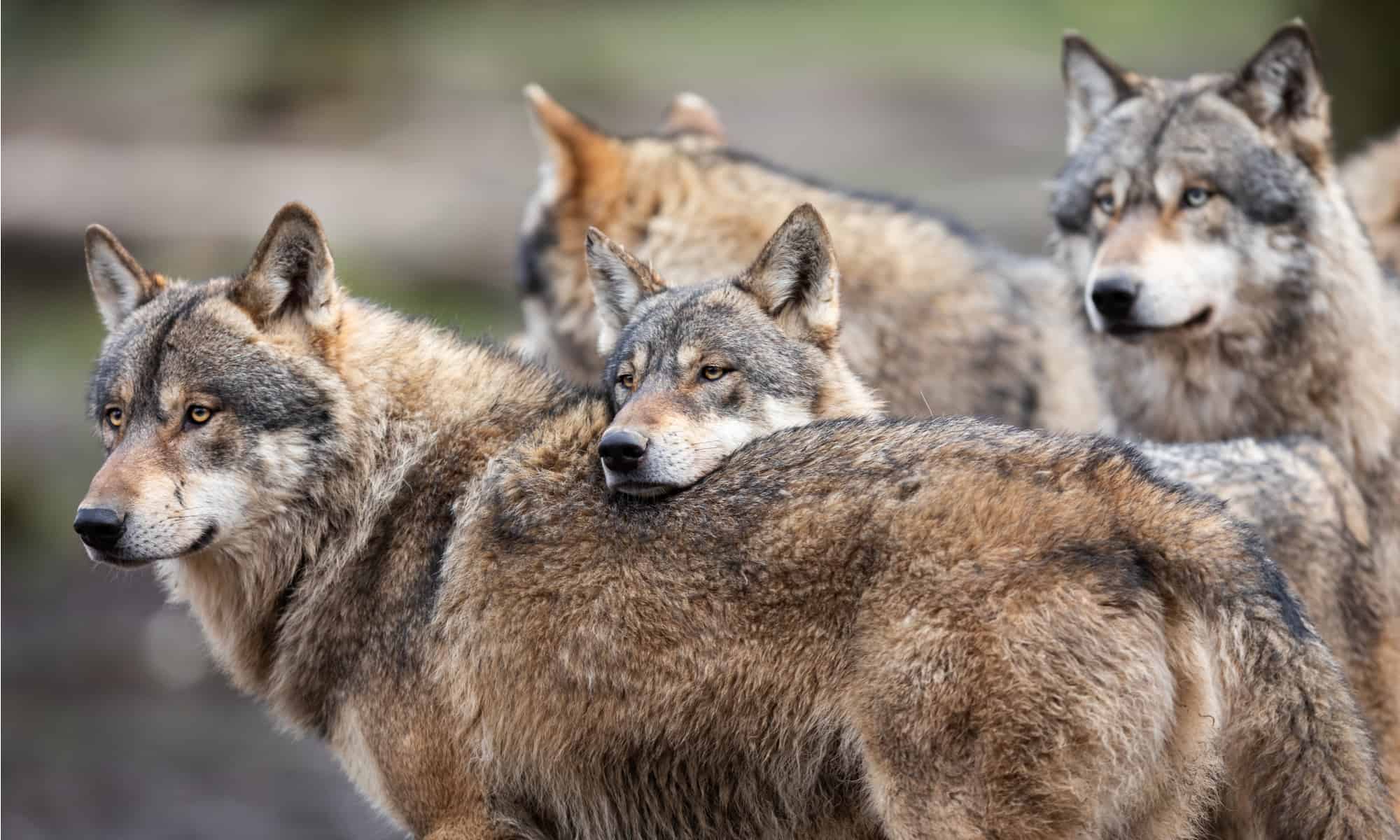
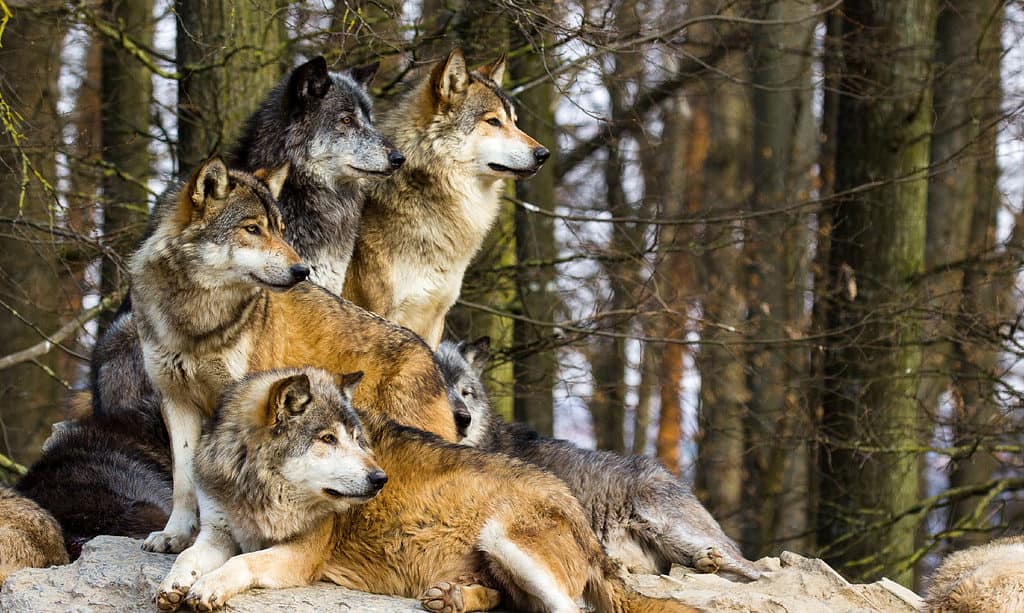
Most people know that wolves are built around pack coordination and hierarchy. Even when they aren’t hunting, they move with intentional group awareness, tracking each other’s positions, scent-marking, pausing to listen, and adjusting direction all together.
The social movement timing of wolves often falls into larger phases or bouts: resting and social bonding at a rendezvous site, purposeful travel, exploratory scouting, and short, intense bursts of pursuit and positioning when any prey is found.
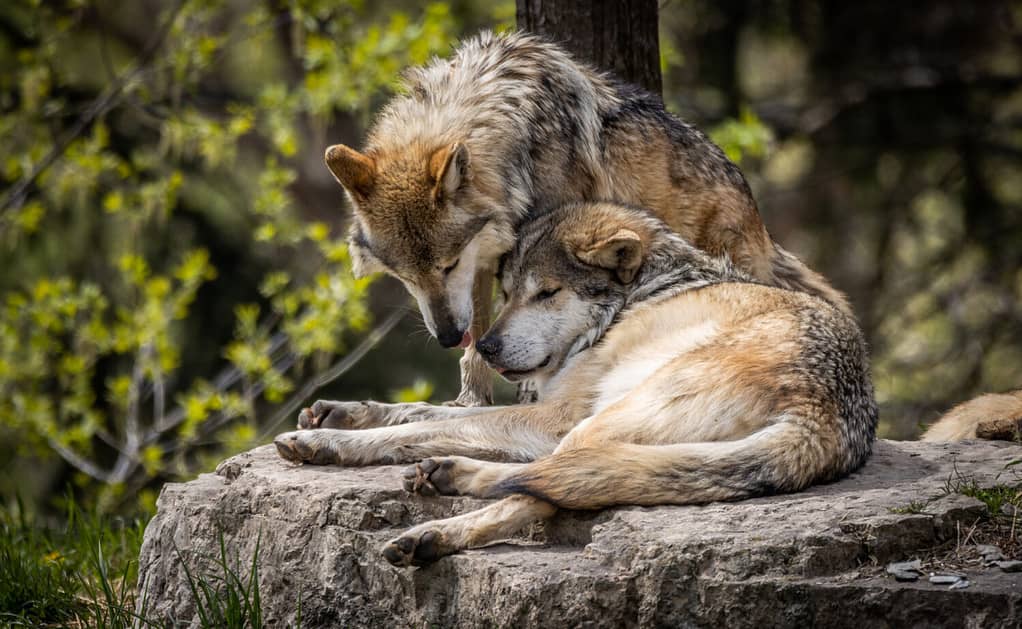
Wolves form intricate relationships and movement patterns within their packs.
©Luke23/Shutterstock.com
Pack life also adds rules that shape a pack’s entire timing. Efficient hunting and traveling won’t work if individuals constantly flip their behavior and modes without warning, as the pack’s advantage is rooted in collective movement with shared intent, an intent that will benefit the whole rather than the individual.
African Elephant
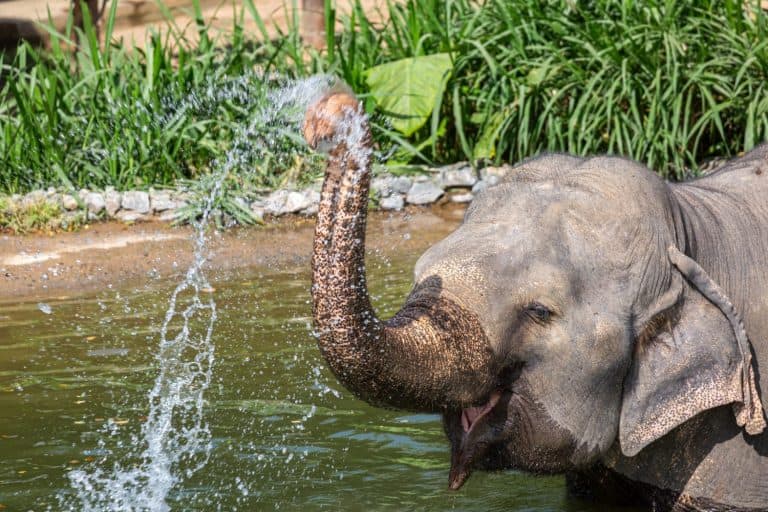
While elephants are slow-moving and don’t appear to be making many obvious decisions in their social group, they actually operate on memory-driven movement. This can involve returning to known water sources, responding to seasonal shifts, recalling and reuniting with others of their herd, and rerouting their daily paths based on risk and human presence.
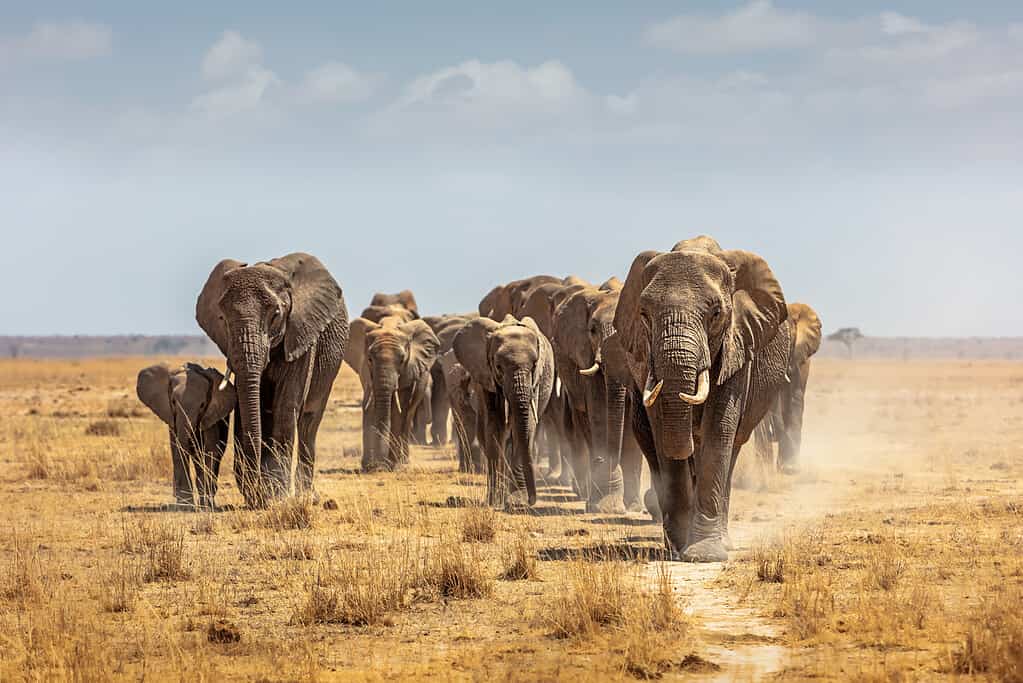
The social structure of elephant herds are rooted in their long and accurate memories.
©adogslifephoto/ via Getty Images
Elephant societies appear to contain constant micro-decisions, decisions that combine into larger bouts of behaviors. When elephants commit to travel, they tend to stick to travel. When they settle into feeding, they can consume for a long time. And their social communication is constant, especially once a given group settles into a particular phase or behavior set.
Bottlenose Dolphin
Dolphins operate in a different medium from all of our previous social animals, but the idea of behavioral bouts still fits. Their lives are organized around coordinated travel, group foraging strategies, social play, resting behaviors, synchronized movement, and frequent surfacing cycles, making their modes more complicated than other species.
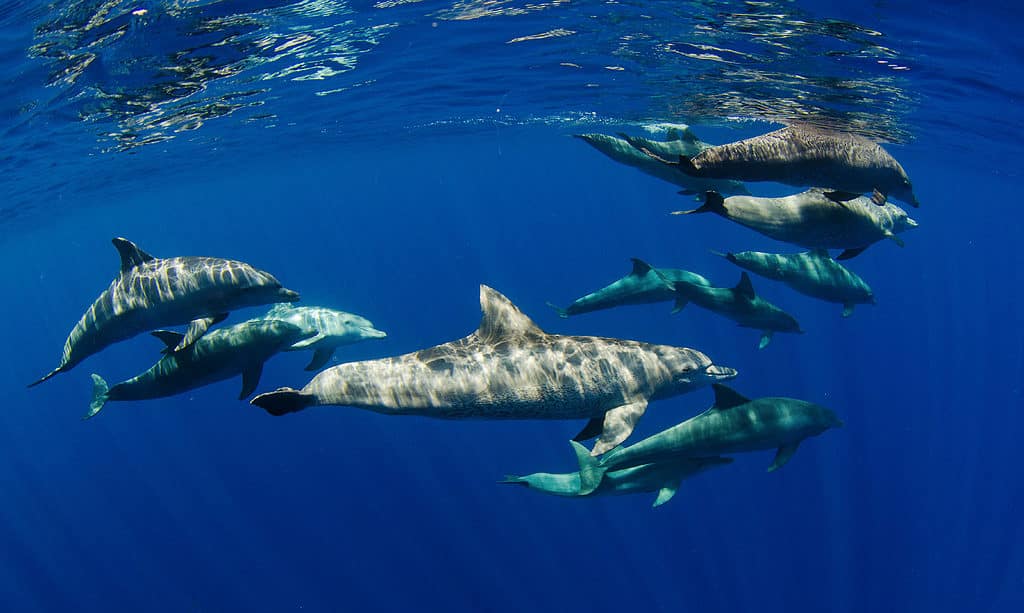
Coordination is a must between bottlenose dolphins, as their groups are synchronized for their own safety.
©Joost van Uffelen/Shutterstock.com
Decision-making in a pod of dolphins often shows up through coordinated shifts. A group tightens formation, changes speed, switches from travel to foraging, or splits into smaller subgroups, only to later reunite safely. Even when individuals seem headstrong, dolphins often mirror and synchronize, which naturally produces bouts that persist and transitions that happen in a shared structure.
Dolphins are ultimately one of the most important social mammals in this study, as their structures are still remarkably similar to the structures built by land mammals.
Chimpanzee
Chimpanzees live their social lives through multiple types of behaviors, including foraging, resting, traveling, grooming, conflict, coalition building, and constant negotiation of rank and relationship.
Even with all that flexibility and so many social options, a chimp’s daily behavior still comes in phases. Grooming sessions have a stark beginning and end. Travel tends to persist once a direction is chosen, and even feeding becomes its own sustained social mode.
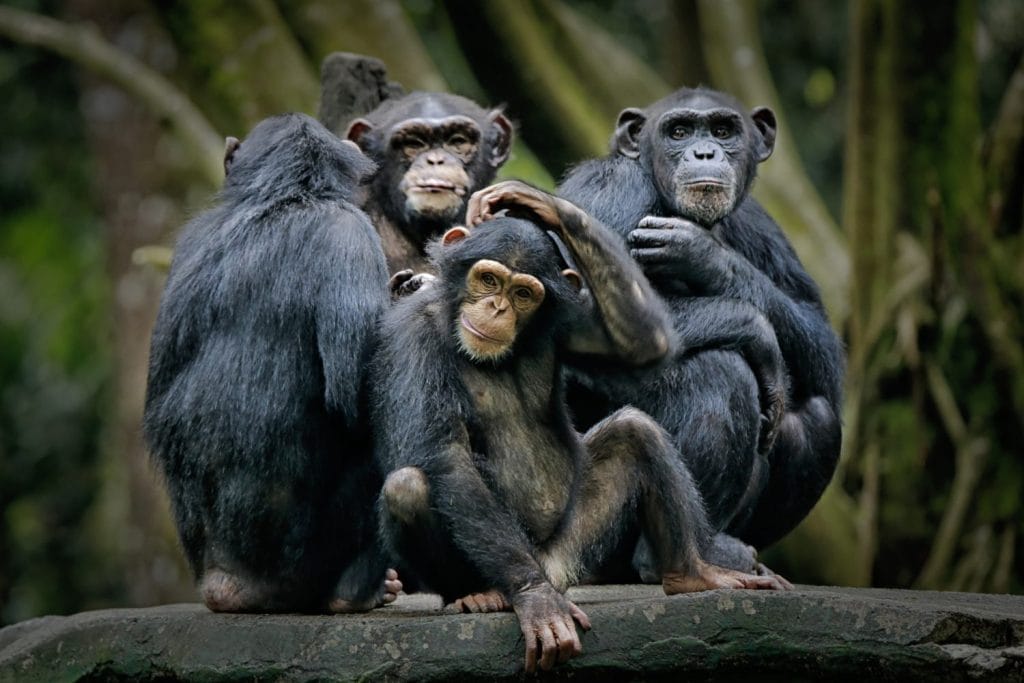
The social bouts of chimps are affected by group tension or potential threats.
©Ari Wid/Shutterstock.com
Plus, the overall social tension can shift the group toward alertness, increased spacing, or silence, with behavior settling into a new pattern once the tension is relieved. Ultimately, two chimps can make different choices in the same situation, but the overall organization of their persistent states and meaningful transitions still follows shared constraints.
Why These Species Can Look Different, But Still Share Structure
While it may not seem realistic to say these animals operate in similar social ways, given just how different they appear on the surface, this study linked the same pressures to each species, including:
- Energy budgeting. Switching behaviors has its costs, which is why persistence can be the most efficient option for these animals.
- Risk management. Vigilance and awareness in each of these species often spike whenever danger is more likely.
- Social coordination. Groups don’t function well if everyone changes modes unpredictably, which is why cohesion is a must in these animals.
- Changing environments. All of these animals face natural changes to their environment, whether it be group dynamics, food availability, the weather, or other immediate threats.
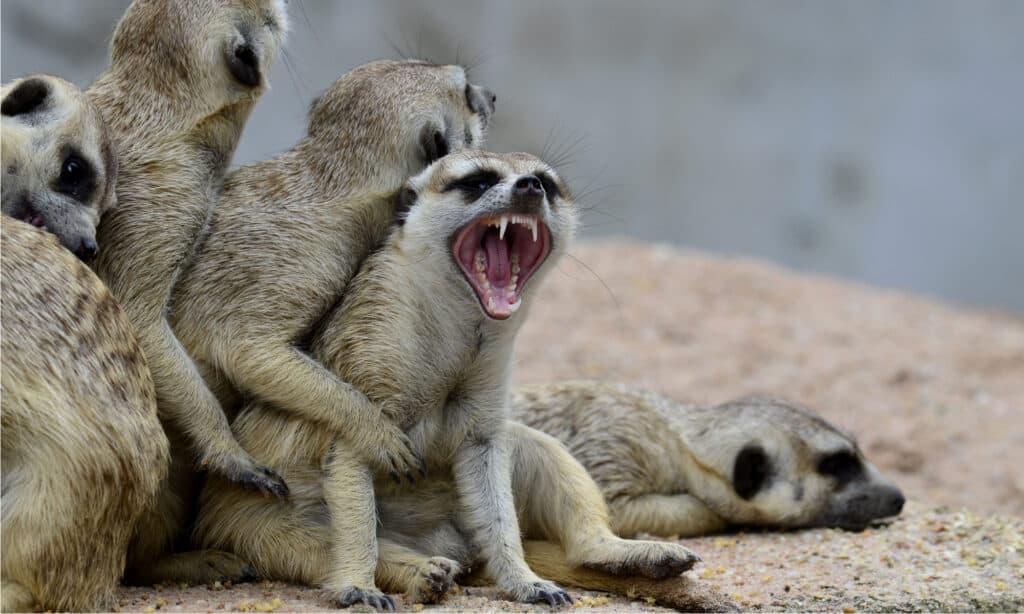
Every social mammal must stay aware of the changes in their environment, keeping the group informed.
©Super Prin/Shutterstock.com
This is ultimately how all of these social animals overlap. They need one another to survive the basic pressures of life, and coordination within their social groups is a must for their survival.
Social Animals Are a Vital Point of Study
This AI study further proves that mammalian life can be complex in ways we are only beginning to understand, and that complexity may repeat in recognizable ways, across multiple species.
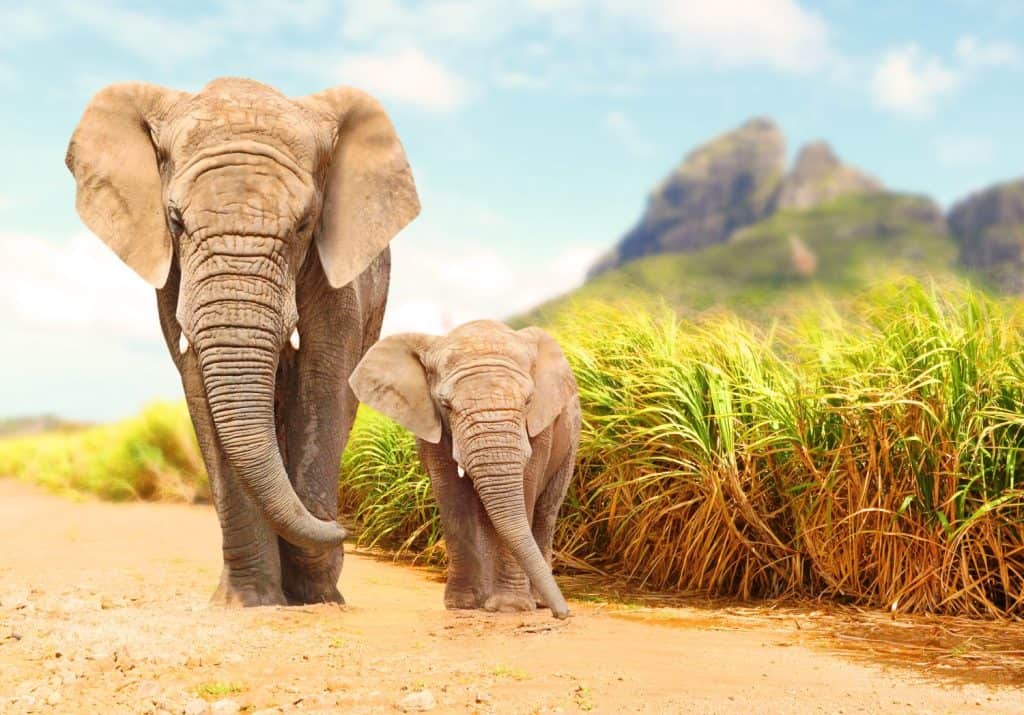
There is still a great deal to learn from social mammals, across all species and landscapes.
©Kletr/Shutterstock.com
Across social mammals, their daily behavior often organizes into bouts that both persist and shift when necessary. One of the most common threads in mammalian cognition may be shaped by evolution and amplified by their social lives, and it is also a thread that inexplicably perseveres across land and sea.