
Quick Take
- Habits are widely seen as mindless and rigid, yet a new study argues they're actually the opposite of what most people think. See the common misconception →
- Every time an animal searches for food, it faces a hidden life-or-death trade-off. Forming a habit is one way to escape it. Explore the survival trade-off →
- Virtual animals in the study that never broke their habits dramatically outlasted those that kept exploring, though this held true only under one specific condition. See the one key condition →
- Researchers think the findings extend well beyond the animal kingdom and into decisions you make every day. Explore the broader implications →
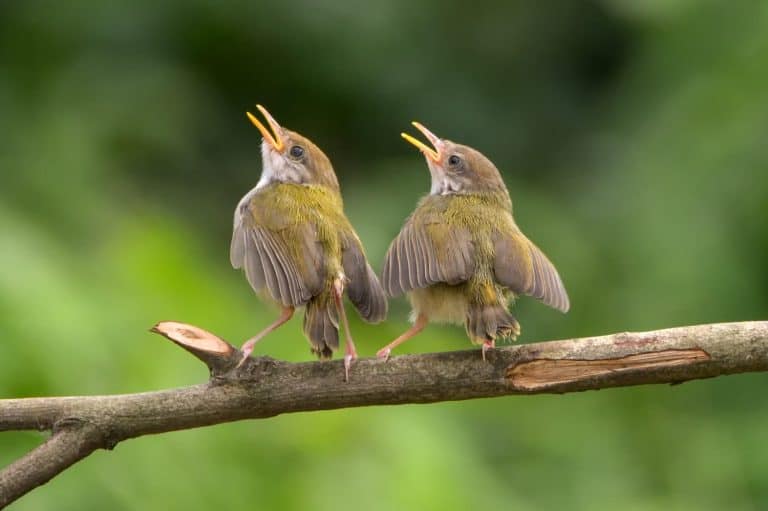
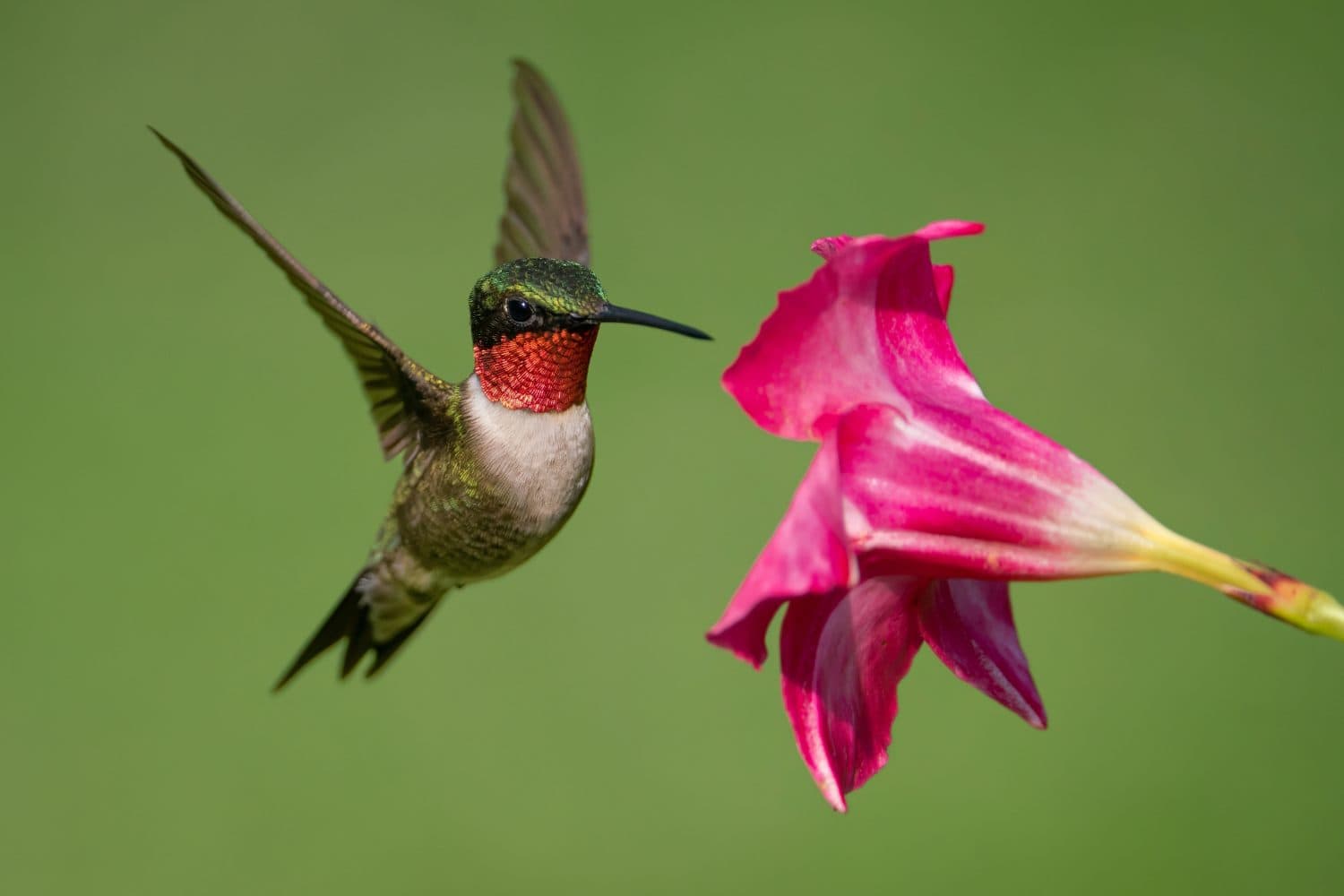
I have a porterweed plant in a pot on my patio. I can see it from my kitchen window. Each morning, a ruby-throated hummingbird visits the plant to feed on the pretty purple blooms. It’s a daily thing that appears to be part of the hummingbird’s morning routine. I make coffee, and it grabs breakfast. We both have our morning habits.
But what if the hummingbird’s habit is about more than just returning to a reliable source for breakfast?
A new study published in Evolution Letters suggests that the hummingbird’s habit is not a sign of a lazy brain. Instead, it could be a clever way for animals to conserve mental energy for something more important: watching for predators.
What the Study Found
Researchers from Stockholm University, the University of Exeter, Humboldt University Berlin, and the University of Bristol built a computer model that replicated animals foraging for food. The simulation focused on animal behavior changes as environments evolve over time.
A key limitation of the study is that researchers did not use any actual animals; instead, they relied solely on data from computer models to draw their conclusions.
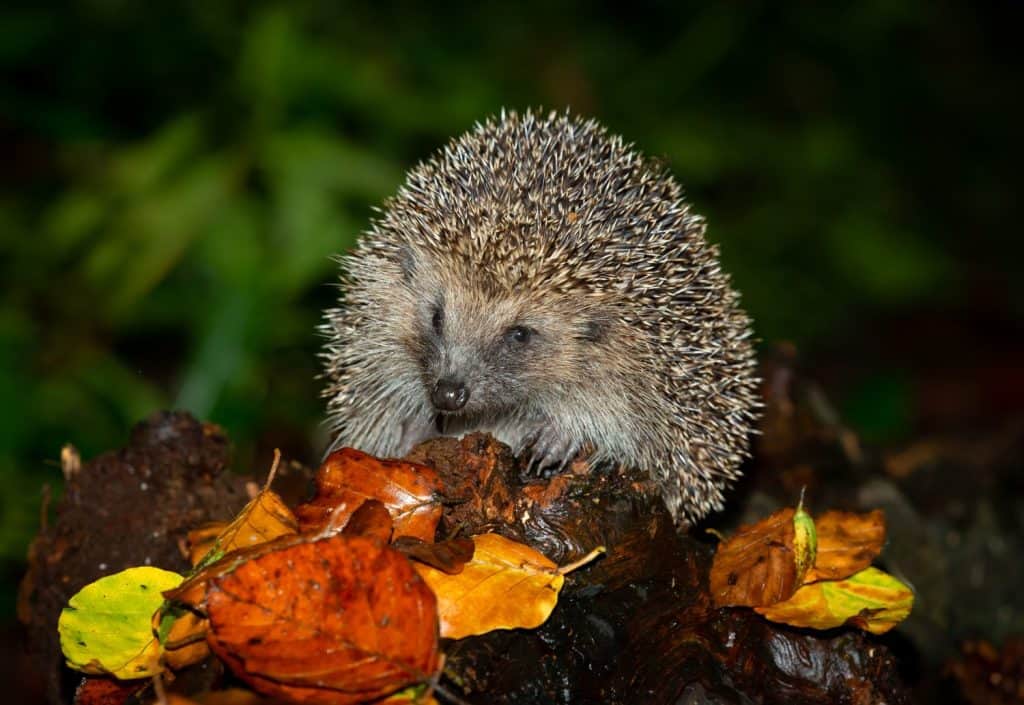
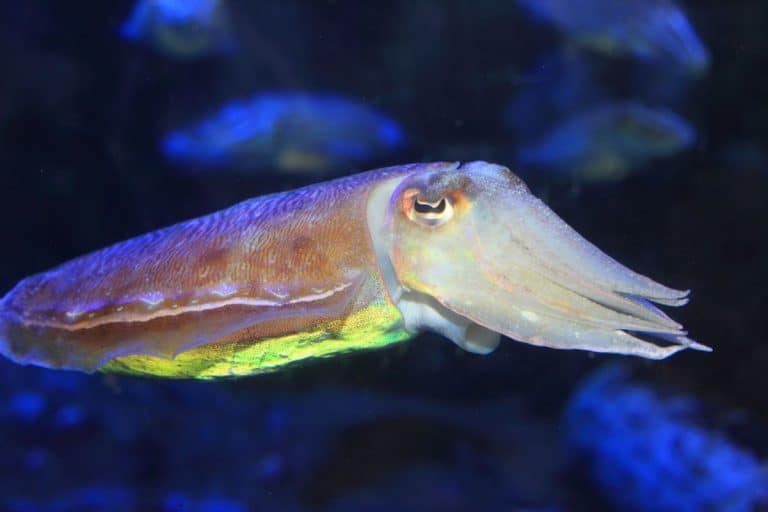
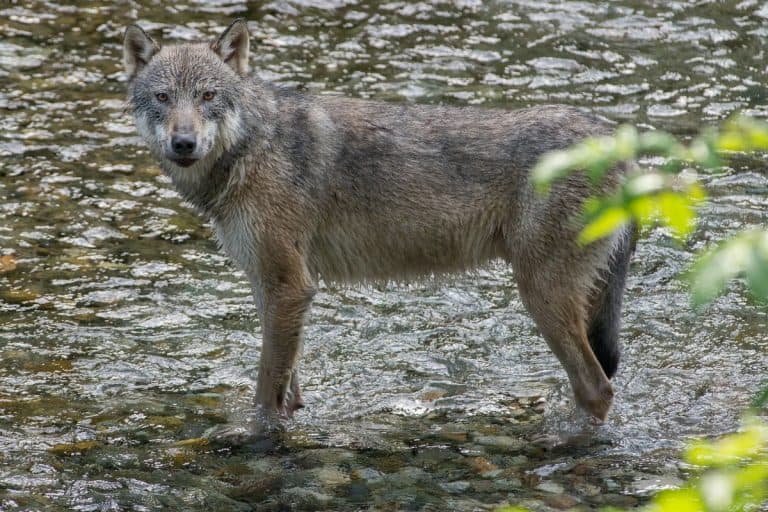
The study did not use actual animals, but instead relied on computer models to simulate foraging across a variety of species.
©Serenity Images23/Shutterstock.com
The model presented the virtual animals with a variety of food options but did not indicate which food source was superior. The virtual animals had to determine their preferences by exploring and testing each option.
Once the animals identified a preferred option and repeatedly returned to it, this behavior was classified as a habit. Similar to the hummingbird on my patio, the virtual animals continued returning to the same food source until their environment changed. When this happened, their habit was broken, and they had to start over—exploring new environments, new food sources, and forming new habits.
Olof Leimar, lead author of the study and professor emeritus at Stockholm University, said in the press release announcing the study, “We often think of habits as inflexible. Our results show that the ability to form and break habits is actually a powerful form of behavioral flexibility. Such a balance between exploration and habit can reduce the risk of being killed by predators, without the animals getting significantly less food.”
How People Usually View Habits
This observation flies in the face of how most people view habits. We often think of them as rigid, mindless behavior. Wake up, go to the kitchen, make coffee. When viewed that way, habits are the opposite of smart decision-making that requires thought.
Habits Are a Trade-Off In the Animal World
This new study pushes back on that idea. Researchers believe that habits are actually a flexible tool that animals switch on and off as their needs change. They find a solution that works and follow it to free up brainpower for other important tasks—like avoiding predators. When their environments change, their old habits are discarded, and they make new ones.

Animals form feeding habits as a way to free up brainpower to stay alert for predators, the study found.
Although exploring may lead to better food options, it diverts the animal’s attention from potential threats. While searching, they are less able to remain vigilant for danger. The study suggests that maintaining a learned habit for as long as possible enables animals to stay alert to external threats.
The numbers support this finding. In over 1,000 study trials, virtual animals that focused solely on food foraging and never developed habits survived about 62 percent of the time. In contrast, those that formed and maintained habits survived about 85 percent of the time.
Habits Are Environment-Dependent
The study showed that animal habits were most effective when the environment remained static. When it changed, such as a new season or a new location, it triggered animals to discard old habits and form new ones. They had to start exploring again to find the best and most reliable food source.
The availability of steady food sources also impacted habit formation. The study results showed that forming a habit took about three times longer when food rewards were inconsistent. That’s probably why my patio hummingbird has been around so long. The potted porterweed is in the same protected spot day in and day out, blooming consistently.
The study also found that if the environment changes too often or too fast, animal habits stop being useful at all.
Why Does All This Matter?
The study reframes habits as more than just a mental shortcut. It suggests that habit formation is an evolved survival strategy. The findings have broad implications.
The study intentionally did not focus on a single species or group of species. Instead, its findings addressed general foraging behaviors observed across the animal kingdom. The researchers even believe their findings could go beyond animals and into the realm of human decision-making.
“Knowing when to explore and when to rely on a habit may be a fundamental part of how animals adapt their behaviour,” Olof Leimar said in the press release.