
Quick Take
- Legal hunting operates under regulated seasons, tag types, weapon rules, and mandatory reporting to keep opportunities enforceable and measurable.
- Controlled hunts limit harvest through species-specific tags, preventing overhunting and maintaining wildlife populations.
- Seasons change annually based on population data and real-time conditions, not the same dates every year.
- Funding source reveals which taxes fund wildlife restoration; read on to discover their exact scope and allocations.
Non-hunters tend to imagine legal hunting in a very different light compared to those familiar with this sport. If you’re unfamiliar with hunting, you may think all that’s involved is buying a license, going out whenever you like, and shooting what you see using whichever weapon you prefer. However, modern hunting doesn’t work like that.
Hunting is an intricately regulated harvest system built around dates, places, tag types, weapon rules, and hard limits that are designed to be enforceable and measurable. And these rules aren’t meant to rain on any hunter’s parade. Wildlife agencies track hunting outcomes and adjust these opportunities over time, using harvest reports and other field data.
What do non-hunters get wrong about legal hunting? We’ve broken down some of the most common misconceptions surrounding this activity, including what the average person may assume and what the truth actually is. Let’s dig into the realities of hunting and what non-hunters often get wrong, using hunting rules from my home state of Oregon as guidance.

Misconception: Legal Hunting Isn’t Actually Regulated
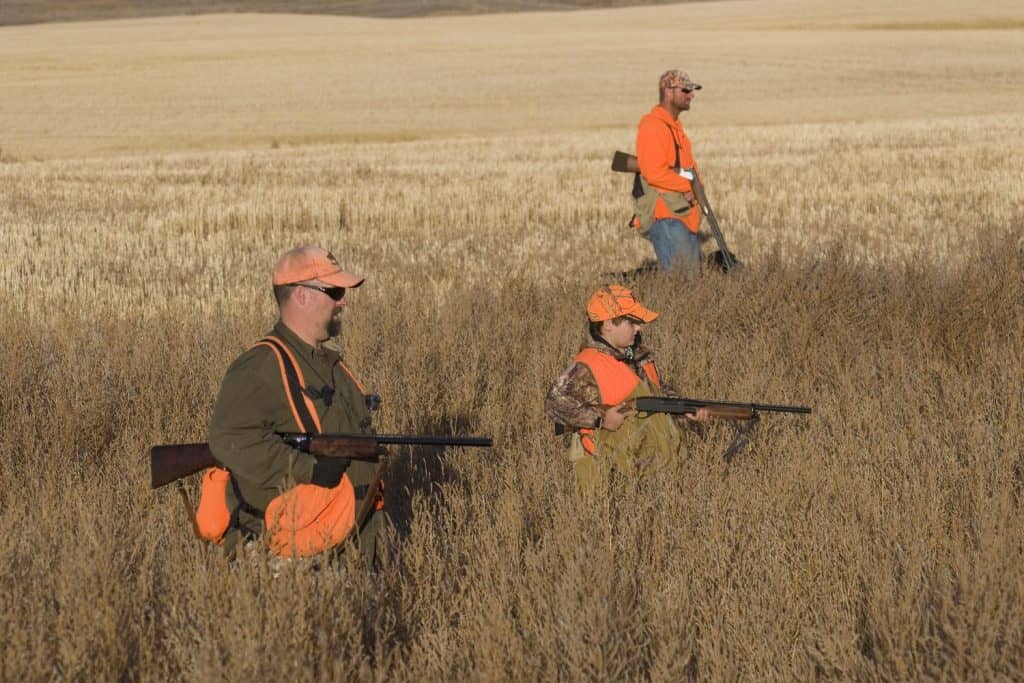
Hunting is a regulated sport, not something you can do whenever you want, however you want.
©Steve Oehlenschlager/Shutterstock.com
A common mistake many non-hunters believe is that legal hunting isn’t truly regulated. However, legal hunting is heavily regulated, monitored, and controlled.
Oregon’s hunting resources spell out that big game opportunity in this state runs through either general seasons or controlled hunts. These categories come with different tag access, timing, and additional constraints. Plus, separate rules then determine what’s legal for that specific hunt, based on your hunting unit/area, dates, weapon type, and what animal qualifies during this time.
Reporting is also required and must be involved to keep things legal. This is even true for e-taggers, as it is designed to distinguish tag validation from any separate information collected for harvest statistics.
Misconception: Overhunting Is Inevitable
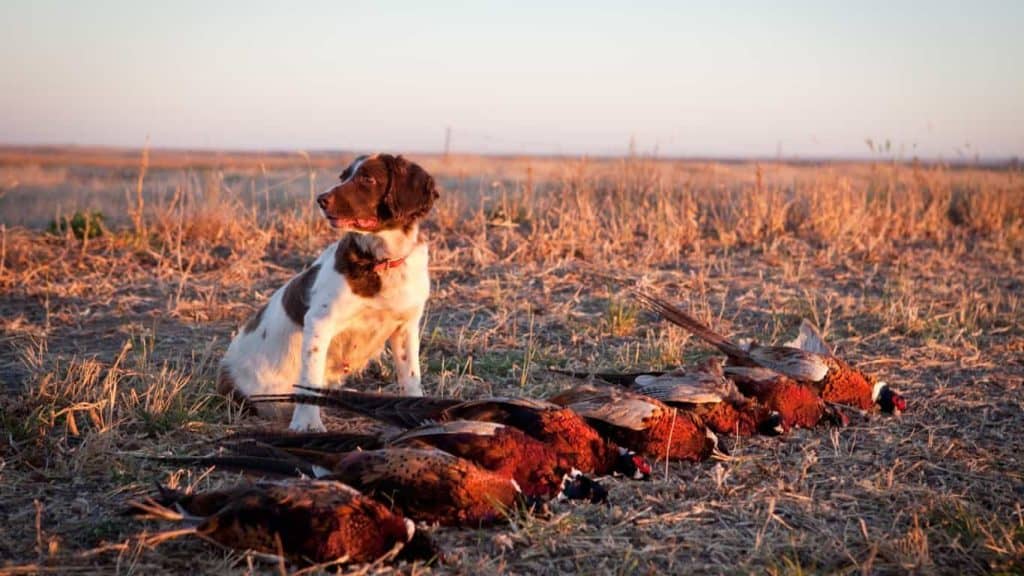
You cannot simply take as many animals as you want during a hunting season.
©clumpner / iStock via Getty Images
Non-hunters may assume that overhunting is an inevitable outcome of hunting. Because, if hunting exists, animal populations must be at risk, right? The truth is that regulated hunting is designed to avoid that exact outcome.
The Oregon Department of Fish & Wildlife’s (ODFW) controlled hunt information explains that controlled hunts are organized by species and location, identified by hunt numbers, and that tags commonly run out after early choice rounds. This essentially means that harvest or hunting opportunities are intentionally limited before the season even starts.
Tag numbers are set for a reason, to protect species. These protections grow more complicated depending on the state and specific animal. The more delicate the ecosystem, the more precise tag numbers must be to keep the hunted species thriving.
Hunting outcome data and statistics are used to inform decisions in states year after year. These experts and wildlife agencies don’t manage hunting seasons on assumptions. Participation and reported harvest numbers allow them to adjust opportunities when the data support it, keeping wildlife numbers stable while still allowing for sport.
Misconception: Seasons Are Traditionally During the Same Time Every Year

Hunting seasons change annually based on animal population numbers and prior data.
©cathrinewalters / iStock via Getty Images
Non-hunters may assume that hunting seasons are general timeframes rather than a specific, highly researched period. In fact, agencies treat season timing as a vital management tool.
Rather than harvest being open-ended and potentially uncontrolled, distinct season dates are set depending on hunt type and population numbers of specific species. This timing is used to shape hunting outcomes, aligning harvest numbers with set management goals.
Reports for current conditions and seasons exist in just about every state, but especially Oregon, proving that hunting is managed in real time, not treated as a fixed, once-a-year tradition. In practice, wildlife agencies are constantly communicating conditions and making sure hunters are looking at the current guidance so that all rules are followed to the letter.
Misconception: Limits Are Optional
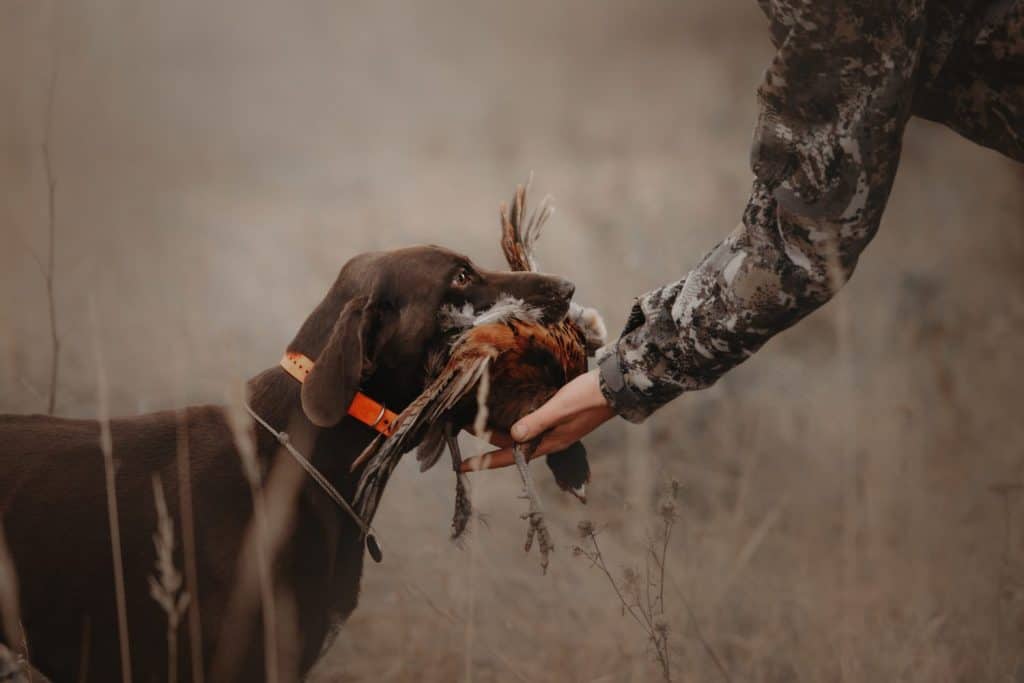
Every hunter has specific limits as to how much they can take during a given season.
©Ksenia Raykova/Shutterstock.com
Another frequent misunderstanding non-hunters have about hunting is that bag limits are suggestions and enforcement is rare. In regulated hunting, limits are vital and legal take amounts must be followed, lest fines occur.
For example, Oregon’s official regulations are published publicly each year, and controlled hunts are also tracked so that officers can enforce these rules and managers can measure what hunting has actually occurred.
Ultimately, limits are not a suggestion. They’re how wildlife officials keep harvests aligned with sustainable populations, protecting both species and this iconic sport for the long haul.
Misconception: Agencies Have No Idea What Hunters Take
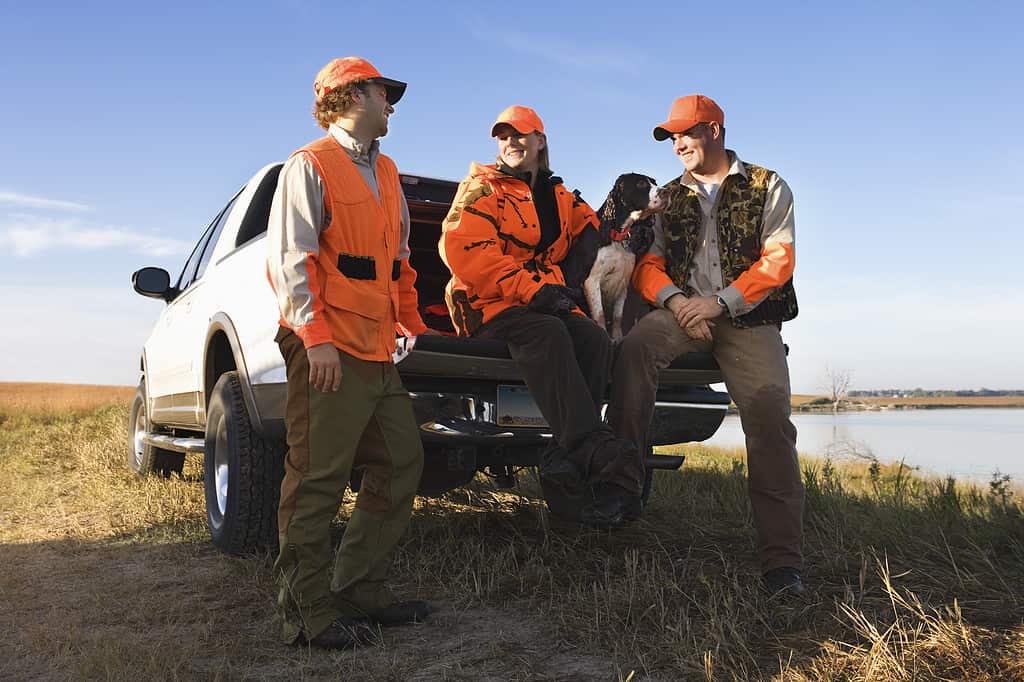
Wildlife agencies are aware of what hunters take, as hunters must report this information.
©© Getty Images/Stockbyte via Getty Images
Similarly to the previous misconception, legal harvest and illegal take may be easily confused by non-hunters. In fact, wildlife agencies collect detailed data on legal hunting activity each season, including information on the size, age, and sex of animals reported by hunters, though this data may not capture every instance due to noncompliance or illegal take.
Oregon and many other state resources explicitly say that harvest statistics are captured separately from tag validations, which is why mandatory reporting requires additional information. This information is used to build harvest datasets, helping to keep legal hunting manageable and controlled.
Plus, most of this information is listed publicly so anyone, not just hunters, can see how different hunts perform over time. Transparency between both hunter and wildlife agency is a must to ensure this system works as intended.
Misconception: Hunting Doesn’t Contribute to Wildlife Management Funding
A portion of taxes from hunting equipment actually help fund wildlife restoration.
©Edgar G Biehle/Shutterstock.com
Many non-hunters don’t realize just how strongly wildlife management is tied to dedicated funding streams connected to hunting and shooting sports. Hunting isn’t designed to simply take from our natural resources. It helps fund them, too.
The U.S. Fish & Wildlife Service explains that there are funds coming from manufacturer taxes on ammunition, firearms, and even archery equipment. These funds ultimately support restoration, habitat work, access, hunter education, and ranges throughout the United States, working as companion systems, in a way.
Funding from these taxes helps pay for the habitat work, monitoring, access, and enforcement that make regulated seasons possible. Legal hunting is designed to keep wildlife and ecosystems safe, and taxes are just another layer in this process.
Even non-hunters are contributing to wildlife management because hunters are not the only purchasers of ammunition, firearms, and archery equipment. People purchase these things for a variety of reasons, including self-defense, target shooting, and other recreational purposes. Their purchases collect taxes, too, that go toward ensuring future generations can enjoy this country’s rich wildlife and natural areas.
Misconception: Legal Hunting and Poaching Are the Same
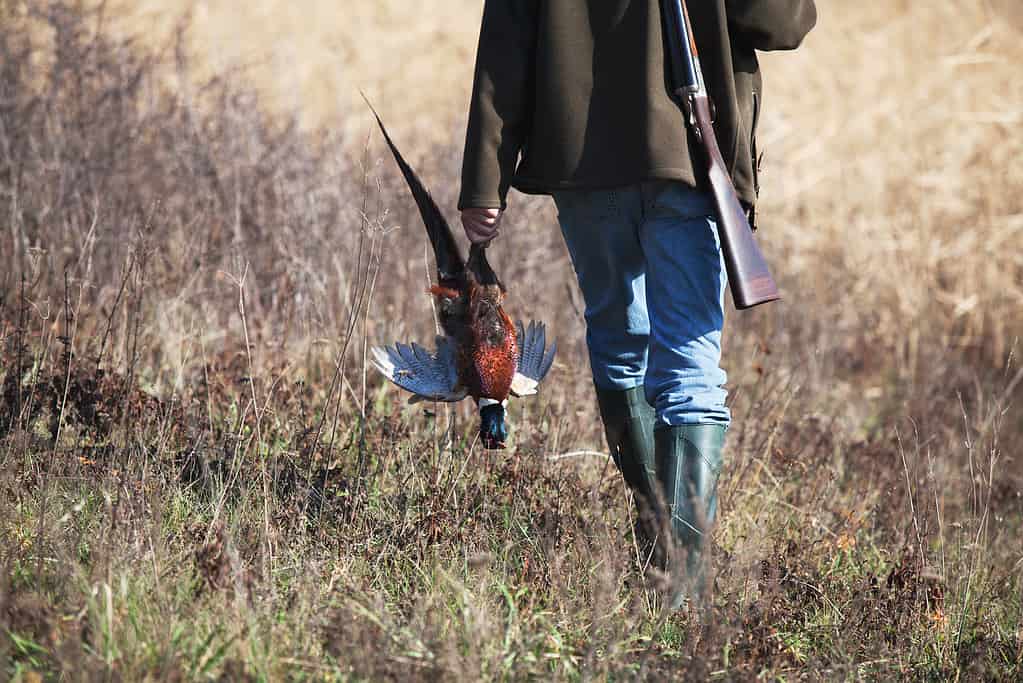
Hunting and poaching are very different, with legalities separating the two.
©glebchik/iStock via Getty Images
One of the most easily twisted misconceptions about hunting compares this legal and regulated activity to poaching. However, this is one of the gravest misconceptions out there.
Legal hunting sits inside seasons, limits, tagging, and reporting, ensuring the sport remains safe and managed for all involved. However, poaching exists outside all of this, which is why it’s far harder to measure and often more biologically disruptive.
Legal harvest, which is heavily regulated and reported, is entirely different from illegal take or poaching, which ignores seasons, limits, and reporting altogether. While poaching can take many devious forms, the simplest definition is hunting illegally, even if someone takes the wrong sex of an animal or one too many shellfish from a given seaside.
What a More Accurate Conversation About Hunting Should Look Like
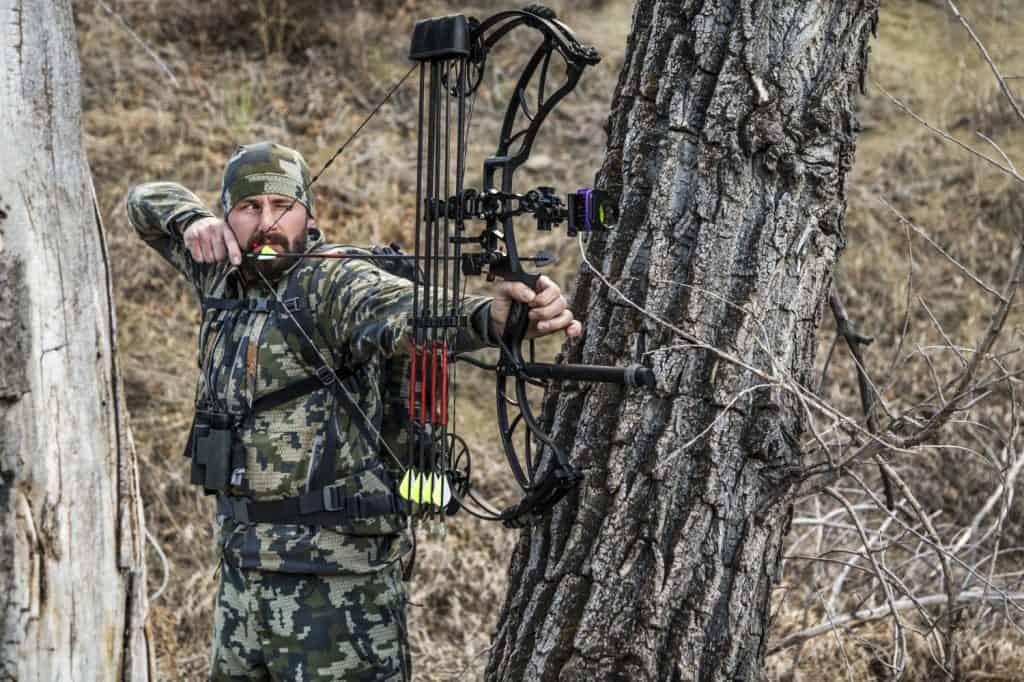
While not for everyone, hunting is a regulated and carefully calculated sport.
©Neil Podoll/Shutterstock.com
Hunting is heavily regulated and deserves a bit of respect for all of the intricacies involved in setting hunting seasons.
Instead of arguing about generalities or misconceptions, the most useful questions non-hunters can ask are the ones agencies can answer with published data. Consider asking the following questions if you’re interested in learning more about hunting, especially in a specific state or location:
- Is this a general season or a controlled hunt?
- When is this hunting season set to begin in my state?
- How many tags exist?
- What do recently reported harvest statistics show?
- What changed this hunting year compared to last?
While many people still disagree on the ethics and values surrounding hunting, it’s important to know that wildlife agencies aren’t choosing these numbers and limits blindly. For hunting to continue as a sport, it needs to be sustainable. That’s why species sustainability comes first, and wildlife agencies maintain ample data to support this.
Hunting is meant to be a sustainable sport and has been for decades.