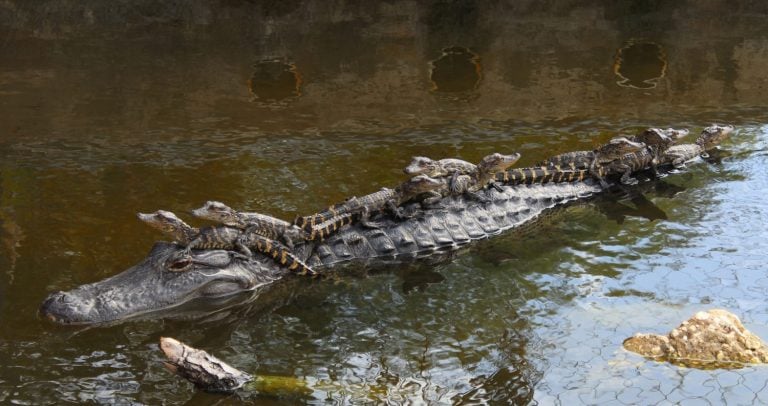

There have been many stories of mothers throughout the animal kingdom risking their lives to protect their young. Some, like lions, defend their cubs through ferocious battles, while others, such as elephants, work together as a herd to ensure the survival of their calves. However, one particular mother is willing to make the ultimate sacrifice for her babies by offering herself up to predators.
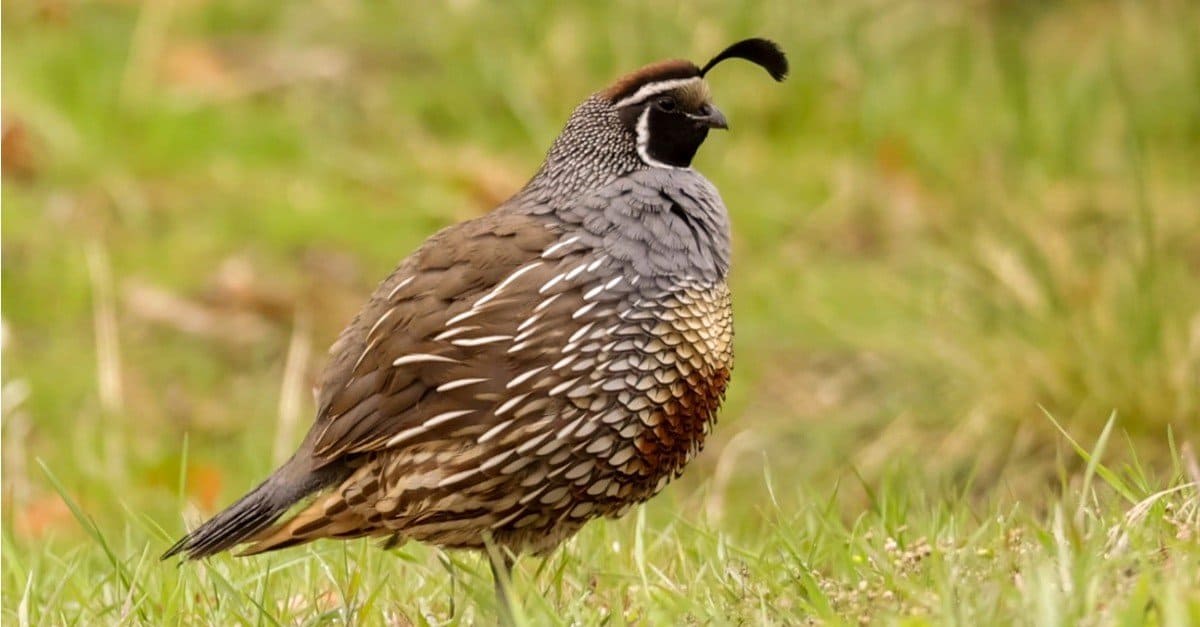
It may sound unbelievable, but for the quail hen, facing a large predator head-on is a risk she is willing to take to keep her chicks safe. As seen in this clip, her goal isn’t necessarily to become a meal for a hungry coyote. Instead, she relies on her speed, agility, and instincts to get close to the predator before making her escape.
Discover why quail hens rely on these daring tactics and why they are often an effective way to stop predators from attacking the nest.
Where Does a Quail Hen Make Her Nest?
Unlike other birds that choose to keep their nest in trees, quail often build their homes on the ground. Places with dense vegetation or tall grass are preferred locations for hens, as they help hide eggs and young chicks. However, even with the added help of extra concealment, ground nesting has added threats, mainly predators like coyotes.
The Quail’s Display of Bravery
Initially, the way quails draw attention from their nest may seem extremely risky, but it’s actually quite effective.
When a quail hen notices a predator getting too close to her eggs, she’ll often engage in a behavior known as “broken-wing display.” During this act, the quail approaches the threat and pretends to be injured. Once the hen has the attention of the predator, she’ll lure the animal away before quickly making her escape.
Along with feigning injury, quails are also incredibly brave and will often choose to challenge the predators. In these cases, the quail either runs or flies at the predator to distract the animal and draw its attention away from the cluster of eggs hidden away.
Why Does This Trick Work on Predators?
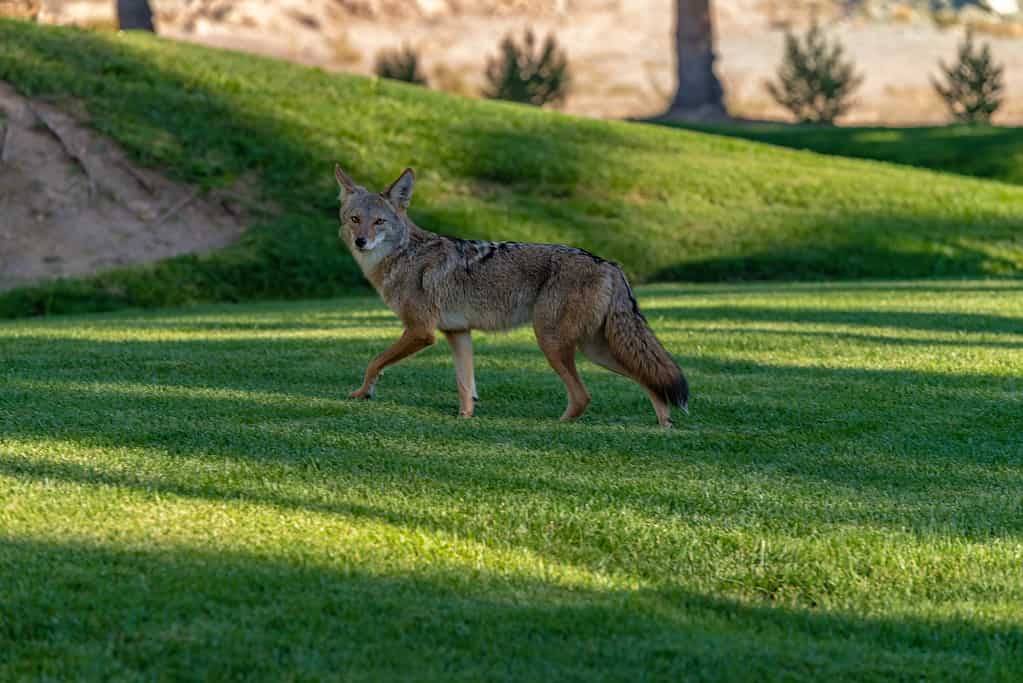
Coyotes are opportunistic hunters and often attack quail nests.
©TerryKelly/iStock via Getty Images
Most of the predators a quail faces are opportunistic hunters, meaning they often go for prey that shows signs of vulnerability. For example, young or injured animals make great targets for creatures like coyotes. So, by pretending to have a “broken wing,” the quail hen makes herself appear to be an easy target. She can then lure the predator away from her nest, giving her eggs a better chance of survival.
While the hen’s acting ability helps sell the technique, there is also another factor at play that makes the tactic effective: natural instincts.
Even though predators such as coyotes go for easy meals, they are still very prey-driven animals. Meaning that the sight of an injured animal will naturally change their focus from hard-to-find eggs to an easy meal.
The Quail’s Bold Defense of Her Nest
While many animal mothers go above and beyond for their young, the quail hen is a perfect example of what courage and strategy can accomplish. Instead of running away or hiding from a much larger predator, she uses her wits to outsmart the animal and protect her young.
Directly challenging predators isn’t just a sign of bravery — it’s also one of the most effective ways to ensure her eggs survive.