
Quick Take
- An 80-year-old scientific "fact" about bat eyes just got overturned, with the real mechanism behind their vision turning out to be nothing like anyone expected. See the bat eye study →
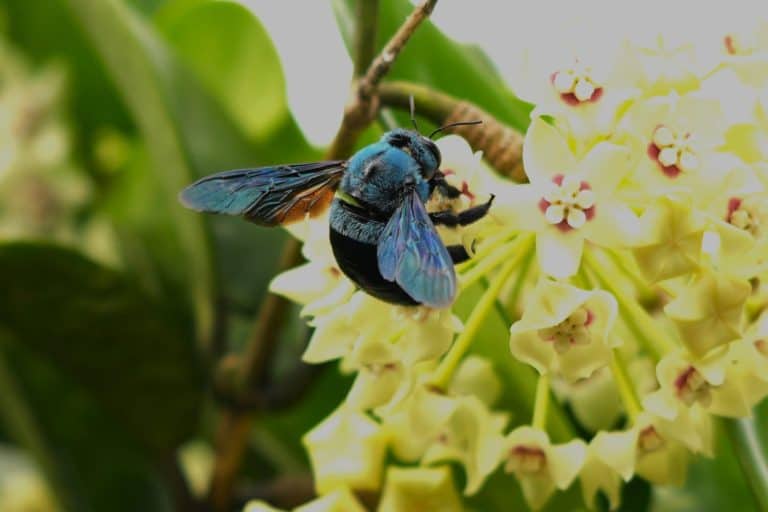
- Honeybees look chaotic in flight, but researchers tracked their paths and found something that redefines what we call insect intelligence. Explore the honeybee flight paths →
- Scientists long believed that queen bumblebees and water simply don't mix, but a week-long experiment produced results nobody predicted. See the underwater survival results →
Every day, science challenges us to question everything we think we know. Its ever-evolving nature consistently leads to new discoveries, sometimes contradicting long held beliefs that were once considered fact. New tools and research bring to light details that force scientists to rethink what we believed about the animal kingdom.
In 2026 alone, hundreds of new species have already been discovered. But along with these new findings come corrections to old ones. Exciting new details have come to light, reshaping how we view certain species.
Bats Don’t Move Their Eyes
Roughly 80 years after a comprehensive book on vertebrate eyes by vision scientist Gordon Walls was published, scientists now realize the information it contains is inaccurate. For decades, we believed that bats had eyes that never moved, even during flight. This was backed up by the fact that bats rely on sound—specifically, echolocation—to hunt and navigate. Much like owls, tarsiers, and other nocturnal species, bats were thought to have eyes that reflexively locked into place.
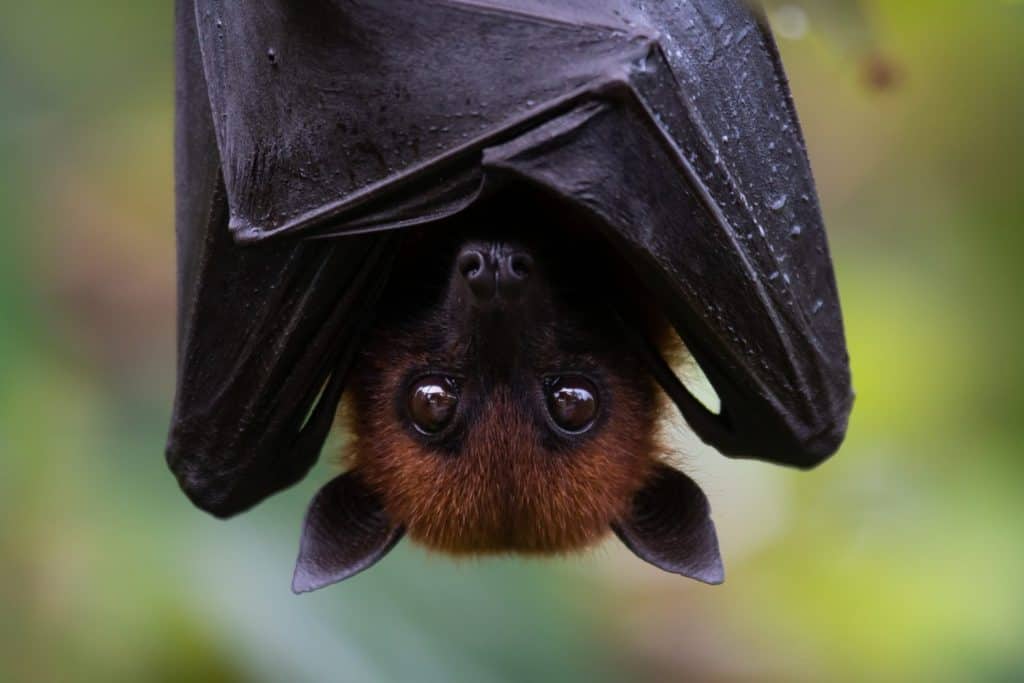
As with mice, Seba’s short-tailed bats tracked movement across 10 degrees.
©BENZINE/Shutterstock.com
A study published in Current Biology by John Hopkins changed all of that. During the experiment, they studied Seba’s short-tailed bats eyes when responding to visual cues. Initially, the findings were consistent with what science had previously claimed. However, they soon realized that the bats did move their eyes. The eyes moved to track motion across their field of vision. Once their eyes reached a certain point, they quickly shifted them back toward the center before continuing to track the movement. Interestingly, when the bats’ heads were moved from one direction to another, their eyes remained in place.
This behavior is triggered by the inner ear, which maintains balance and coordination. Anatomically, the bats’ brain signals were similar to those of mice in terms of direction and focus. Researchers theorize that this response is highly active at night during flight. The finding alters everything previously thought about a bat’s eye movements.
Honeybee Flights Follow Specific Routes
Insects are often underestimated when it comes to their intelligence. Honeybees are known for flying somewhat haphazardly, at least from basic observation. Bumblebees are even less coordinated at times, often teetering into people or objects. Little thought was given to the specificity of their flight routes until one research team from the University of Freiburg decided to test their navigational skills.
Using Fast-Lock On (FLO) tracking, the team, led by neurobiologist and behavioral biologist Prof. Dr. Andrew Straw, employed their self-developed method to track the rapid movements of honeybees. Their routes across nearly 400 feet of agricultural land were recorded, and the results published in Current Biology revealed 255 flight paths. But rather than being random, these paths were extremely precise and appeared to be well calculated.
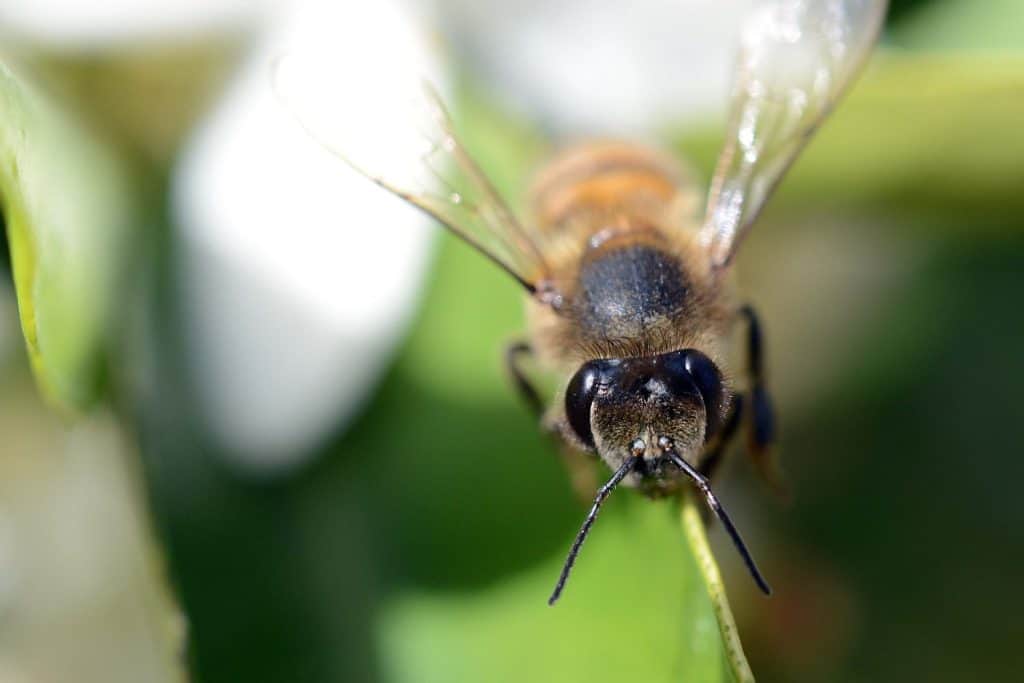
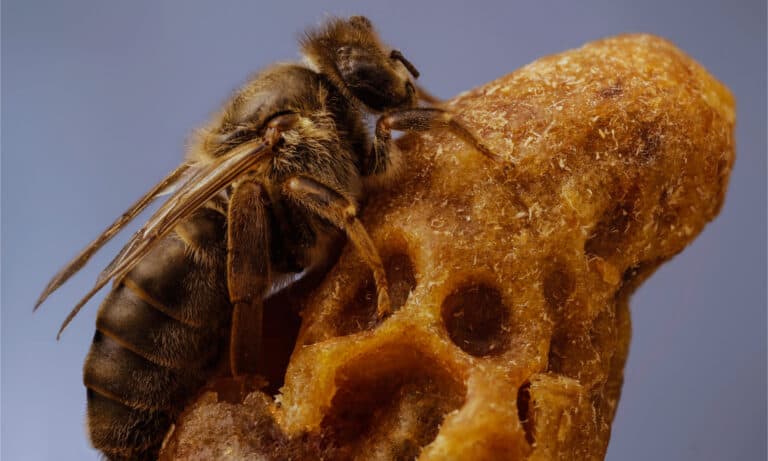
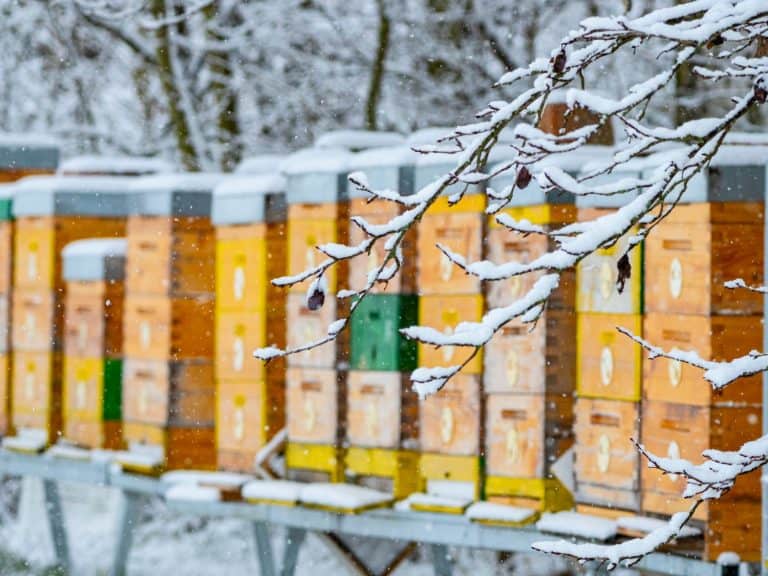
Honeybees familiarize themselves with flight routes, often taking the same one repeatedly.
©Wolfgang Jens Stuhmer/Shutterstock.com
Several of the honeybees repeated the exact same path multiple times. These routes were impressive, as bees navigated around obstacles such as trees, hedges, and even a cornfield. It turns out that honeybees were more confident about this precision than in open, lackluster areas, where their lagging routes implied uncertainty.
Starfish Actively Catch Food Using Tentacles
Modern-day Yujingia glutenotunica, which includes starfish, sea stars, and sea urchins, and acorn worms, was long thought to feed passively using its gills. The bottom-dwelling behavior causes them to crawl across the seabed, which further supported the theory of passive hunting. While there was some mystery surrounding starfish feeding habits, their close relation to sea worms led to the belief that they consumed food in the same way.
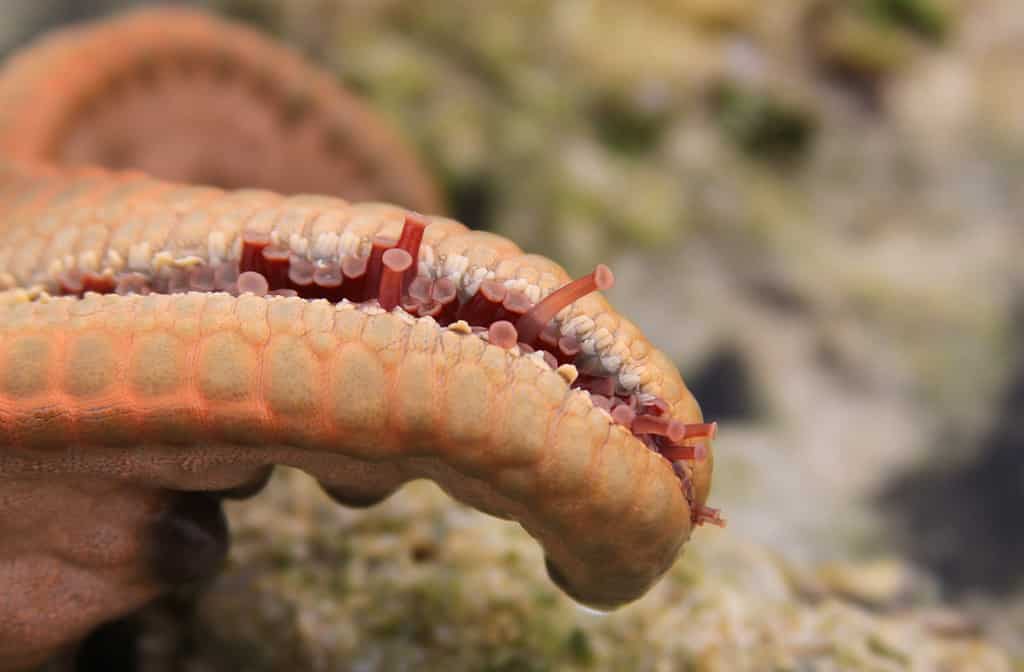
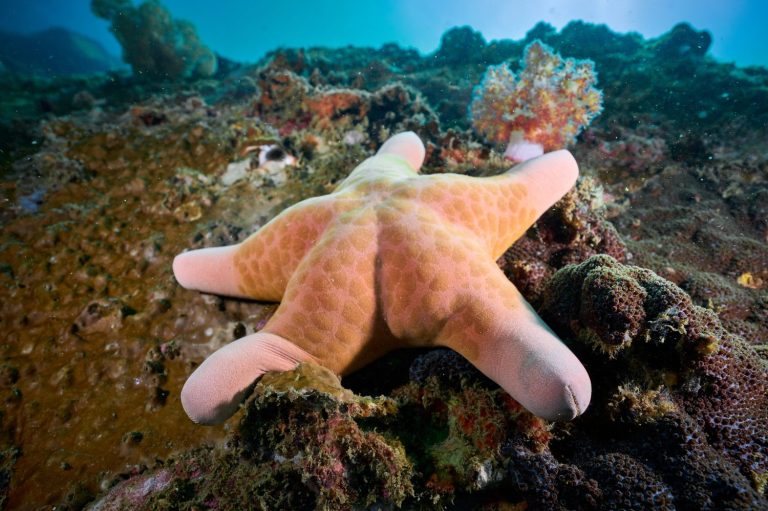
Starfish feet, called podia, help them move along the ocean floor.
©Raul Baldean/ via Getty Images
When scientists discovered 518-million-year-old fossils of Yujingia, this theory was called into question. The fossils, found in Southwestern China, are closely related to starfish but reveal something no one expected. One animal had feather-like tentacle appendages. Upon closer inspection, a second set of tentacles was found; only this one is thought to serve as an anchor for the species.
The evidence—too strong to ignore—had scientists rethinking modern-day starfish and sea stars. Rather than supporting that all species in this genus feed passively, these fossils provided an exception. Two sets of tentacles allowed the starfish’s early ancestors to anchor themselves while a second pair brought in organic matter.
Gentoo Penguins Are Made Up of Four Different Species
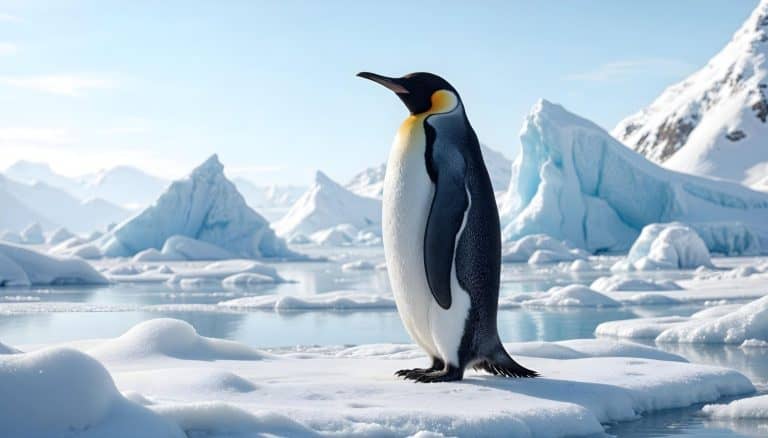
The last few years have been strong for research on the gentoo penguin. This Arctic species, now listed as Near Threatened on the IUCN Red List, is one of several penguins facing threats from climate change. It was previously thought that gentoo penguins were a single species with little to no genetic differences between regions. And while they exist around the world, the debate over whether they’re a single species was ongoing.
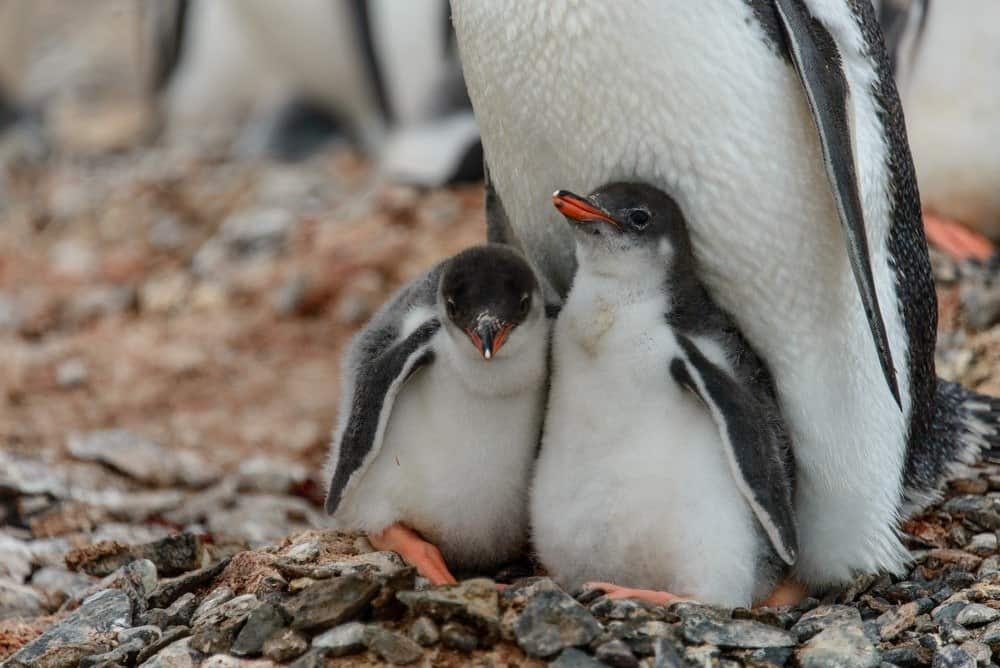
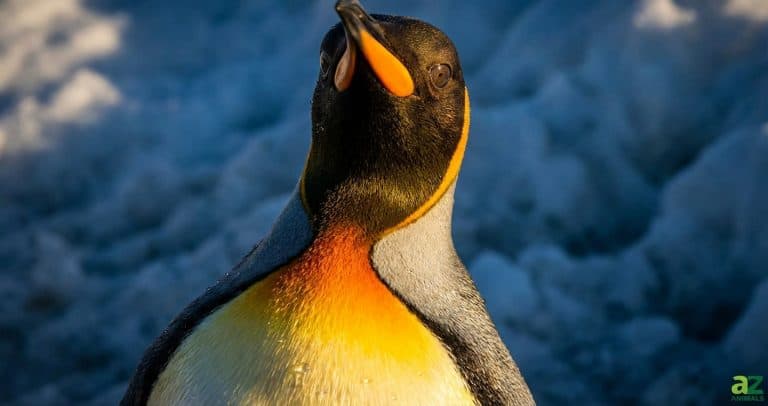
Gentoo penguins now comprise four newly recognized species.
©Alexey Seafarer/Shutterstock.com
When an international team of penguin experts from the United States and Chile took the polar plunge to find the answer, they made a shocking discovery. The results of their genetic testing, published in the journal Communications Biology, revealed they’re made up of multiple species.
Researchers tirelessly studied the genes of 64 individuals from 10 breeding colonies and reached a revolutionary conclusion. Rather than all gentoo penguins belonging to the same species, they belong to four species: Antarctic, subantarctic, South Georgia, and South Indian Ocean. Each of these penguins had a genetic makeup that was too fundamentally different to ignore. The southeastern gentoo penguin was even counted as a new species, adding more significance to this discovery.
Queen Bumblebees Can Survive Underwater
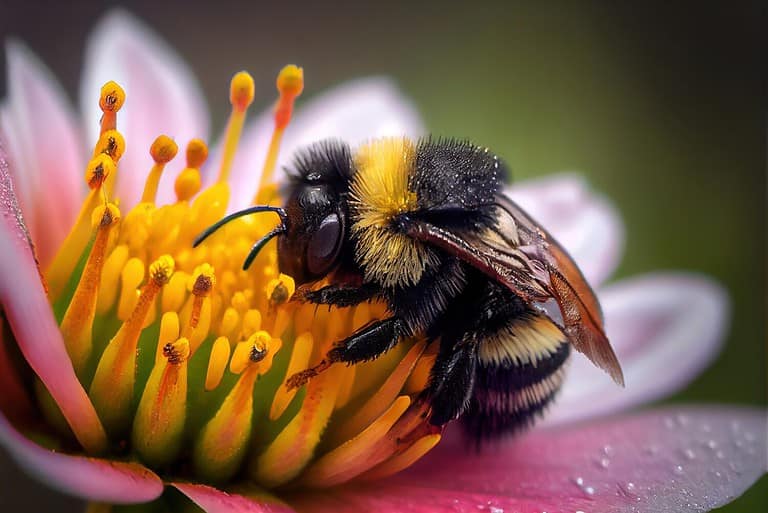
We’ve all seen the videos of people rescuing bumblebees from deep water. Their size and adorable clumsiness only reinforce the idea that these pollinators struggle with water. Avoiding flying in the rain adds another layer to this belief, making it seem as though water is public enemy number one to a bumblebee. But for a queen, deep water is not as dangerous as scientists once thought.
Bumblebee queens overwinter through a state called diapause. This is similar to hibernation, as the queen slows down her metabolism to save energy for spring emergence. But during this time period, queens do something incredible: their metabolic rate drops by roughly 99%. This reduces the need for oxygen, which is the key to surviving an underwater environment.
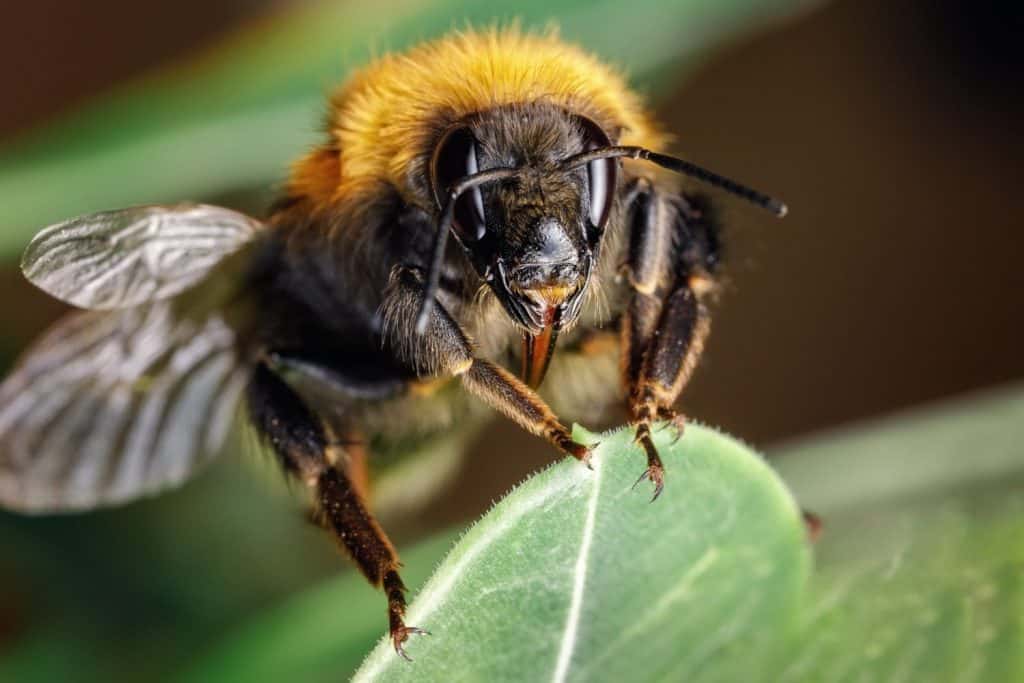
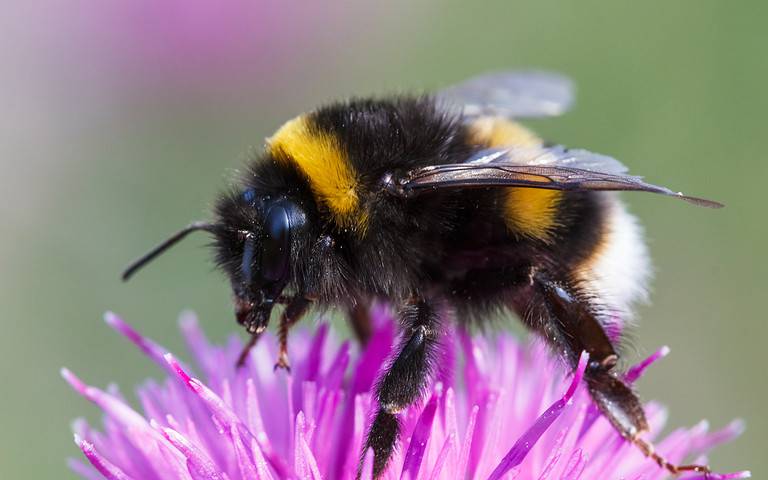
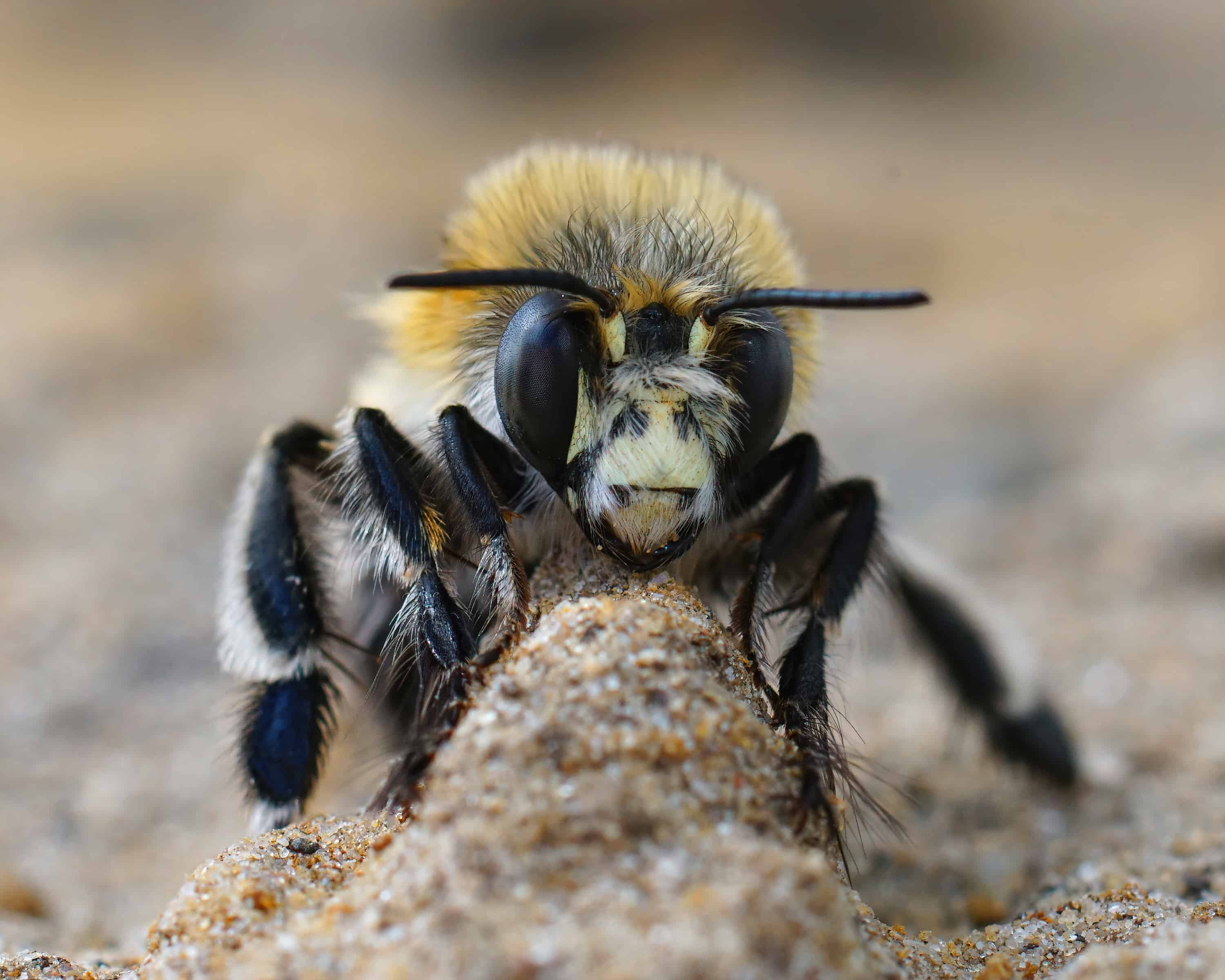
Queen bumblebees survive winter conditions in part due to low oxygen levels.
©Linas T/Shutterstock.com
Research published in the Royal Society B details experiments led by the University of Ottawa’s comparative physiologist Charles-Antoine Darveau on bumblebee diapause. Through these tests, bumblebees were closely monitored for just over a week after being submerged in water. What they discovered was that queens use anaerobic metabolism to absorb oxygen from the surrounding water while exhaling carbon dioxide. Their breathing rate was so low that this was enough to sustain them, which explains how queen bumblebees survive floods, snowmelt, and damp environments.
Blue Megaleledonidae Octopus Can Live in Deep Tropical Water
The Galapagos Islands are remote, and their surrounding waters can reach depths of up to 14,000 feet in some zones. Despite these isolated conditions, the islands themselves are teeming with life, both above and below the surface. Scientists are still discovering new marine life around the islands, including Megaleledonidae. This superfamily of octopuses was believed to reside primarily in deep Antarctic waters, preferring the benthic zone.
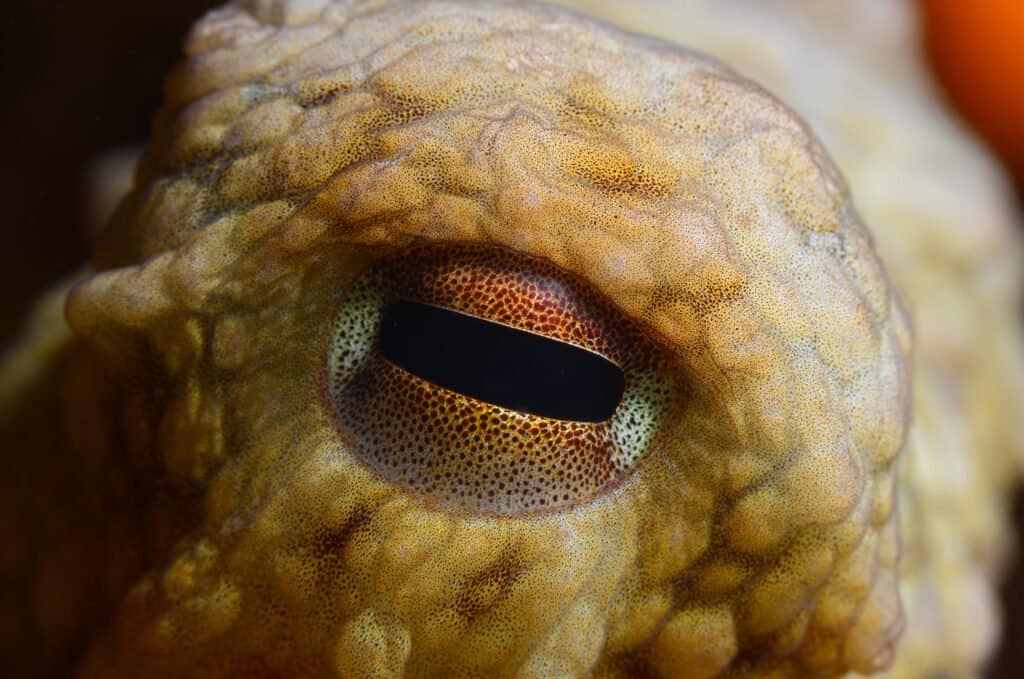
Most deep-sea octopuses look different from the one discovered in Galapagos waters.
©Osman Temizel/Shutterstock.com
And while many gravitate toward cold Arctic waters, one tiny blue octopus discovered near Darwin Island put that theory to the test. Microeledone galapagensis, a new species of Megaleledonidae, was discovered more than 5,900 feet below the surface. Its proximity to the Galapagos Islands, which are traditionally warm and humid, contrasts significantly with the habitat of most of its species.
The mature female specimen was proof that not only does Microeledone galapagensis live near the Galapagos, but it also thrives in its temperate waters. The discovery of this octopus was a miracle in itself, as these specimens are extremely difficult to find. Rather than dissecting it, research teams opted to use CT imaging to further analyze its anatomy. The CT scan revealed an additional surprise: the small blue octopus had intact eggs. Upon reexamining the location where they first found it, the team also discovered several other octopuses of the same species, confirming the broader range of Megaleledonidae.