
Quick Take
- Barn owls build their nests from something most people would find deeply unsettling, which is exactly the reason this Manhattan nest was so hard to replace. See how barn owls nest →
- Enforcement officers rushed to the scene, but what they found on the roof made the situation far more alarming than anyone expected. See what officers discovered →
- Workers allegedly returned to the site a second time, which has caused even more outrage. Explore the legal consequences →
- This may be Manhattan's first barn owl nesting sighting in recent memory, yet the biggest threat to these birds isn't what most people assume. Discover the real threats →
After a Manhattan building, which was home to multiple nesting barn owls, was inconsiderately disturbed, the public has expressed considerable outrage. The ‘celebrity’ owl family who had attracted the attention and affection of the public are now nowhere to be seen, and experts fear the worst. This is how the story unfolded.
Consequences of Construction Work in Manhattan
A pair of barn owls chose to make their nest and raise their young in what they thought was a secure urban location. It was on the roof of a water tower in Manhattan’s Upper West Side. Sadly, the roof of that water tower has now been removed.
Before they were disturbed, the owls had drawn crowds of wildlife enthusiasts and photographers hoping to get a glimpse of this amazing sight. Barn owls will nest in urban areas, but it’s thought that this was the first sighting of them doing just that in Manhattan in recent times.
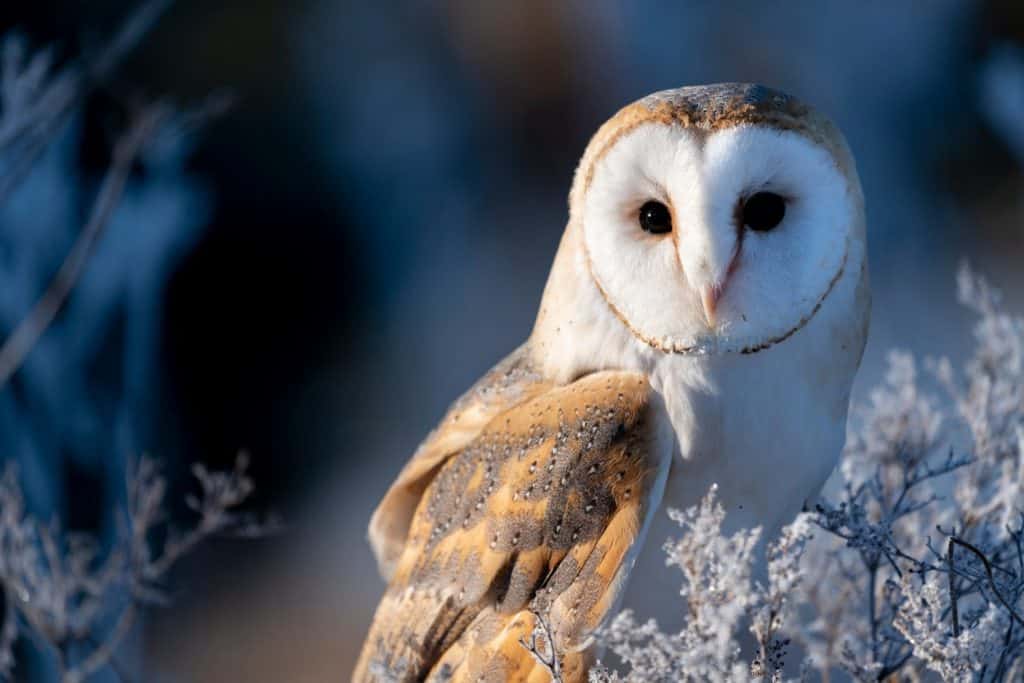
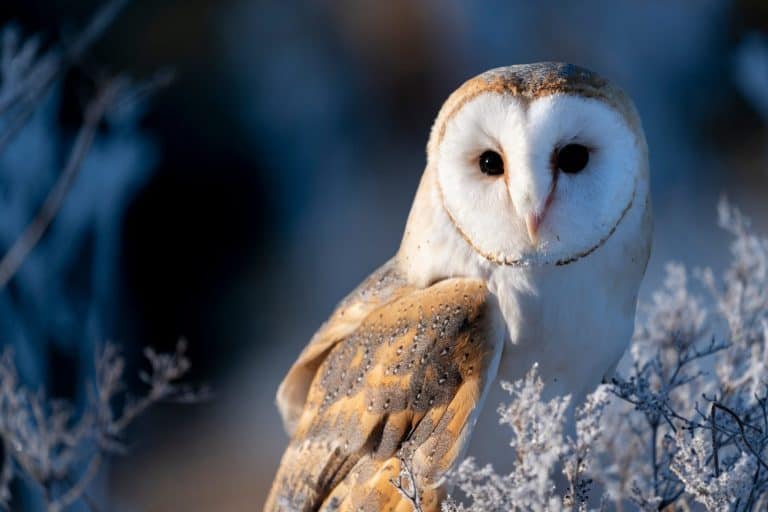
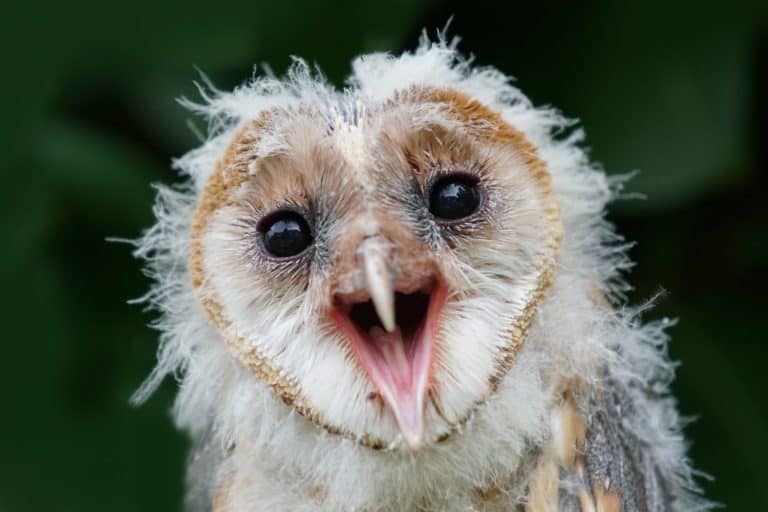
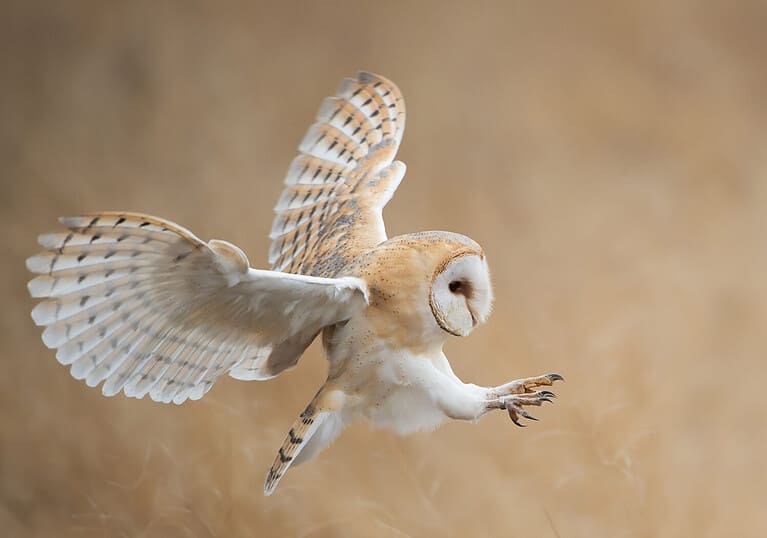
Barn owls nesting in a Manhattan water tower were disturbed.
©Zaruba Ondrej/Shutterstock.com
The NYC Bird Alliance, which protects birds and habitats in the city, was made aware that building work was being carried out at the top of the tower. Enforcement police with the state Department of Environmental Conservation were called and attended the scene, but no workers were present.
Nevertheless, they accessed the building’s roof with the permission of the building’s superintendent. The roof of the water tower, where the birds had been nesting, had gone. The nest was exposed to the elements. Jessica Wilson, the executive director of NYC Bird Alliance, said in this Independent article that she saw one barn owl fledgling on a nearby roof and that it “should not be out in the middle of the day”. Without a safe nest to return to, the chances of the little owl surviving are drastically reduced.
Outrage and Accountability
There has been universal condemnation of the actions of the people who removed the roof. Officers from the New York Department of Environmental Conservation have told the owners to halt the work while investigations are carried out. It is also not clear who actually owns the building and who ordered the roof removal.
New York State Sen. Erik Bottcher communicated his outrage in a social media post. Meanwhile, local birders pointed out that the nest was well known to everyone in the area. According to some media reports, the owl family comprises two adults and five or six fledglings.
Even more concerning, the workers may have returned to carry on with the job. There are fines associated with disturbing these nesting birds.
How Do Barn Owls Nest and Raise Their Young?
American barn owls (Tyto furcata) are found throughout most of the continental United States. In New York, however, they are at the northern extent of their range. They are not a common sight in this area.
Barn owls generally live in open habitats such as grasslands and marshes. They can also be seen in agricultural fields, suburbs, and cities. Here, they hunt mostly small mammals such as rats and voles. Hunting takes place at night using a combination of excellent hearing and eyesight.
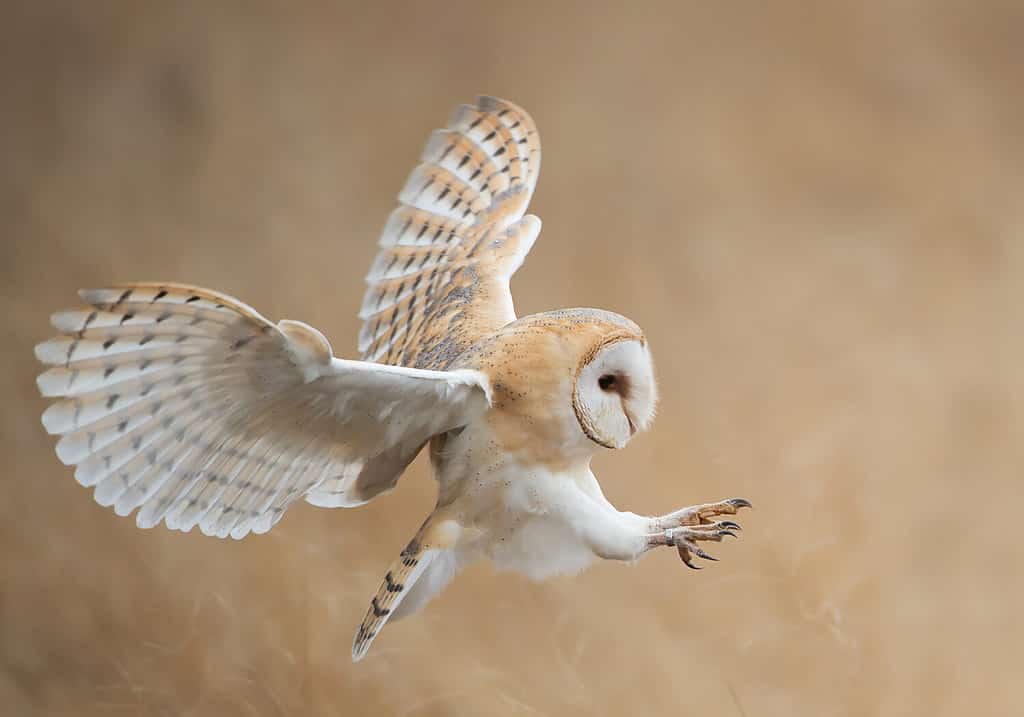
Using their excellent hearing, barn owls hunt at night.
©MZPHOTO.CZ/Shutterstock.com
These birds nest in tree cavities, caves, barns, and other buildings. This includes church steeples, houses, and, as we have just learned, water towers. The female is in charge of making the nest and does this in an extraordinary way. She uses her own regurgitated pellets, which are tightly packed, oblong masses of indigestible animal parts! They can contain anything from bones and teeth to fur and feathers. She shreds the pellets with her feet and arranges them into a cup-like structure. These nests are often used for more than one year and can even be used by different owls in different years. Barn owls can breed more than once a year.
The female lays between two and 18 eggs, which are between 1.5 and 1.7 inches long. They are a dull white color and often look a little dirty from the construction material of the nest! The baby owls hatch within 55 days, when they are completely helpless and covered in white down. The parents care for them until they can live independently.
Threats to American Barn Owls
This heartbreaking story has illustrated one of the challenges that these birds face: namely, the loss of urban nesting sites. Additionally, when humans clear out old agricultural buildings or silos, it causes a similar problem. If barn owls eat rats and mice that have consumed rodenticides, they suffer secondary poisoning. Some are killed by vehicles, while others fly into electric power lines.
Increased awareness of threats can help us make our surroundings a safer place for these wonderful birds.