
Honey bees are incredibly efficient, often building their intricate hives in the most unexpected and hidden locations, far from human view. These massive colonies can thrive unnoticed within the hollows of ancient trees or even tucked away within the walls of your own home. The homeowner in this YouTube video thought they were dealing with a relatively small, newly arrived bee swarm. However, once the beekeeper investigated the scene, he found a well-established hive that housed one active queen and six other emerging queen bees!
Structure, Size, and Design of a Bee Hive
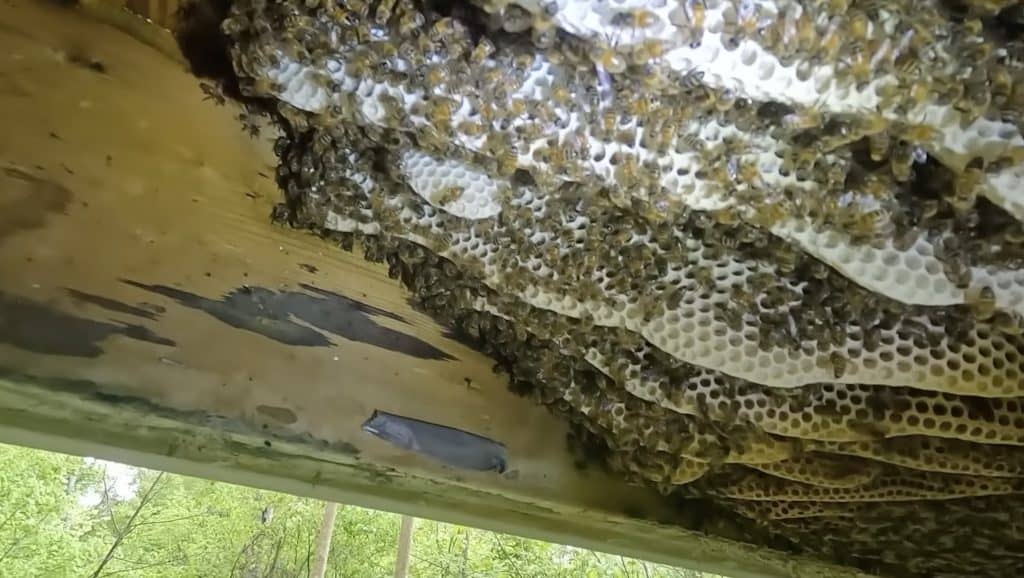
Honey bees pollinate one in three bites of food we eat.
©YouTube/Yappy Beeman – Original
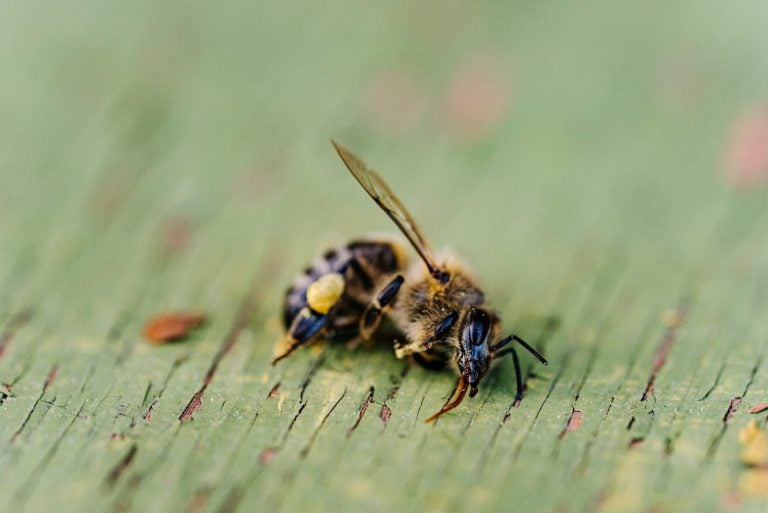
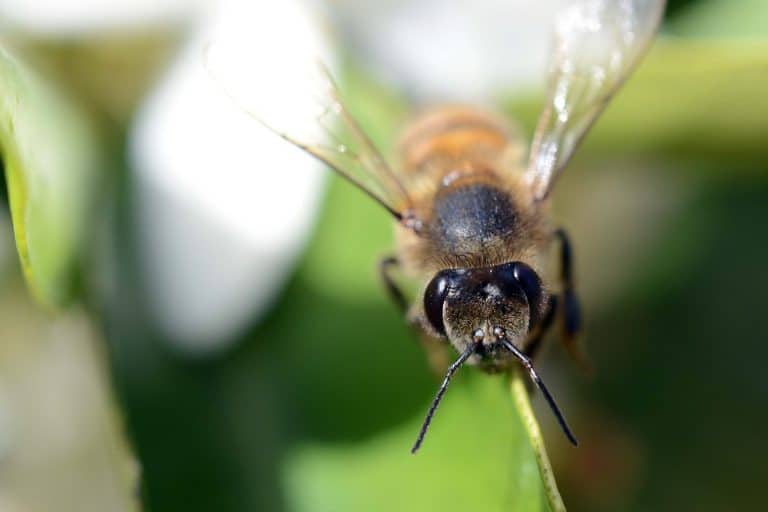
Honey bees are highly social creatures that live in large family groups. Each group or colony is well-organized, with three types of adult bees: a queen, worker bees, and drones.
Worker bees are all female, make up most of the colony, and can number in the thousands. They work together to build the hive and keep it clean, gather food, and raise new generations of bees. Drones, the male bees, can number in the hundreds during late spring and summer.
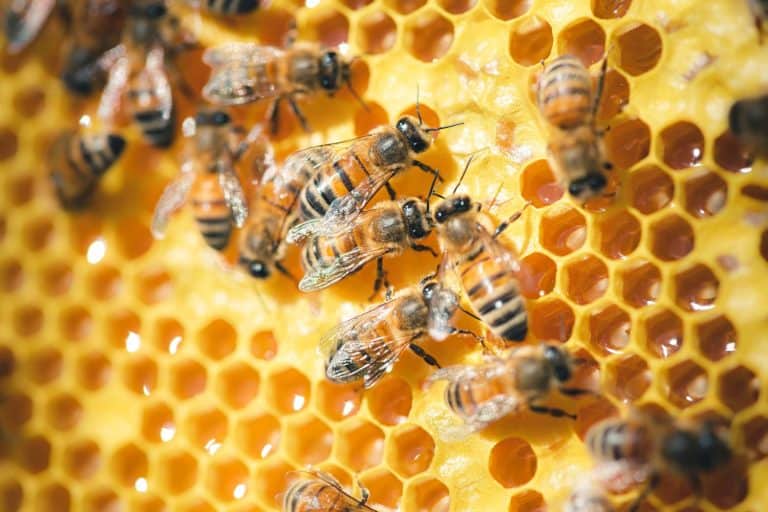
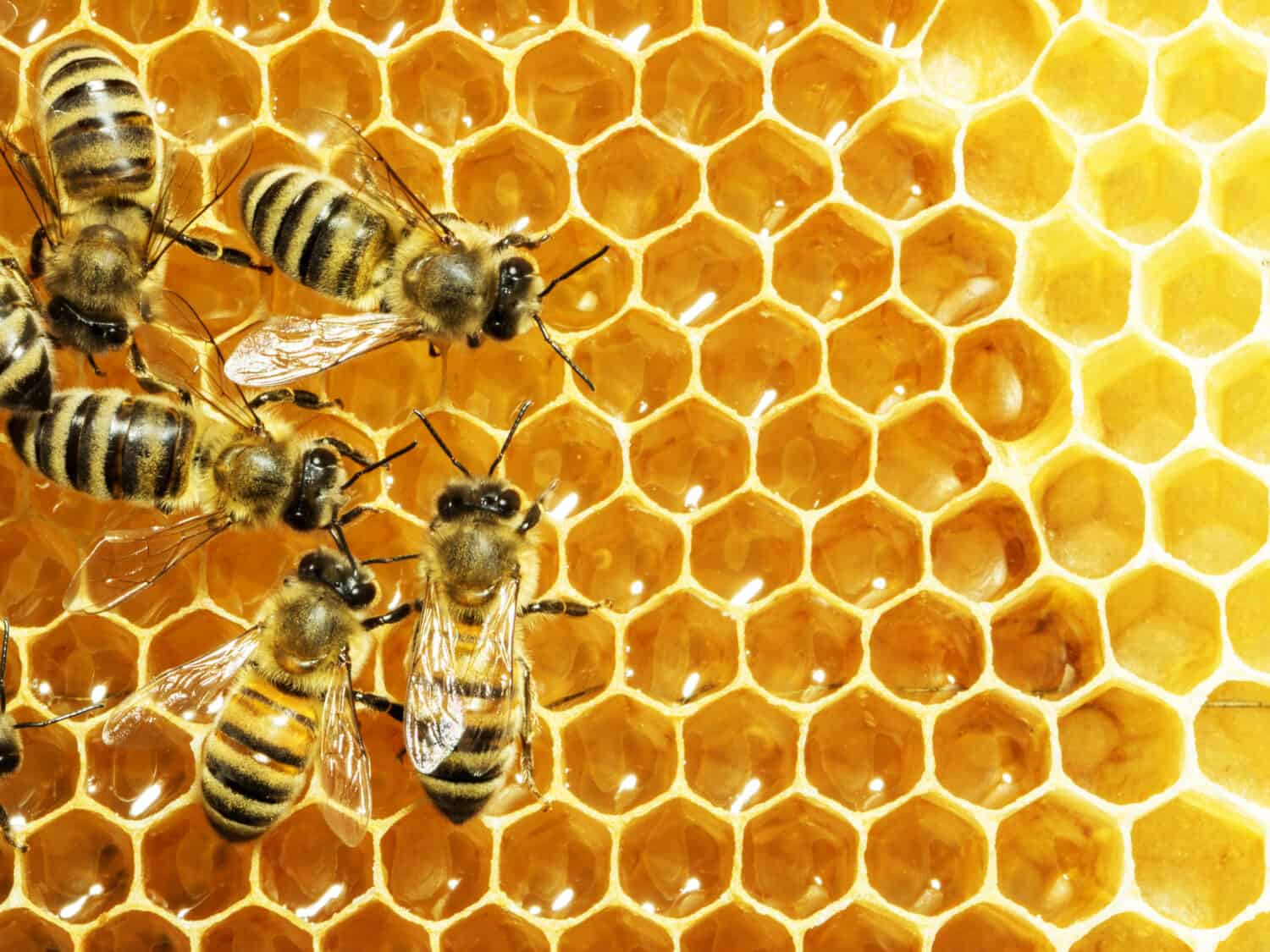
The honeycomb is the center of every beehive, perfectly engineered with countless six-sided, hexagonal cells. This shape is incredibly efficient because it allows bees to store the most pollen and honey while using the least amount of building material. Hexagonal cells also fit together perfectly without wasting any space. This design makes the honeycomb strong and stable so that it can support the weight of thousands of bees, their food, eggs, larvae, and pupae.
Worker bees consume a lot of honey to produce tiny flakes of beeswax, which they chew, soften, and mold into the honeycomb’s hexagonal cells. Beeswax is strong and flexible, and it helps protect the hive from germs and disease.
Why Hives Flourish Inside Your Home

Honey bees pollinate many of the world’s flowering plants.
©YouTube/Yappy Beeman – Original
Bees often look for hollow spaces in trees or rocks to build their hives in. In developed areas, they often select human-made structures like attics, inside walls, and under eaves. The bees in the YouTube video found a well-protected spot under a roof, where they built their hive within the boards. This location was ideal for the colony, allowing it to grow to an enormous size before the homeowners noticed.
Bees choose these kinds of spots because they offer a fortress-like setting, protecting the colony from predators and weather. The bees can focus all their energy on building and expanding the colony rather than constantly defending it. These hidden locations also help bees maintain the right temperature inside the hive for their babies to grow healthy and strong.
Professional Bee Removal
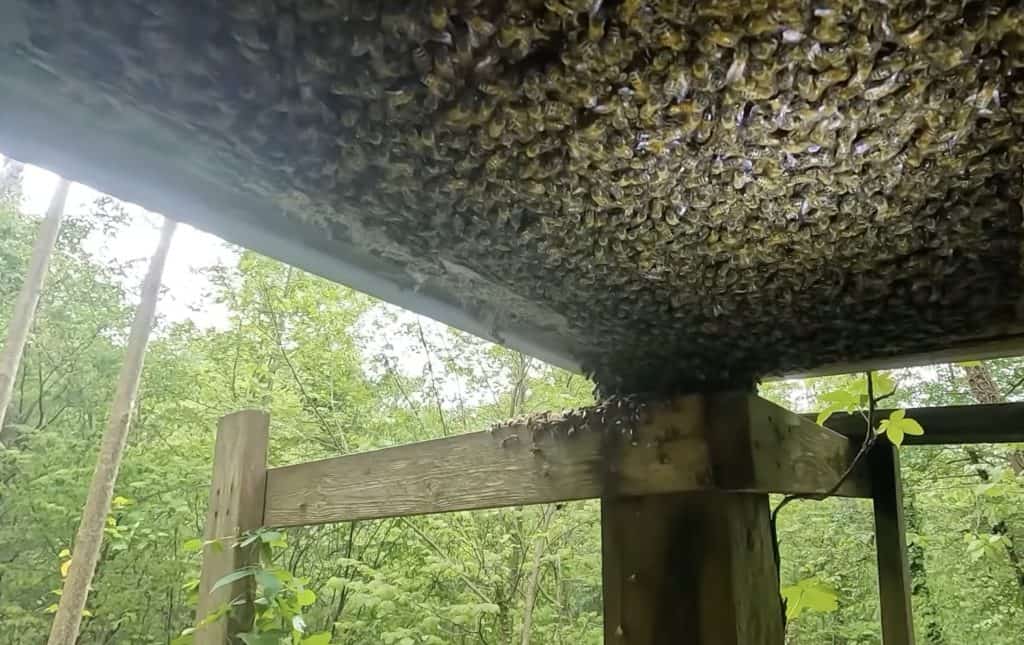
Honey bees are vital for the world’s ecosystems and food production.
©YouTube/Yappy Beeman – Original
Sometimes, bees pick less-than-ideal spots for their hives, like inside the walls, attic, or chimney of a house. As shown in the YouTube video, these hives can grow out of control, becoming a nuisance and even dangerous to both the homeowners and the bees themselves. When this happens, it’s best to call a professional for bee removal and relocation.
Beekeepers often help remove bee swarms, sometimes for free or for a small fee. You can find resources for bee removal through the American Beekeeping Federation.
Removing an established bee nest requires professional help and specialized equipment. Although licensed professionals can technically use pesticides to kill bees inside structures, this approach can create even more problems, especially with large hives. A large number of dead bees trapped in the roof will decompose and produce a terrible odor. Liquids from the decaying bees can also seep into your home and cause serious damage. Moreover, pesticides contaminate the dead bees, honey, and wax, turning them into hazardous waste that must be properly disposed of.
The best approach is to remove and relocate the bees without killing them, particularly if they are honey bees.
Identifying the Queen Bee
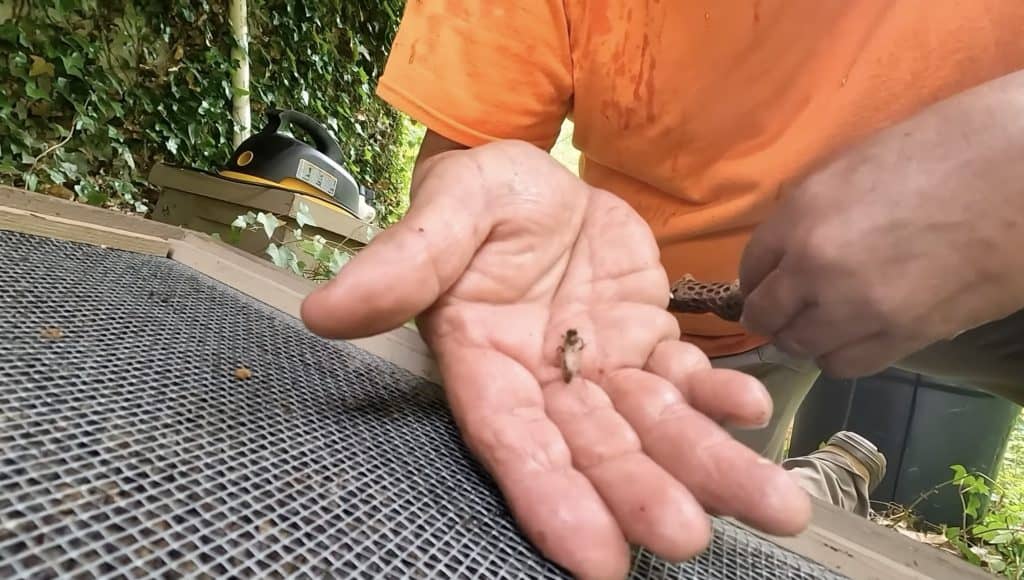
The queen bee is the only individual in the colony that lays eggs.
©YouTube/Yappy Beeman – Original
Each bee colony usually has only one queen bee. She’s noticeably larger than the other bees, with a longer abdomen and legs. Her wings are also shorter, and her main body (thorax) is less hairy. Inside the hive, queen bees develop in special “queen cells,” which are larger and longer than the others, as seen in the video.
The queen bee is the only fully developed female in the colony, and her main job is to lay eggs. During the peak egg-laying season, usually from spring to early summer, she can lay more than 1,500 eggs every single day! All fertilized eggs can develop into either worker bees or another queen bee. Unfertilized eggs always become male bees, known as drones.
Bee colonies usually create a new queen when they’re ready to split into two, if the current queen has died, or if the current queen isn’t performing well enough. The best-fed larvae are chosen to become new queens, and once they emerge, they will fight any other new queens for the coveted position.