
Quick Take
- Yellowjackets do something to garden pests that no pesticide replicates, and your plants are quietly benefiting from it right now. See how they help →
- Their behavior flips completely in late summer, which is exactly when most people get stung. Understand the seasonal shift →
- A yellowjacket sting isn't just painful. For some people, the venom triggers something far more serious than they expect. Know the sting risks →
- If you find a nest in your yard, the smartest move might surprise you, and doing it wrong has real consequences. Handle nests safely →
Perhaps it’s time to reconsider your attitude towards yellowjackets and wasps in general. Yes, they can sting, and for some people this is very dangerous. However, they also help to control the pests in your garden and would rather keep away from you. Unless you are having a picnic in late summer, that is! We outline our complicated relationship with yellowjackets.
Continue reading
What Exactly Are Yellowjackets?
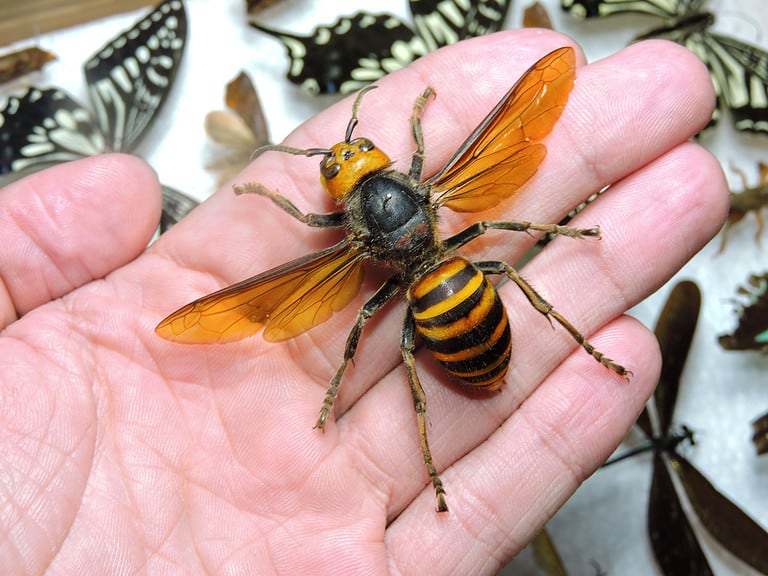
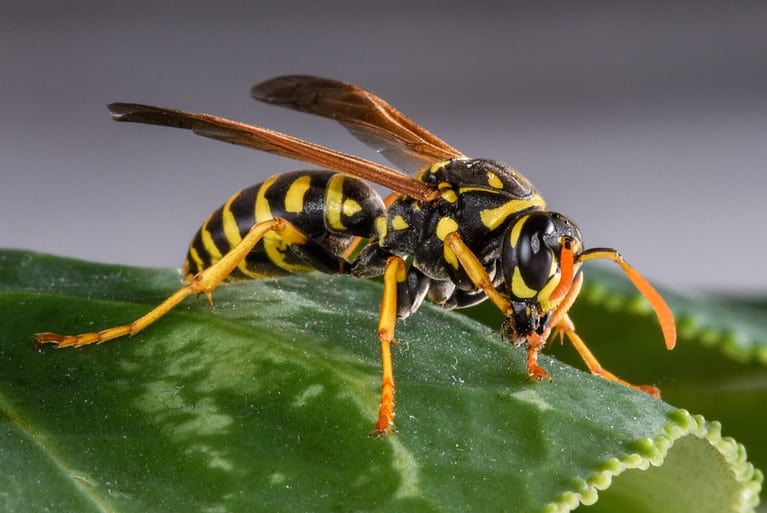
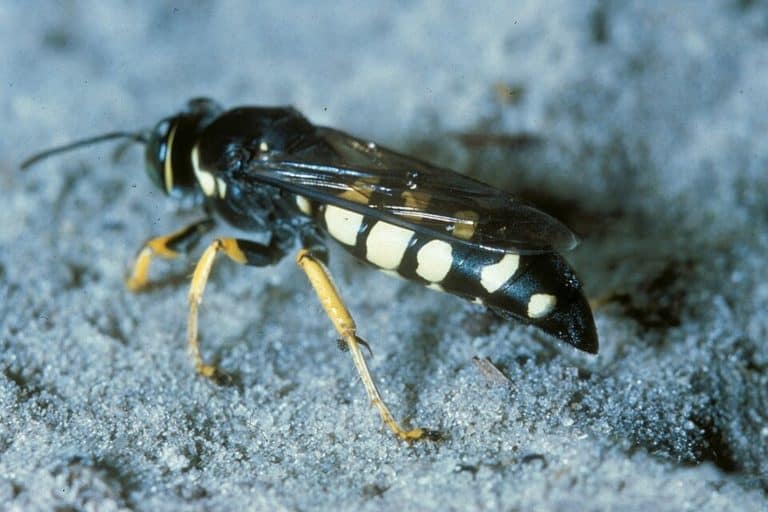
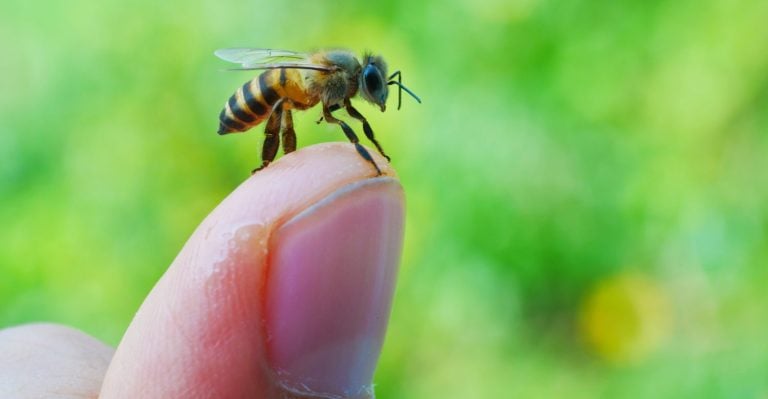
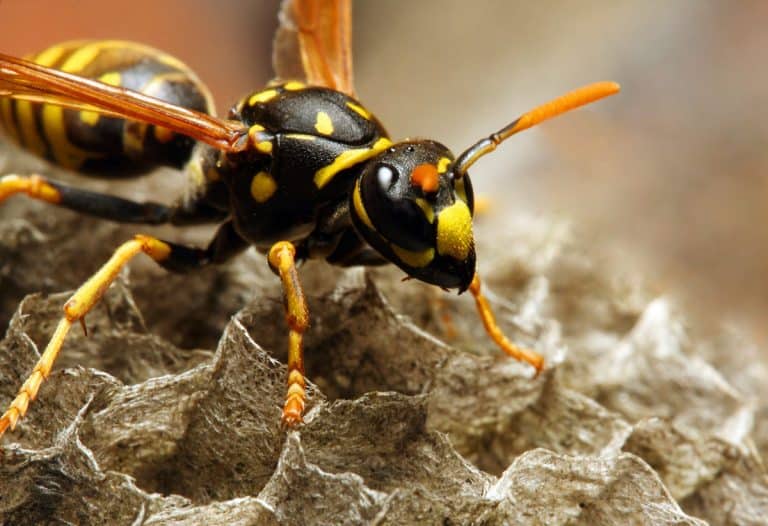
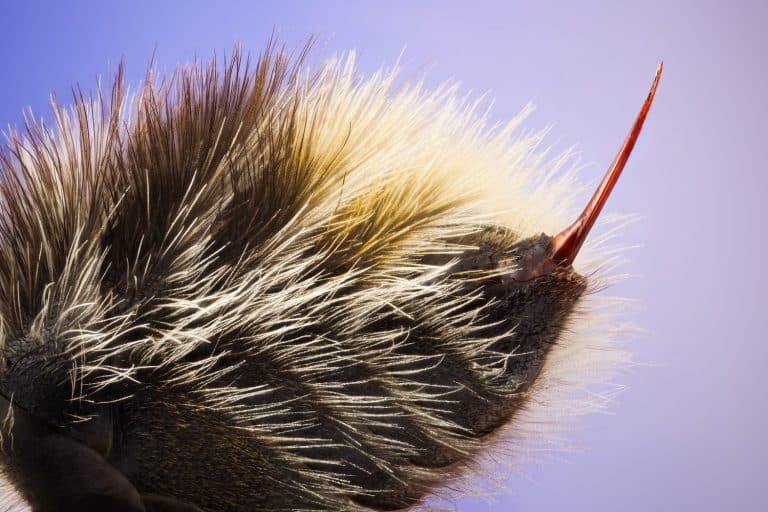
Yellowjackets are a type of insect in the Vespidae family. These are predatory social wasps. Most have the classic black-and-yellow coloration, but some are black-and-white. They have a rapid, side-to-side flight pattern before landing. Typically, they are around 0.47 inches long, although queens are larger. Often, they are confused for honey bees. Female yellowjackets have lance-like stingers with small barbs.
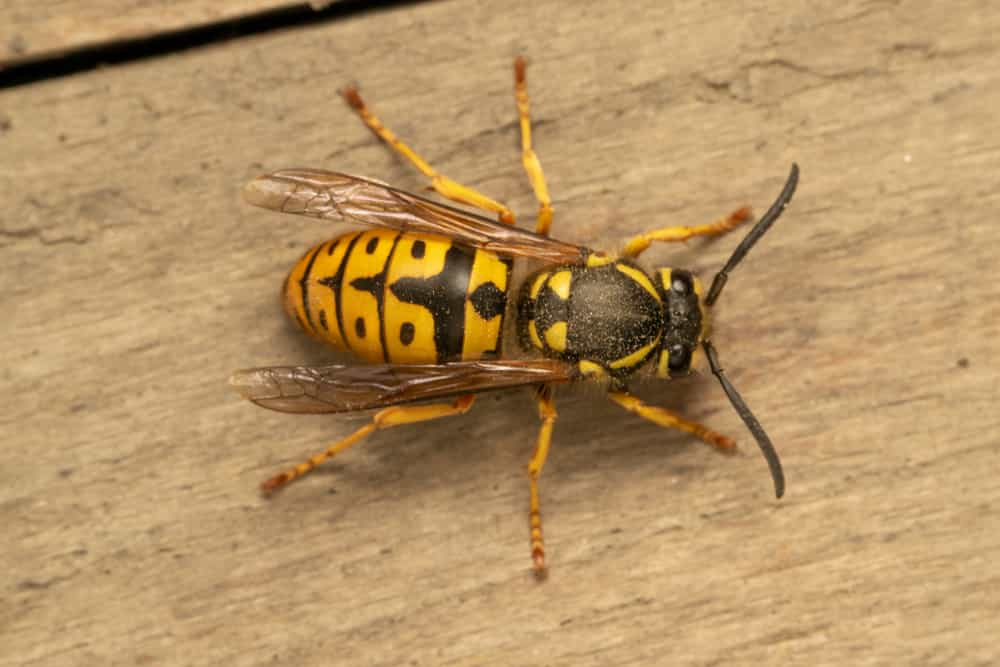
Yellowjackets can be confused for honeybees.
©tasnenad/Shutterstock.com
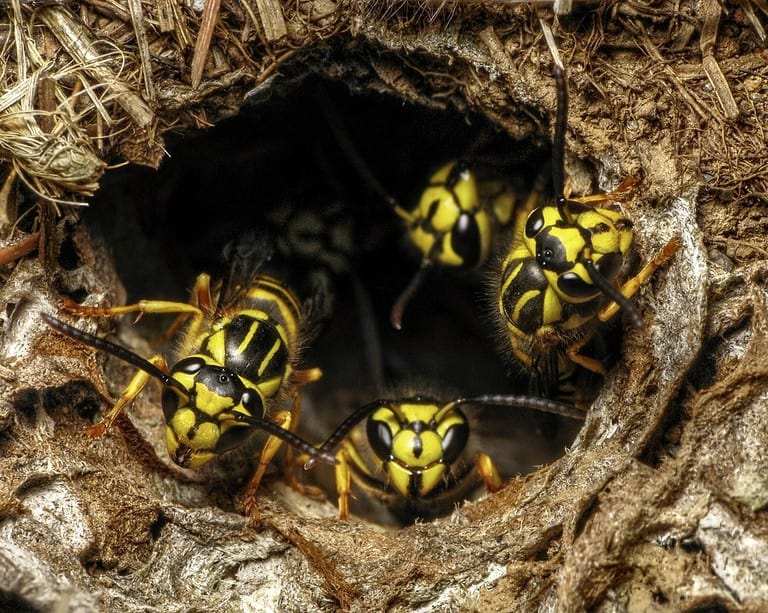
These wasps live in colonies made up of workers, queens, and males (drones). The whole colony, except the queen, dies off over the winter. The queens spend the winter sheltering in hollow logs, leaf litter, or man-made structures. They emerge in spring to establish new nests. Colonies can reach over 10,000 individuals!
You may spot yellowjacket nests attached to buildings and other structures. However, they will also nest in natural cavities and underground. The wasps build their nests from small amounts of leaves and decayed wood, which they chew and mix with their saliva. The nests are multi-tiered and protected by layers of a papery material called an ‘envelope.’ The wasps are highly protective of their colony, and approaching it is likely to result in you getting stung!
Why Are Wasps Good News for Your Garden?
Wasps generally enjoy a lower level of popularity than bees, but you could argue that they do just as much, if not more, good. Predatory wasps such as yellowjackets feed on a wide variety of insects. This includes flies, caterpillars, and beetles. Many of these are garden pests and infest your plants. Keeping their numbers in check helps to protect your garden. Caterpillars are captured by yellowjacket workers and liquefied before they are fed to the wasp larvae. Not a great ending for the caterpillar, but it stops large numbers of them from chomping through the leaves of your yard vegetation. Additionally, yellowjackets help control pests on commercially grown fruits and vegetables during certain times of the year.
Yellowjackets are not alone in being beneficial for your garden. Some other wasps, such as the great black wasp, are useful pollinators. This wasp species also feeds on young crickets and katydids, keeping their numbers in check. Parasitoid wasps are actively being used as a biological control method to help fight the emerald ash borer, an invasive pest that’s spreading through forests and destroying ash trees.
Balancing Respect With Caution
Whilst we must respect wasps and the crucial role they play in local ecosystems, we also have to be cautious around them. It’s no secret that many wasps sting!
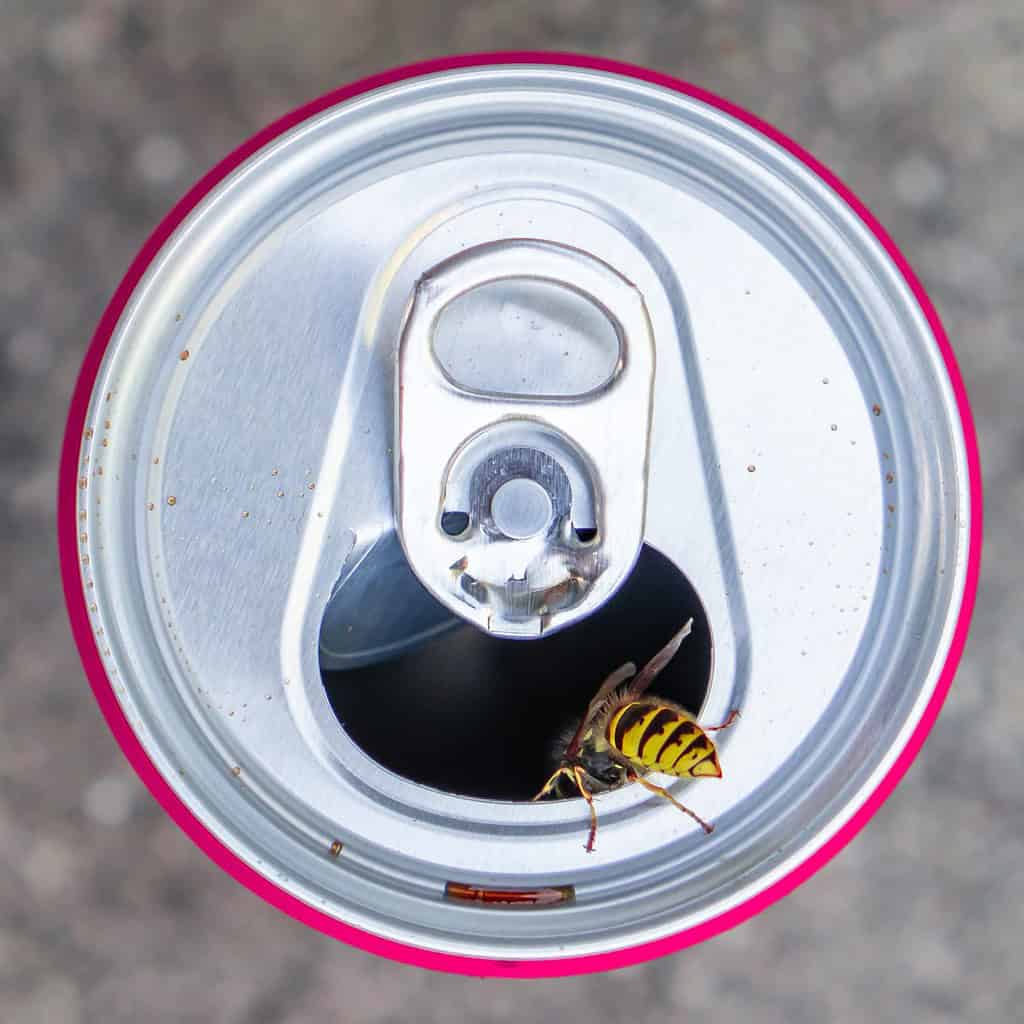
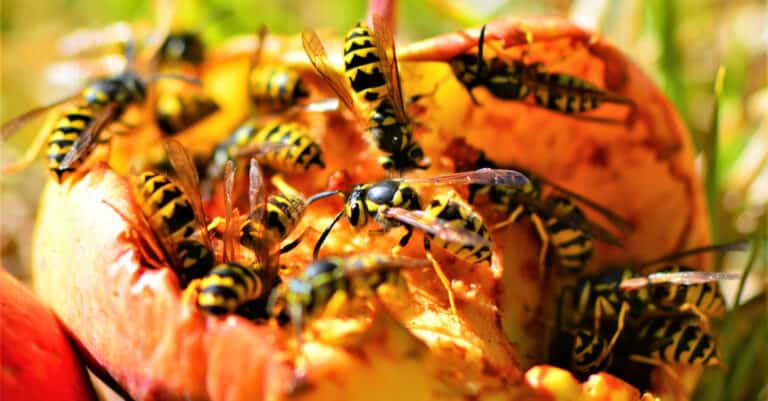
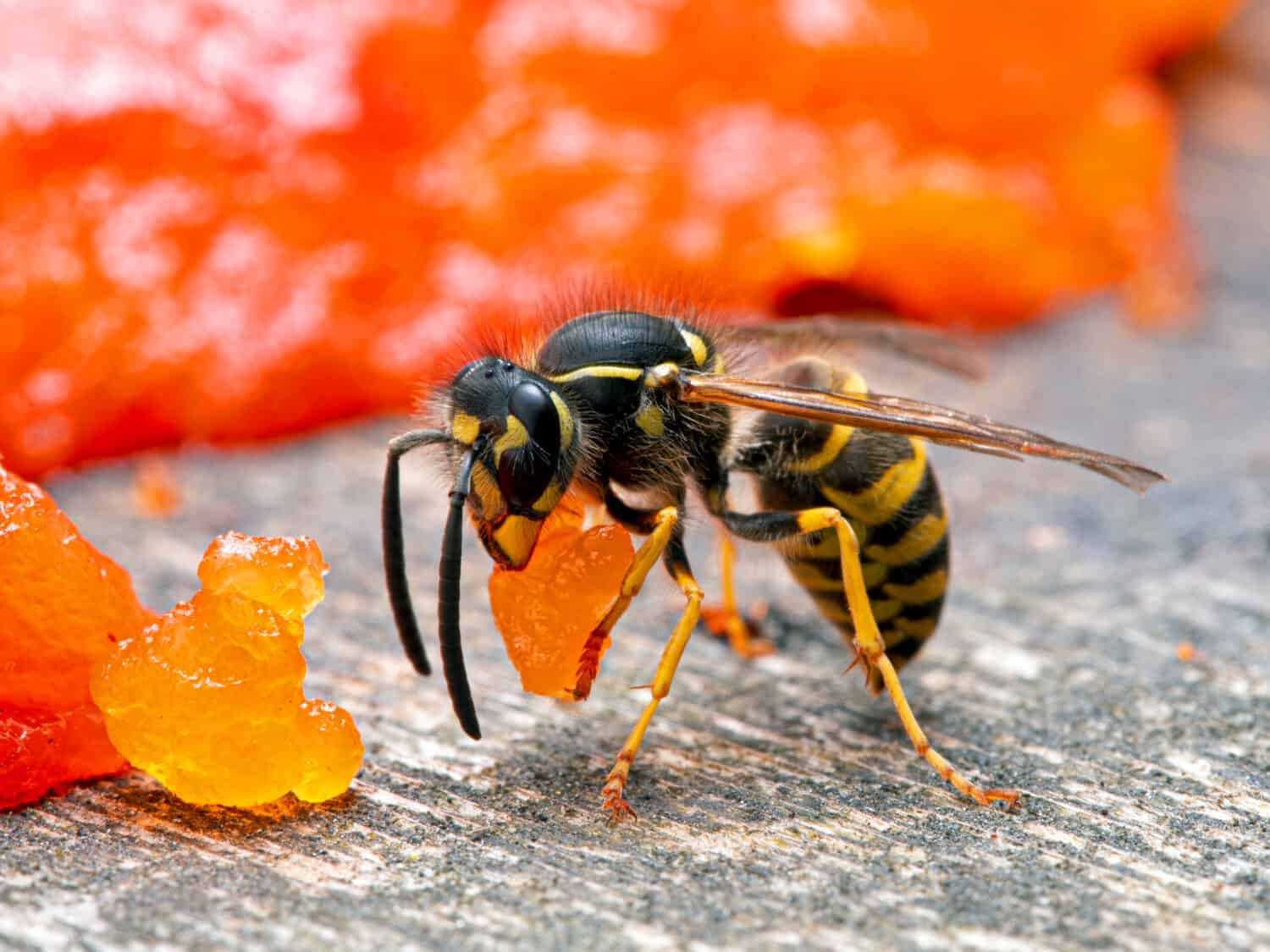
Sweet things attract yellowjackets in the fall.
©A. Kiro/Shutterstock.com
Yellowjacket populations peak in late summer and early fall, and this is when they can make a nuisance of themselves. Their appetite for insects wanes, and instead they seek out fruits and sweet treats. Sugars are particularly important to the newly developing queens in late summer. Consequently, their appetite for sweets aligns with human preferences, making them attracted to our meals. This is another situation where people often get stung while trying to shoo wasps away from their picnic or barbecue. If possible, the best approach is simply to avoid the area where the insects have built their nest.
Avoiding Yellowjacket Stings
When you are stung by a yellowjacket, they use their stinger to pierce your skin and inject venom. The venom contains the toxin mastoparan and the enzyme phospholipase A1. Unlike honey bees, who can only sting you once, these guys can sting you multiple times. It causes localized pain, redness, swelling, burning, and itching. However, some people are allergic to the venom, and for them this can be a life-threatening situation. The allergic response can include anaphylactic symptoms such as wheezing, coughing, difficulty breathing, and a tightness in the throat.
Leave Yellowjacket Colonies Alone – or Not?
If possible, the best approach is simply to avoid the area where the insects have built their nest. If they are not disturbed, they will not attack you. It will be abandoned by the end of the fall, and nests are rarely used the next year.
However, when nests are located in areas where they will inevitably be disturbed, and therefore present a risk to people, you may have to take action. Locate the nest and treat it with a registered pesticide or call in the professionals. It’s best to treat nests at night when all the wasps are inside. You must dress appropriately in eye goggles, leather gloves, and heavy winter clothes. Do not hold a flashlight, as wasps are attracted to light; instead, place the flashlight on the ground. Leave the area immediately after applying the insecticide.