
Quick Take
- Making wax costs bees far more than you'd expect, and the energy toll per ounce is staggering. See the energy cost →
- Only certain bees in the colony can produce wax, and the ones you'd assume are not the right ones. Discover which bees qualify →
- Before a single cell of honeycomb can be built, the hive must hit a very specific internal condition. See the hive condition required →
- Worker bees form a living chain during wax production, and the reason why reveals something remarkable about hive coordination. Explore the living chain →
Beeswax is a substance used for everyday items. We use it for candles, in skincare, and in other household goods. But have you ever wondered how beeswax is produced? The process is far more interesting than you might think. This Instagram post by @noblenectarapiaries shows some bees producing wax.
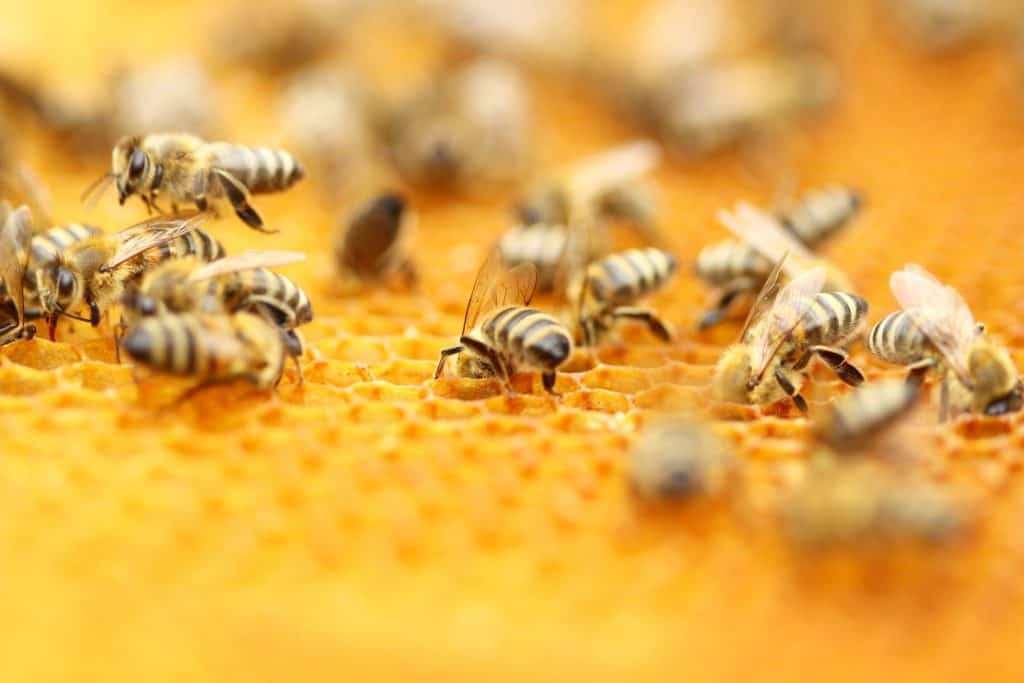
Fresh beeswax looks white or translucent, but turns the familiar yellow color over time inside the hive.
©Simun Ascic/Shutterstock.com
How Bees Produce Wax
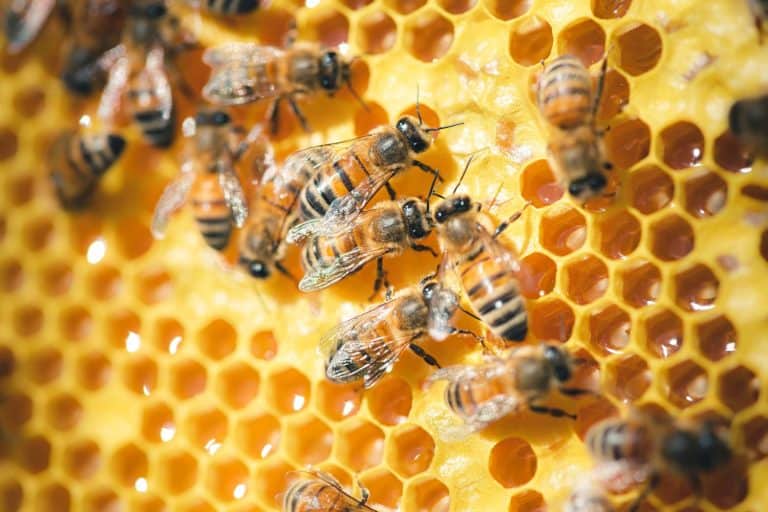
The video above is a great look at how beeswax is made. On the underside of the female bee’s abdomen, small pale flakes are emerging. These are wax scales that bees make inside their bodies. The process starts when the bee consumes food like honey or other sugars. Her body then converts the nutrients into wax, which is secreted through four pairs of wax glands. Initially emerging as a liquid, it hardens upon exposure to air. Other worker bees then remove the scales and pass them to her mandibles to be molded. Producing wax to make an entire honeycomb is a long and strenuous process. One worker bee can make about eight wax scales in 12 hours. With roughly 1,100 scales needed to make just one gram of beeswax, you need a lot of bees working together to build honeycomb.
Not all bees make wax. Production is mostly done by female worker bees. Males, also called drones, do not make any wax. Wax is used mostly for building and maintaining the honeycomb, which is the infrastructure of the entire colony. Bees use the cells for storing honey and pollen, and for housing young bees and eggs. Beeswax is often harvested from old or damaged comb that a beekeeper removes from a hive. For humans, the wax is used in candles, cosmetics, pharmaceutical products, and polishes. Thanks to these amazing insects, humans benefit in many ways.