
Quick Take
- The fly doesn't just kill bees. It reprograms them first, and the sequence of changes is stranger than it sounds. How larvae reprogram bees →
- Infected bees abandon their hives at night, though scientists still debate whether they are being ejected or leaving on their own. Nighttime hive abandonment →
- A forgotten vial of dead bees accidentally rewrote what scientists thought they knew about this parasite's targets. The accidental honey bee discovery →
- This parasitic fly may hold a clue to one of beekeeping's most baffling unsolved mysteries. Colony collapse disorder link →
Nature finds a way, and those ways aren’t always pretty, pleasing, or comforting. Some species raise their young at the expense of others. Apocephalus borealis is a species of parasitoid phorid fly in North America that targets different types of bees. But attack is just one part of the process. What makes Apocephalus borealis such an effective parasite is its ability to lay eggs in living bees. This infects the bees, so to speak, causing them to lose physiological function and act increasingly strange over the course of several weeks.
Bees are hardy, prudent creatures, but even they are no match for these parasitoid flies. Once infected with eggs, bees start acting at odds with their own survival. They abandon their hives during the night, accumulate around artificial lights, and exhibit increasingly circular, bewildering movements. Such infections eventually kill the bee, allowing fly larvae to emerge and restart the cycle. Let’s learn more about Apocephalus borealis and how it utterly disrupts bee colonies for the sake of its own survival.
Targeted and Infected
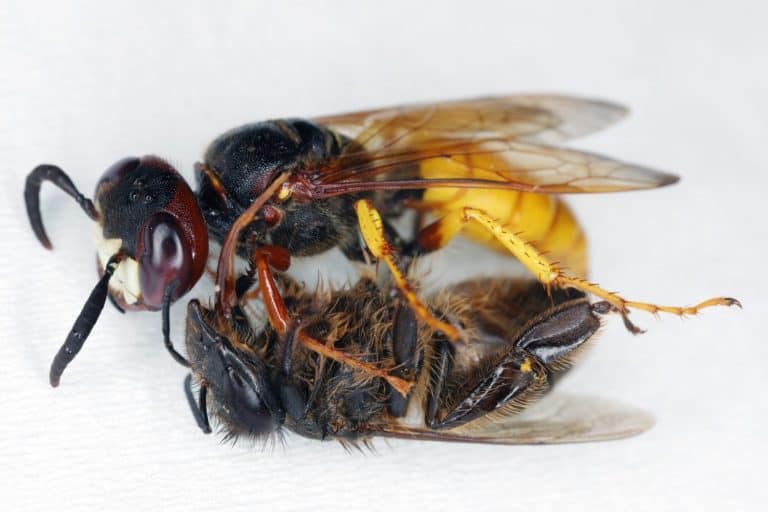
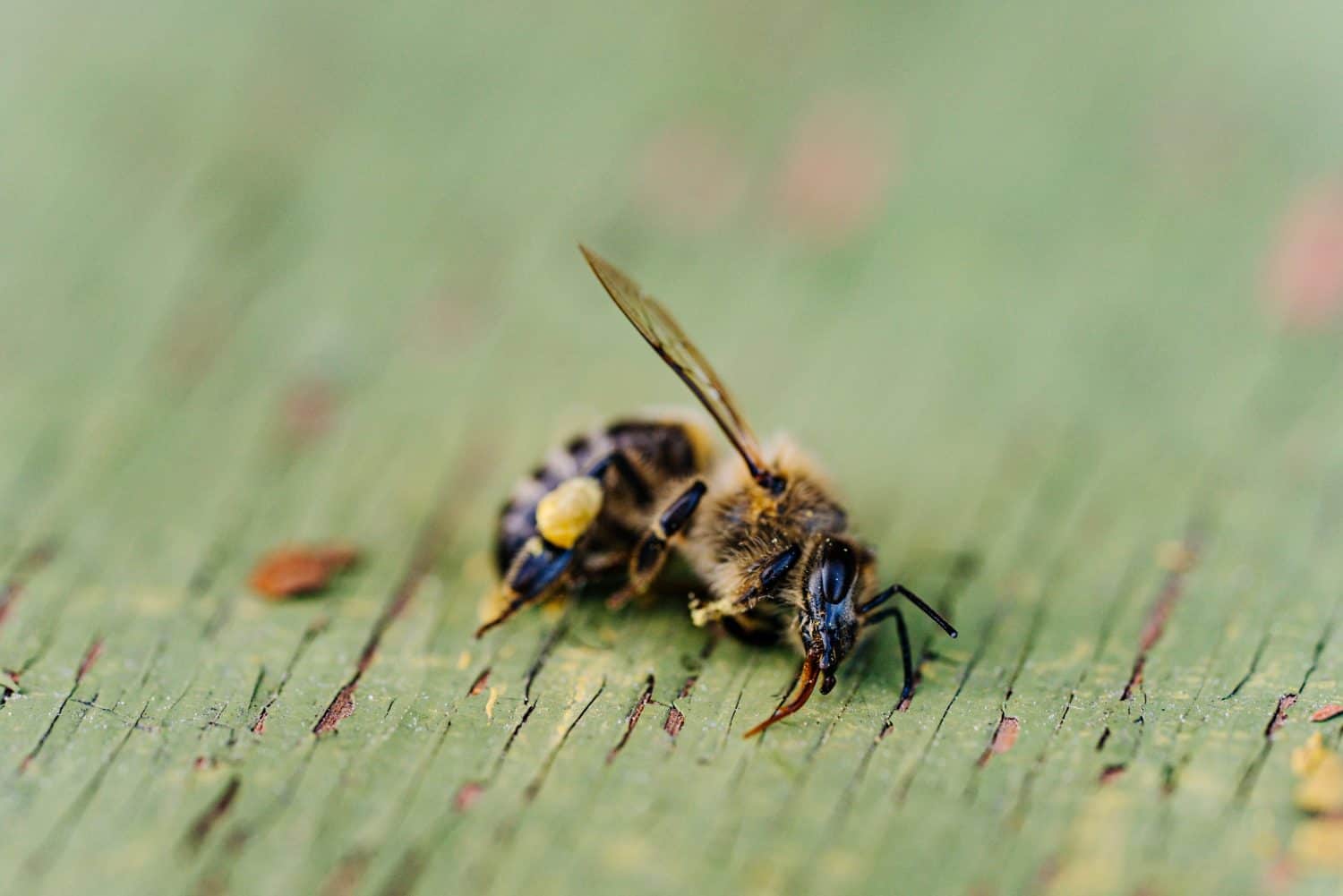
Bees in North America are targeted by parasitic flies that lay eggs in their bodies.
©valda butterworth/Shutterstock.com
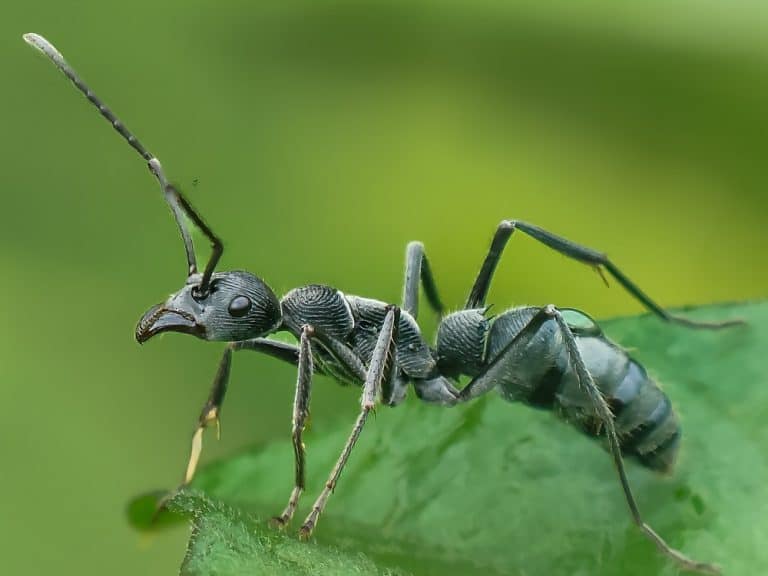
Apocephalus borealis belongs to the family Phoridae, which features a range of species that use organic matter for nests and parasitize other creatures. Some phorid flies infect ants. Apocephalus borealis, also known as the zombie fly, targets bees. Physically, these flies have small bodies, dark coloration, and prominent humpbacks.
Behaviorally, these flies are some of the most effective parasites in North America. They target honeybees, using them to carry eggs that eventually kill the bees. It’s a gruesome, surreal process, but one that Apocephalus borealis stages to survive.
It begins with female zombie flies. They seek out bees when they are away from their hives, targeting them when they are collecting food from flowers or even mid-air. With a suitable target pinpointed, female flies land on the bee and use a needle-like appendage called an ovipositor to deposit eggs into the host bee’s abdomen.
Increasingly Strange Behavior
Not long after eggs are deposited in a bee’s abdomen, the zombie fly larvae hatch. Over the course of several weeks, the larvae grow by feeding on the flight muscles in the bee’s thorax and on its hemolymph. This process corrupts the bee’s behavior as its internal organs are consumed from within.
Infected bees alter their behavior drastically. Instead of being active during the daytime and resting at night, they reverse course and begin abandoning their hives at nighttime. While scientists have yet to see these firsthand, infected bees are often found in groups around artificial lights. Their movements become erratic; bees begin walking in circles and eventually lose the ability to stand.
Experts still aren’t sure why infected bees leave their hives. One theory holds that healthy bees, sensing something is wrong, eject their infected hive mates. Another school of thought suggests that the infected bees might even leave the hive altruistically, sacrificing themselves for the health of their comrades. After about 7 days, the bees die. In short order, fully grown zombie fly larvae emerge from a spot between the bee’s neck and abdomen. From there, they bury themselves in the dirt, emerging as adults to find more bees to infect.
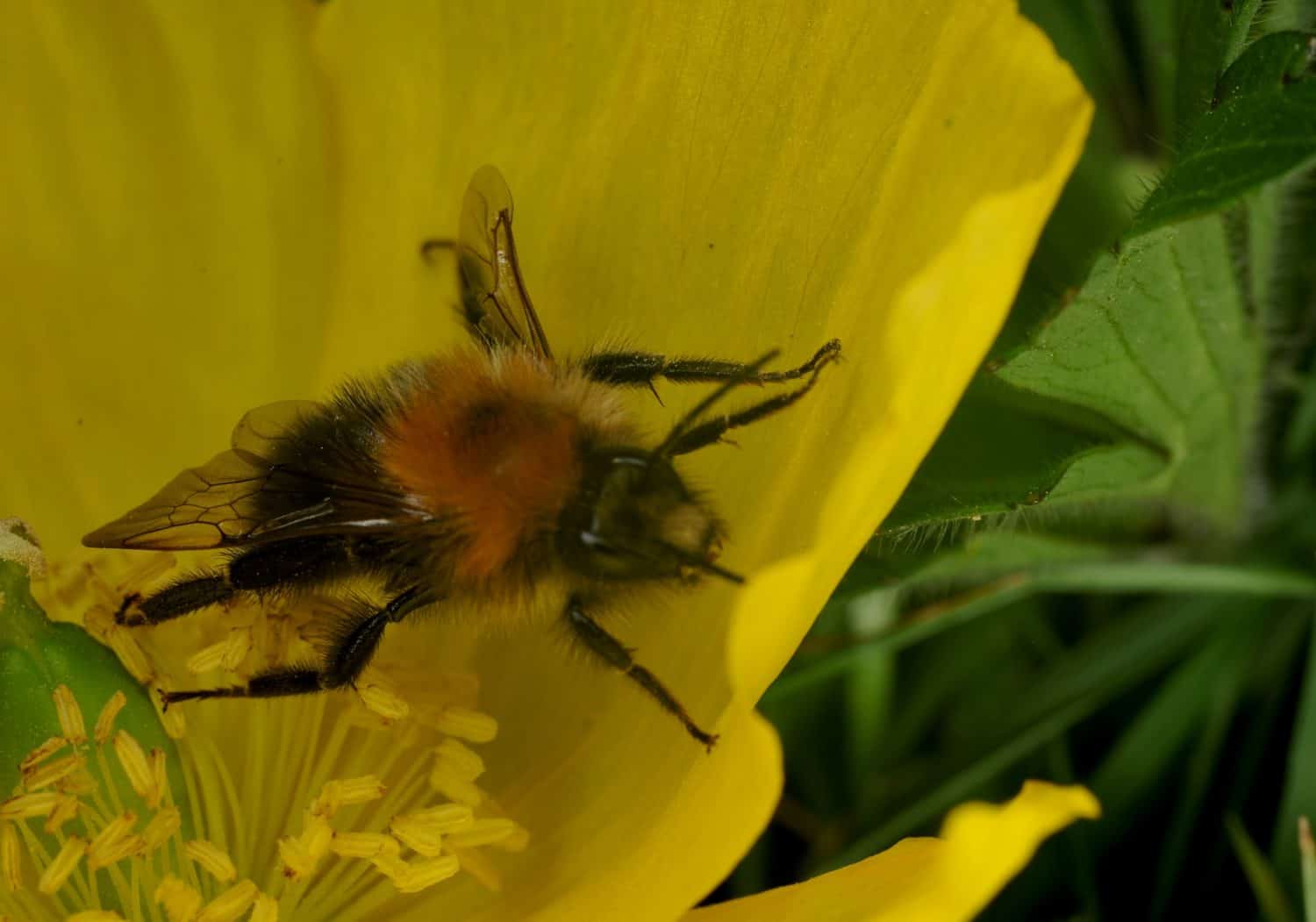
Not only do honeybees serve as hosts for these parasitic flies, but they also contract secondary infections from them. Research has shown that host bees can become infected with deformed wing virus. Furthermore, this parasitism process can reduce a bumble bee’s lifespan by up to 70%.
Recent Developments

Scientists didn’t know that zombie flies infected honey bees until a chance discovery at San Francisco State University.
©Charlie Wittke/Shutterstock.com
The mention of bumble bees above is important. Historically, phorid flies like A. borealis were known to attack bumble bees and paper wasps. That is, until around 2008–2009, when Dr. John Hafernik discovered honeybees being infected at San Francisco State. Outside Hensel Hall on campus, Dr. Hafernik noticed a grouping of dead honeybees near a light source. Curious about their demise, he placed them in a vial and forgot about them. A week later, however, he noticed larvae emerging from the bee carcasses.
Up until that point, no one knew that A. borealis infected honeybees. This led to theories about the switch. One possibility is that zombie flies began targeting honeybees because they are more abundant in certain regions. It also gave a hint at a mysterious condition affecting honeybees: colony collapse disorder.
Scientists still aren’t quite sure what causes bees to abandon their hives, but there might be a link between zombie flies and this phenomenon. Whatever the reason, A. borealis is one of the biggest threats to bees of all kinds in North America.