
Quick Take
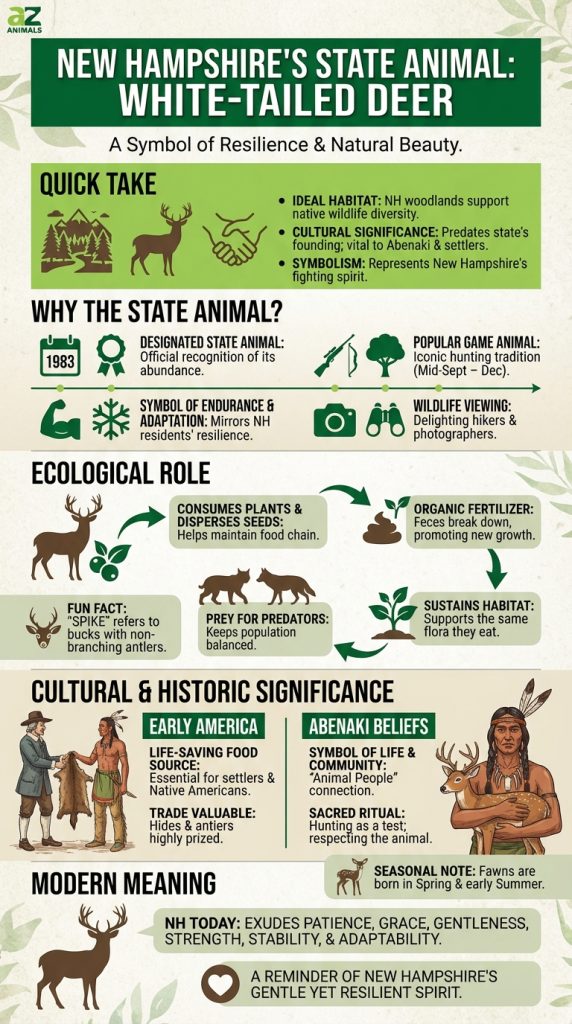
- The New Hampshire woodland provides the ideal habitat for maintaining native wildlife diversity, including white-tailed deer.
- White-tailed deer have cultural significance that predates the state’s founding.
- Locals believe the white-tailed deer represents many things, including New Hampshire’s fighting spirit.
White-capped mountains, wildflower meadows for miles, and lakeside beauty are iconic to New Hampshire. Its landscape is carved by top-of-the-world views and deep sapphire lakes, all home to its native wildlife. On any given day, a hiker might spot a black bear, red fox, or even catch a glimpse of a moose at dusk or dawn. These dense forests are teeming with life, but none so abundant as the white-tailed deer.
More than just a woodland icon—this resilient survivor carries the weight of history and the ‘fighting spirit’ of an entire state.
©
This animal has a long history with the state and will continue to roam its woodlands for years to come.
Its ecological and historic significance has made it New Hampshire’s state animal.
Why Is the White-Tailed Deer New Hampshire’s State Animal?
One of the most familiar and friendly faces in New Hampshire is the white-tailed deer. Aside from kind neighbors, most visitors are greeted first by doe eyes and big antlers. Deer are abundant throughout the state, so it was naturally designated the state animal in 1983. White-tailed deer are also a symbol of endurance and adaptation in New Hampshire, constantly reminding its residents of the same qualities. A hardy state deserves an equally strong animal, and the white-tailed deer exudes these traits and more.
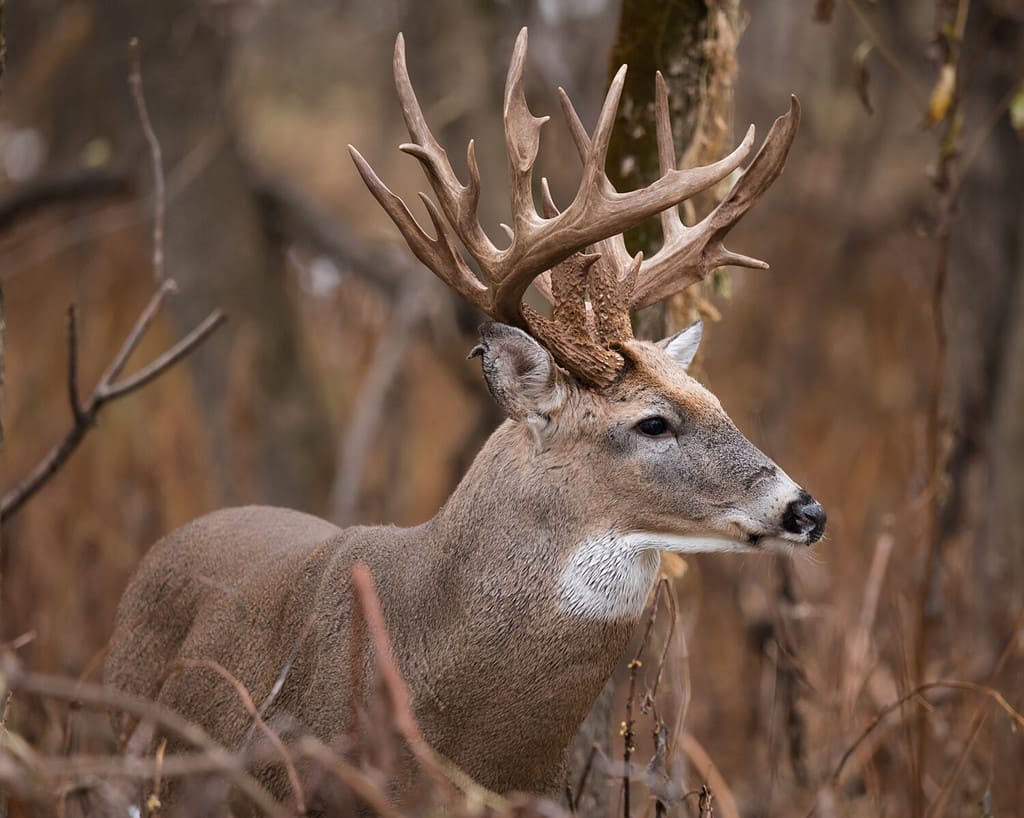
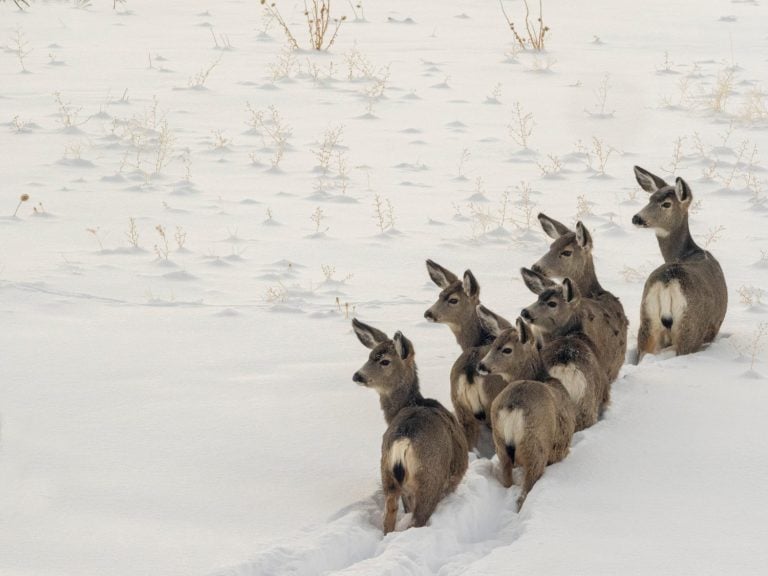
White-tailed deer are found throughout the U.S., but are abundant in New Hampshire.
©David Brickner/Shutterstock.com
White-tailed deer also have a long history with New Hampshire’s residents. They’re the most popular game animal for hunters, with hunting season running from mid-September through December. Within the hunting community, you’ll find rifle hunters, classic archers, and muzzleloaders during the first two weeks of November. This has become an iconic tradition throughout the state, putting the white-tailed deer center stage.
Non-hunters, both residents and visitors alike, also delight in seeing the state’s white-tailed deer. While they can be somewhat of a nuisance in gardens and on farms, they are also beautiful to observe. Many hikers bring binoculars to catch a glimpse of new fawns in the springtime, while wildlife photographers wait for that perfect leaping shot. White-tailed deer are the most recognized animals in New Hampshire, earning them fame without even trying.
Ecological Role of New Hampshire’s White-Tailed Deer
In addition to their popularity with locals, white-tailed deer play a crucial role in New Hampshire’s ecosystem. They consume plants and disperse seeds through their waste, which helps maintain the food chain. Their diet consists primarily of plants, nuts, and berries, and they forage seasonally, eating bark, twigs, and acorns when other food is scarce. By doing this, they essentially clear away debris while trimming plants and grasses. While this is a problem for gardens, it’s excellent for wild plants that can use the regrowth.
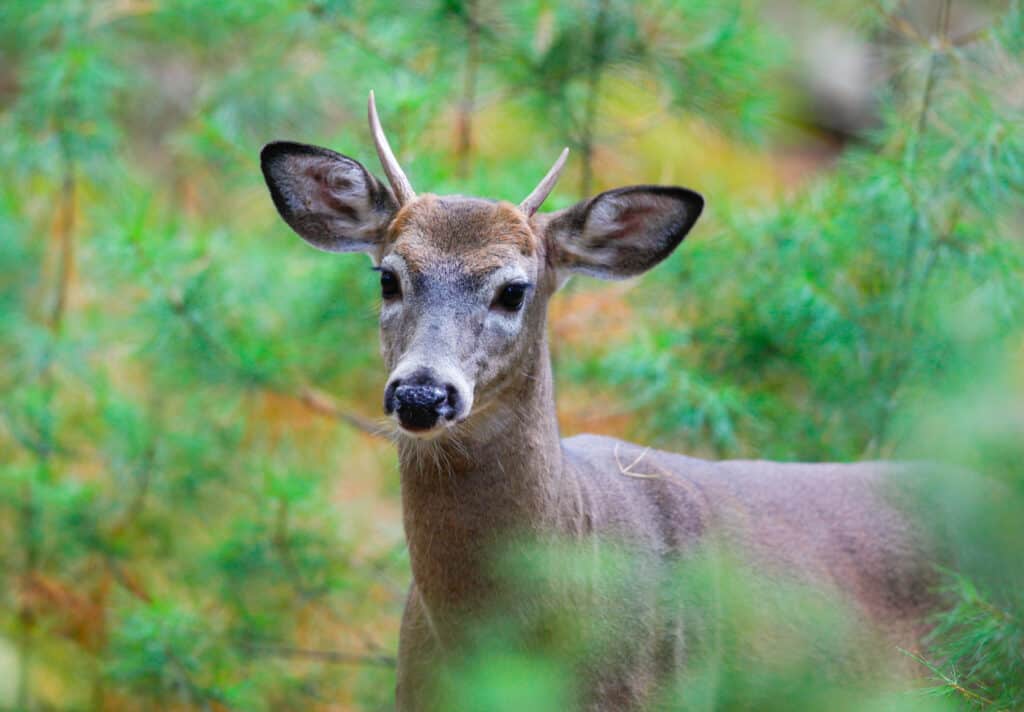
The term “spike” refers to bucks (male deer) with antlers that do not branch.
©iStock.com/Louise Wightman
As deer defecate, their feces contain seeds of the berries they’ve eaten. These turn into saplings and sprouts, which grow new plants. A deer’s feces also contain plenty of fiber, which breaks down into organic fertilizer for the soil below. This cycle allows deer to support the growth of the same plants and foliage that sustain them. In turn, deer are also prey for predators such as bobcats and coyotes. This keeps their population under control while also providing food for New Hampshire’s top predators.
Cultural and Historic Significance
Although the white-tailed deer didn’t officially become New Hampshire’s state animal until the early 1980s, it was historically significant long before that. During America’s founding days, deer became a life-saving food source for both Native Americans and early settlers. As New England was colonized, settlers learned hunting techniques from the Abenaki, an Indigenous people living in what is now the Northeastern Woodlands of Canada and the United States. Hunting deer was one of many lessons passed down, and it saved the lives of many facing New England’s harsh winters.
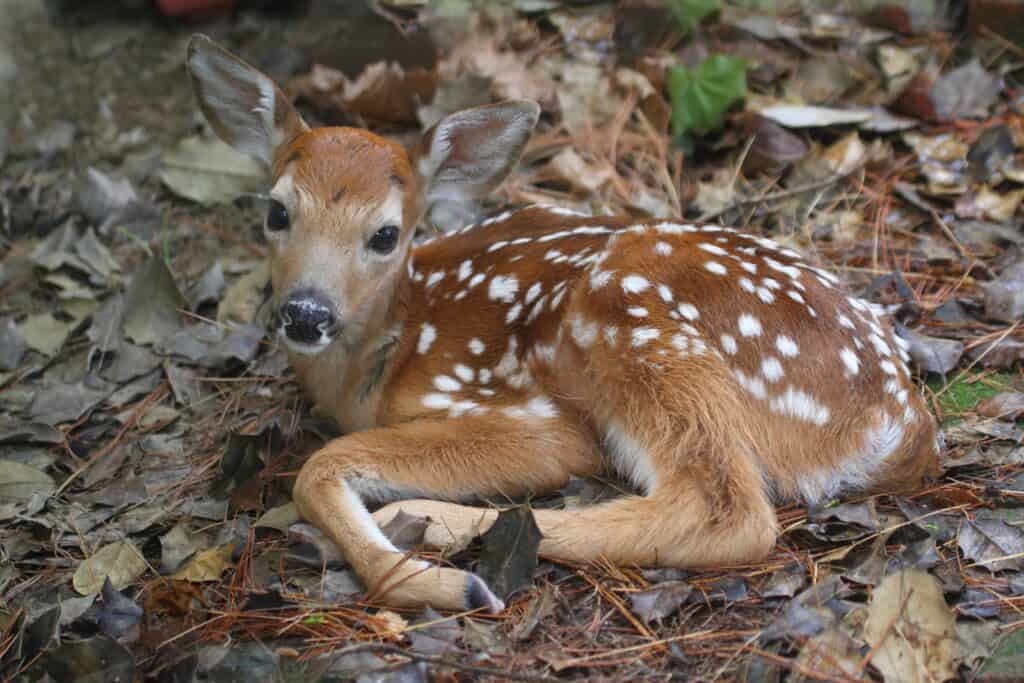
Fawns are born during the spring and early summer in New Hampshire.
©Steve Byland/Shutterstock.com
As members of the larger Algonquian language group, the Abenaki also traded with early settlers. This included meat, as well as other parts of the deer, such as its hide and antlers. Over time, these items became highly valuable, making the white-tailed deer one of the most prized catches in any hunt. Settlers also learned how to dry meat and create leather from the Abenaki people, and white-tailed deer were at the core of every trade.
To the Abenaki people, who are still honored throughout New England today, the white-tailed deer is symbolic of life and community. The Abenaki use deer hunting as a test and coming-of-age ritual, often using every part of the animal so none goes to waste. Deer are also called “animal people,” emphasizing the connection between humans and animals. When a deer is hunted, many bury the animal’s heart where it was slain.
What the White-Tailed Deer Means to New Hampshire Today
Today, the white-tailed deer is still honored in all these ways and more. Deer are symbolic in many cultures worldwide, but in New Hampshire, they remind locals of specific qualities. They exude patience, grace, gentleness, strength, stability, and adaptability. All of these are traits highly valued in New Hampshire, throughout New England, and by its residents.
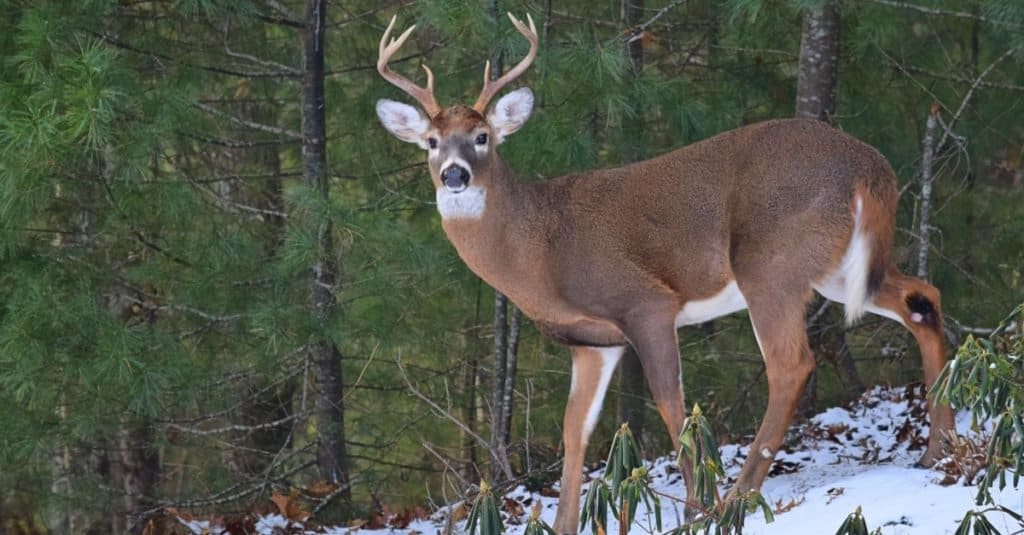
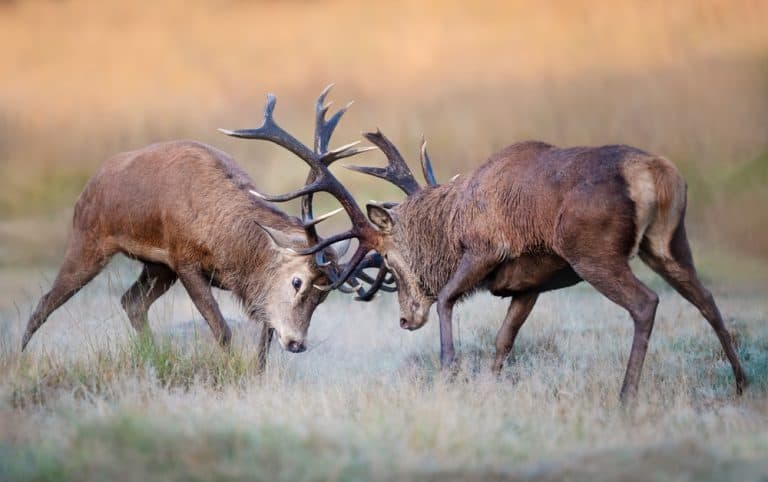
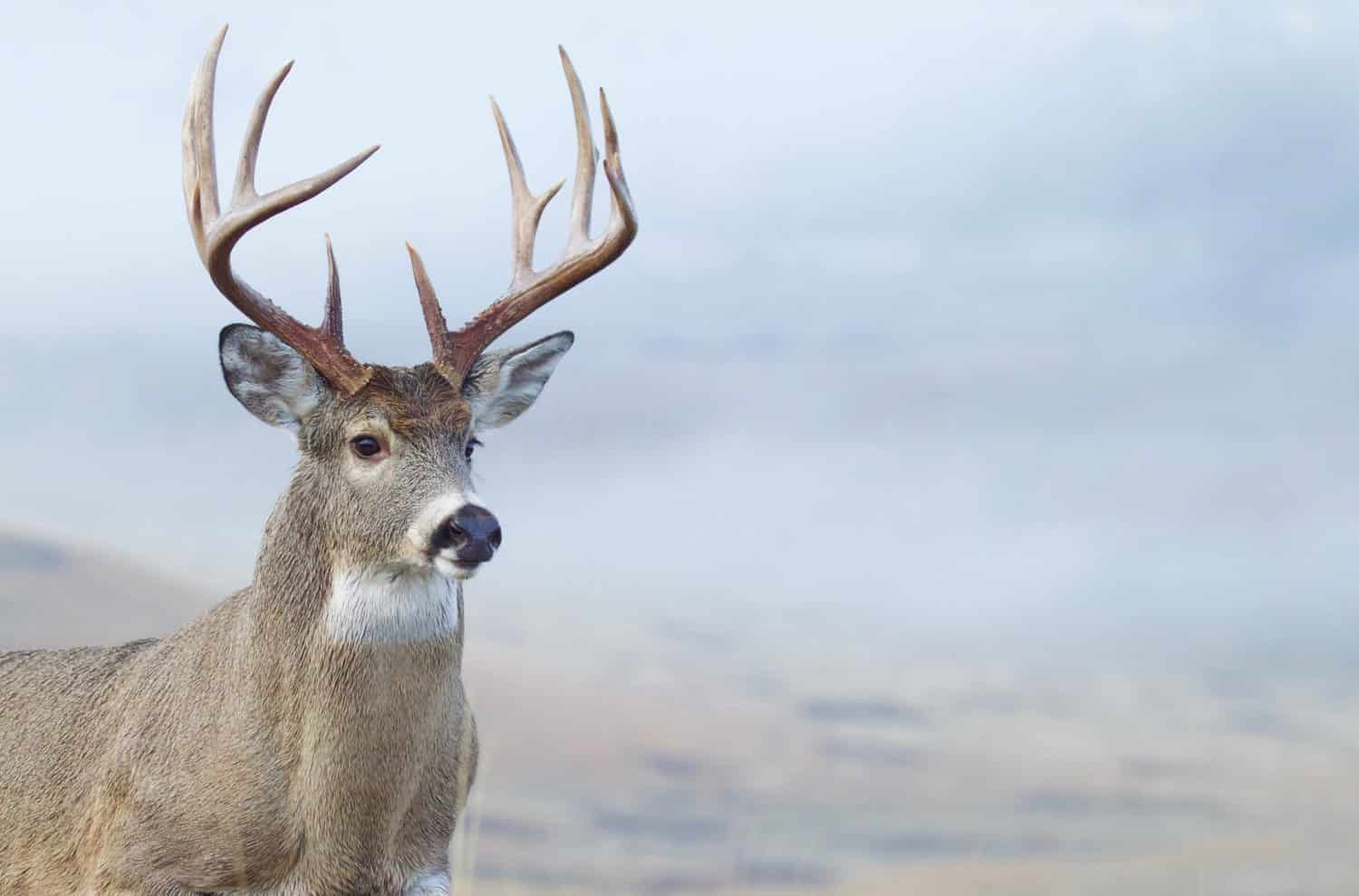
Bucks are often identified by New Hampshire hunters by the points on their antlers.
©Michael Sean OLeary/Shutterstock.com
Decades later, New Hampshire’s heart still lies in the presence of white-tailed deer on its land. You might see venison on menus and spot more deer in backyards than in the woods, but each sighting is a reminder of New Hampshire’s gentle yet resilient spirit—and the animal that represents it.