Quick Take
- 2,000+ species have been noted as needing immediate protection under the Endangered Species Act in the United States.
- Numerous species have waited up to 10 years to be added to the Endangered Species List, with some going extinct before protection is ever given.
- Lack of funding for surveys of threatened and endangered animals has led to many never receiving protection.
- There is a backlog of hundreds of species awaiting protection under the Endangered Species Act.
With each passing year, species across the United States face an uncertain future. As habitats continue to be destroyed, climate change destabilizes weather patterns, and invasive species take over the remaining natural habitats, native species are vanishing.
To combat the loss of native species and protect them, the Endangered Species Act was passed over 50 years ago. Unfortunately, due to the slow pace of bureaucratic processes, the waiting list for endangered species continues to grow. There are now over 2,000 species stuck in bureaucratic limbo that face the very real threat of vanishing from the planet before ever being protected, leaving many wondering whether species gaining a spot on the Endangered Species List are truly protected at all.
Over 2,200 Species Have Been Identified as Needing Protection
In order for a species to be protected under the Endangered Species Act, there are qualifications that need to be met. Organizations such as the IUCN or NatureServe have found there are thousands of species that are considered “imperiled” in the United States. The U.S. Fish and Wildlife Service, the agency in charge of adding animals to the Endangered Species List, sees things differently. This has resulted in many species not being protected that potentially should be.
According to a new study published in PeerJ, the number of species that meet the requirements for protection is significantly higher than that considered by the Fish and Wildlife Service. Using the Fish and Wildlife Service’s guidelines, which state that the “mere identification of any threat(s) does not necessarily mean that the species meets the statutory definition of an ‘endangered species’ or a ‘threatened species’,” and taking into consideration the “expected response by the species,” the authors of the study examined the list of over 10,000 species that NatureServe found to be “critically imperiled” or “imperiled” to see if any would qualify to be added to the Endangered Species List.
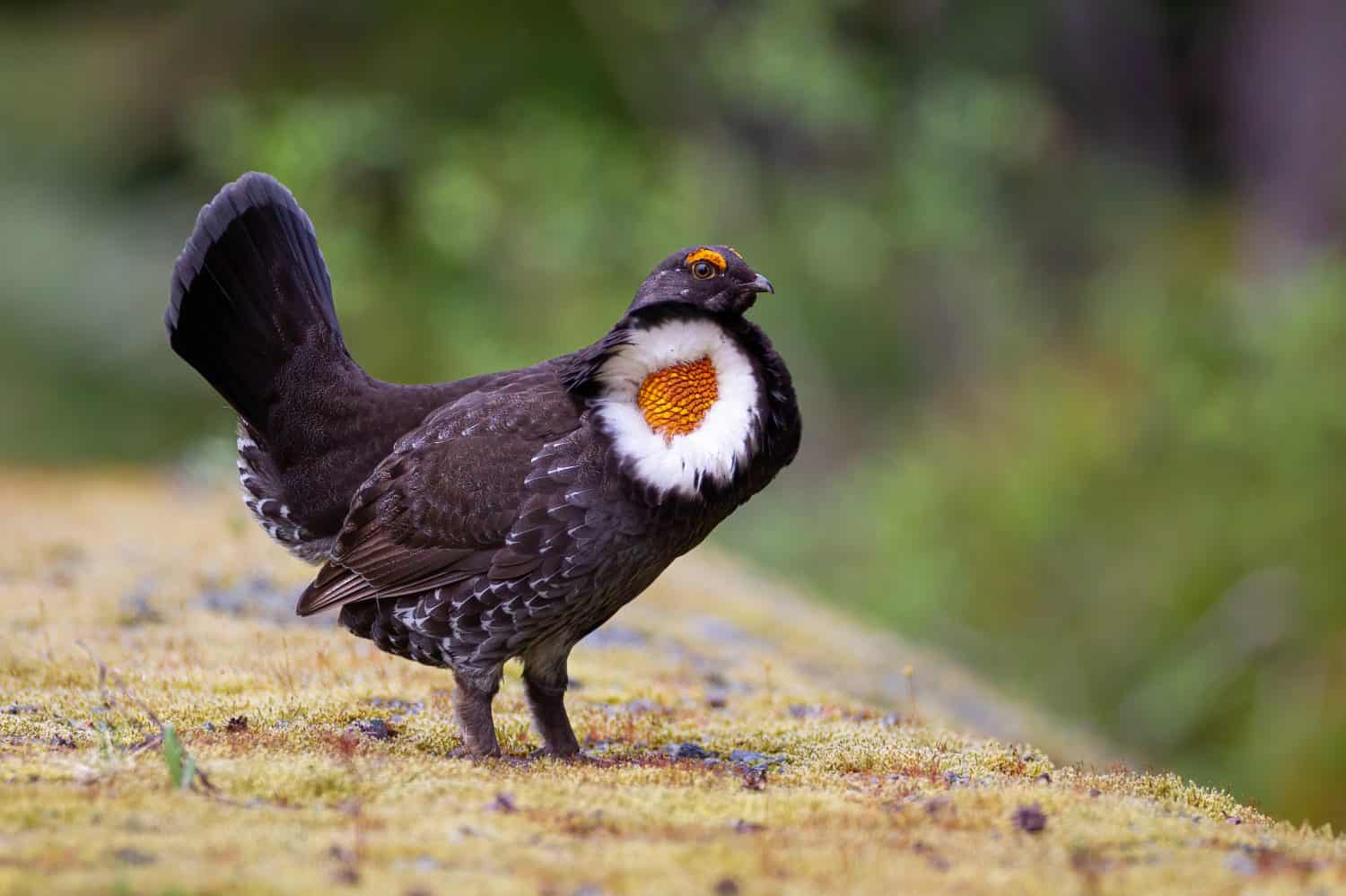
A Mount Pinos sooty grouse, similar to this grouse, is one of the species that may go extinct while waiting to be protected by the Endangered Species Act.
©Ivan_Yim/Shutterstock.com
The authors found that 2,204 species required immediate attention from the Fish and Wildlife Service. These species were categorized as endangered or threatened. While the majority of species were plants, the list also included insects, birds, amphibians, reptiles, and mammals.
The authors note that, in addition to the more than 2,200 species that meet the requirements of the Endangered Species Act, the imperiled species listed by NatureServe likely require attention as well.
Unfortunately, given the tremendous backlog at the Fish and Wildlife Service and a budget that requires the Service to do more with less, the future for these species is uncertain. The hope is that they will receive federal protection in the upcoming years. However, based on historical timelines for listing species on the Endangered Species List, the outlook is more pessimistic than optimistic.
What Species Are at Risk and Need Protection Now?
The authors of the study identified 2,204 species that meet the criteria for protection under the Endangered Species Act. The U.S. Fish and Wildlife Service identified seven species that warranted protection. With an average of 32 species protected annually by the Fish and Wildlife Service and a backlog of over 400 species, it is unclear whether or when these animals will be added to the Endangered Species List.
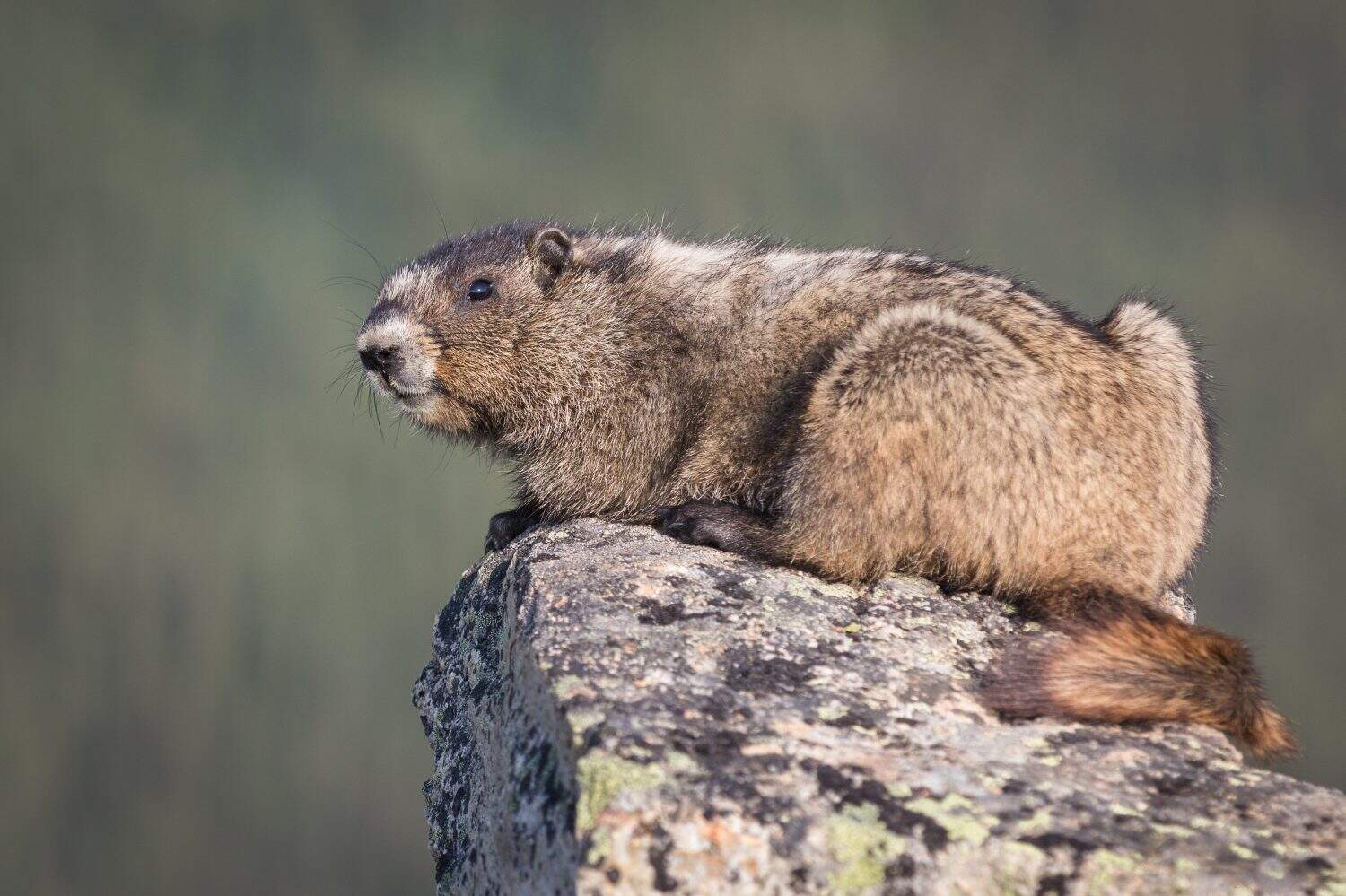
Olympic marmots meet the criteria to be protected under the Endangered Species Act, but may go extinct before that protection comes.
©Virginie Merckaert/Shutterstock.com
The animals that were deemed to qualify for protected status under the Endangered Species Act include:
- Olympic marmot
- Alvord chub
- Donner und Blitzen pebblesnail
- Mount Pinos sooty grouse
- Wonder caddisfly
- Mysterious lantern firefly
- Stippled studfish
Adding these animals to the list for consideration was a hard-fought process. It took petitions from conservation groups to bring them to the Fish and Wildlife Service’s attention. The process, which is supposed to take no longer than two years, has historically taken a decade to add animals. It is not yet clear whether this will continue to be the case for these most recently identified species.
Why the Majority of Protected Species Never Recover
It may seem that once a species is added to the Endangered Species List, it is on the path to recovering its population. Unfortunately, the lack of funding and, frankly, the lack of urgency, make the Endangered Species List ineffective for many species. Consequently, even when added, many species still go extinct.
According to a 2022 study published in PLoS One, by the time many species in the United States are granted protection, their population sizes are too low to support a rebound. The authors of the study found that vertebrates had a median population size of 1,075, and invertebrates had a median population size of 999 when formally protected under the Endangered Species Act.
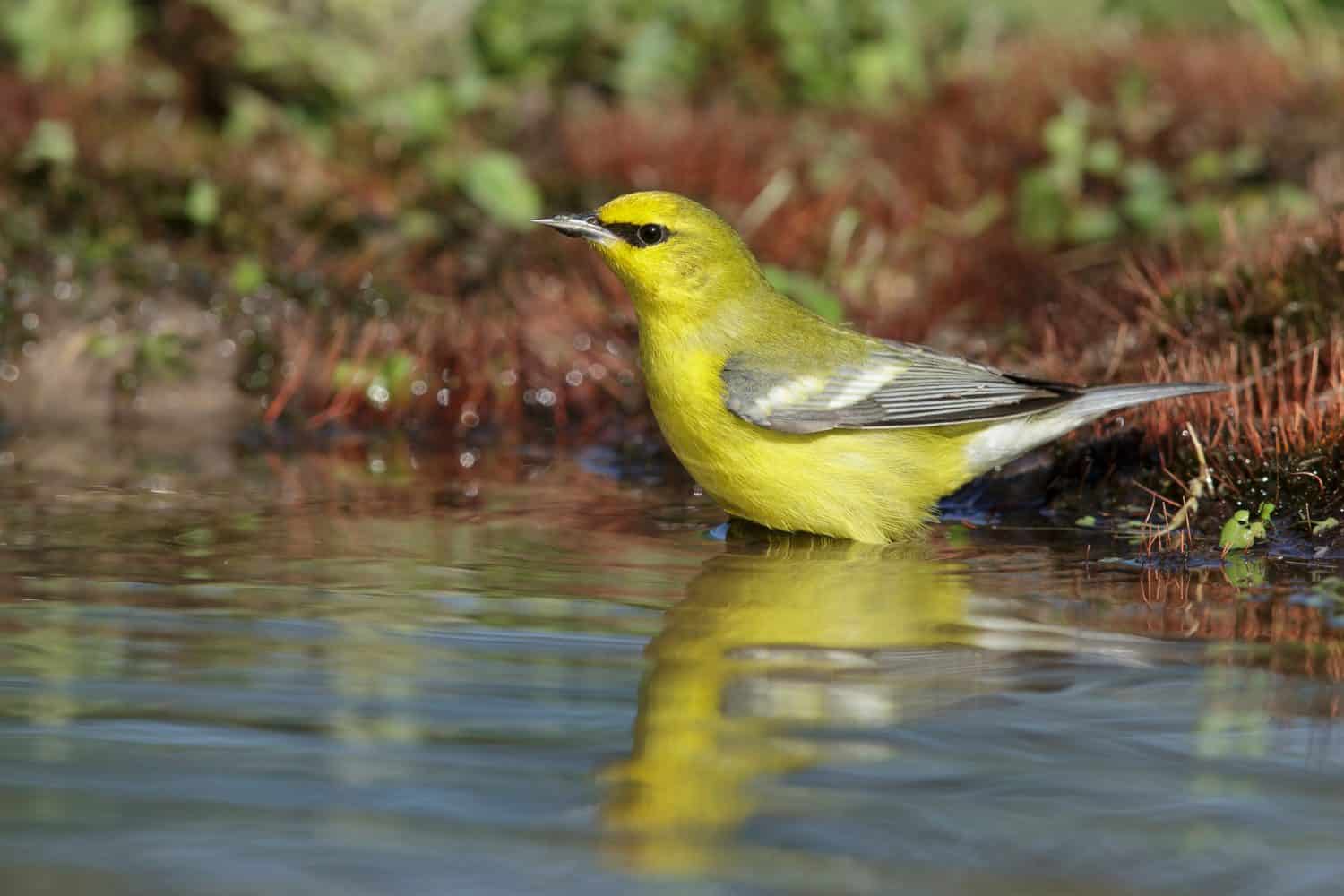
Bachman’s warbler, which looks similar to this warbler, was fundamentally extinct before it was ever listed on the Endangered Species List.
©Agami Photo Agency/Shutterstock.com
In addition to small population sizes, funding constraints make it difficult for the Department of Fish and Wildlife Service to perform its duties. Instead of being able to survey species that may need protection, a backlog of flagged species sits. By the time a species is studied to determine whether it meets the criteria for protection, the populations are at critically low levels. Combined with a lack of population diversity and ongoing habitat loss, the chances of species recovering to a point where they no longer need protection become a distant hope. It is a sad state of affairs that so many species identified as needing protection may never receive it. Even sadder are those species that need protection but will never be identified due to inadequate funding.
Why Was the Budget for Surveying Wildlife Drastically Cut?
The Endangered Species Act of 1973 was enacted to protect threatened species from being harmed, captured, harassed, or killed. To determine which species qualify for the Endangered Species List, surveys are conducted by members of the Fish & Wildlife Service, who then recommend species to be added to the List.

Thanks to massive budget cuts, the likelihood that threatened and endangered animals will be protected in a timely manner under the Endangered Species Act is slim.
©Volodymyr TVERDOKHLIB/Shutterstock.com
Conducting these surveys requires not only time but also financial resources. Although the budget has never been high, the Fish & Wildlife Service has managed to observe and add threatened or endangered species to the List annually for over 50 years. In 2025, Congress passed a budget of only $22 million. As part of Project 2025, funding was reduced again. This resulted in a 36% reduction in the budget, and, as reported in January 2026, the budget is now $14 million.
The budget will need to sustain the Fish & Wildlife Service through September 2026. What this means for the protection of endangered species is unclear. In the past, the Fish & Wildlife Service has protected just a few dozen species per year. Whether any will be protected, given the massive budget cuts, remains to be seen.
Biggest Threats to Species Requiring Protection
In addition to the budget being significantly slashed, species requiring conservation continue to face threats to their survival. They are not new threats, but threats that continue to affect species worldwide. The main threats, according to the study, that are leading species requiring protection to go extinct before they are able to be put on the Endangered Species List include:
- Habitat destruction: 92%
- Invasive species: 33%
- Climate change: 18%
Other threats noted by the study include small population size, disease, and predation.
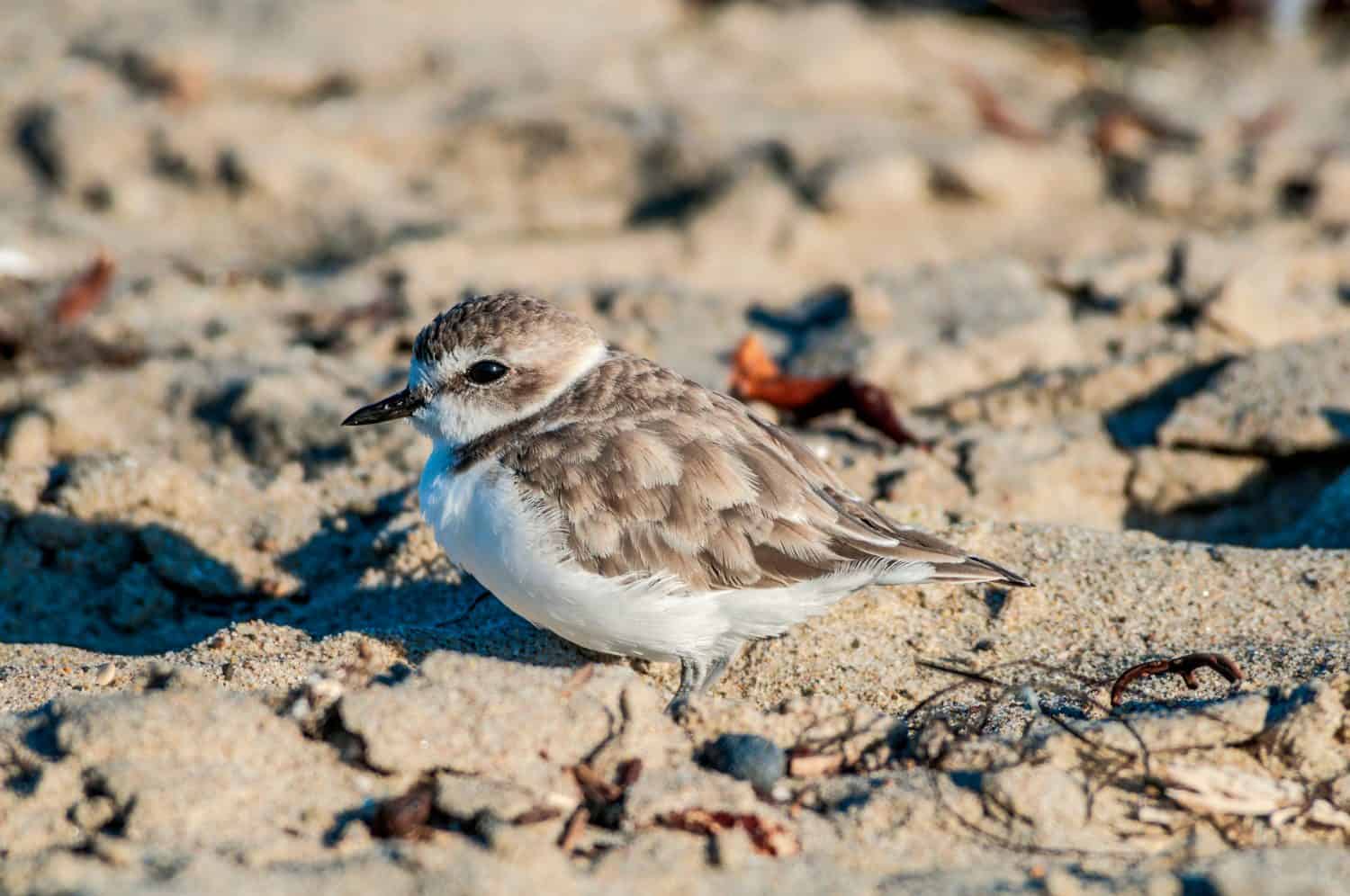
The snowy plover is just one of the species that have been waiting to be added to the Endangered Species List for an extended period.
©Nick Pecker/Shutterstock.com
The regions where species “warranted the most protection,” according to the study, were as follows:
- California: 688 species
- Southeast: 650 species
- Southwest: 323 species
- Midwest: 88 species
- Northeast: 84 species
Unfortunately, given how few animals have historically been added to the Endangered Species List when more funding was available, and given the recent dramatic budget cuts, the number of species that require protection is expected to rise as threats intensify. As things stand, the authors of the study believe the 2,204 species that have been identified as needing protection is “conservative.” With NatureServe stating that the number is closer to 10,000 and others believing the number could be as high as 35,000 across the United States, it shows just how important the budget for the survey of imperiled species is.
The future for animals on the brink of extinction remains uncertain. With limited resources comes limited knowledge, and the very real possibility that species yet to be discovered will go extinct before they are ever found. Many species known to need protection may well follow the paths of others that were forever eradicated while waiting for protection. This is why the authors state that not only does funding need to be restored, but it also needs to be increased. If this does not happen, many species that help make regions so richly biodiverse will be lost forever.