
Quick Take
- Park outings with kids require respecting wildlife, as chasing ducks can provoke panic and injuries.
- Geese defend nests and can injure people, so keep a distance and supervise children.
- Pigeons may fly at children if provoked, so avoid chasing and feeding them.
If one word sums up a trip to the park with our kids, it’s ‘wholesome’. This is the kind of family outing that leaves you feeling pretty good about your parenting. It’s also one of those outings that can be enjoyed by children of various ages; even a surly teenager might be persuaded to tag along for an hour. Park outings tick a lot of boxes when it comes to advice on raising kids. It takes place outdoors in the fresh air, involves at least a moderate amount of exercise, and allows you to spend time in nature.
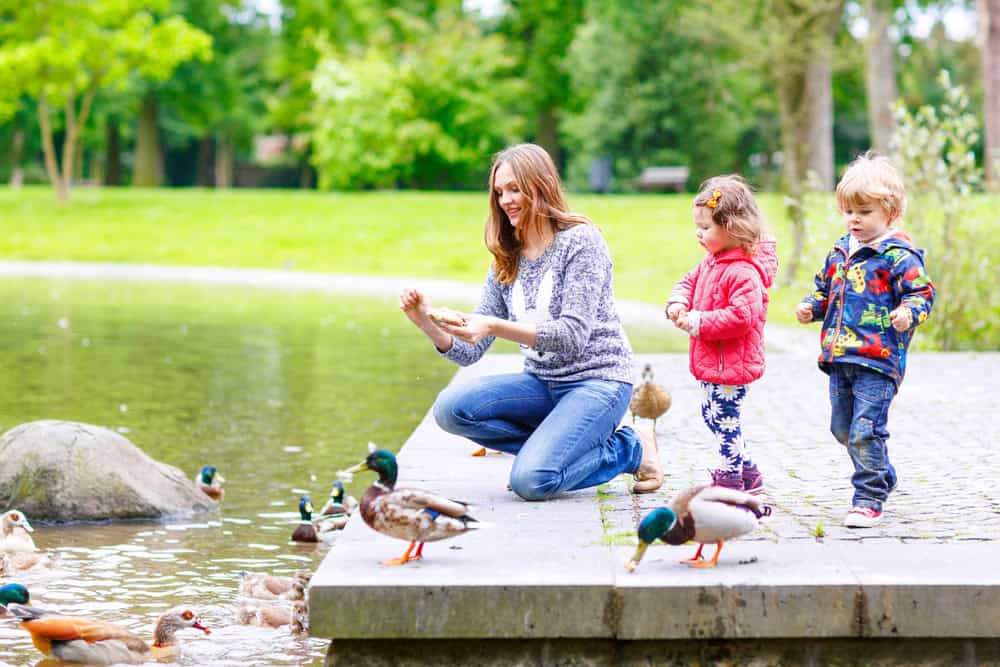
So, there you are in the local park watching your kids run around on the grass when they spot some ducks or maybe a group of pigeons. The kids are intrigued and set off towards the birds to investigate further. The younger ones are probably shrieking ‘birdie’ as they toddle along, and you are enjoying seeing them so fascinated and having a great time. Meanwhile, the birds are pretty spooked and start running away, so the kids run faster, and before you know it, it’s turned into a full-scale pursuit situation with shrieking kids now racing at full speed towards a flock of terrified birds.
So, is this still wholesome? Should you get out your phone and record the scenario so that you can share it on your social media #funwithducks? Or is this animal abuse and an opportunity for a life lesson about respecting nature and animals?
Ducks as Prey
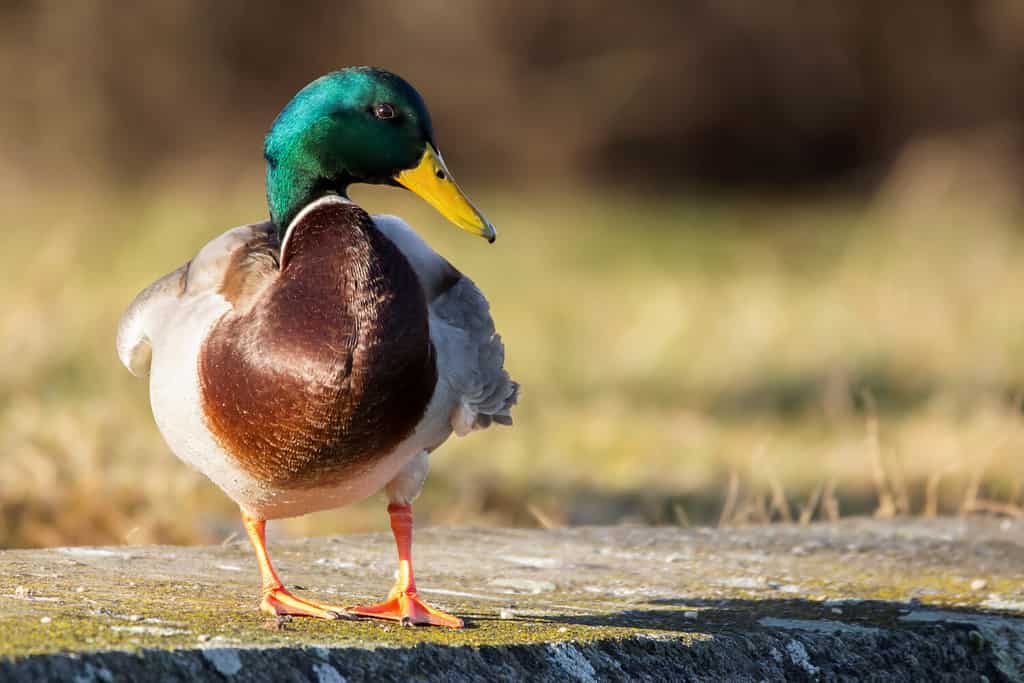
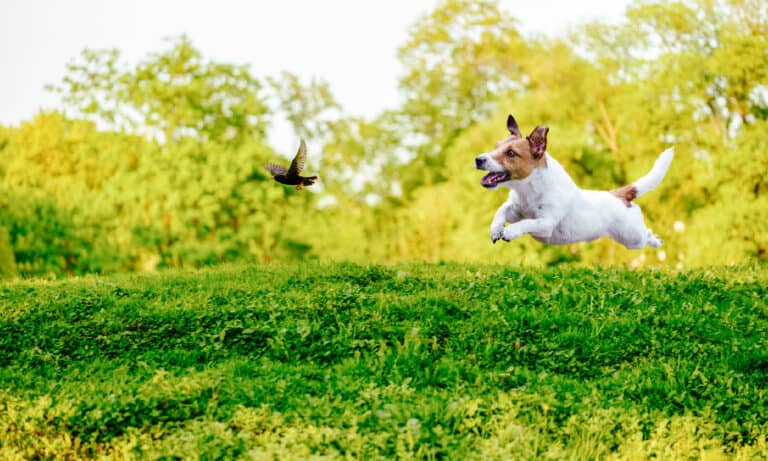
Ducks will try to run from a threat.
©Luka Hercigonja/Shutterstock.com
In the wild, ducks are preyed on by several other species, including larger mammals such as foxes. In urban parks, they can be killed by domestic dogs and cats. Therefore, they have innate mechanisms that they have evolved to keep themselves safe.
Duck antipredator behaviors include vigilance and prey apprehension, so these birds will have been aware of your kid, probably from the moment you arrived in the park. They also use freezing, alarm-calling, attempts to run or fly, and even death feigning in some species. Ducks can display panic behavior, which is characterized by hyperexcitability, violent escape reactions, and ‘pile-ups.’ There have been instances where ducks broke their legs while being chased, often by tripping over their own feet. This may be fun for the kid, but it is certainly not fun for the ducks!
Means of Escape and Aggression
The most effective anti-predator strategy for ducks to avoid a land-based predator is to get into the air quickly, but that is not always possible. Some duck species have their legs set far back on their bodies, which means that they need a long ‘run up’ to take off. This is not always available in a crowded park. Being chased is especially stressful for ducks if they have ducklings to protect. Not all ducks respond in a passive way, and some will use aggression to drive off the perceived threat. Muscovy ducks can be particularly feisty and have bitten people.
The ducks in your local park may not be an endangered species, but many parents argue that they are not on this planet for your child’s entertainment. Some people also point out that many families eat duck and serve it to their children. This mixed messaging may require careful explanation about compassionate animal husbandry and ethical practices, which is not an easy topic to discuss with a two-year-old.
Chasing Geese Is Not a Good Idea!
Geese are generally larger birds than ducks, and so their defensive tactics are a little different. They are willing to use their strength and size to take on a potential threat in some cases. Aggression is most likely during the breeding season, when geese are establishing dominance and later defending nests and goslings. Even if you cannot see a nest, there could be one nearby.
When geese are regularly fed by people, they may build their nests close to areas where people hang out. Serious injuries are uncommon but have been recorded, and some have been reported in the media. In December 2025, a Dallas woman fell as she was attacked by a group of geese. She was also trapped on the ground as the geese surrounded her.
Geese are strong enough to break human bones and cause extensive soft tissue injuries. If a child were attacked by a goose, it would be a terrifying experience. However, it is important to remember that geese are acting instinctively, not out of malice. The best thing is to teach your child to keep a respectful distance and not chase them.
What About Pigeons?
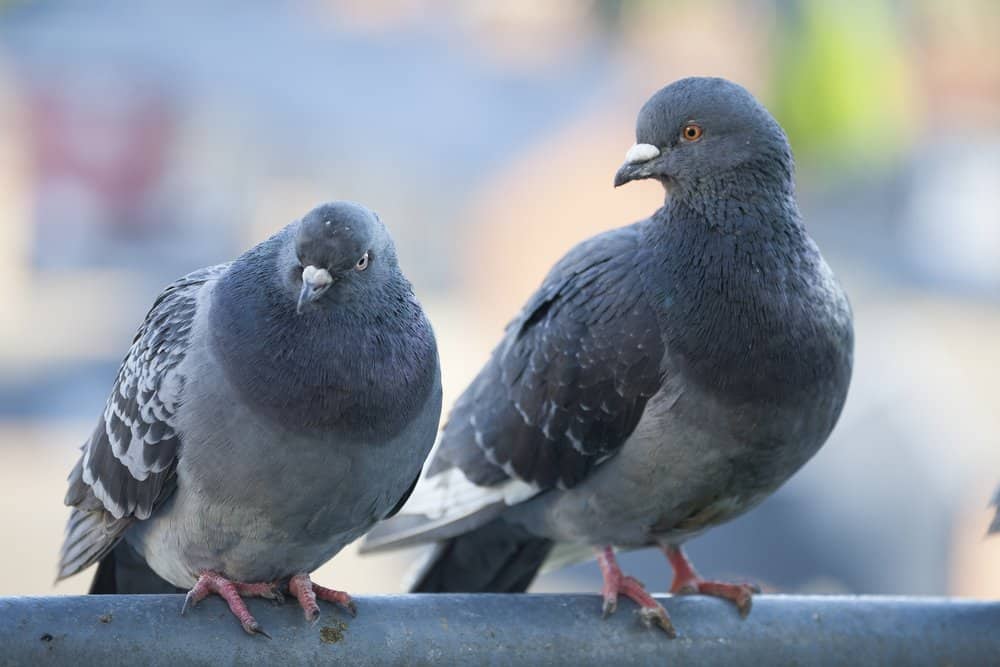
Feral pigeons are part of city life.
©Julie A Lynch/Shutterstock.com
Woody Allen described pigeons as “rats with wings” in the 1980 film Stardust Memories. That sums up how many people feel about the feral pigeons that occupy our streets and parks. These birds are actually hybrids of rock doves and domestic pigeons. There are around 400 million pigeons worldwide, and the majority of them are feral or domestic birds. Their presence in the US is due to European colonists who brought them here in the 1600s.
For some US cities, New York included, they are as much a part of city life as the traffic and subways. They are mostly harmless and gentle birds that gather in groups. They stay close to humans because they find shelter and a steady supply of food. Chasing or scaring them can cause them injuries – they may fly into traffic, for example. It also makes them stressed.
Pigeon Defences
Most of the time, pigeons will fly away and return once the child has left. However, sometimes pigeons can become territorial and aggressive toward each other, and this aggression can occasionally be directed at children who provoke them. While it’s true that a pigeon is unlikely to cause a serious injury, they do have sharp beaks and claws. If a pigeon flies at a child, it would be a very scary experience for your child.
As with ducks, you have to ask yourself if it is appropriate to encourage your child to think that scaring an animal is a form of entertainment. The concern is that this behavior encourages children to believe they have the right to treat nature however they wish. Considering issues like habitat loss and climate change, it’s clear that such attitudes can have serious consequences as children grow into adults.