
Quick Take
- Blacktip sharks are common from Virginia to Florida and can reach up to 6.5 feet.
- Post-release survival for blacktip sharks varies; one study found 90% survival after 72 hours, another 82% after 10 days.
- Best practices for survival include using non-stainless steel circle hooks, minimizing handling, and reviving the shark with water flowing through mouth and gills.
Beachgoers at South Carolina’s Coligny Beach witnessed a shark-related drama that was also captured and shared widely online. You can see it on this Instagram post, which shows a 3-foot blacktip shark that had been captured on a hook and line. The atmosphere is super tense as a young man confidently sits astride the shark but still struggles to get the hook out of its mouth. Eventually, the hook comes out, and the shark is dragged back into the ocean. We’re taking a look at the science behind the event featured in this viral video, which has received a #sharkboy hashtag.
Catching Blacktip Sharks – Conservation
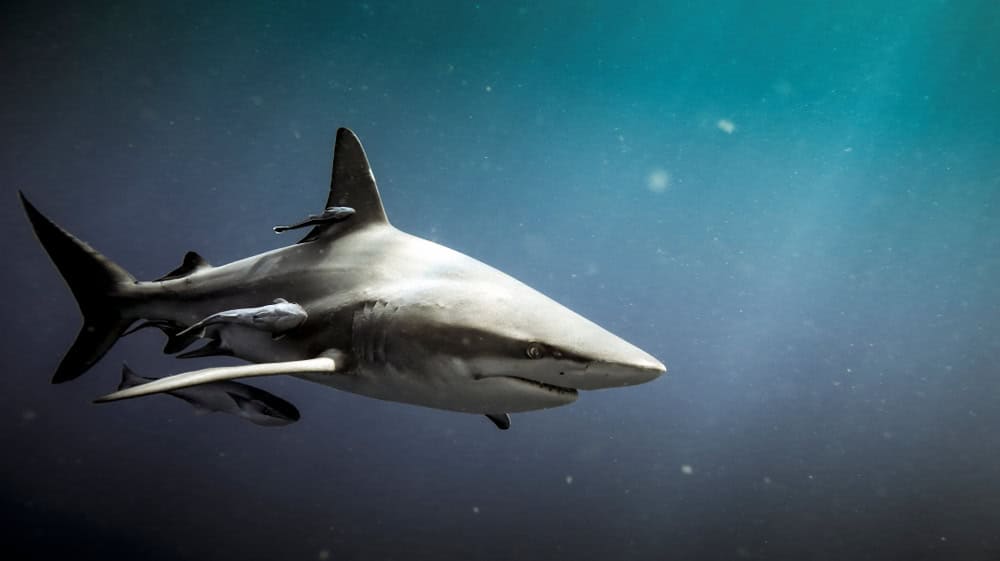
Atlantic blacktip sharks (Carcharhinus limbatus) are found year-round in the Gulf of Mexico, as well as commonly spotted off the coast of Virginia down to Florida. They grow up to 6.5 feet in length and are gray to gray-brown, with white on the belly. Their torpedo-shaped body allows them to move swiftly through the water. They have pectoral, dorsal, and tail fins with black tips, but the anal fin is white.
This species is not endangered, and its stocks are not overfished. That said, it has experienced a reduction in numbers in recent decades. It is classified as Near Threatened globally and is subject to federal management and regulations. Their flesh can be consumed and is considered by many to be tastier than other shark meat. However, there are concerns about the levels of mercury, so it is recommended that it be eaten in small quantities. The shark in the video, however, was lucky because the person who caught it intended to release it!
Was Shark Boy in Danger?
It’s clear from the clip that this was not an especially large shark. Nevertheless, this shark species has plenty of coarsely serrated teeth, which it uses to prey on fish such as sardines, menhaden, and herring.
They have been known to bite people, but it is rare. According to the International Shark Attack File (ISAF) there have been just 29 unprovoked blacktip shark bites on humans since 1959. Only one of these was fatal. Most incidents result in relatively minor wounds. While the boy in this clip was taking a risk, he was unlikely to have been seriously wounded.
Catching Blacktip Sharks – Welfare Issues
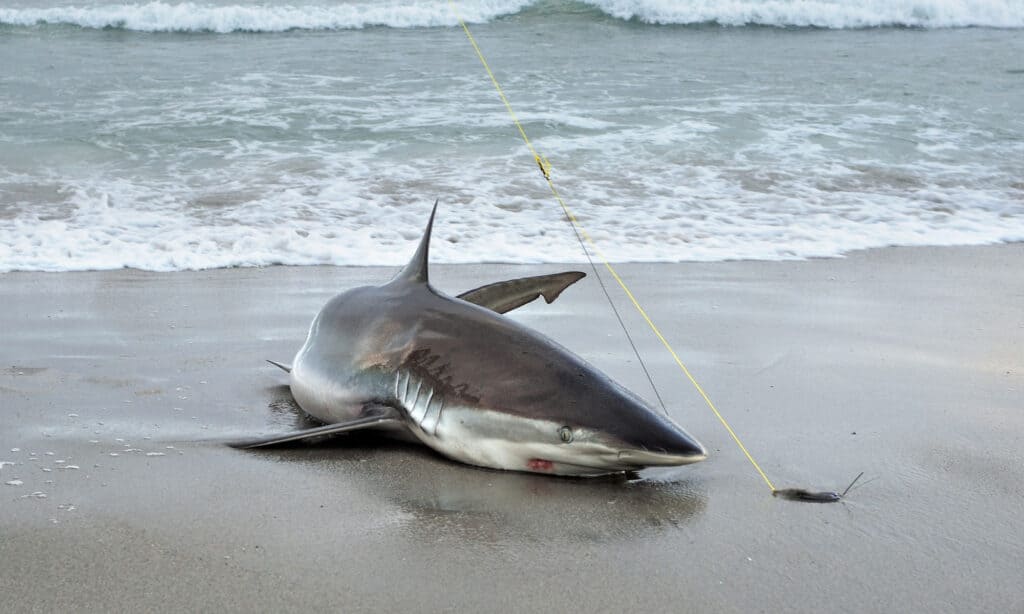
Some sharks can be caught using rod-and-reel gear.
©Oleg Znamenskiy/Shutterstock.com
Recreational fishermen typically catch these sharks using rod-and-reel gear. They are a popular recreational species, often jumping and spinning out of the water, making the catch even more exciting! In the U.S., recreational anglers are required to use non-offset, non-stainless steel circle hooks when fishing for sharks with natural bait. These are hooks where the point is turned perpendicularly back to the hook shank to form a generally circular or oval shape. Due to this type of hook, the boy spent a long time removing it from the shark.
When anglers catch a fish and release it back into the sea, it is termed ‘catch and release’. The assumption here is that most sharks will survive, but it is clear from the clip that it is a stressful and potentially physically exhausting experience for the shark. The truth is that survival rates for ‘catch and release’ fish are quite variable. Both angling method and environmental conditions affect chances of survival, as does the particular species.
For example, hammerhead sharks appear to have a particularly low survival rate, but tiger sharks fare much better. Several studies have looked at the post-release survival rates for blacktip sharks. One study that tracked sharks for 72 hours recorded a 90 percent survival rate. Others who used a different methodology recorded a survival rate of 82 percent after 10 days. Interestingly, seven of the 15 sharks that died in that study had been in excellent or good condition when they were released. Sadly, this means that despite the best efforts of the now-famous “Shark Boy”, the fate of the shark in this clip is by no means certain.
Maximizing the Shark’s Survival Chances
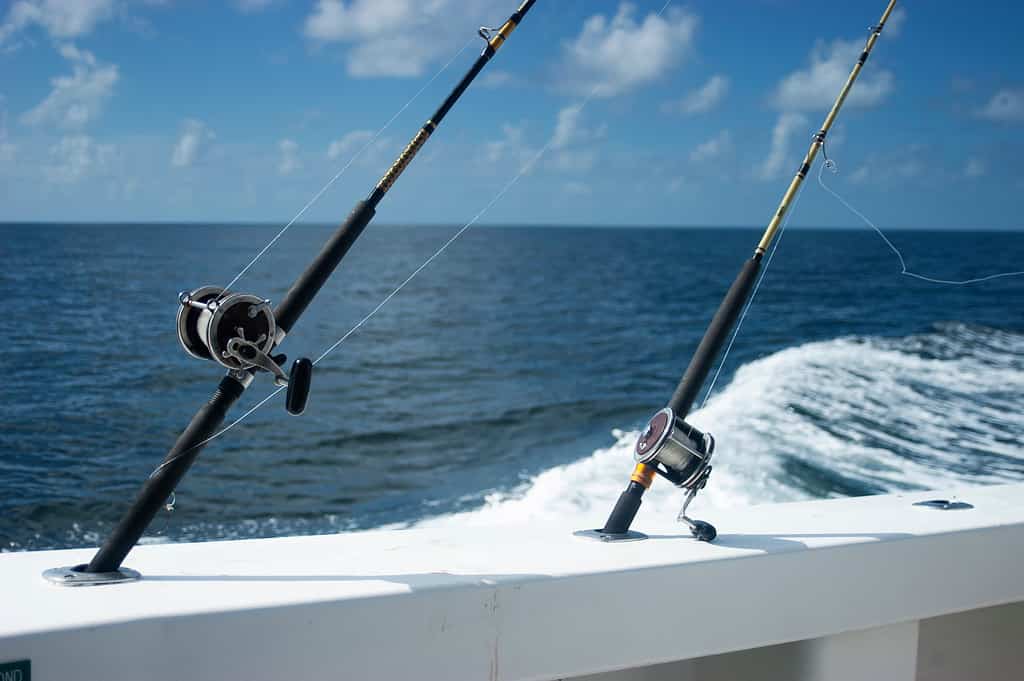
Sharks do not always survive being released.
©EngineerPhotos/Shutterstock.com
Recreational angling is a dynamic and often frantic experience for both the angler and the shark. Sharks cannot live for long out of water, but the exact time will depend on the health and size of the shark and the water oxygen levels in the water prior to capture. Overall, these fish are unlikely to survive after more than a few minutes out of water.
Studies of post-release survival rates in sharks indicate some best practices that give the shark the best chances of living after the experience. In particular, non-stainless steel circle hooks are the best choice. Also, it is best not to remove the shark from the water if possible. Reviving the shark before release is beneficial, as is minimizing the time spent freeing the shark. You can resuscitate an exhausted shark prior to release by keeping water flowing through their mouth and over their gills. Our so-called “Shark Boy” certainly did his best, especially considering he had a huge audience!