
Quick Take
- Reaching 8 ounces is a mandatory achievement for Dinocardium robustum to sustain its surrounding marine environment.
- The 6-inch shell dimensions of the Atlantic giant cockle force a total reliance on sediment burial.
- Despite appearances, the giant tongue is actually a muscular foot performing a counterintuitive survival task.
- Performing sediment stabilization is necessary for the Atlantic Ocean to prevent a total loss of biodiversity.
Shellfish are extremely important to various ocean ecosystems globally, yet they are some of the most overlooked species. One example is the Atlantic giant cockle, which feeds on plankton, helping to maintain water quality. It has a large and unusual tongue-like appendage. This Instagram post by @explainingoceans shows this cockle and offers some information about it. If you’re curious to learn more, keep reading below.
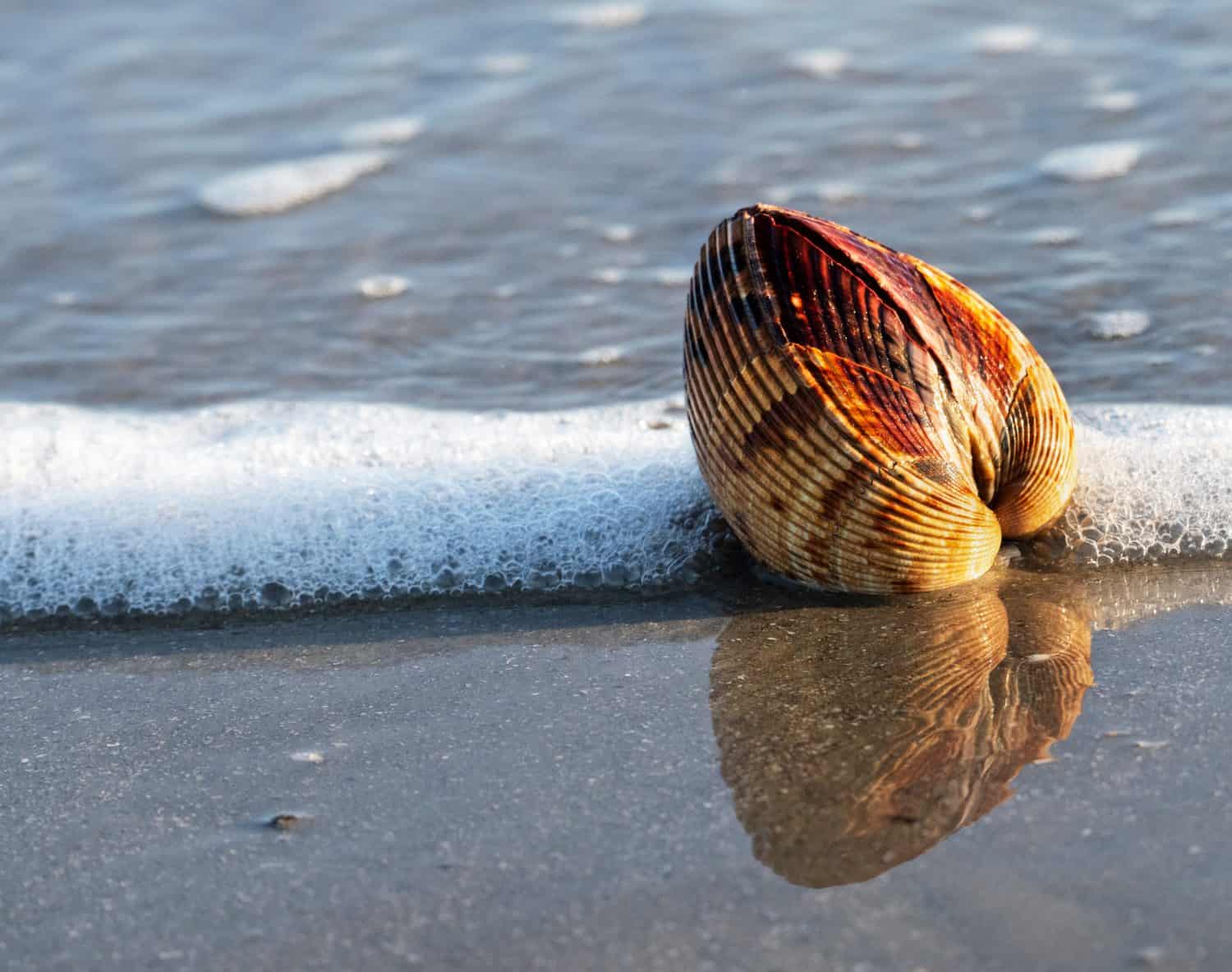
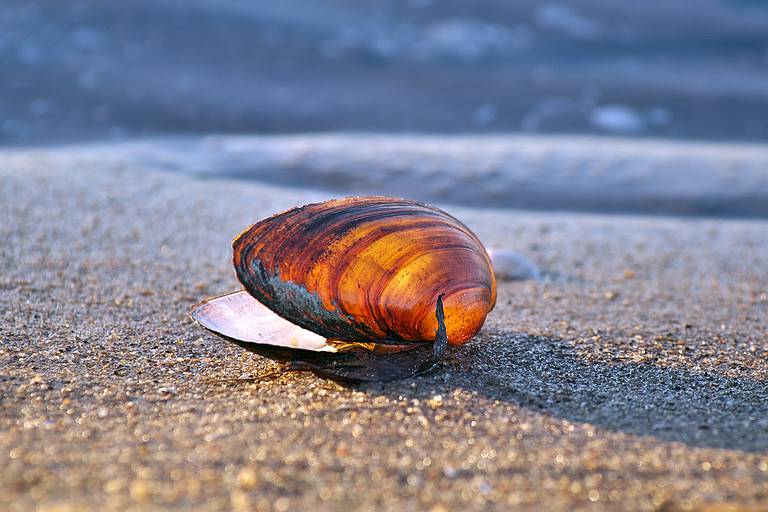
The Atlantic giant cockle is one of the largest shallow-water mollusks.
©Natalia Kuzmina/Shutterstock.com
About the Atlantic Giant Cockle
The Atlantic giant cockle, scientifically known as Dinocardium robustum, is a mollusk native to the western Atlantic Ocean. They inhabit the East Coast and the Gulf of Mexico, living in shallow coastal waters. These mollusks can be difficult to see as they normally bury themselves in sediment. As seen in the video above, they are among the largest cockle species. Typically growing to around four to six inches, they can weigh between 4 and 8 ounces or more, depending on their age and condition.
They have a heart-shaped shell and are tan-white in color. Compared to other cockle species, the Atlantic giant cockle has a particularly thick and robust shell. This shell defends them from predators and allows them to anchor themselves in the sediment. In the video linked above, it appears as though they have giant tongues. However, this is not actually a tongue; it is a muscular foot that the cockle uses for digging and anchoring itself. The smooth, fleshy muscle helps the cockle dig into and anchor itself in the sand. It is often mistaken for a tongue since it emerges from the shell’s opening much like a tongue would.
Ecosystem Importance
Atlantic giant cockles are important for the ecosystem. They are known as filter feeders. Filter feeders are aquatic animals that feed on organic matter by sieving out organisms suspended in the water. Some other examples include whale sharks, whales, and sea sponges. These cockles eat plankton and other organic matter in the water, which helps improve water clarity. By filtering the water, they create a healthier environment that allows other small marine organisms to inhabit the area.
Cockles are important for the seafloor as they help stabilize the sediment. Along with other filter-feeding and burrowing organisms, their presence helps stabilize the seafloor. When there are more cockles present, it is a good indicator of the ocean’s health. Without them, the seafloor would lose biodiversity, experience lower oxygen levels, and contain fewer nutrients. This makes them an essential part of the ecosystem.