
Quick Take
- In Texas, feral hog populations are expanding into suburban zones, making them difficult to control.
- Feral hogs cause landscape damage and pose parasite risks for all pets and people on properties.
- Multiple failed trapping attempts ultimately train feral hog populations to avoid any future capture efforts.
- Finalizing coordinated management is essential because solitary efforts often violate city discharge rules and neighbor safety.
If you live alongside them, you understand how quickly suburban feral hogs can stop feeling quirky and fun to have in your neighborhood. The damage they cause is expensive and routine, as feral hogs quickly adapt to your schedules and ways of life, often before you can stop them.
This is exactly what’s happening in Texas, particularly in Harris County and nearby areas. A local report from January 2026 followed residents dealing with these loose and feral pigs, which regularly tore up landscaping and kept evading all attempts to catch them. Just how many feral pigs exist in Texas currently, and what are experts hoping to do to keep them in check?
We spoke with a county representative from Harris County in Texas to get a closer look at what’s happening in this region. While the individual wished to remain anonymous for their own privacy and protection, we learned why feral hog populations are spiking, the damage they cause, how residents can protect their properties, and what the future of homeownership might look like in this area.
Meet your new neighbors: the feral suburban hogs of Texas.
Why Feral Hog Populations Are Spiking In Suburban Areas
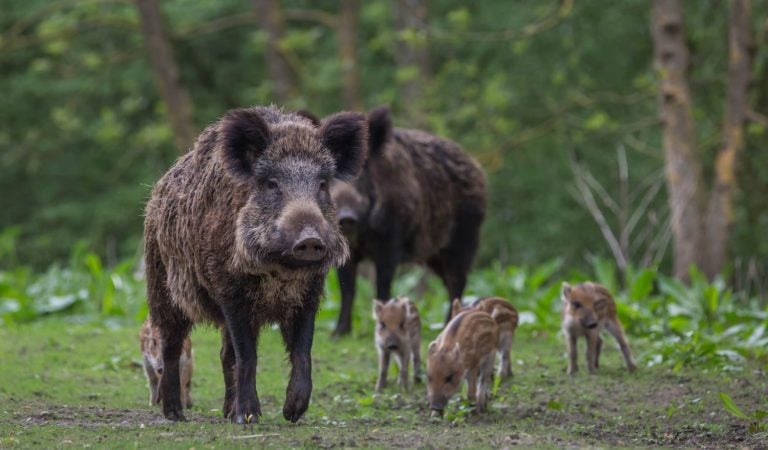
Current estimates put the feral hog population in Texas at around 3 million as of early 2026, according to Texas A&M Natural Resources Institute and Texas Parks & Wildlife Department. That’s a large population, one that surprises locals and experts alike.
The reason feral hog populations are increasing at an alarming rate is clear: human expansion continues creeping into their habitats. Subdivision expansion into the same habitat corridors hogs already use is prevalent in Texas, according to recent updates, as well as our interview source. Managing hogs in metro settings is proving more difficult, as traditional control tools aren’t easy to use in these areas.
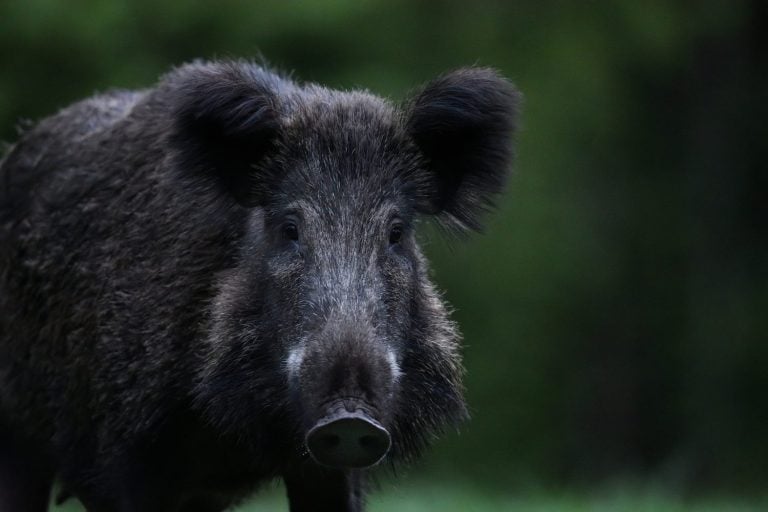
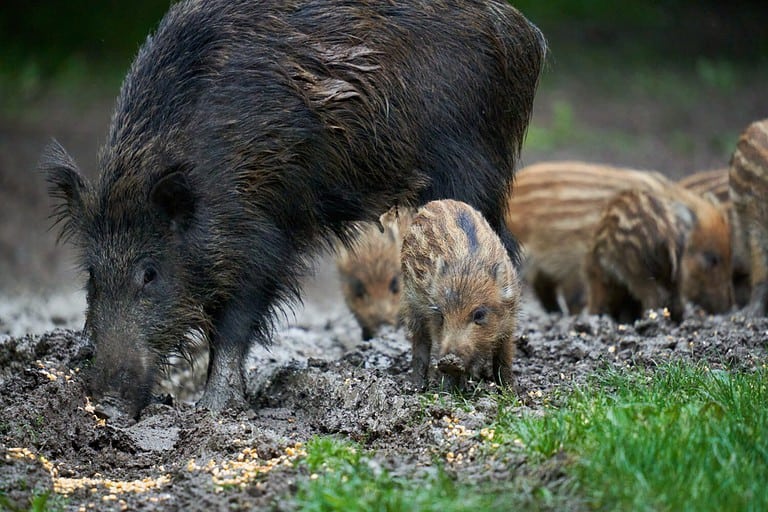
Texas suburban neighborhoods are facing feral hog issues.
©Slatan/Shutterstock.com
“Once a hog knows a neighborhood, they visit the same greenbelts and back fences repeatedly,” explains our anonymous Harris County representative. “And damage happens in the exact spots you pay to maintain, which just drives up the stress and pressure we feel to keep these populations in check.”
What Damage Do Hogs Do In Suburban Neighborhoods?
Feral hogs cause a great deal of damage to yards; anything from shredded turf to overturned mulch beds can occur in their preferred areas. These wild animals are also often responsible for damage to more expensive landscaping aspects, including:
- Irrigation and sprinkler systems can get punctured or dislodged when hogs are rooting around.
- Drainage features and gardens can be destabilized whenever hogs repeatedly dig and wallow.
- Fences and gates can fail or break when a large group of hogs arrives, as they will readily exploit areas of weakness.
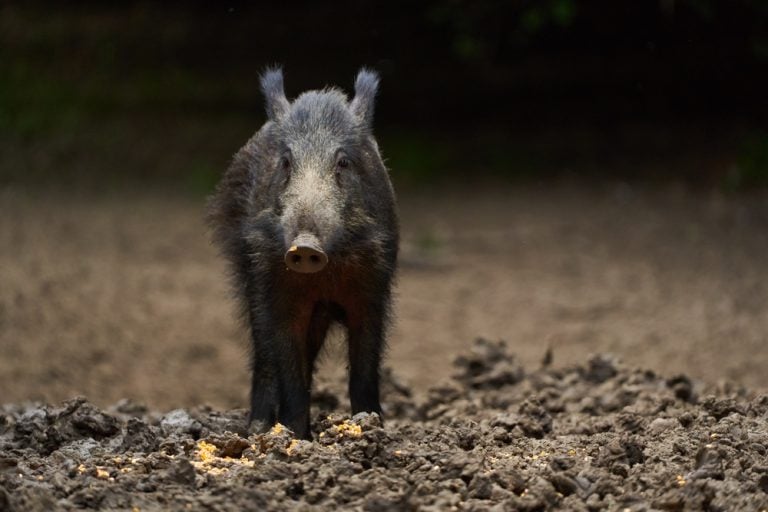
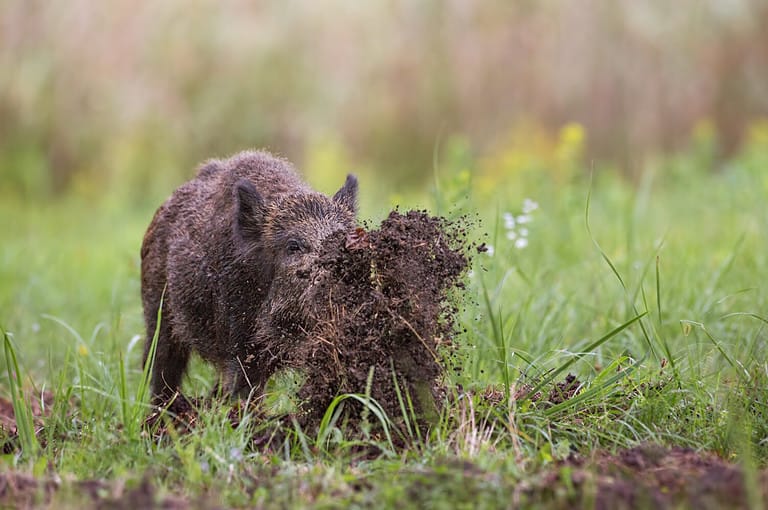
Damages to fences and yards are common when feral hogs are involved.
©Carolyn Croyle/Shutterstock.com
USDA APHIS also warns that feral hogs can carry dozens of diseases and parasites that may affect pets and people, with exposures potentially happening through contact with carcasses or contaminated environments.
“Dogs are especially curious about feral hogs, and they can get into a lot of trouble if they investigate,” the Harris County rep reports, “and if a hog has died on someone’s property, it can be a whole issue.”
How Feral Hogs Keep Outsmarting Traps
Residents in Texas may assume trapping will work on feral hogs, but that doesn’t appear to be the easiest solution. “If a trap catches one hog and the rest get spooked,” the Harris County rep notes. “You’ve basically trained the remaining group to avoid anything that looks new or harmful. They learn to recognize these traps.”
Texas A&M’s Natural Resources Institute states that small-acreage properties and metropolitan settings create special challenges when dealing with feral hogs. Part of this has to do with local rules and enforcement, and the rest has to do with the fact that hogs learn quickly when they’re pressured inconsistently, especially across multiple parcels of land.
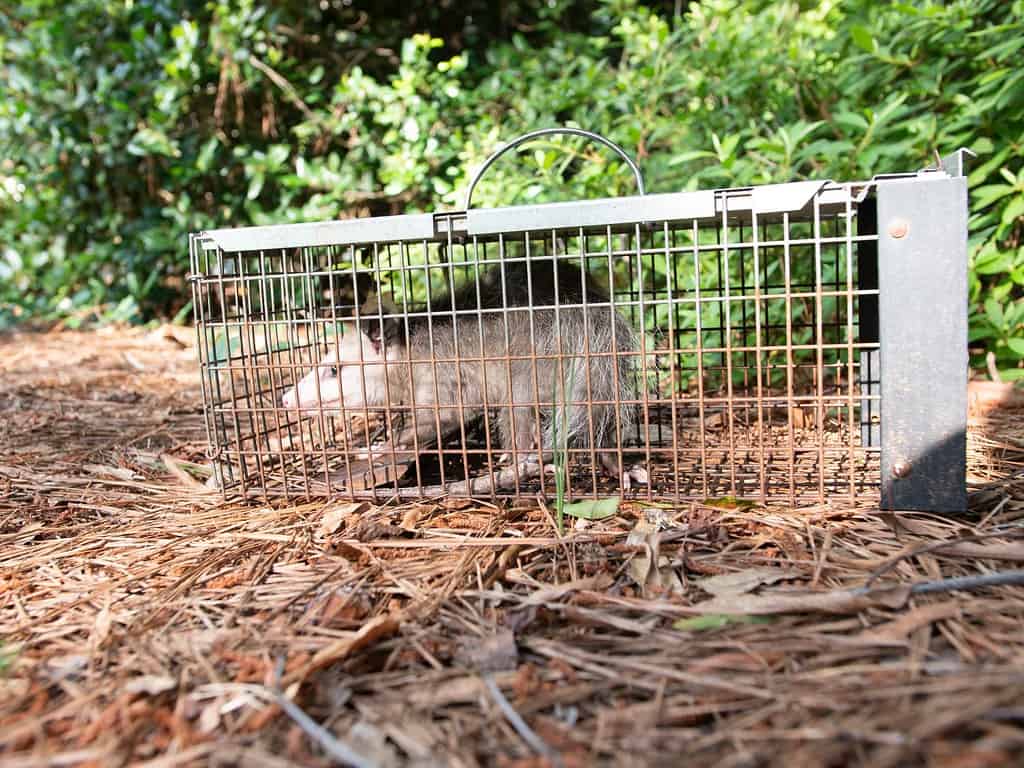
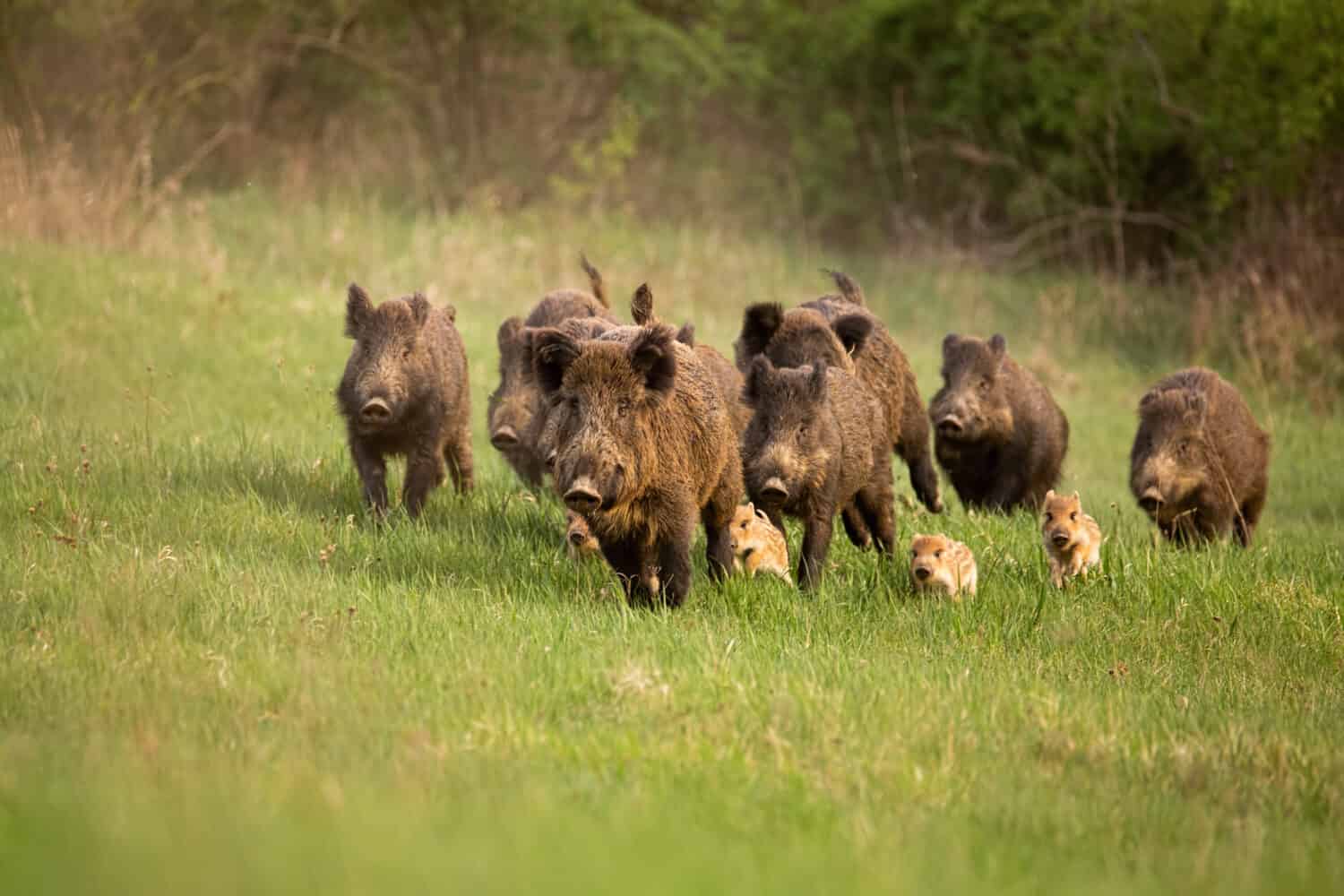
Animal traps don’t always work on feral hogs, as they are learning to avoid them.
©The Toidi/Shutterstock.com
Every single time a trap fails, according to our insider interview, “a hog learns how to not get caught in the future. It’s frustrating, but they learn so fast, especially with so many neighborhoods using the same types of traps.
We don’t really have set rules and guidance for dealing with hogs in the suburbs, which might be why the problem has only gotten worse.
Harris County representative
The Complications of Feral Hogs in Urban and Suburban Environments
In rural areas, hog control is often left to the owner’s discretion, but it is a different story in the suburbs. While Texas has made it easier to pursue hog removal on private land (since September 1, 2019, Texas law does not require a hunting license to take feral hogs on private property with landowner consent), suburban and urban settings still have additional local rules and restrictions.
City discharge rules, HOA restrictions, parcel size, and your proximity to neighbors can all affect how you control feral hogs on your own property. “People ask us all the time about taking matters into their own hands,” the Harris County representative says, “but when a method is technically legal on private property, it can still be unsafe, and it can escalate quickly, making it a problem for an entire neighborhood instead of just one person.”
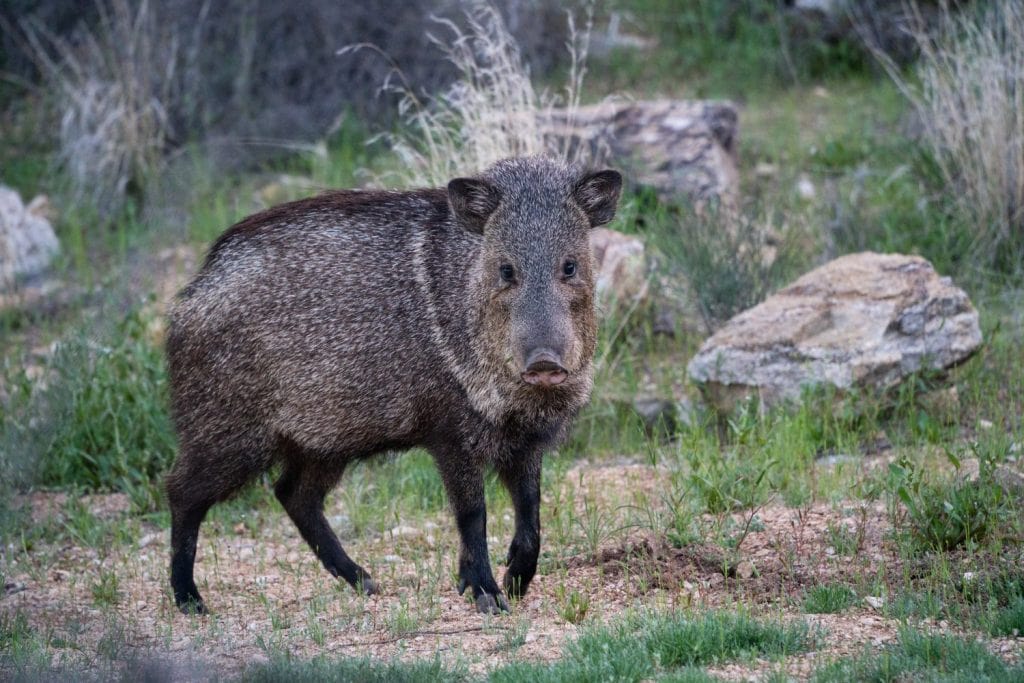
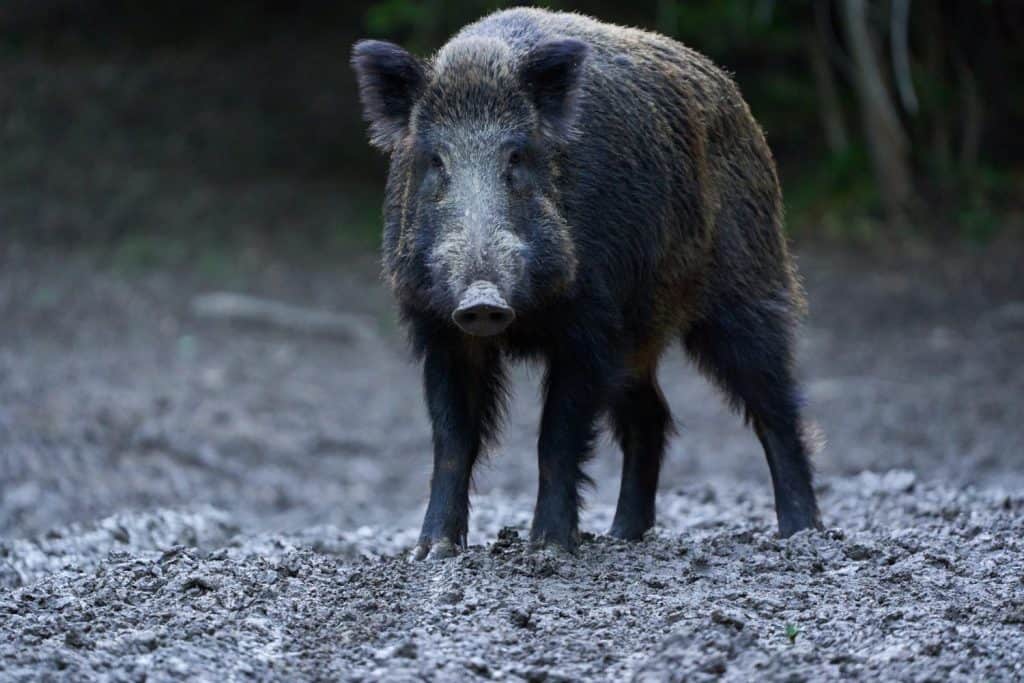
Multiple agencies have to be involved in controlling feral hogs in suburban neighborhoods, making it difficult to coordinate efforts.
©Andreas Michael Staver/Shutterstock.com
Recent reporting on Texas’s feral hog issue states that residents were bounced between agencies without a clear point of responsibility or solution. With so many different departments and agencies involved, everyone has a piece of the issue, but no one readily takes responsibility for how the issue can be solved.
What Texas Residents Can Do to Help Feral Hog Control
While it may seem daunting to manage a feral hog population all on your own, coordinated action is what is needed. You aren’t in this alone, as our Harris County representative mentioned multiple times during our interview. Some solutions are simply more feasible than others.
Here’s what actually helps deal with feral hogs, especially in suburban neighborhoods:
- Document patterns of movement. If you see a feral hog, note the time, entry points to your property, travel patterns, and areas where the ground is repeatedly disturbed or damaged for your own records.
- Reduce easy food access. Secure your trash and don’t leave pet food outside if feral hogs traverse your property regularly. The more predictable the food sources, the more likely hogs are to keep returning.
- Coordinate with neighbors and the HOA ASAP. Trapping and removal efforts fail if entire neighborhoods aren’t on board. Start to coordinate with your local HOA or other families on your street to form a plan.
- Use professionals whenever possible. Metropolitan or suburban settings require different planning and professional feral hog help than rural land does. Reach out to your local animal control units for guidance and answers, especially if you trap a feral hog on your property.
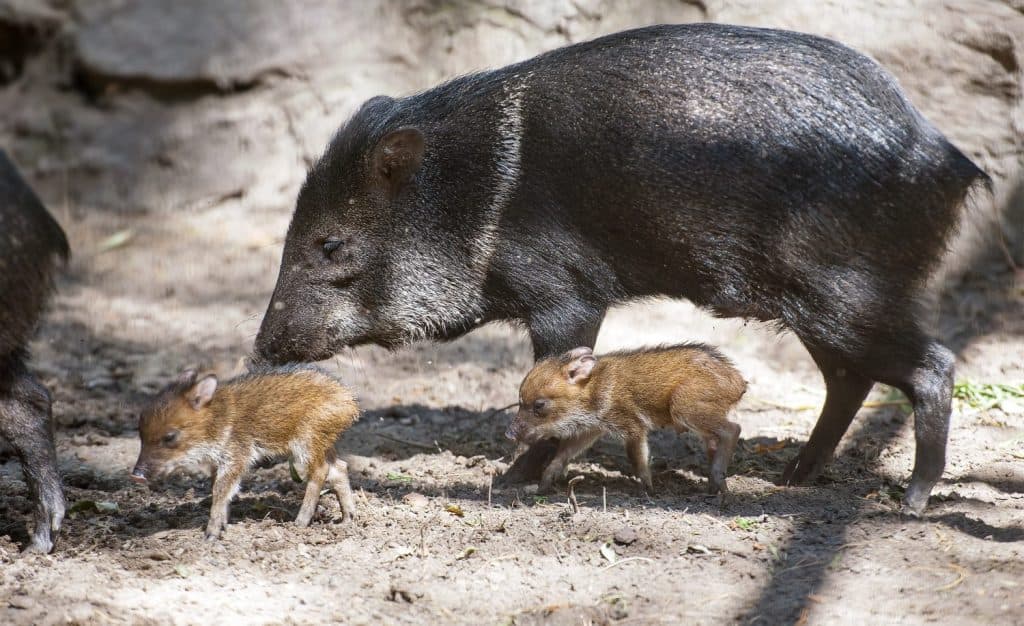
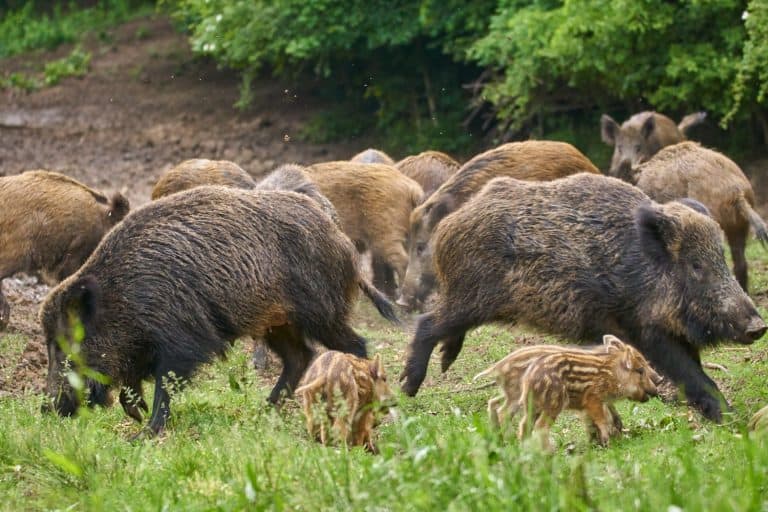
Removing feral hogs requires multiple neighborhoods to coordinate their trapping and control efforts.
©PaniYani/Shutterstock.com
“Keeping feral hog solutions as a solo project will never work. In the suburbs, you need a coordinated plan with your neighbors, with anyone else dealing with them,” the Harris County representative explains, “because it isn’t just you fighting with these animals. Having a removal strategy that targets a whole group or neighborhood is one of the best ways to solve the problem, but people have become so solitary these days.”
Are Feral Hog Laws Going to Change in Texas?
Homeowner frustrations can drive policy conversations, but is it enough to change the game for the suburban feral hog problem currently facing Texas? At the end of the day, Texas cities and counties worry about the ripple effects of residents trying to solve this problem with methods that do not scale well in dense neighborhoods, especially if these methods are unsafe.
While there are no changing laws at the moment, many animal control experts and county officials are requesting a change. Building practical guidance and systems for communities operating under metropolitan constraints is a must for fixing the feral hog problem in Texas, as homeowners in subdivisions cannot respond like landowners can if they live in a rural area.
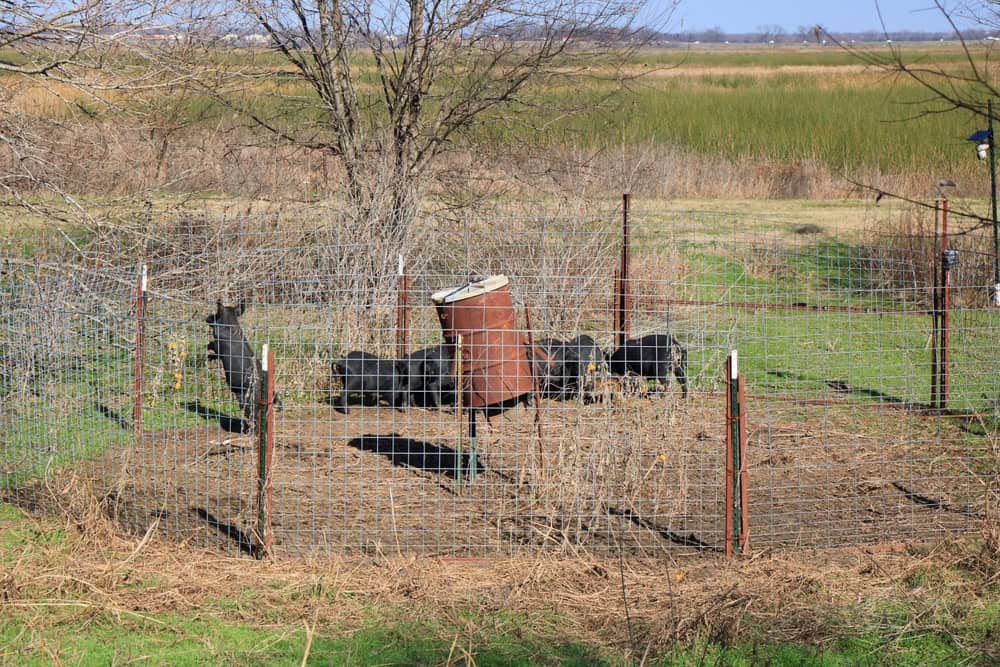
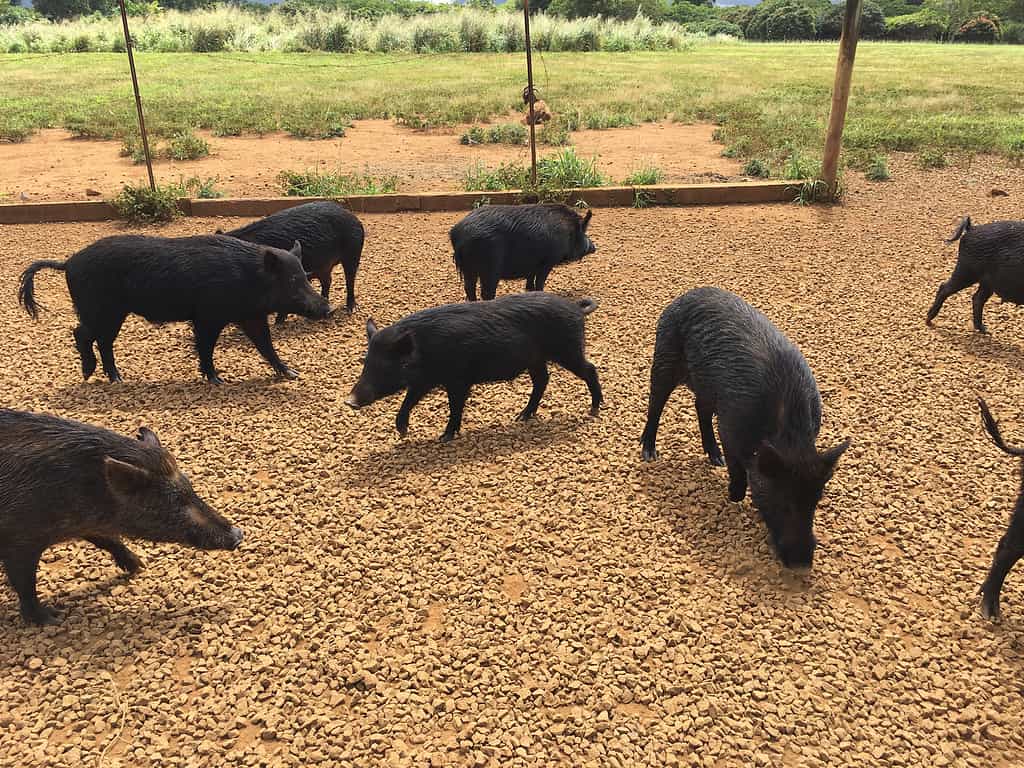
Removing feral hogs from Texas may prove more difficult than locals believe.
©Daniel Koglin/Shutterstock.com
“In reality, any action taken against feral hogs right now is split across jurisdictions, making it incredibly complicated and slow,” the Harris County rep adds, “but we don’t really have set rules and guidance for dealing with hogs in the suburbs, which might be why the problem has only gotten worse.”
What Happens Next For Feral Hogs
Feral hogs are becoming a suburban nightmare, and it’s easy to see why. With consistent access to food and shelter, and limited tools for control, these nuisances have become a recurring problem. However, if Texas can figure out a way to treat them like a coordinated management issue, there may just be a solution on the horizon.