
Quick Take
- One specific T. rex skeleton at a Pittsburgh museum holds permanent legal authority over the entire species, and what that means for every fossil dug up after it is stranger than it sounds. Meet the T. rex holotype →
- Carl Linnaeus invented the system we still use to name every species on Earth, yet he also created a mess so bad it forced scientists to overhaul taxonomy entirely. Linnaeus's messy legacy →
- Plants rather than animals triggered the formal rules behind how species get their official names, and the reason why makes total sense once you see it. How formal rules formed →
- When a holotype is lost to fire or disaster, the entire scientific name it anchored is technically at risk. Fortunately, there is a strict and little-known fix for that. Replacing a lost holotype →
Holotypes serve as the physical blueprint for a type of species. Instead of acting as a perfect blueprint, it is a reference point that glues a scientific name to a specific “type” or organism. For extinct animals like dinosaurs, these type specimens are integral to naming a species and accurately defining what they are.
Tiny Arms, Tall Types
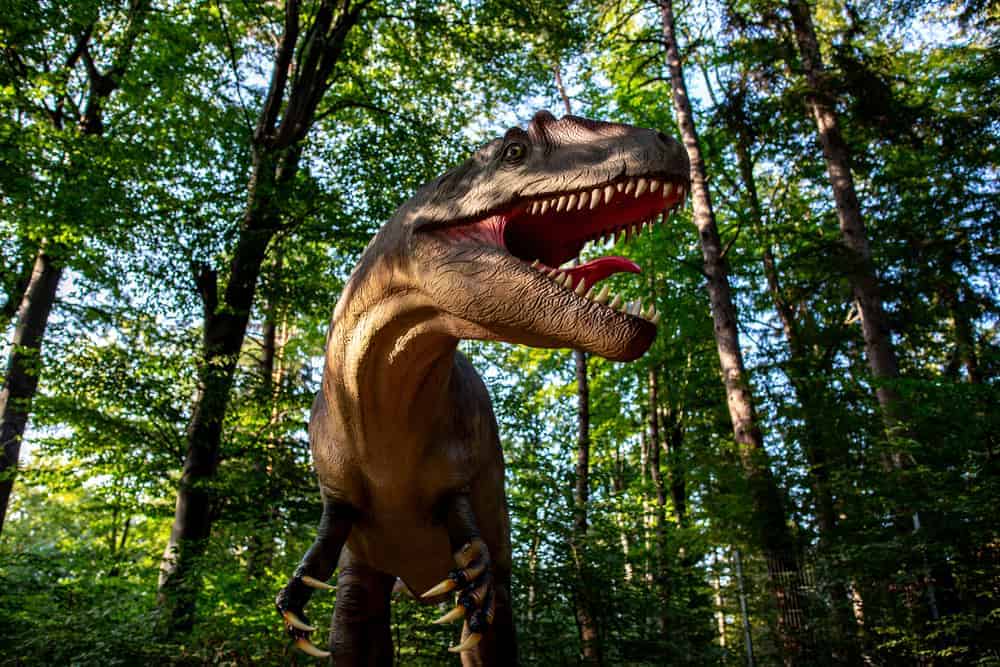
The T-Rex had one of the highest bite forces of any terrestrial animal in history.
©adrianpreda/Shutterstock.com
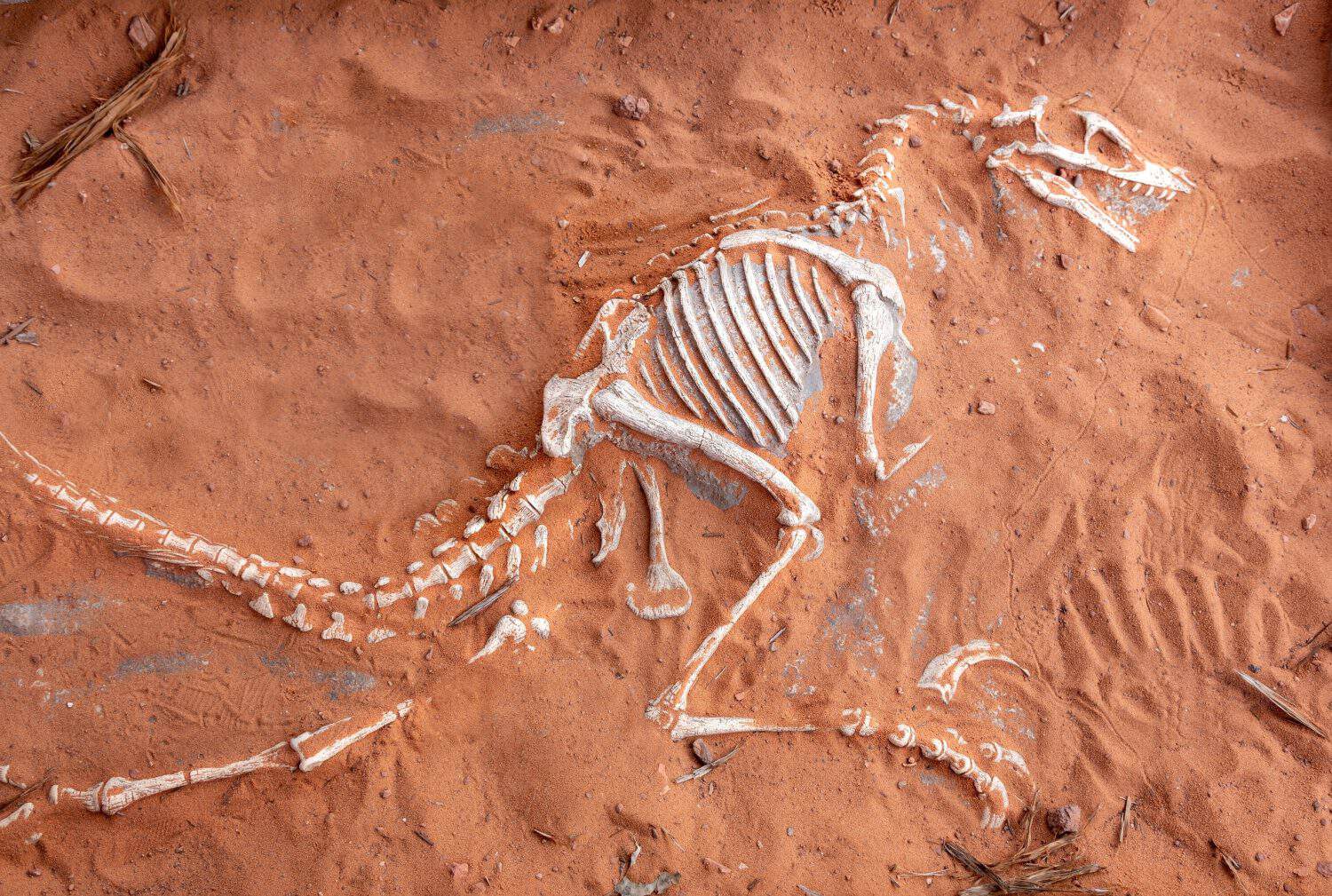
Housed at the Carnegie Museum of Natural History is a perfect holotype example. There you will find CM9380, a partial skeleton serving as an official holotype for Tyrannosaurus rex. Each suspected T. rex fossil found today must be compared to these very bones. This naming process is strict but necessary, creating a permanent lock on a species identity. So, even if future evidence changes how we view the T. rex, the well-known name will always belong to this specific physical anchor.
Nailing Down Nature
To understand the holotype, we must first look to the king of taxonomy: Carl Linnaeus. Taxonomy is the science behind naming, classifying, and organizing organisms. Linnaeus, a true luminary, created the two-part naming system we still use today. Though Linnaeus rescued us from the chaos enabled by common names, his system had a major flaw. The accidental mix-up of specimens or grouping different species together sparked total confusion. With groups of specimens or syntypes floating around missing their physical anchor, scientists were forced into the holotype system.
Typing
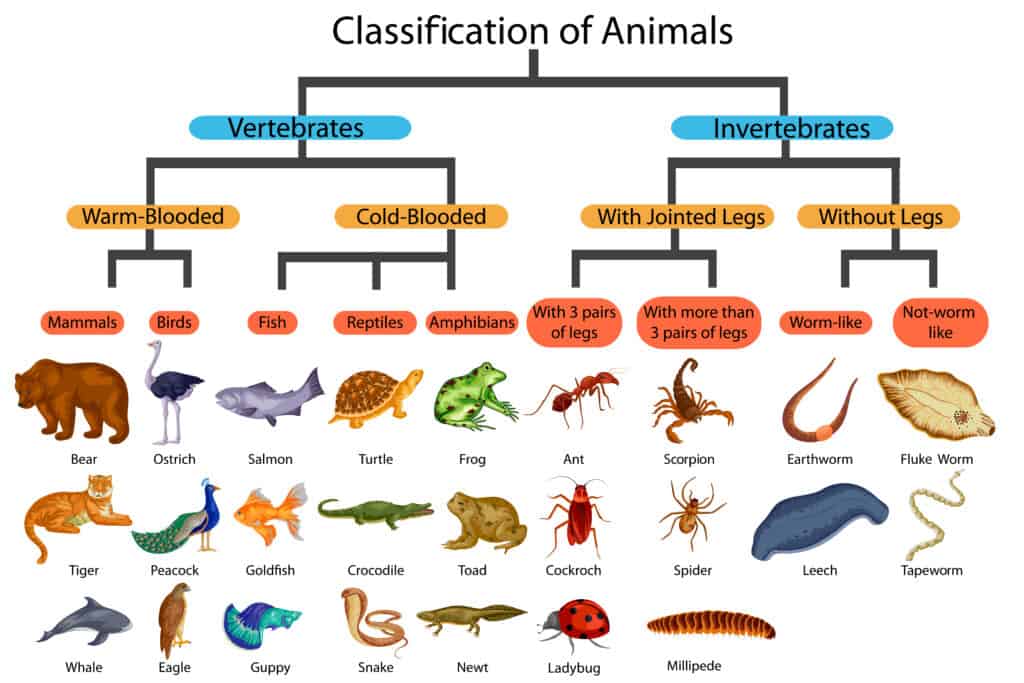
Animals are multicellular eukaryotes, and they all belong to the Animalia biological kingdom.
©Vecton/Shutterstock.com
The official type method kicked off in 1904, engineered by botanists. Plants are notoriously difficult to classify, with traits like serrate leaves or whorled stems frequently overlapping across entirely different species. To make things even more confusing, a single plant species can look drastically different depending on the terrain it grows in. And during the rush to catalog the New World, scientists were scrambling to name everything they found and thus, they mixed samples. Botanists desperately needed something to establish who named what first, and a physical anchor to tie those names to when identifying and naming species. But while the holotype serves as that baseline, nature is (as expected) full of unpredictable twists. To protect the names from further chaos there’s a backup to that blueprint. Let’s take a closer look at these other types.
1.) Paratypes: The backup dancers
If a holotype is used to categorize one individual, how do we represent everything for that organism like sex, variations in size, and color? While the holotype provides a baseline, any other specimens listed in the O.G. description are designated as paratypes. This gives nature a bit more room for its chaotic variation. As an example, if a holotype is a female carpenter bee, the paratypes might include males or its younger stages (larvae). This gives scientists a much clearer picture of what the species can potentially look like.
2.) Lectotypes: The cleaners
Carl Linnaeus still deserves major credit for helping the world categorize organisms. However, there is always room for improvement. But how do you fix the countless historical names that were already out there, even pre-Linnaeus? Cue the lectotype. These are incredibly similar to holotypes, but they are designed to clean up old mistakes and mixed-up groupings. So, when a scientist picks up a single specimen from an old Linnaean pile and tries to put their name on it, all other remaining ones in that original pile lose their status and become paralectotypes.
3.) Neotypes: The fixers
Neotypes are the ultimate band-aid. We all know disasters happen (just ask the dinosaurs). Fires and other natural disasters can easily destroy the very museums holding those precious anchors to their origin. So neotypes are basically the Neosporin for injury. To heal the gap in the records, an official replacement specimen (of similar character) takes the main stage. There are strict rules for when such a specimen can be officially recognized, however, such as coming from the same geographical location and closely matching the original description.
In summary, there are many steps to naming an organism. Sometimes, it’s a deep dive into the history and survival of all the beautiful, intricate organisms on this earth.
The journey of naming a species involves an intricate, multi-step process that withstands the centuries of errors. From Linnaeus to the botanist breakthrough, taxonomy relies on a precise framework using holotypes, paratypes, lectotypes, and neotypes to keep the tree of life organized. Building these physical archives is yet another way for us to truly appreciate and honor the natural world.