
Quick Take
- What most of us learned about metamorphosis in school only scratches the surface, leaving out forms that are far stranger than the butterfly story. Explore what school left out →
- One type of metamorphosis is essentially no metamorphosis at all, which reveals just how loose the definition really is. See the no-change form →
- The dragonfly most people picture darting over a pond spends the majority of its life somewhere completely unexpected. Discover the dragonfly's hidden life →
- During one type of metamorphosis, an insect's tissues don't just change. They dissolve entirely before rebuilding into something new. See how tissues dissolve →
Metamorphosis leads to a wide range of evolutionary outcomes. The dramatic transformation of a caterpillar into a butterfly or a young, patterned stink bug growing into a solid green adult are examples of the spectrum of development within the world of insects. By separating the feeding needs of larvae from the reproductive needs of adults, evolution has allowed insects to maximize their survival. These cycles reveal the labyrinthine design of insect development.
Spectrum of Developmental Strategies
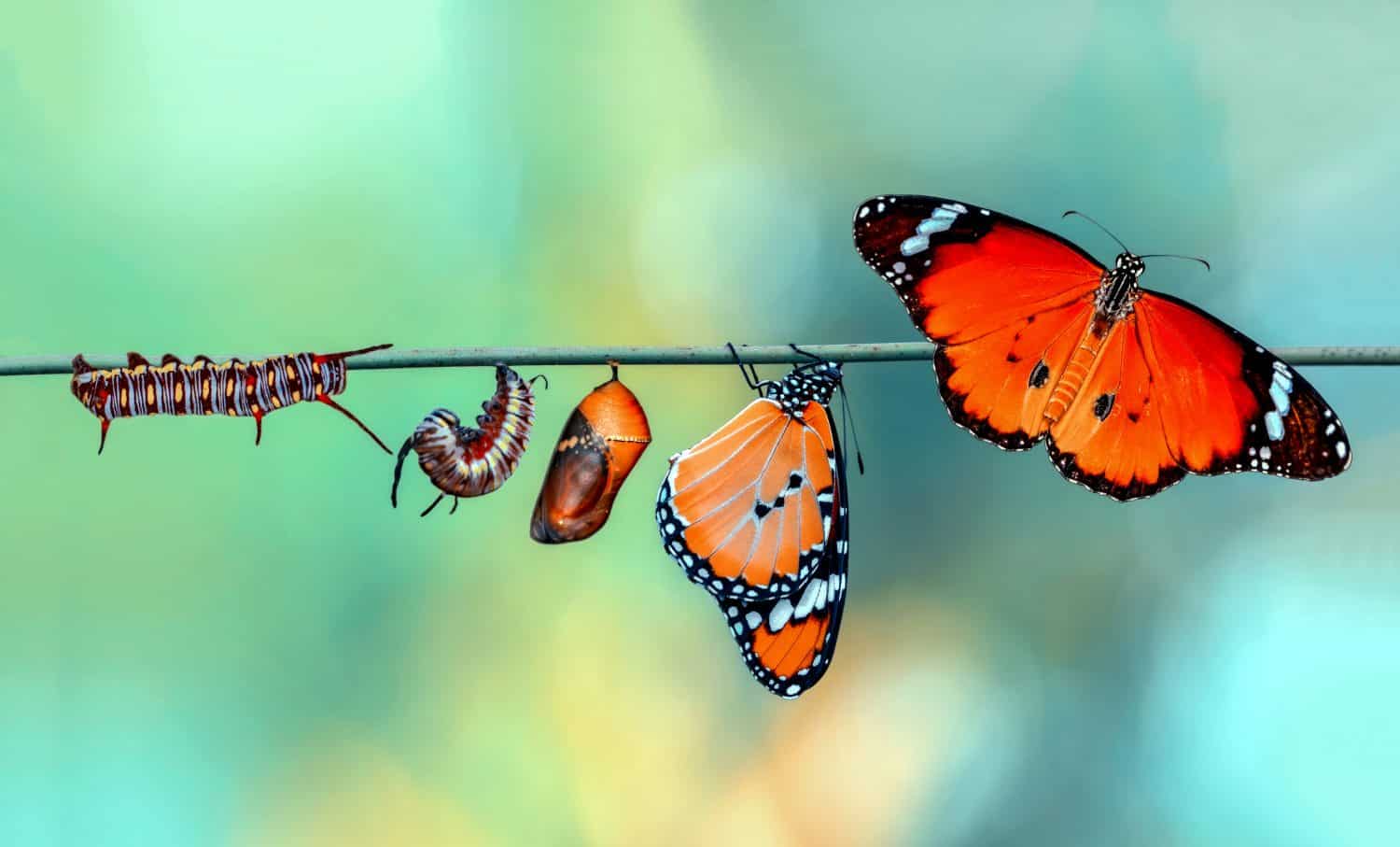
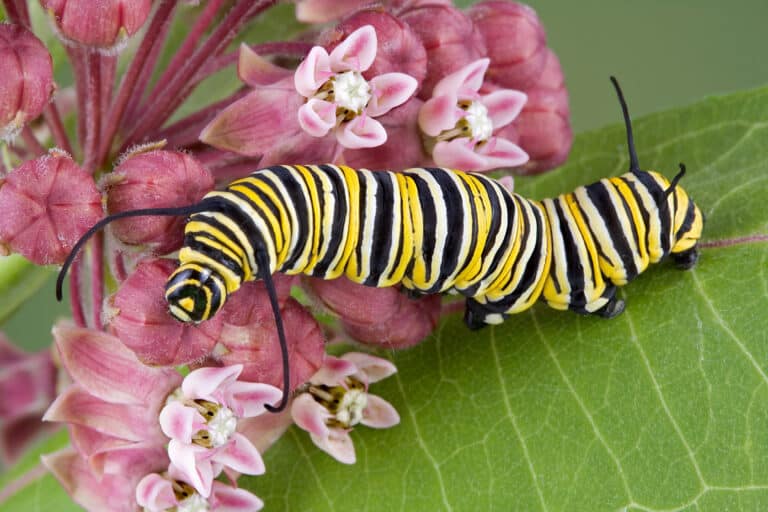
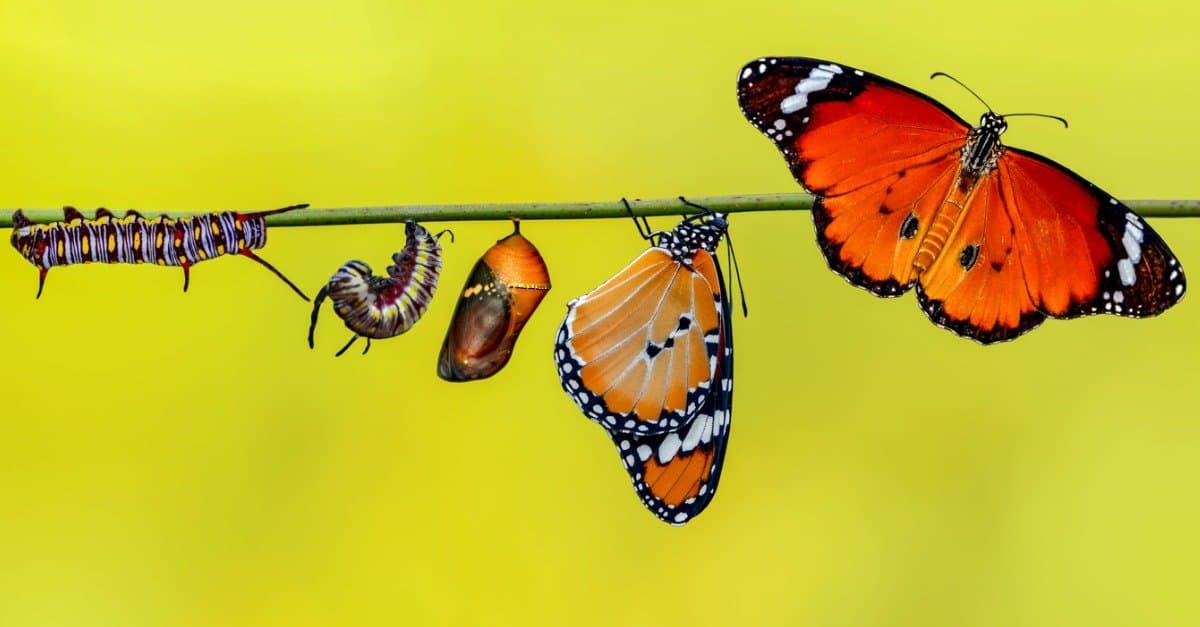
Butterflies undergo complete metamorphosis.
©Darkdiamond67/Shutterstock.com
Metamorphosis is a biological process characterized as dramatic physical transformation. The most intriguing aspect is the intense structural shifting to reach maturity. Due to their rigid exoskeleton, insects grow a bit differently than typical organisms, undergoing change through a stepwise process referred to as molting or ecdysis. Because their exoskeleton cannot stretch like mammalian skin, insects must periodically shed it to allow for growth.
While not all insects go through a complete metamorphosis, many of them have a distinct set of developmental shifts that contribute to their continuum of change. To understand the novelty of these complex shifts, entomologists like myself group these strategies into five distinct forms of metamorphosis. These classifications account for the differences in how young insects transition to their adult forms and, typically, their environments.
Types of Metamorphosis: Primitive to Paurometabolous
1. Ametabolous
Ametabolous (ex. Silverfish, Springtails)
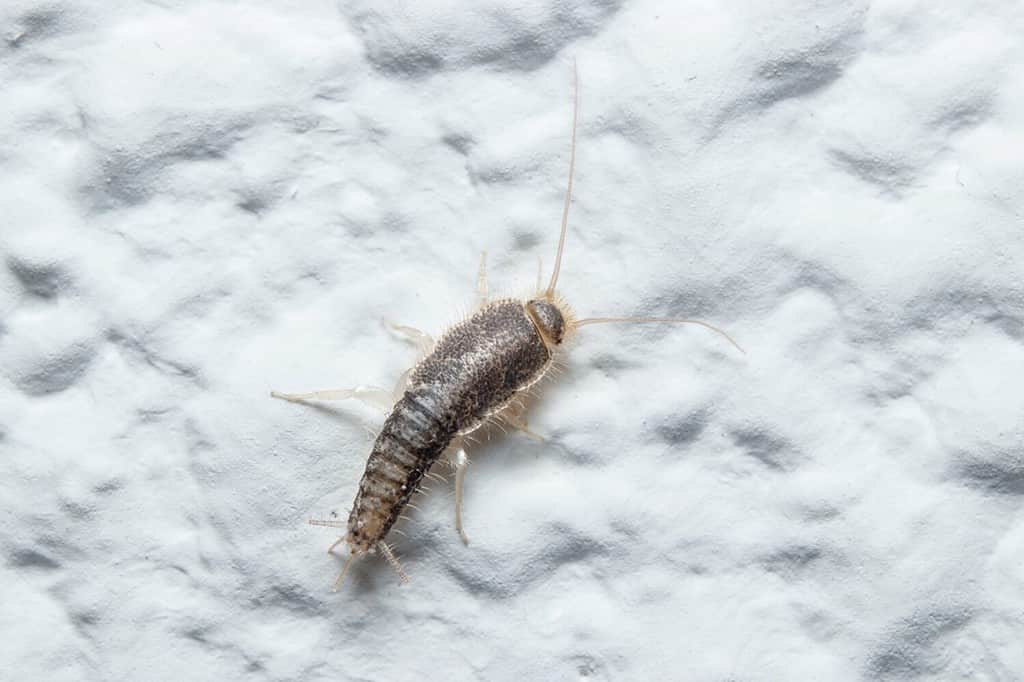
Silverfish thrive in moist, dark areas.
©JorgeOrtiz_1976/Shutterstock.com
Let’s begin with the simplest or most primitive type of metamorphosis: Ametabolous. This form of metamorphosis is actually more like an absence of metamorphosis and occurs mostly in primitive wingless insects. In this category, the young insects, or nymphs, usually look like miniature adults, only smaller. They continue to molt even after reaching sexual maturity. For example, silverfish undergo this form of metamorphosis.
2. Hemimetabolous
Hemimetabolous (ex. Dragonflies, Mayflies)
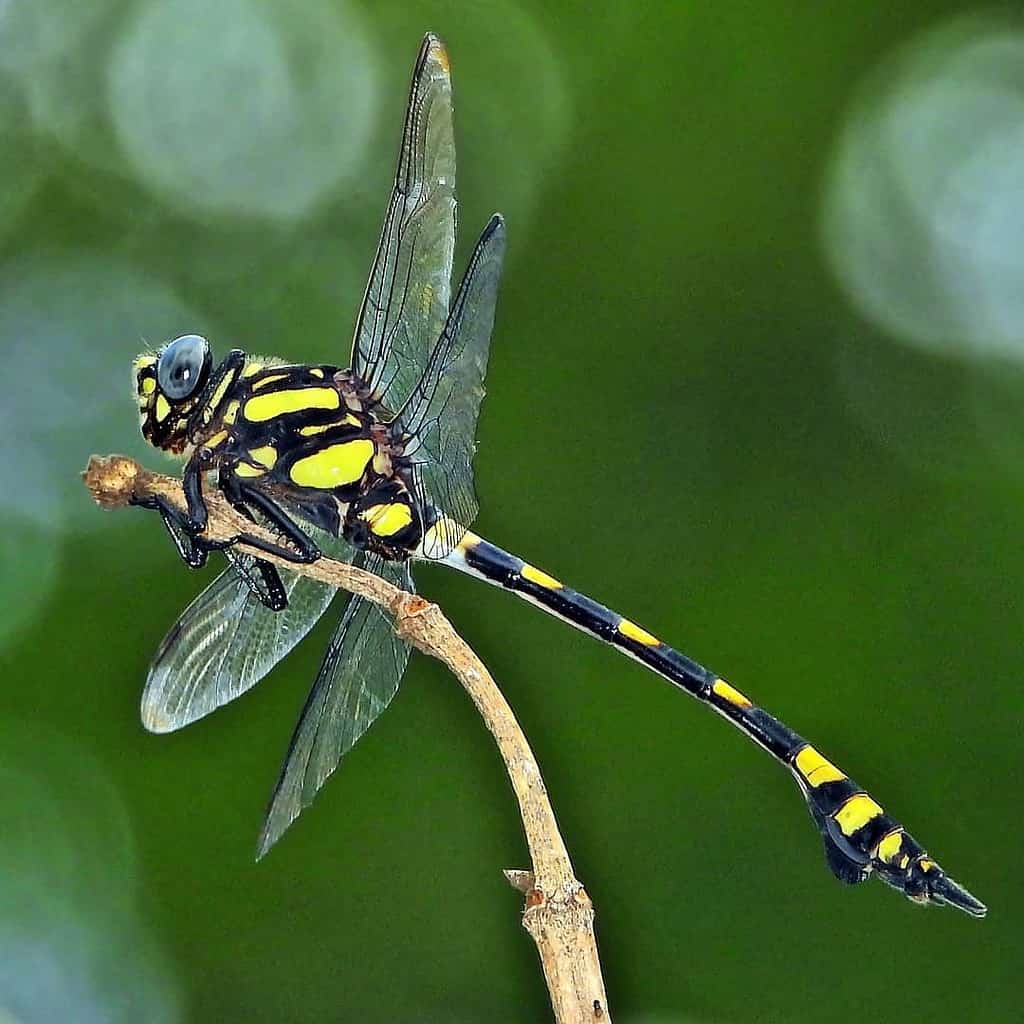
Most clubtails have a club-shaped abdomen, hence the name. However, the males have a more pronounced abdomen.
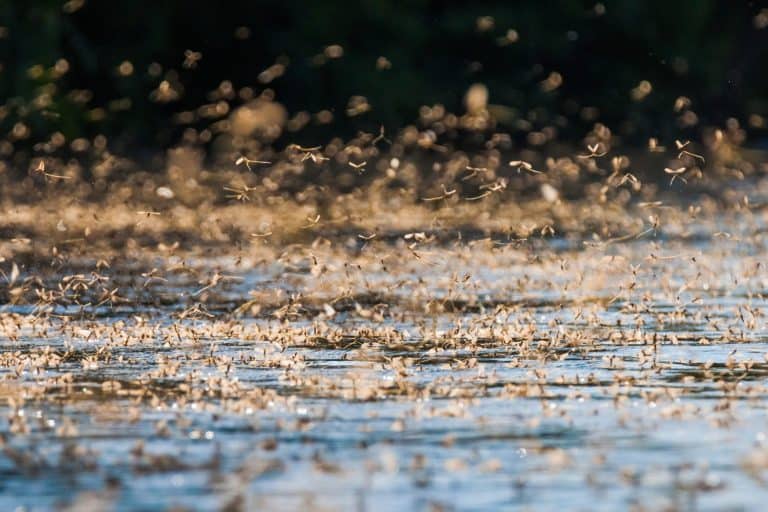
Hemimetabolous is referred to as incomplete metamorphosis. One of my favorite insects, the dragonfly, is an example of a hemimetabolous insect. A distinctive feature of this form of metamorphosis lies within their nymph stage. Usually, hemimetabolous insects have aquatic young referred to as naiads, which have gills. Hemimetabolous naiads look very different from their adult counterparts, unlike ametabolous nymphs, which look very similar to adults. Dragonflies begin as eggs, which are usually embedded into plant material or laid in a jelly-like substance into water. During their juvenile or nymph stage, these insects undergo an aquatic, predatory phase that can last from months to years. Dragonflies, which spend the majority of their lives in the larval (nymph) stage, are voracious predators, eating prey at every opportunity from youth to adulthood.
3. Paurometabolous
Paurometabolous (ex. crickets, true bugs)
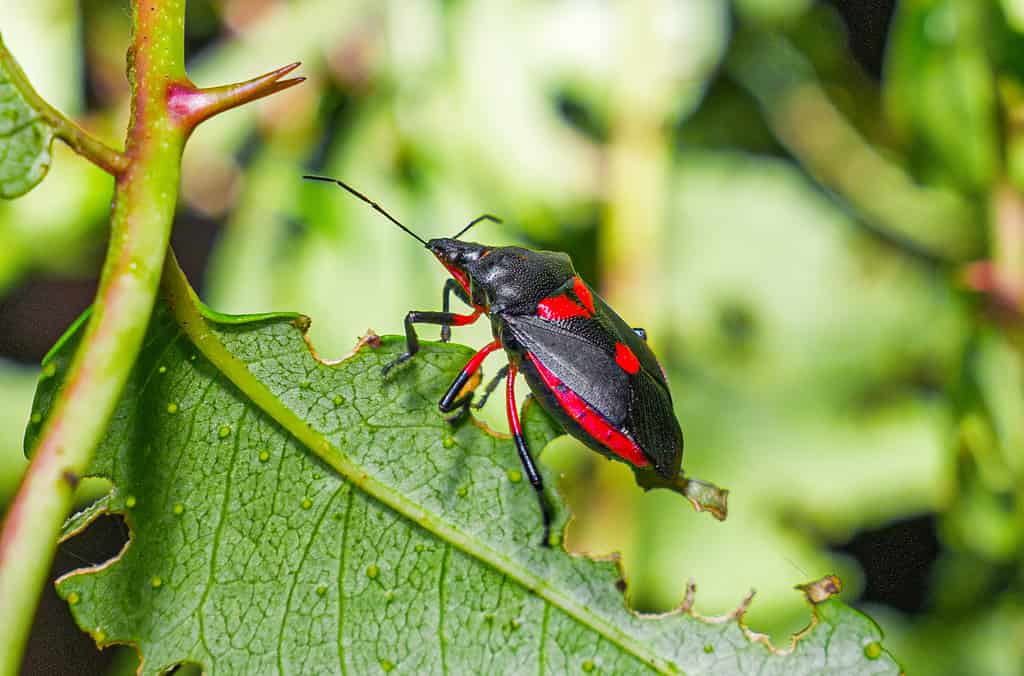
The Florida Predatory Stink Bug is useful for devouring plant-damaging bugs, beetles, and caterpillars.
©Chase D'animulls/iStock via Getty Images
Paurometabolous is another form of incomplete metamorphosis. However, instead of nymphs living in a separate environment from the adults, they develop in the same environment. Also, as these nymphs develop into adults, they display externally visible wing pads, or immature developing wings that will be fully formed in their adult stage.
4. Holometabolous
Holometabolous (ex. bees, butterflies)
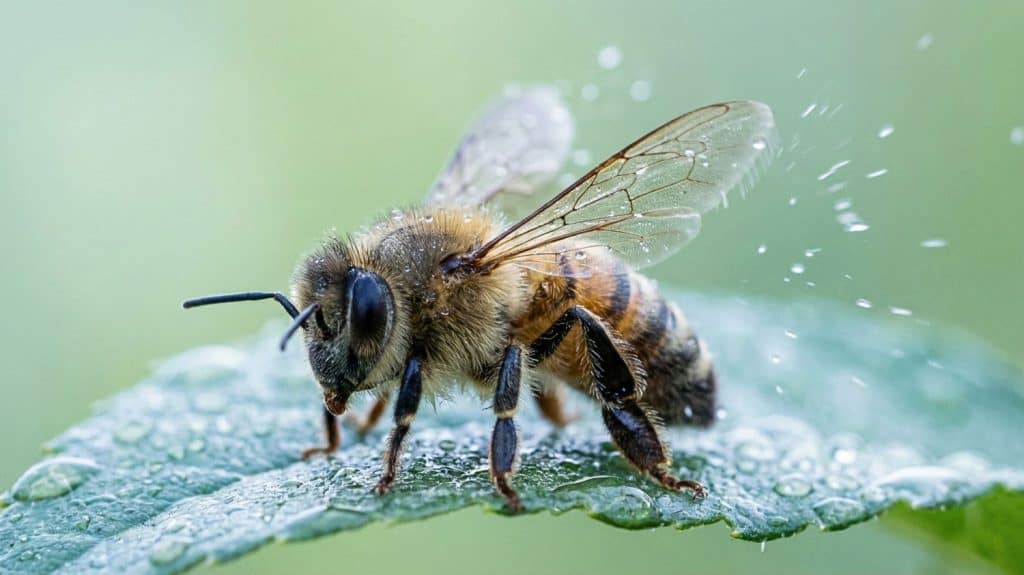
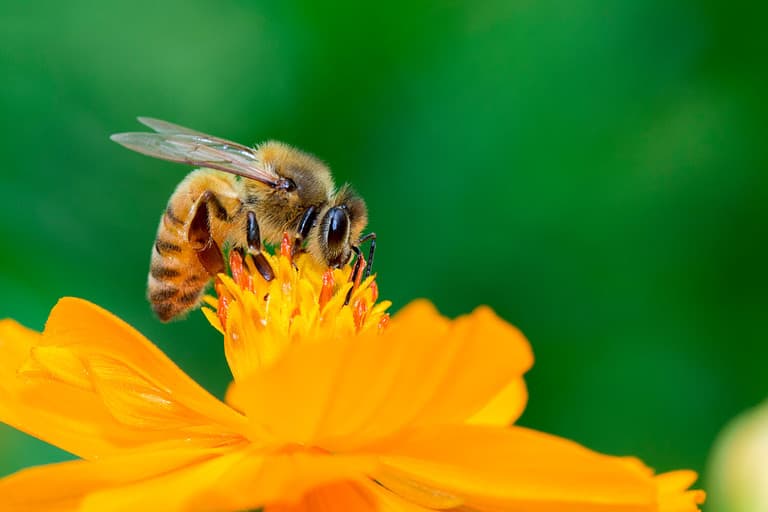
Honeybees or Apis mellifera are a non-native bee species.
©OfficialMar/Shutterstock.com
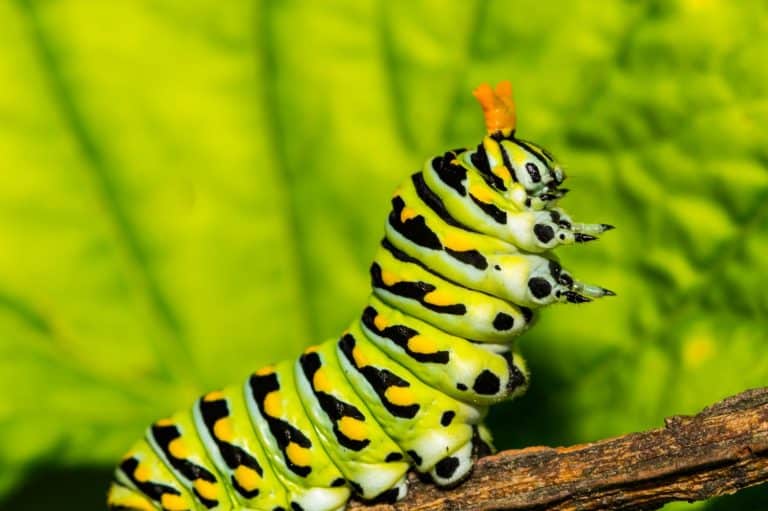
Holometabolous is another word for complete metamorphosis. An estimated 65-75% of insect species go through this dramatic four-stage change: egg, larva, pupa, and finally adult. After hatching as an egg, holometabolous insects go through a resting pupal stage and emerge as a completely transformed adult. For example, the larval stage of a butterfly is usually a caterpillar. The pupal stage is a protected non-feeding insect undergoing a complete transformation. During this process, the larva’s tissues are completely broken down and reorganized into their adult form.
5. Hypermetamorphosis
Hypermetamorphosis (ex. blister beetles, parasitic wasps)
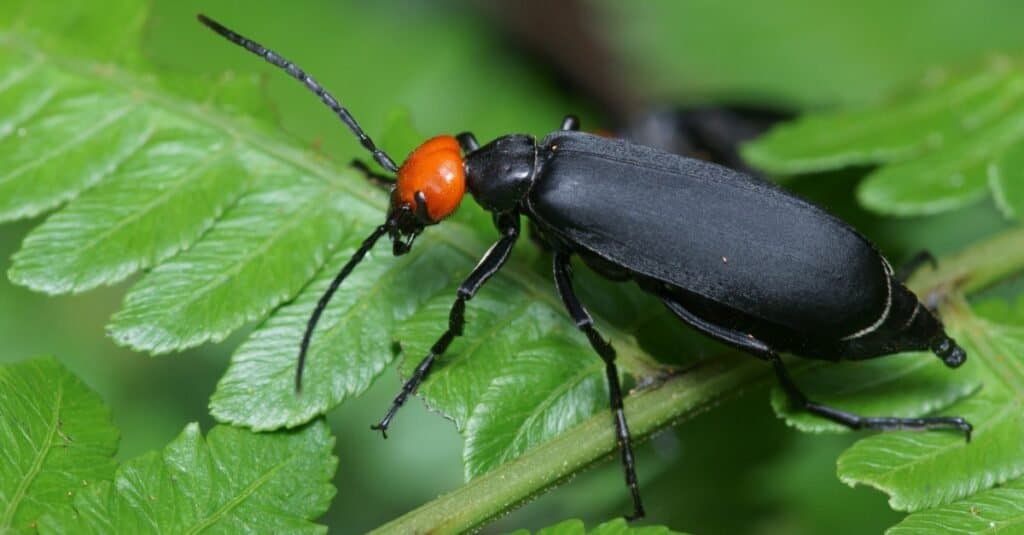
Blister beetles release chemicals that are an irritant to human skin.
©Suede Chen/Shutterstock.com
Hypermetamorphosis is a specialized form of metamorphosis during which insects go through multiple larval forms while developing. This tends to be common in parasitic insects. For example, the blister beetle is parasitic in its larval stage, feeding on the pollen, nectar, and eggs of other species.
Metamorphosis Misconceptions
Oftentimes, the complex process of metamorphosis is taught in a simplified manner. However, as you have learned throughout this article, metamorphosis is a full spectrum of changes. Each type of transformation is a specific strategy that allows insects to occupy varied ecological niches. So, the next time you consider metamorphosis, try to think of it as a highly complex, evolutionary toolkit. Remarkably, insects have developed different pathways based on environment to help them survival in different habitats.