
Quick Take
- Most anglers head offshore for the biggest flounder, but Delaware's best fluke action hides somewhere far more accessible. Discover the best fluke spots →
- Muskies can see your lure and still refuse to bite, so understanding what it actually takes to get one to strike in Delaware waters matters more than you might think. Learn muskie strike secrets →
- Fly fishermen rank one Delaware fish above all others as the ultimate challenge, and it's probably not the one you'd guess. Meet Delaware's fly fishing challenge →
- Timing your catfish trip wrong means going home empty-handed, so the article pinpoints exactly when Delaware's channel cats are catchable. Find the best catfish timing →
Summer fishing in Delaware offers a diverse array of fishing experiences, seamlessly blending productive freshwater ponds with vibrant saltwater coastal action. During the summer, freshwater anglers can go pond hopping across Central and Southern Delaware, targeting largemouth bass and panfish with topwater lures in the early morning or evening, when the midday heat slows fish activity.Saltwater fishermen can take advantage of peak inshore and offshore conditions, surfcasting, trolling inlets, or heading to open water for a deep-sea adventure. Continue reading to discover some of the best freshwater and saltwater fish to catch in Delaware this summer.
Striped Bass
Striped bass (Morone saxatilis) are famous for being strong, smart, and relentless. They can reach 50 pounds or more, but it’s more common to catch ones weighing between 5 and 20 pounds. Striped bass have a heavy body with a long head and an underslung jaw.
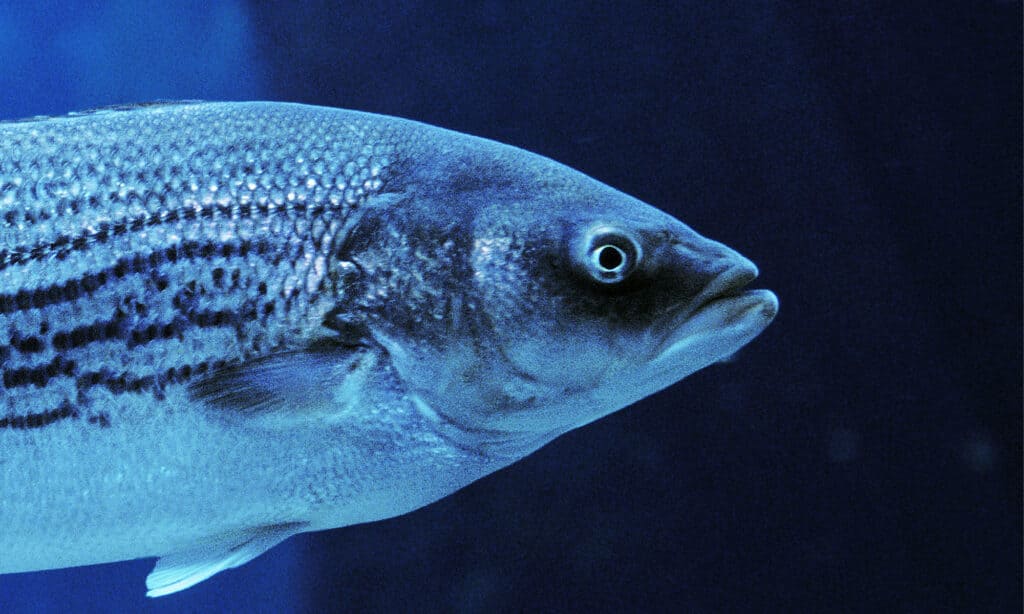
Because striped bass are anadromous, they require open access to the ocean and tidal rivers to complete their life cycle.
©iStock.com/slowmotiongli
Striped bass get their name from the 7 to 8 long stripes along the side of their body. Other names for striped bass include striper, linesider, squid hound, and greenhead.
The best place to fish for striped bass is in the Atlantic Ocean off the coast of Delaware, as well as in the Delaware Bay and local tidal rivers. Anglers frequently catch migratory striped bass ranging from 10 to 40 pounds in these coastal marine waters. They’re the perfect challenge for an angler willing to put up with strong currents. Productive flies include streamers, large poppers, and anything resembling shad.
Summer Flounder
Summer flounder (Paralichthys dentatus) is a flat, oval-shaped fish with both eyes on the left side of their head, a white underbelly, and a brownish-gray top side marked with spots and sharp teeth. They typically weigh two to four pounds. However, it is possible to catch ones that exceed 20 pounds.
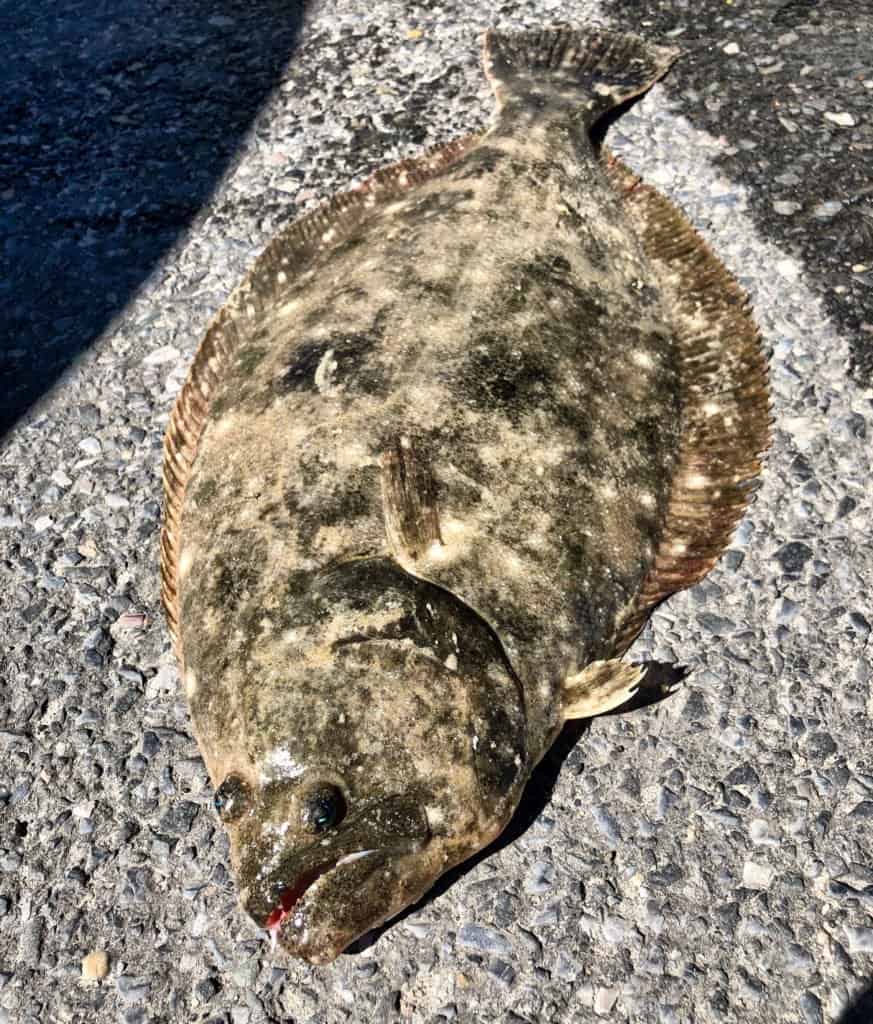
Summer Flounder, also known as Fluke, is a bottom feeding fish.
©iStock.com/Getty Images
Flounder are a popular gamefish because they fight hard and strike aggressively. The best places to fish for flounder in Delaware are the inland bays and coastal areas rather than the open ocean. Shallow coastal waters offer the perfect structure, tidal currents, and baitfish that flounder prefer. While the open ocean holds larger fish around deep wreck sites, the inland bays provide much easier access, calmer conditions, and highly productive fishing throughout the spring and summer months.
Flounder are considered a culinary delicacy.
Brown Trout
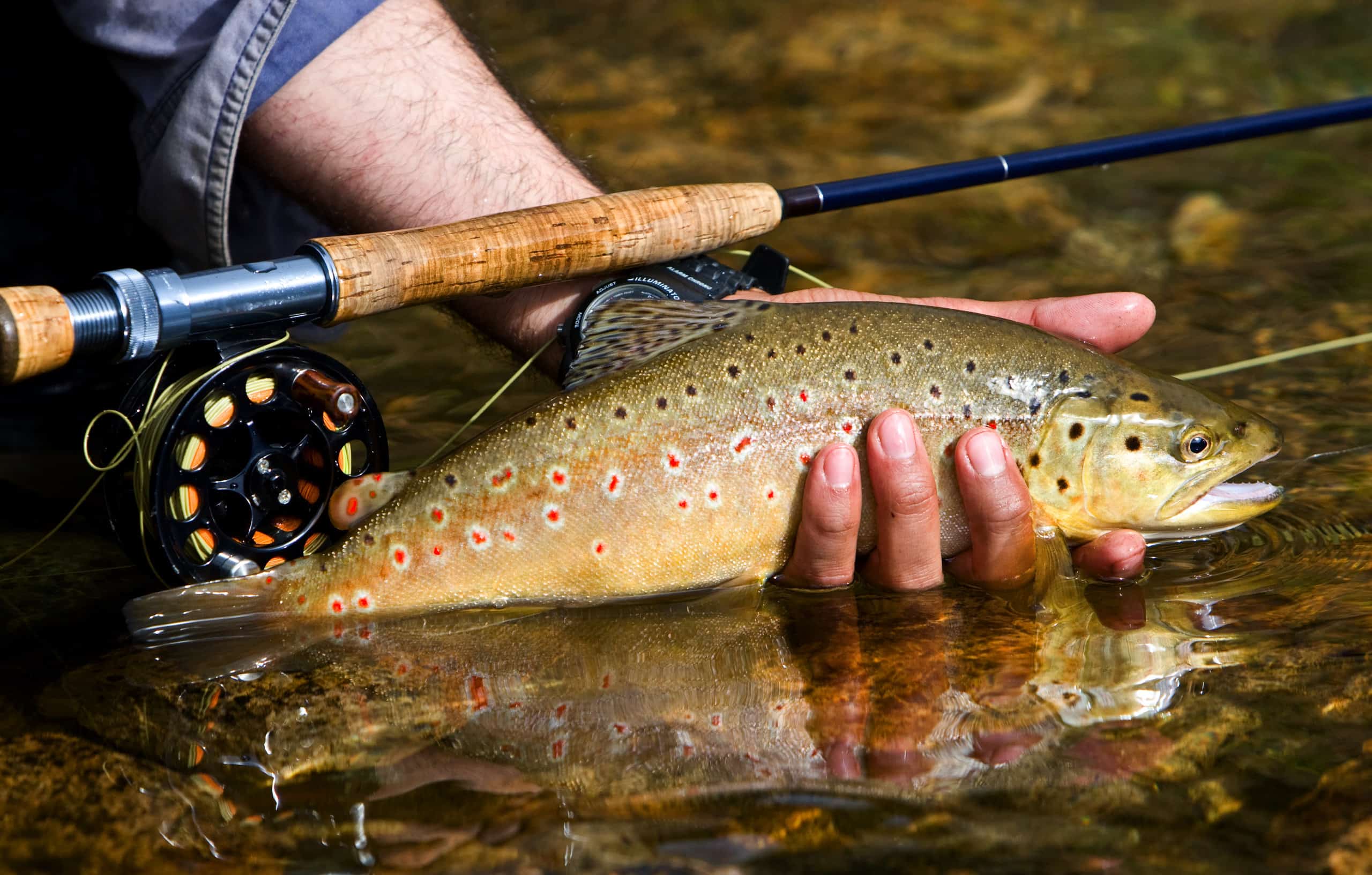
Brown trout (Salmo trutta) are one of the toughest trout to catch, which is why they’re one of the best fish to catch in Delaware this summer. Brown trout are strong, determined, and smart. Many fly fishermen consider the brown trout to be their number one challenge.
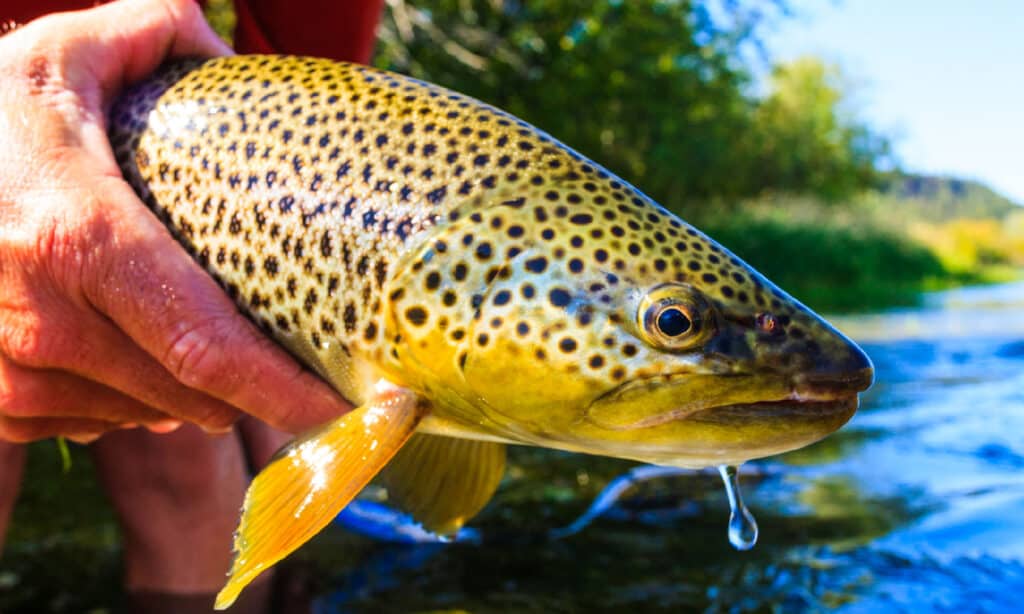
The brown trout is one of the toughest trout to catch.
©iStock.com/KevinCass
Brown trout are heavily spotted and speckled with distinct dark brown or black spots, as well as characteristic red or orange spots surrounded by a pale halo.
If you’re fishing a small stream, stick to lightweight rods. Heavier tackle and spinning rods work well on big rivers or if you’re deep-trolling lakes. An average-sized brown trout in many of Delaware’s streams weighs between one and two pounds.
Brown trout are an excellent culinary fish. They offer a firm, meaty texture and a mild flavor with a hint of sweetness. Because they belong to the salmon family, their meat is richer and oilier than that of typical white-fleshed fish.
Muskellunge
The muskellunge (Esox masquinongy) or muskie is hands down one of the best fish to catch in Delaware this summer. An average muskie usually weighs between 15 and 30 pounds. However, in the right conditions, they have been known to weigh up to 60 pounds.
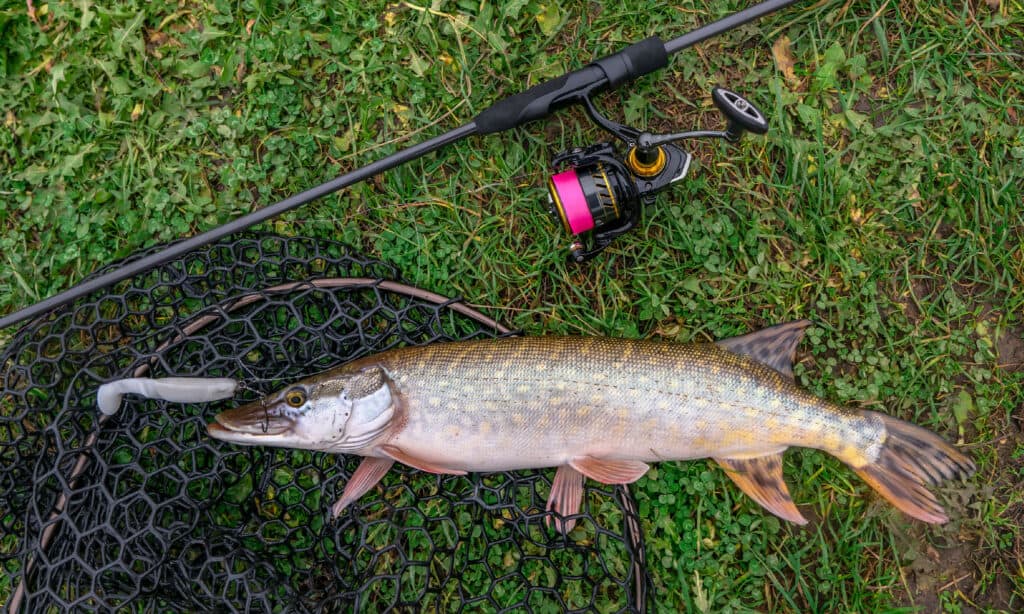
Muskellunge are deepwater fish.
©iStock.com/FedBul
Muskies are tough freshwater fish. They fight viciously, and they have a lot of stamina. It’s common to see a muskie on the line, spectacularly leaping through the air, or doing a tail walk on the water.
Some of the best natural baits include live suckers or other fish. You can also try large, noisy topwater plugs and hefty jerkbaits. Large diving plugs, live baits, and heavy spoons are all effective for trolling for these deepwater fish.
Since muskies are solitary fish, you’ll find them lurking alone on the edge of weed beds. During the hot summer months, they like to hang out in the deep waters by submerged structures. They’re most commonly found in rivers.
To make regular catches, use stout baitcasting gear. You can also use stout fly rods, but be prepared for a challenge, as fly casting for muskies often requires patience. Muskies aren’t aggressive biters. You might have to cast your line numerous times before they decide to strike.
Muskellunge are edible freshwater fish with firm, white, mild-flavored flesh.
Yellow Perch
One of the best fish to catch in Delaware this summer is yellow perch (Perca flavescens). Yellow perch have yellow sides, a dark olive back, and dark vertical bars along their bodies. Most yellow perch weigh less than one pound. However, you might get lucky and catch a 2-pounder. There’s even the potential to catch a 4-pound yellow perch!
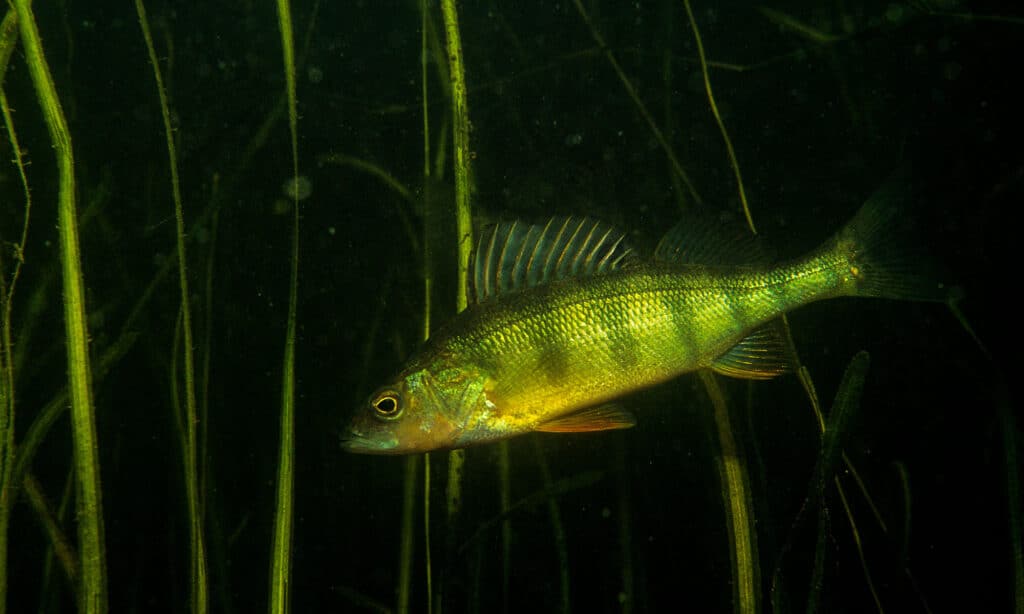
Yellow perch usually don’t weigh over 2 pounds.
©RLS Photo/Shutterstock.com
Perch are easily caught using light tackle. Try using light and ultralight spinning tackle along with a fly rod.
Similar to other panfish, yellow perch respond to a variety of baits. Some of their favorite baits include small minnows and earthworms. They also respond well to tiny jigs, sunken flies, and spinners.
To make regular catches, focus on clear ponds and lakes. Yellow perch tend to stay close to the shore. They’re the perfect fish to target for anyone who can reach the water. They are also a delectable culinary treat.
Channel Catfish
Channel catfish (Ictalurus punctatus) are usually gray on top, with a silver bottom.
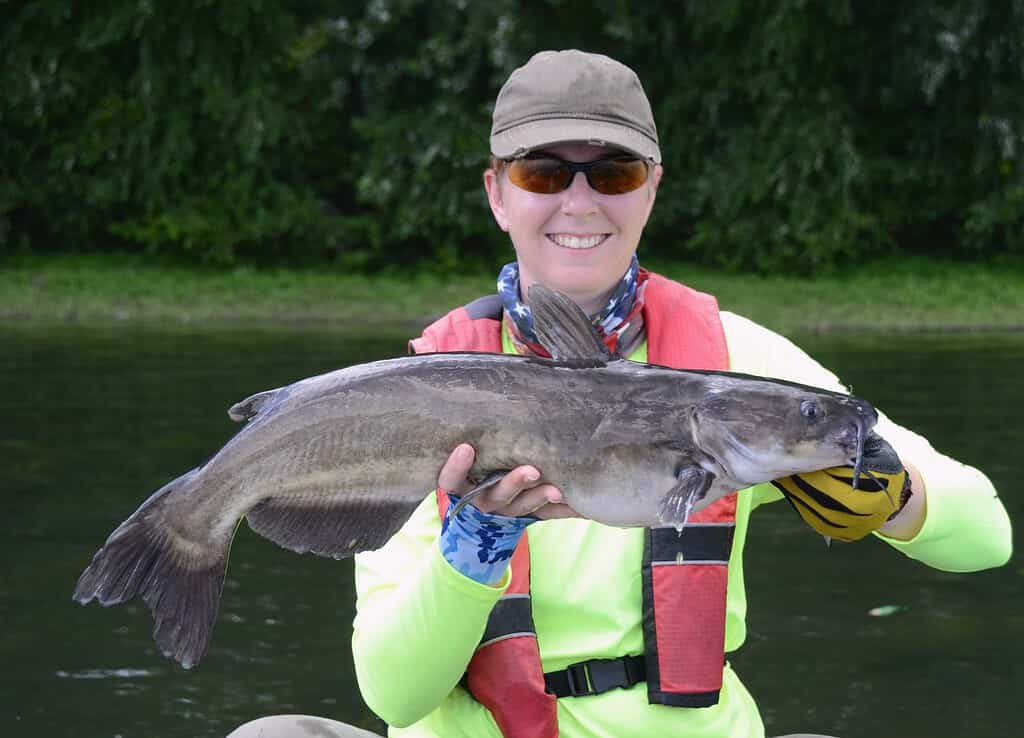
Although younger channel catfish feature small, dark black spots along their sides, the spots fade with age, leaving most mature channel catfish a solid drab color.
©M Huston/Shutterstock.com
An average channel catfish weighs around 4 pounds. However, there is the potential to catch a giant catfish, as some channel catfish weigh over 50 pounds.
For the best results, use a variety of baits. Channel catfish are attracted to a wide variety of scents and flavors. Anything from crawfish to cut bait works well. They also respond to liver baits and homemade concoctions.
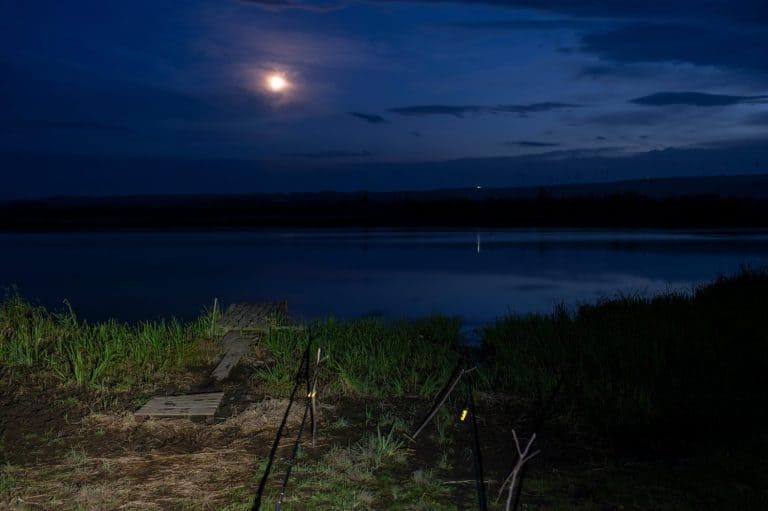
The best places to find these bottom feeders are in flowing streams and deep lakes, and night fishing is often more successful.
Channel catfish are exceptionally tasty, and there is a trove of great recipes for cooking them.