
Have you ever heard of zoophobia? That is the medical term given for the general fear of animals, from the roots “zoo,” meaning animal, and “phobia,” meaning dread or fear. Around six percent of all people suffer from some form of zoophobia at some point in their lives. These patterns of fear are sometimes the result of past trauma associated with a particular type of animal. Phobias can also be learned, or may even stem from genetics and family histories.
Most animal phobia sufferers fear or are disgusted by a specific animal. The types of animals that can trigger these fears vary widely. Some can pose a legitimate threat to humans, while others do not. However, human emotions about animals can affect wildlife conservation efforts, so it is important to know where these fears come from. We’ve compiled a list of the most common animal phobias, as well as some that are lesser known. How many of these fears have you heard of?
#15: Arachnophobia
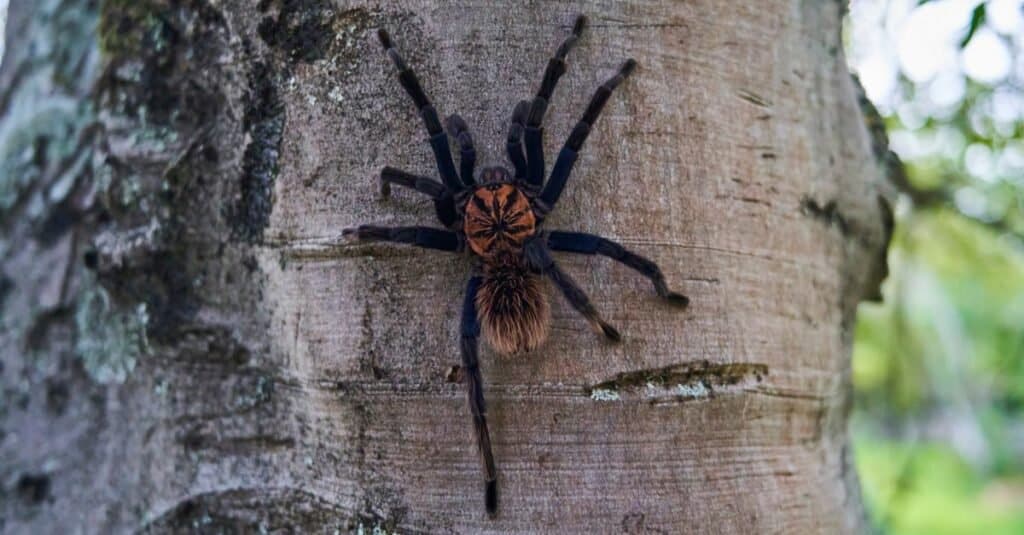
Millions of people fear spiders and other arachnids.
©Jens Otte/Shutterstock.com
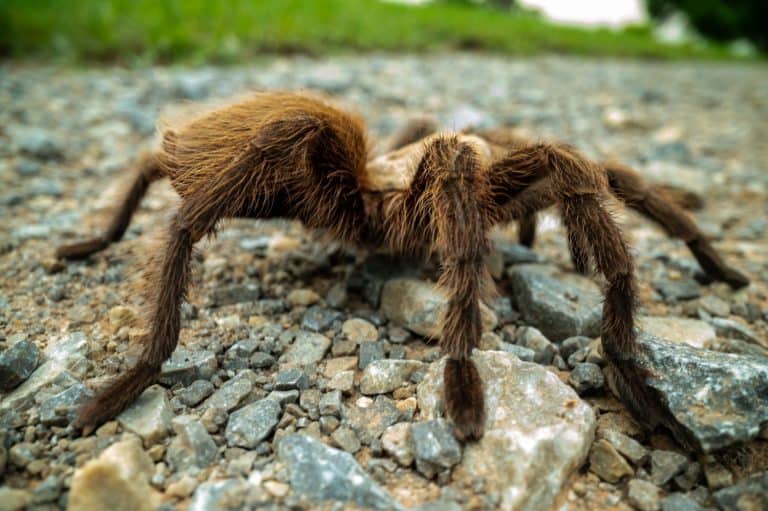
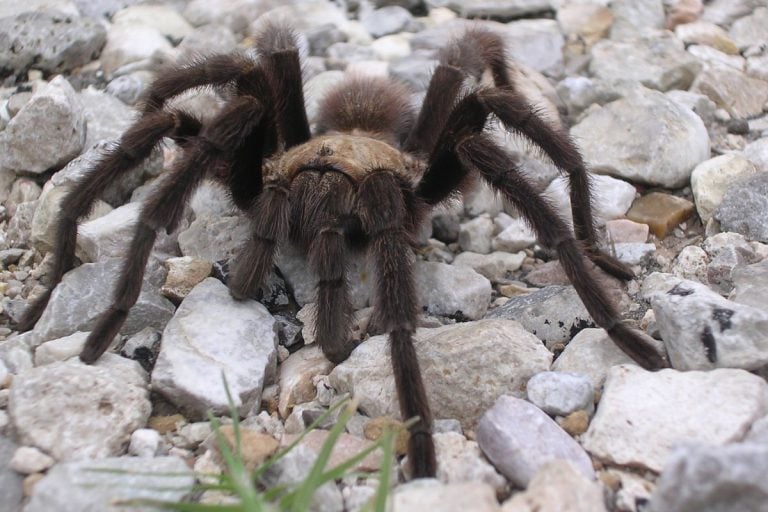
Arachnophobia is probably one of the most common forms of specific zoophobia. While it is typically associated with the fear of spiders, it can also include other arachnids like scorpions. This fear affects nearly 100 million people in the U.S. alone. Worldwide, anywhere from 2-6% of the population is estimated to be affected by a fear of spiders. Unlike some other fears, this one usually does not stem from a specific instance of trauma with a spider. This fear was immortalized in a 1990 film named after the phobia, and many people actually credit that movie with causing their arachnophobia.
#14: Ophidiophobia
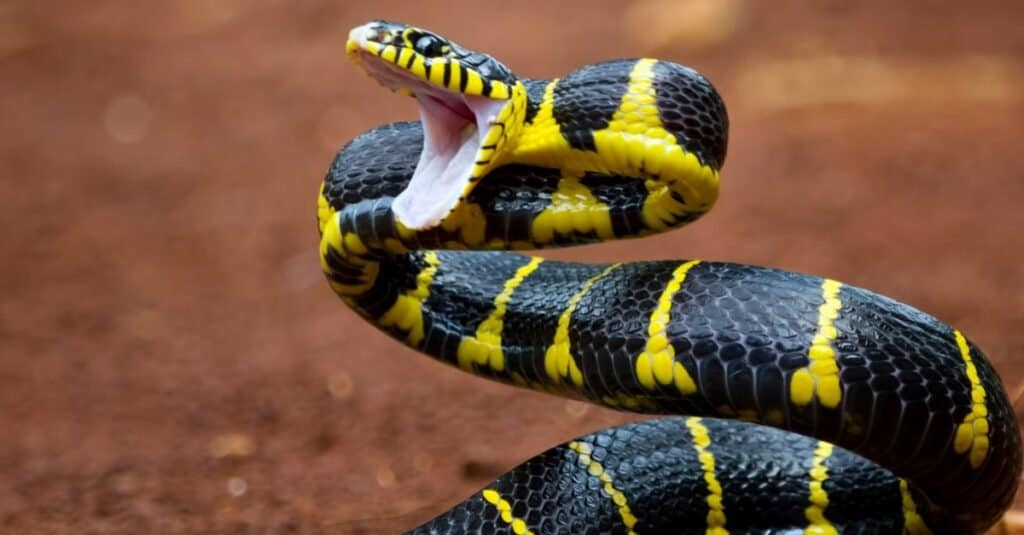
Ophidiophobia is thought to be the second most commonly reported animal phobia.
©Kurit afshen/Shutterstock.com
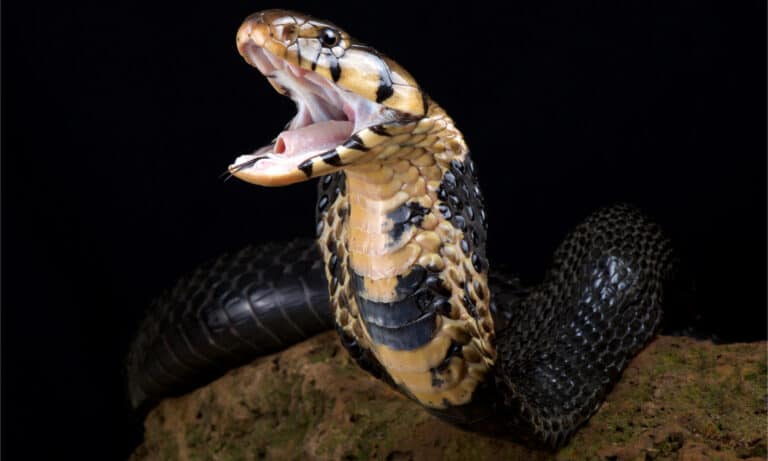
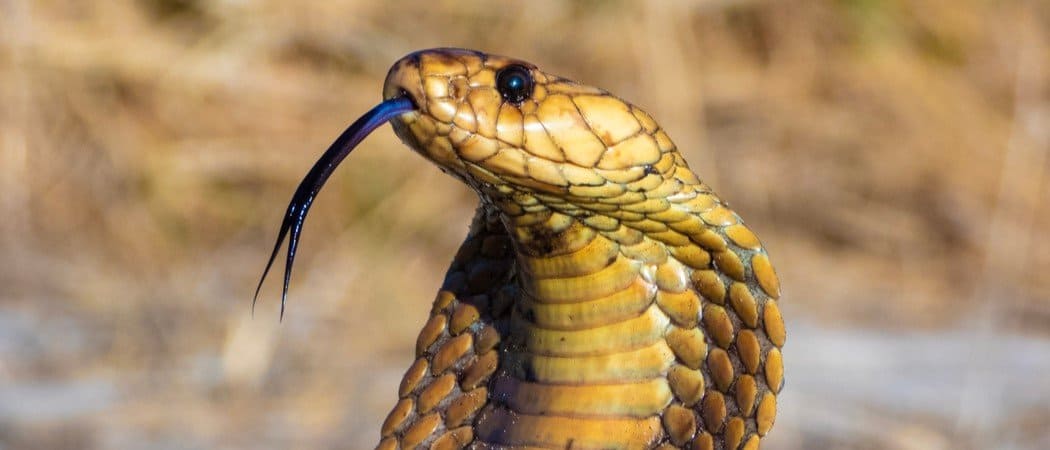
Ophidiophobia is the fear of snakes. It is named after the Greek words “ophis,” which means snake. Some instinctive trepidation is warranted when you see an unknown snake in the wild. This is normal because so many species are venomous. However, some people can’t even stand to talk about snakes or see a snake safely kept in an enclosure. Even an image of a snake can cause an ophidiophobe to have heart palpitations, trembling, and shortness of breath, among other symptoms.
#13: Spheksophobia
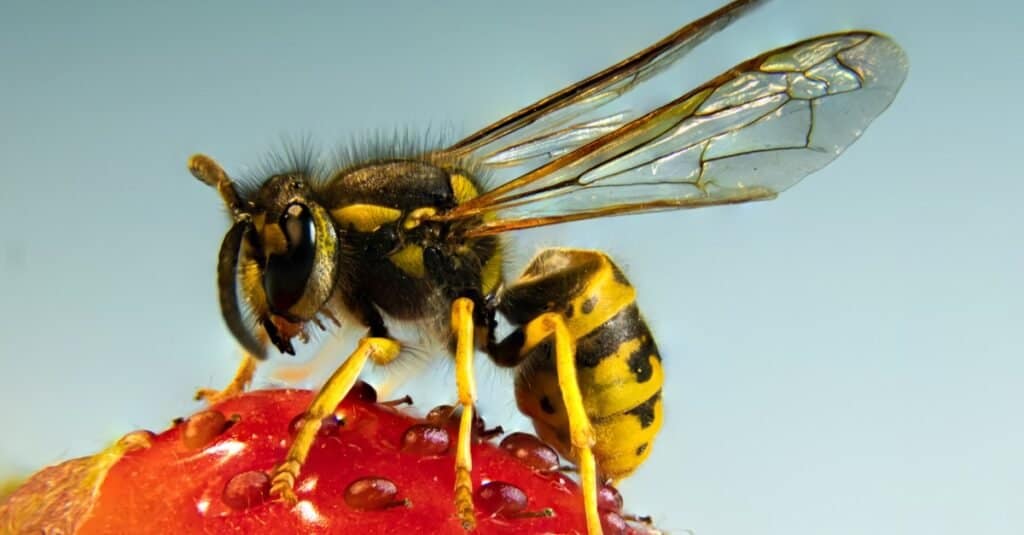
The fear of wasps often stems from an allergic reaction to being stung.
©Thomas Hochreutener/Shutterstock.com
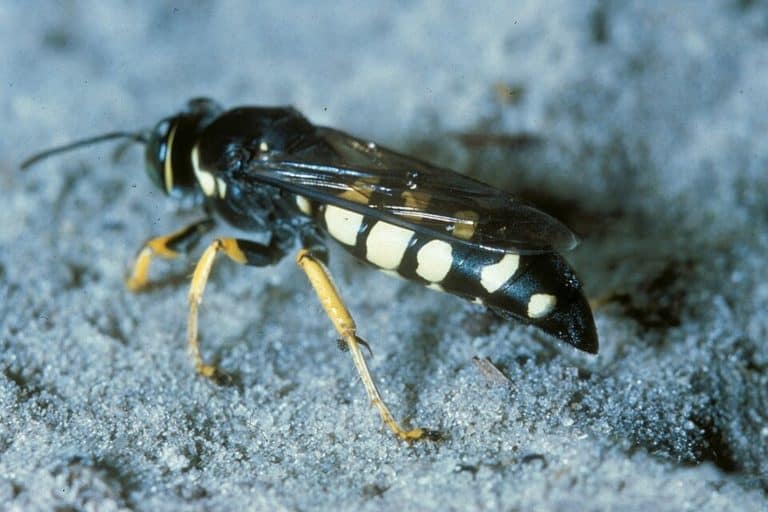
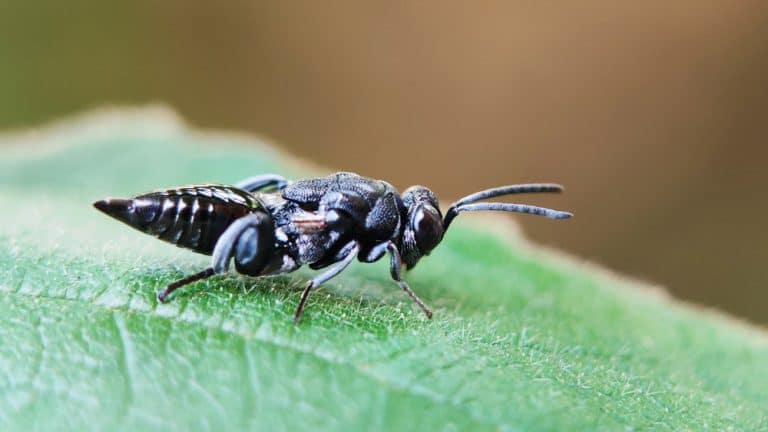
Another very common fear is spheksophobia, the fear of wasps and/or wasp stings. It is derived from the Greek word “spheco,” meaning wasp. This phobia will often trigger individuals into fight or flight mode. For some people, this fear is caused by a negative experience with wasps or even yellow jackets. It can also be caused by an allergy to their sting. For others, it may be caused by the somewhat alien and menacing appearance of wasps, not to mention their aggressive natures.
#12: Melissophobia or Apiphobia
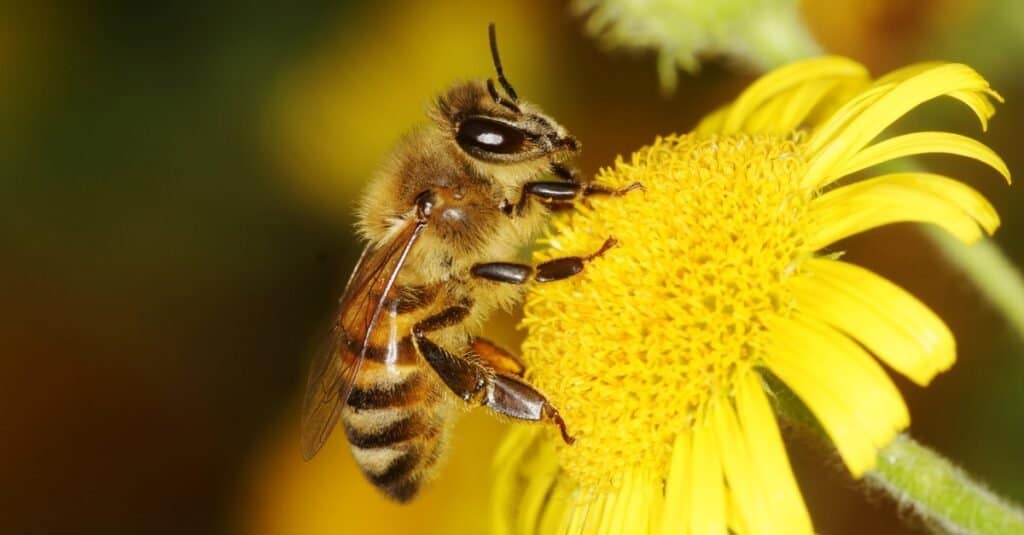
The fear of bees is often accompanied by a fear of other stinging insects.
©Maciej Olszewski/Shutterstock.com
Another insect that people fear is bees. This is called melissophobia or apiphobia, from the Latin “api” meaning “bees.” The fear can occur by itself or be comorbid with fears of other stinging insects. Like fear of wasps, it may be caused by a negative event, but this is not always the case. For some, just the thought of bees is enough to trigger intense anxiety. Most bees will not sting unless they or their hive is threatened, but few apiphobes care about this distinction.
#11: Ranidaphobia
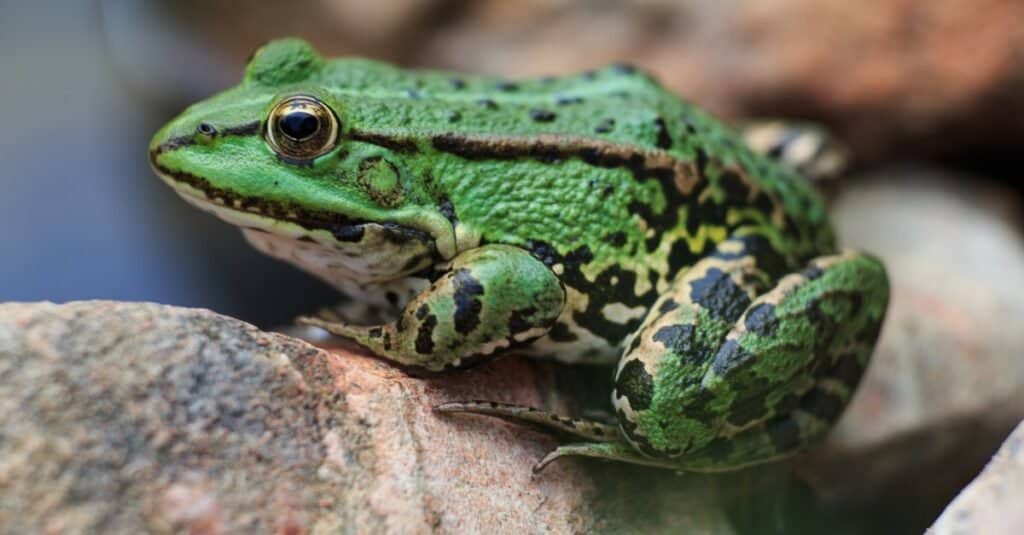
Fearing frogs can be a learned behavior.
©D. and S. Langenberg/Shutterstock.com
Some people suffer from a fear of frogs, otherwise known as ranidaphobia. The word comes from the scientific name, Ranidae, for the most common family of frogs. With a few poisonous exceptions, frogs are fairly harmless. The fear is typically caused by a negative experience with frogs in childhood, such as a frog jumping on a person unexpectedly. It can also be learned behavior caused by observing how others react to frogs.
#10: Entomophobia
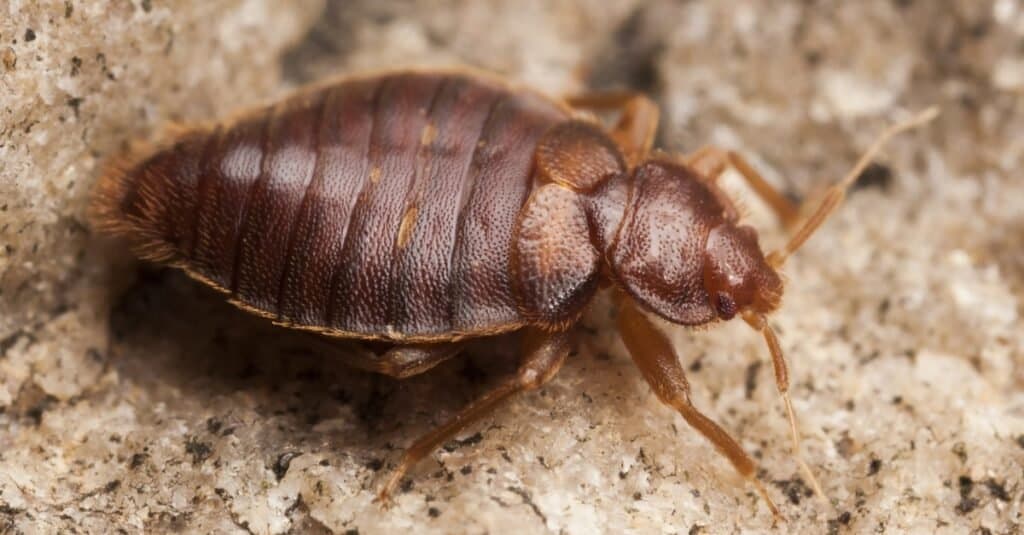
Entomophobia includes fears of any class of insect.
©Pavel Krasensky/Shutterstock.com
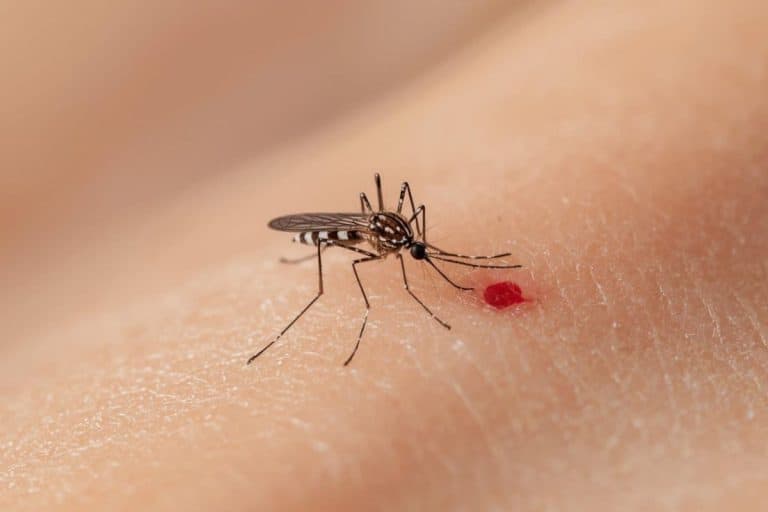
Entomophobia, the fear of insects, comes from the Greek word for insect,”entomos.” This is another common phobia that keeps people up at night. This fear isn’t hard to understand. Bugs are called “creepy crawlies” for a reason. People who would not flinch at the sight of another more dangerous creature may have a panic attack at even the thought of insects. The fear is typically caused by a traumatic experience with insects at any point in their lives.
#9: Ornithophobia
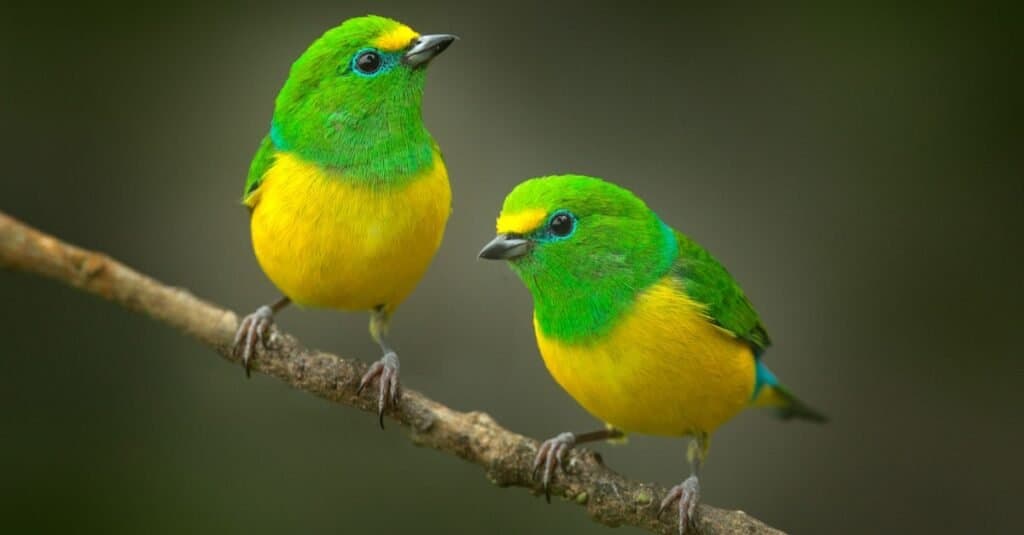
People with a fear of birds are sometimes afraid of being attacked by them.
©Ondrej Prosicky/Shutterstock.com
Another common phobia immortalized on film is ornithophobia or the fear of birds. It stems from the Greek word “ornithos,” which means bird. Like many phobias, ornithophobia is typically rooted in negative childhood experiences. Some people may be afraid of attacks by live birds. Others are afraid of taxidermy birds in museums, or even pictures of birds.
#8: Musophobia
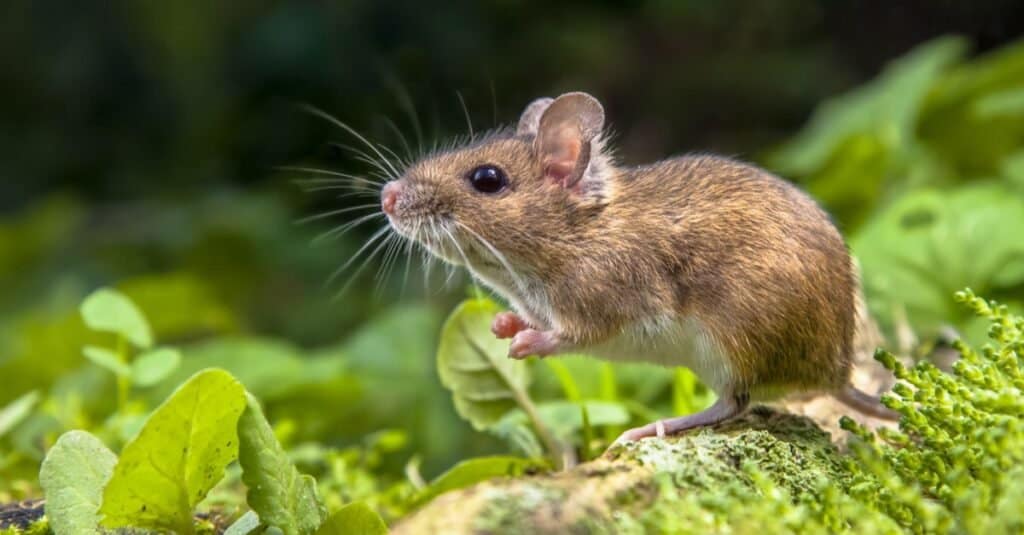
Some people fear mice and rats due to superstitions or beliefs that they carry diseases.
©Rudmer Zwerver/Shutterstock.com
Musophobia is the fear of mice and rats. This fear is named after the Greek word for mouse, “mus.” The fear may come from traumatic experiences with mice, or a fear of mice and rats as disease carriers. A person screaming while leaping onto a chair to avoid a mouse is a commonly used trope in cartoons and movies. Some researchers believe people have developed this fear as a conditioned response to seeing that trope, rather than a real fear of mice themselves.
#7: Scoleciphobia or Helminthophobia
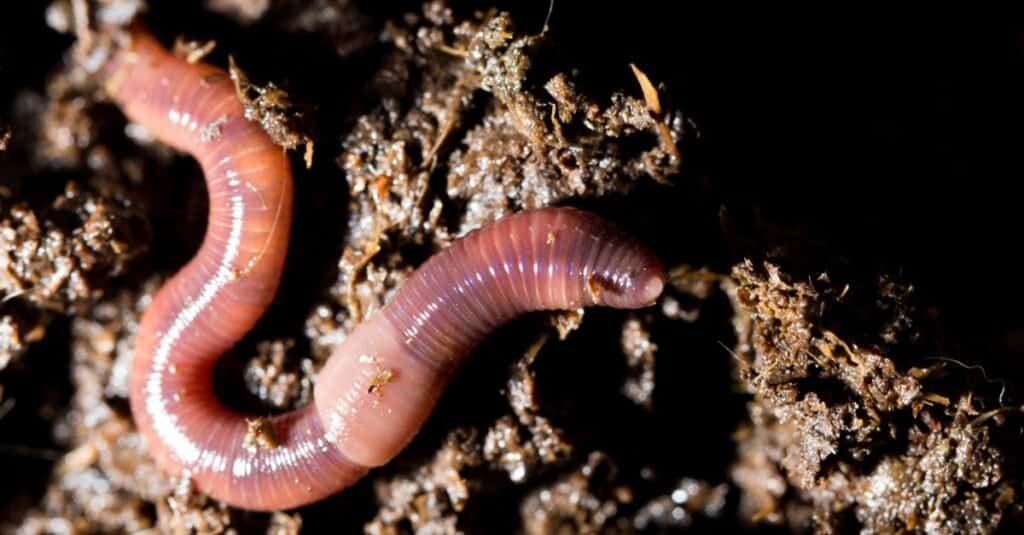
For people with scoleciphobia, the thought of worms crawling in the soil can trigger anxiety.
©schankz/Shutterstock.com
Are you frightened or severely disgusted by the worms on the sidewalk after rain? If so, you might suffer from scoleciphobia, or the fear of worms. The name comes from the Greek word “skolex,” which refers to worms. Helminthophobia is a direct translation that specifically means a dread of parasitic worms. For people with either of these phobias, the sight or thought of any type of worm can induce anxiety and nausea.
#6: Cynophobia

Some people with cynophobia fear large dogs, but they are not afraid of small dogs.
©Simone Hogan/Shutterstock.com
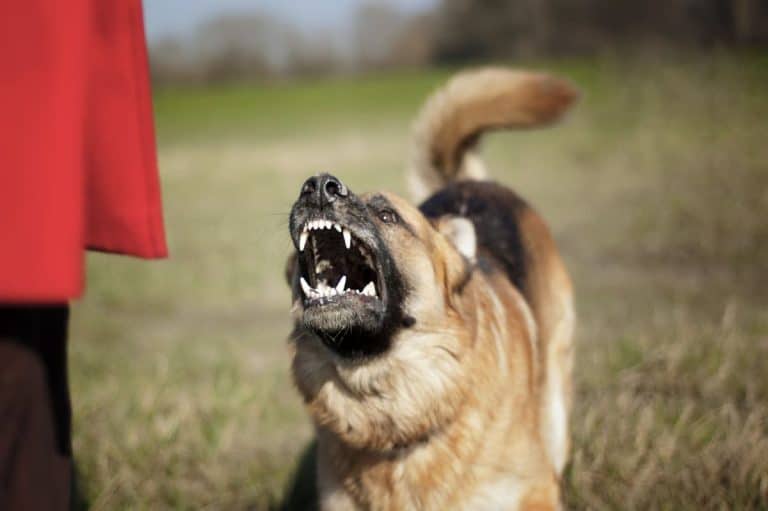
Dogs are often referred to as “man’s best friend,” but for cynophobes, they might be considered “man’s worst nightmare.” Cynophobia is a fear of dogs, derived from the Greek word for dog, “cyno.” This fear is most commonly the result of a traumatic childhood event. For some people, the fear may only relate to dogs of a certain size. For others, size does not matter at all, and they fear all dogs equally. Seeing or hearing a dog, even those on leases or in enclosures can trigger anxiety.
#5: Lepidopterophobia
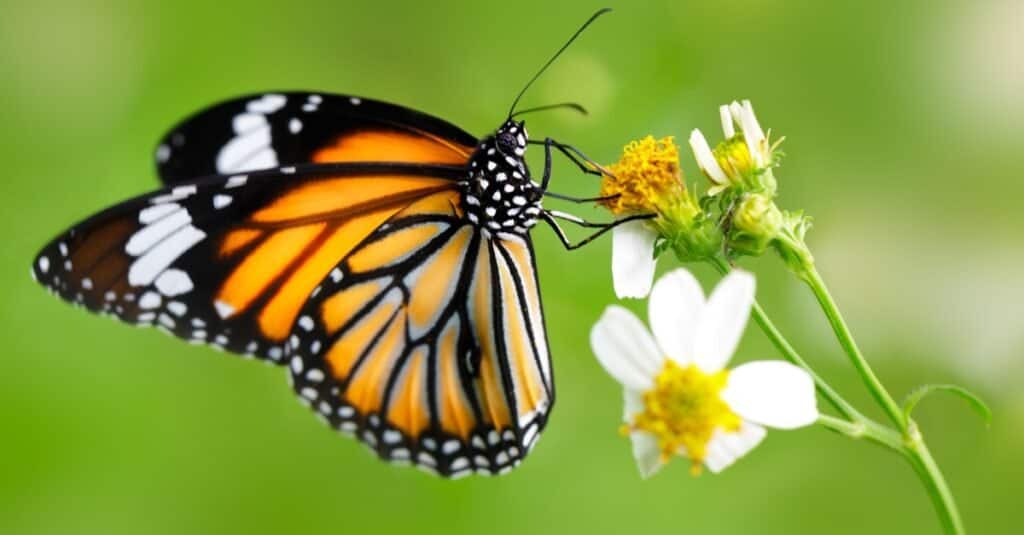
Those who fear butterflies usually also fear other winged insects.
©Patrick Foto/Shutterstock.com
One of the less common phobias is lepidopterophobia, the fear of butterflies or moths. The word comes from the scientific name, “Lepidoptera,” the order to which butterflies belong. Many people find butterflies soothing and beautiful, and in some places having one land on you is considered good luck. However, a person who suffers from this phobia disagrees. Having a butterfly land on them may be very unpleasant or even downright terrifying for these individuals. Most people who have this fear also suffer from the fear of other flying insects.
#4: Ostraconophobia
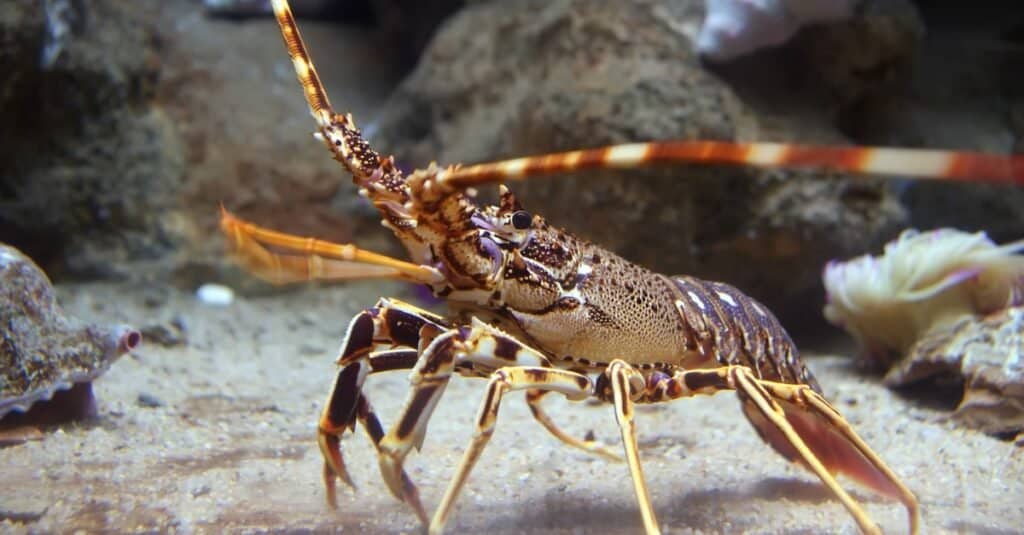
People with ostraconophobia have an aversion to crustaceans like lobsters.
©VLADJ55/Shutterstock.com
In many parts of the world, lobster is considered a delicacy. Many restaurants keep them in tanks where patrons can pick their own before it is cooked. While sufferers of the lesser-known ostraconophobia might enjoy knowing a lobster was being cooked, they would not want to look at it and they definitely wouldn’t want to eat it. Ostraconophobia is the fear of shellfish or crustaceans like lobster, crabs, shrimp, and even oysters. The name comes from the Greek word “ostrakon,” which means shell. For many, this fear stems from a traumatic experience with shellfish, which includes allergic reactions to shellfish.
#3: Alektorophobia
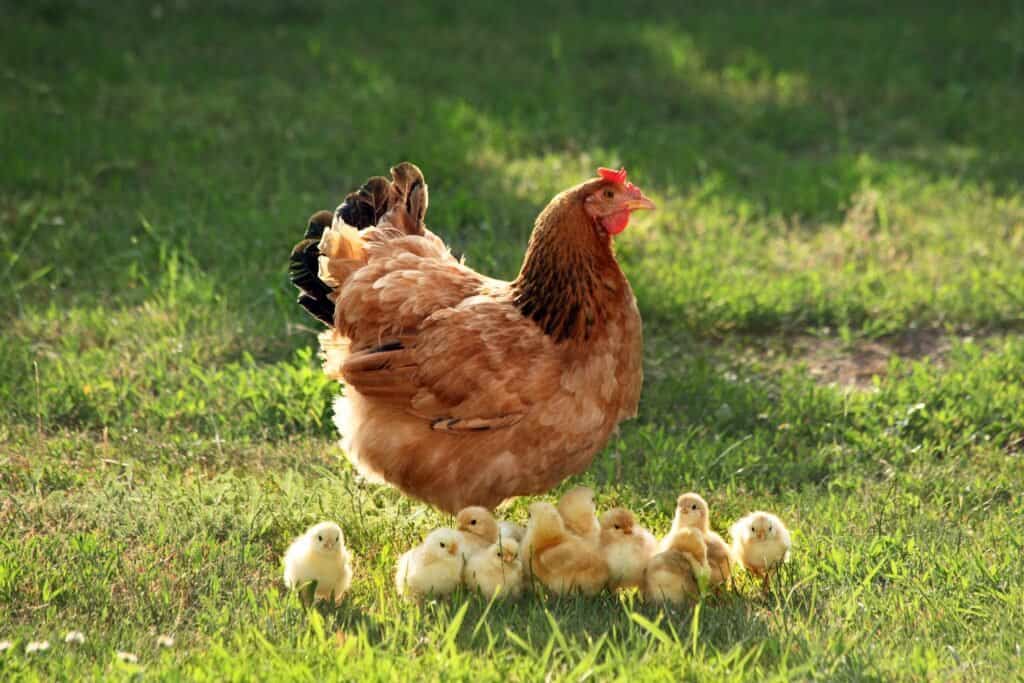
Chickens and roosters cause panic in those with alektorophobia.
©Majna/Shutterstock.com
If a person is afraid to do something, they are sometimes called a “chicken.” What if what they are afraid of is chickens? Alektorophobia is a relatively rare form of zoophobia, but it is no less terrifying for those who have it. The name comes from the Greek word “alektor,” meaning rooster. The thought of chickens or roosters, or a photo of them, can cause intense anxiety. For some people, this fear may even extend to not wanting to eat chicken. The fear is specific to chickens, as the sufferers typically do not fear other birds.
#2: Equinophobia
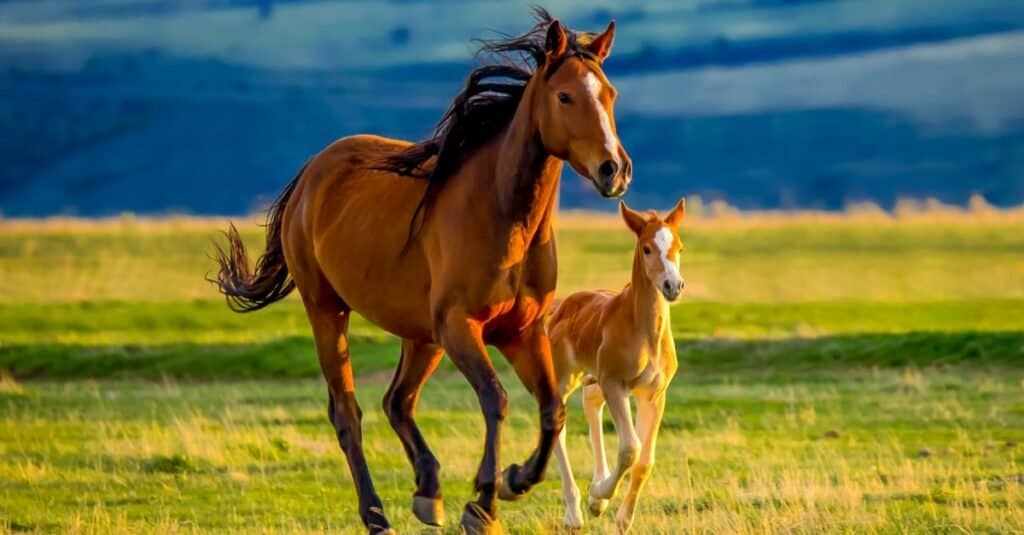
People who suffer from equinophobia have usually had negative experiences with horses.
©Erica Hollingshead/Shutterstock.com
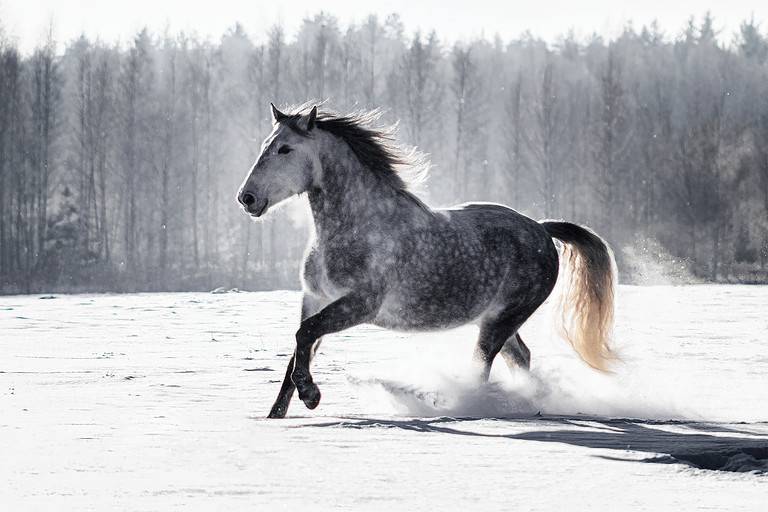
Equinophobia is the fear of horses. This word stems from the Latin word for horse, “equus.” While many people adore horses, people who suffer from equinophobia may dread even the thought of them, let alone being near them. Fear of horses is often linked to some sort of traumatic event, such as being bitten, stepped on, or thrown by a horse. It can also be caused by seeing it happen to someone else.
#1: Agrizoophobia
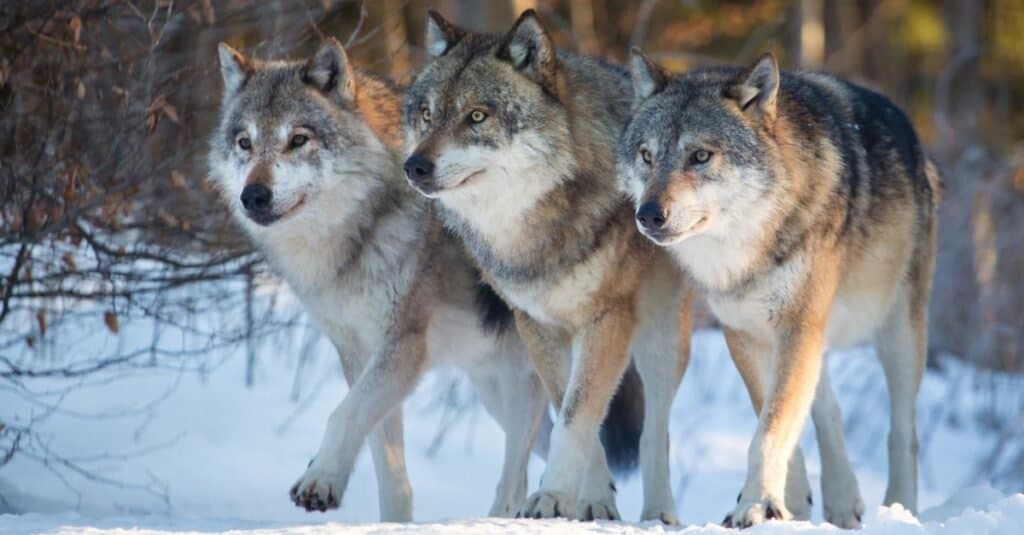
Agrizoophobia is a fear specific to wild animals.
©David Dirga/Shutterstock.com
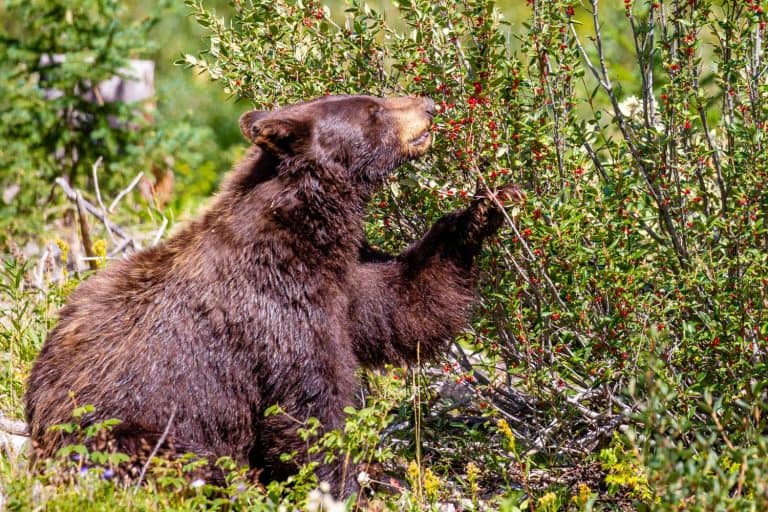
A fear specifically related to wild animals is known as agrizoophobia. The name comes from the Greek words “zoo,” for animals, and “agri,” which means field. People who suffer from this phobia have a fight-or-flight response if they think about, or see wild animals. They avoid activities where they might encounter wild creatures, such as going out for a hike or visiting an aquarium or zoo. Scientists believe the fear stems from the unpredictable behavior and dangerous natures of many wild animals. Fortunately, people with agrizoophobia are typically fine with domesticated animals like cats and dogs.