
Quick Take
- That smooth wooden dowel looks harmless, but it could be quietly destroying your parakeet's feet. See the health risks →
- Not all 'natural' perch materials work equally well. The specific texture and shape matter more than most owners realize. Explore better perch materials →
- There's a popular perch add-on sold at pet stores that most owners think helps their bird, when in reality it does the opposite. Avoid sandpaper perch covers →
Bird cages are not always ideal for your parakeet’s well-being. Smooth dowel perches are neat-looking and even functional, but relying on them alone can lead to serious health problems.
A bird that spends most of its time in a cage already has limited movement. If it only has a dowel perch to stand on, its claws can suffer over time. A single perch, which is usually included with a basic cage, can negatively affect a parakeet’s muscles and joints. Over time, this can cause ongoing discomfort and health issues. That’s why we’ve put together a short guide on perches and how a variety of them can improve your pet parakeet’s condition.
Health Problems
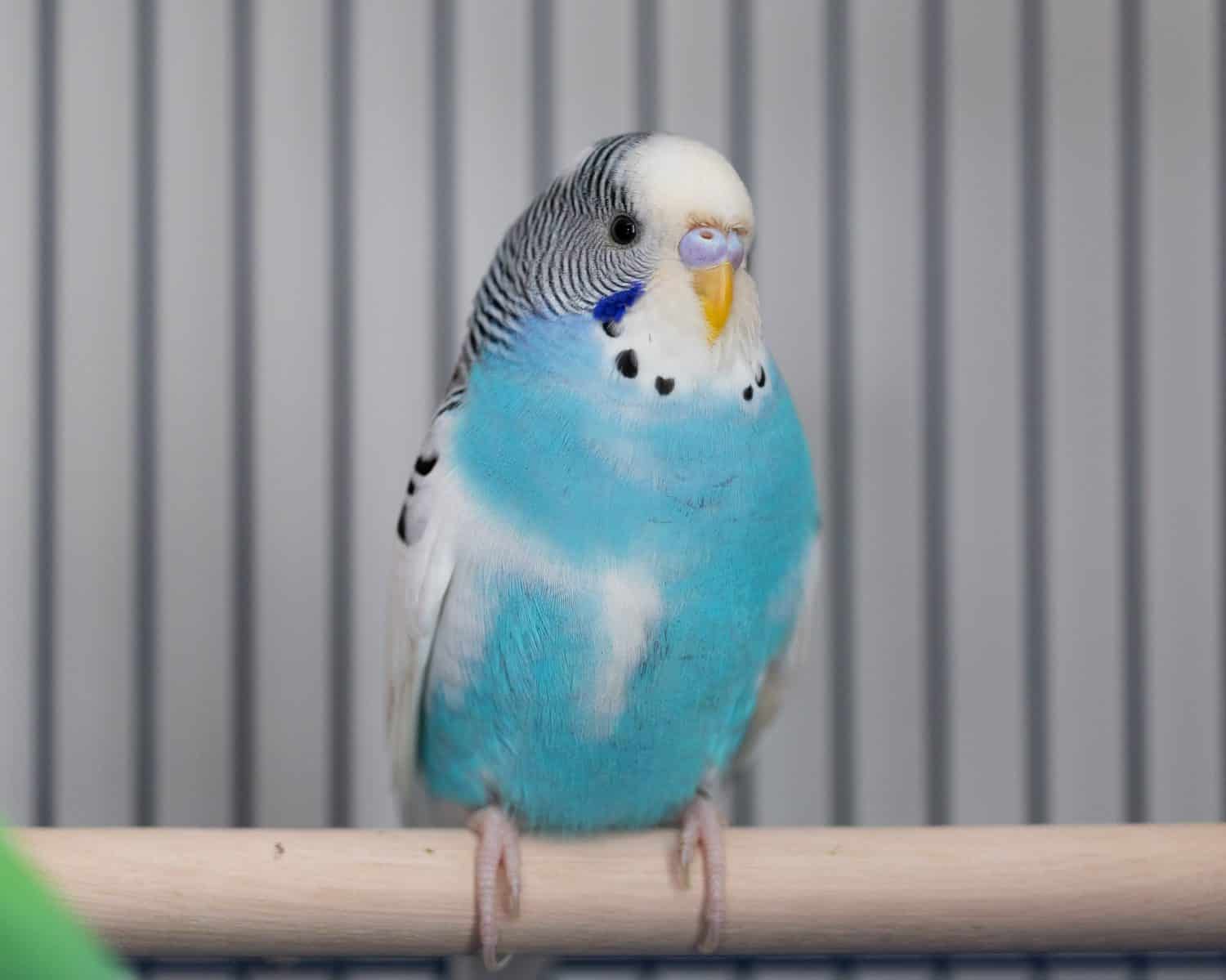
Dowel perches may look comfy for parakeets, but they can reduce blood circulation and produce a condition called pododermatitis.
©Vera Mezhvynskiy/Shutterstock.com
Birds like parakeets may love to fly, but they also need a place to stand. The standard dowel perches included in most bird cages sold at the pet store may look comfy, but they can result in serious health complications down the line. Smooth dowels force a parakeet to press its weight down in the same spot day after day. Over time, this pressure can significantly reduce blood circulation, producing a condition called pododermatitis or bumblefoot. This condition starts with redness and inflammation, eventually leading to worse symptoms: open sores, severe lesions, and even bacterial infections that can spread to the bone.
Without a variety of perches, parakeets become considerably restricted in their movements. Different perches in their cage provide more opportunities for exercise. A rope perch, for example, encourages the use of different muscle groups, whereas smooth wooden dowels require almost no grip. If a parakeet doesn’t use its muscles, its claws can weaken. After all, if your pet parakeet has nowhere else to sit, why would it need to move around much?
Dowel Alternatives
Luckily, there are plenty of options out there beyond the factory standard wooden dowel perches that are unique, healthy, and affordable. Plenty of bird-safe materials can provide your pet with more options for standing and encourage better health outcomes.
Natural materials are best, and this is especially true for bird perches. Various woods like applewood, dragonwood, and manzanita provide the type of rough textures and natural curves a bird needs to thrive. While a dowel perch requires almost no muscle control to stand on, natural wood perches offer varying diameters and textures that help distribute pressure more evenly across a bird’s claws. In turn, a bird like a parakeet has a better chance of exercising the muscles in its feet and reducing the risk of atrophy.
Placement and Hygiene
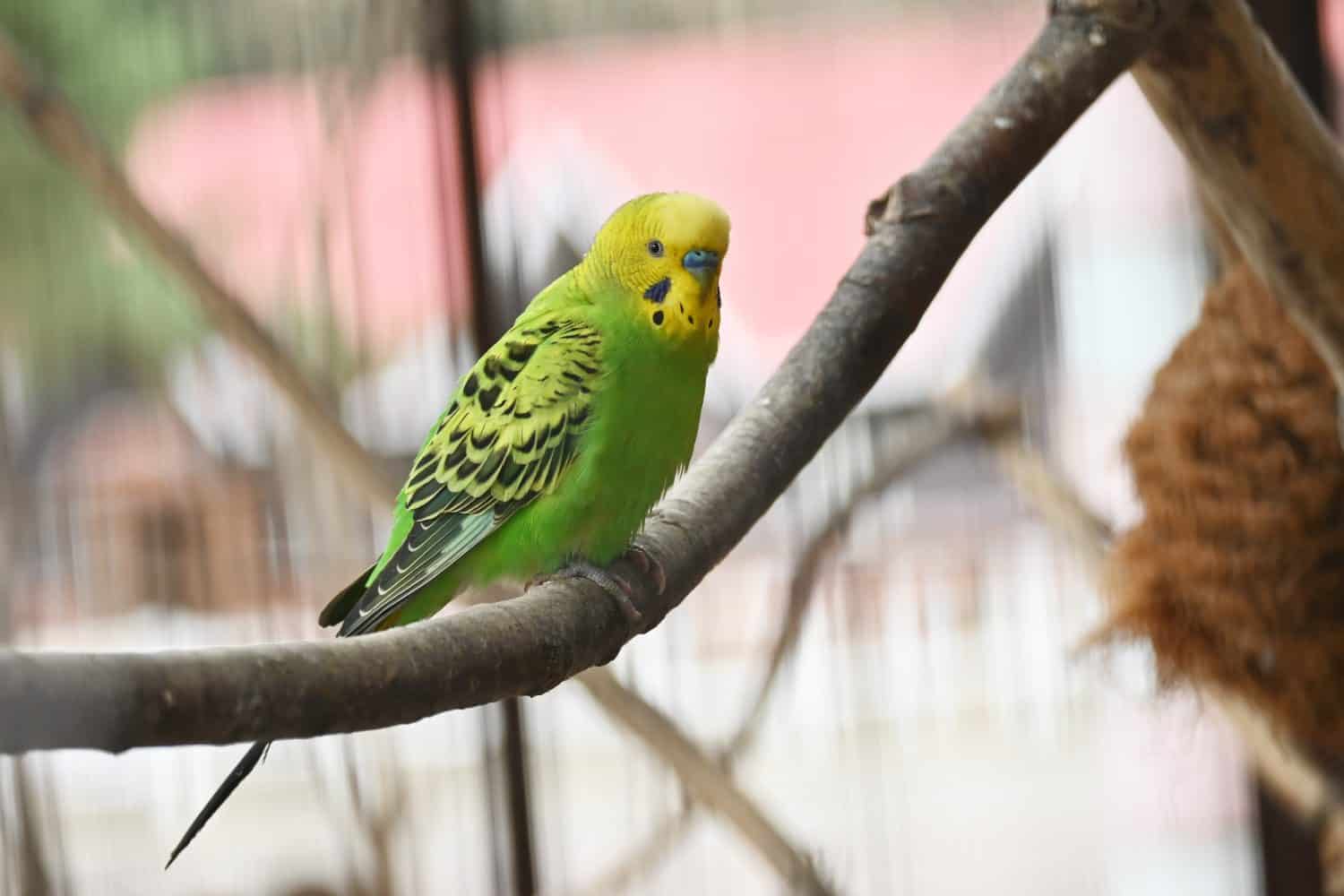
Even natural perches need regular cleaning because they can trap debris, food, and droppings.
©tamu1500/Shutterstock.com
When adding different types of perches to a bird cage, position some at the highest points, as birds naturally prefer to roost high at night. However, avoid overcrowding the cage. If all the perches are clustered in the center, birds lose space to hop around and exercise their flight muscles. It’s best to place perches at different ends of the enclosure. Also, ensure that food and water sources are close enough to perches so that birds can eat comfortably while standing or sitting.
Like other parts of a bird cage, perches—even natural ones—require regular cleaning. Natural bark can easily trap debris and droppings. To keep perches safe and clean, remove them regularly and scrub with hot water and a firm brush. Disinfect them with a bird-safe cleaner before drying them in the sun.
A word of caution about sandpaper: don’t use it. Some pet owners cover perches with sandpaper or buy perches that already have sandpaper attached, thinking it will help keep their bird’s nails trimmed. However, sandpaper is too abrasive for a bird’s delicate skin and can cause micro-abrasions, leading to bacterial infections and pressure sores. Instead, choose concrete or specially designed pedicure perches.