
Quick Take
- Most people assume white lions are albino, but they are not, and that distinction changes everything about how these animals actually live. See the leucism distinction →
- A white coat seems like a fatal hunting disadvantage, but white lions manage just fine in the wild for a reason most wouldn't guess. Check their survival traits →
- No one knows exactly how many white lions exist in the wild, and the reason why reveals just how razor-thin their foothold in nature really is. See population status →
- White lions were once pulled from the wild for their looks, and what reversed that fate is a story their current home tells best.
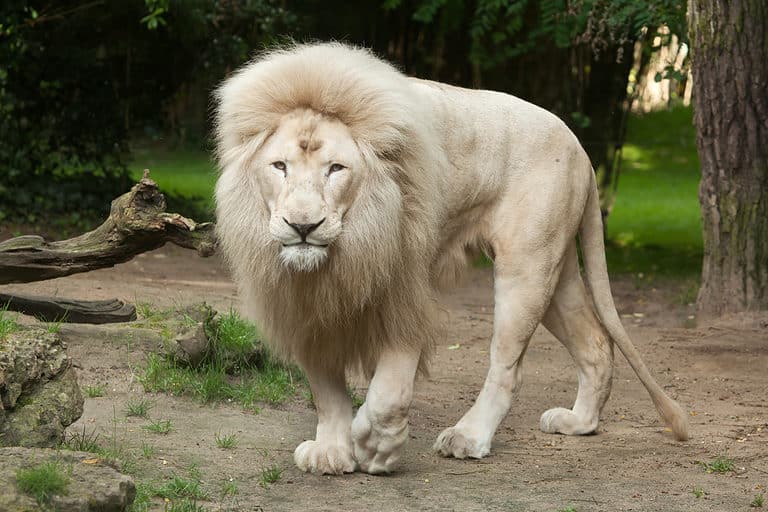
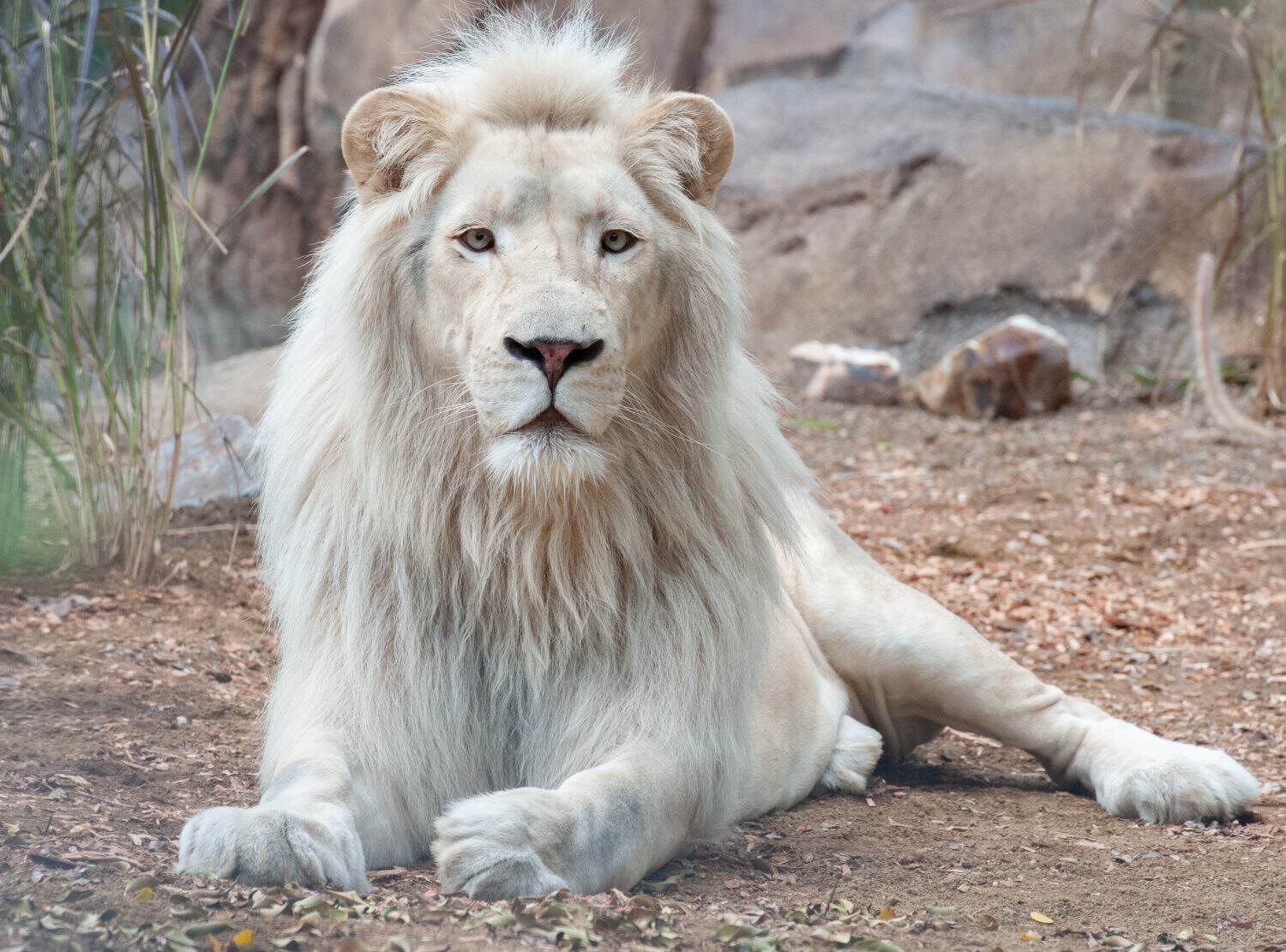
Lions are amazing creatures famous for their bright and shiny orange fur coats. But did you know that there are other color variations out there? This Instagram post by @the.natureproject shows a rare white lion and its brighter-than-usual mane.
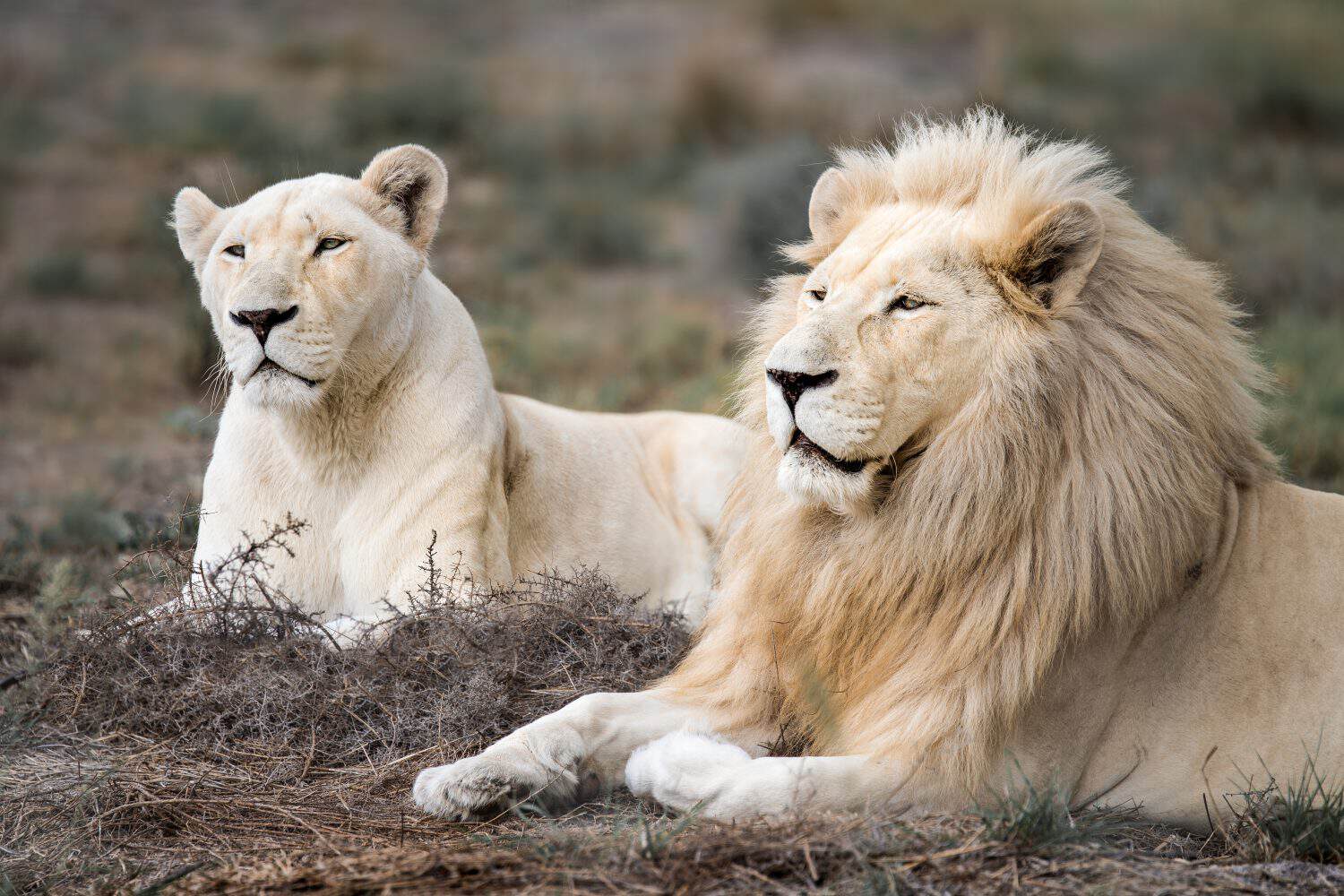
White lions get their unique coloration due to a genetic condition called leucism.
©Shawn Levin/Shutterstock.com
What Makes a Lion White
A white lion is a rare phenomenon in nature. One of the most amazing parts of these animals is that they are not always albino. Most of the time, the coloration is attributed to a genetic condition known as leucism. This condition reduces pigmentation in the fur but still leaves pigment in the skin and eyes. It differs from albinism, as leucism involves a partial loss of all types of pigment, whereas albinism specifically affects the production of melanin.
White lions are unique in that they naturally occur only in restricted areas. For the most part, they are associated with the Greater Timbavati region in northeast South Africa. These lions live in nature reserves and are endemic to the area. In the wild, these white cats are extremely rare. Because of this, we don’t know exact population counts for white lions, which makes sightings all the more special.
Unlike albinism, leucism does not cause poor health outcomes; white lions generally live healthy lives. They grow to normal size, form prides with other lions, mate, hunt, and behave socially similar to others. While their coloration may theoretically put them at a disadvantage for camouflage and hunting, existing evidence doesn’t support this. Since lions are social animals, they often hunt and eat together, meaning that a white lion won’t get left behind. While these amazing lions have historically been mistreated because of their unique coloration, they are doing better today thanks to the protected reserves they call home.