
Quick Take
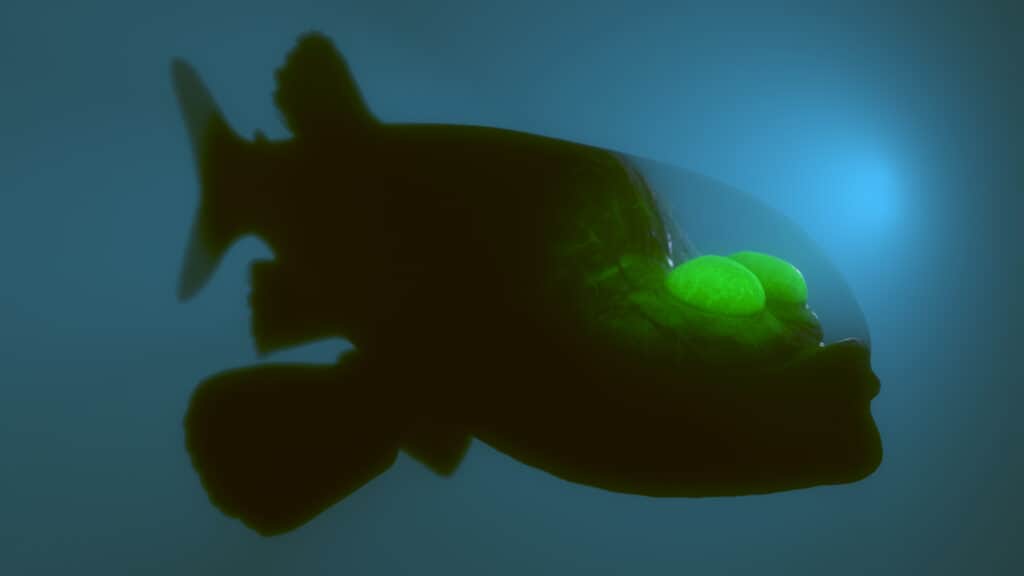
- One deep-sea fish has glowing green eyes visible through its transparent skull, a feature that scientists had wrong for years. See the barreleye's eyes →
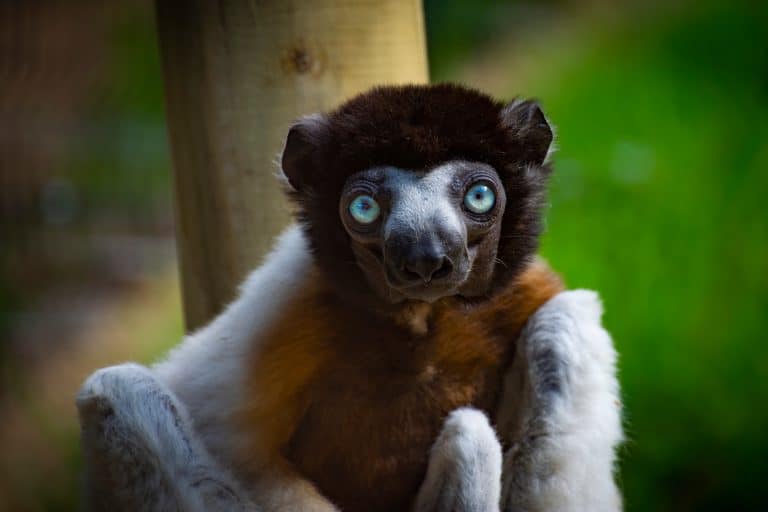
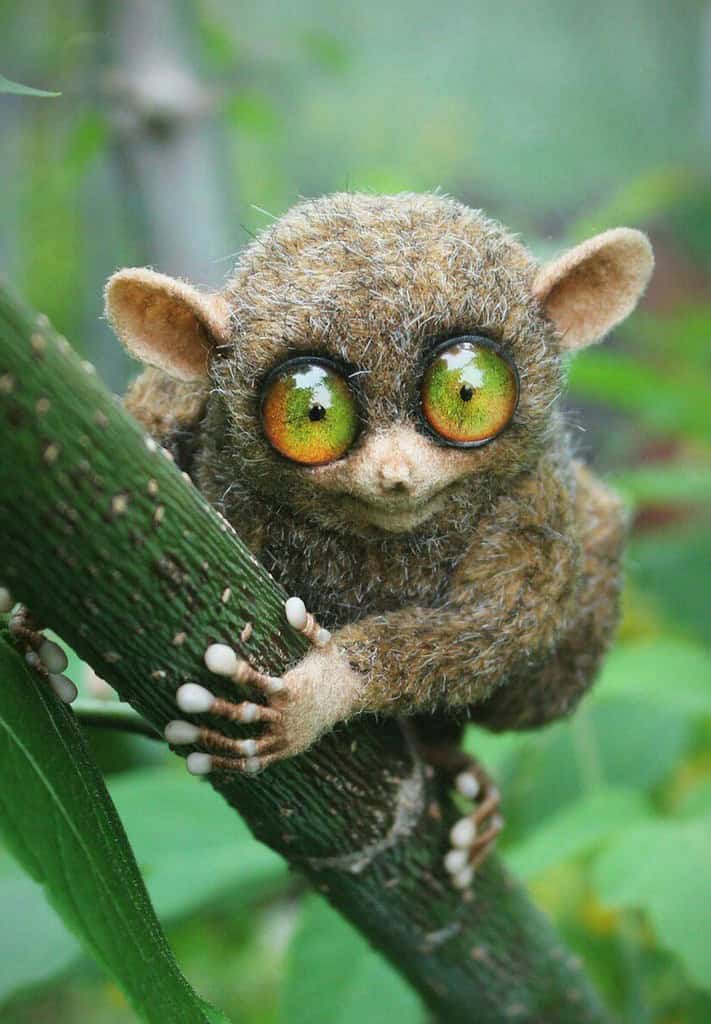
- A tiny primate has eyes so oversized they expose a strange physical trade-off that changes how the animal experiences the world entirely. Discover the tarsier's trade-off →
- The animal with the most color-detecting cells on this list isn't what you'd expect, and its vision is so complex that scientists still don't fully understand it. Explore mantis shrimp vision →
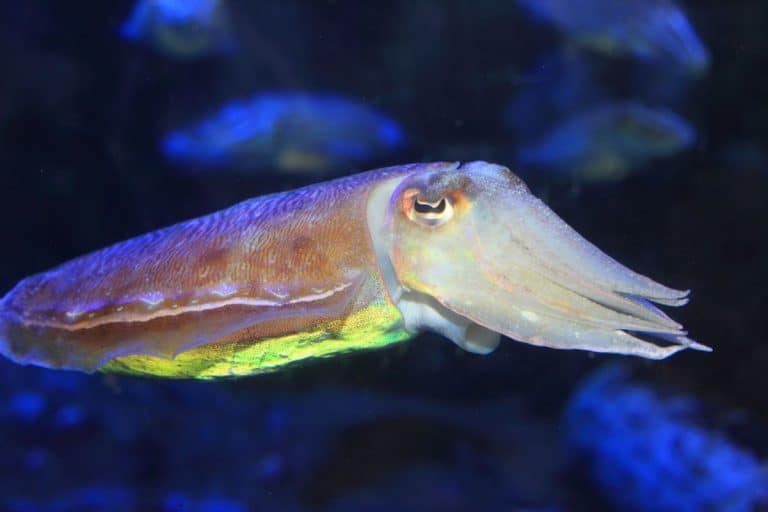
- One creature on this list is almost certainly colorblind, and yet it has one of the strangest, most specialized pupils in the entire ocean. Meet the colorblind cuttlefish →
Nature has developed some truly bizarre ways for animals to see the world around them. Some creatures have strangely shaped pupils, while others can see in multiple directions at once or detect colors humans aren’t even aware of. These unusual eyes generally evolved to help animals track prey, avoid predators, or survive in harsh environments. The animal kingdom is filled with fascinating visual structures, from deep-sea fish with transparent heads to tiny primates with oversized eyes These animals prove that when evolution keeps its eye on survival, things can get pretty weird.
Mantis Shrimp
©Samy Kassem/Shutterstock.com
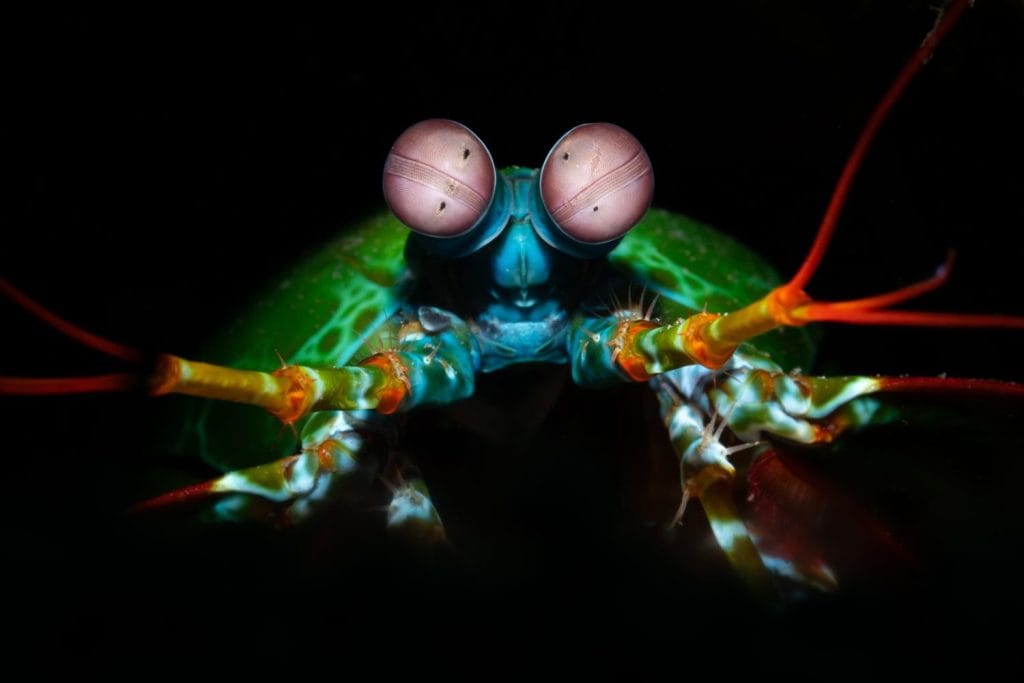
Despite being a tiny invertebrate, the mantis shrimp has one of the most advanced visual systems in the entire animal kingdom. While humans have three types of color-detecting cells in their eyes, mantis shrimp possess as many as 12 to 16. They can also perceive polarized and ultraviolet light, giving them a perspective of the world humans likely cannot even imagine. Their circular eyes sit on stalks and move independently, allowing them to view their surroundings with precision. Scientists still study mantis shrimp vision because it is so unusually complex.
Goat
©Milly Chacko/Shutterstock.com
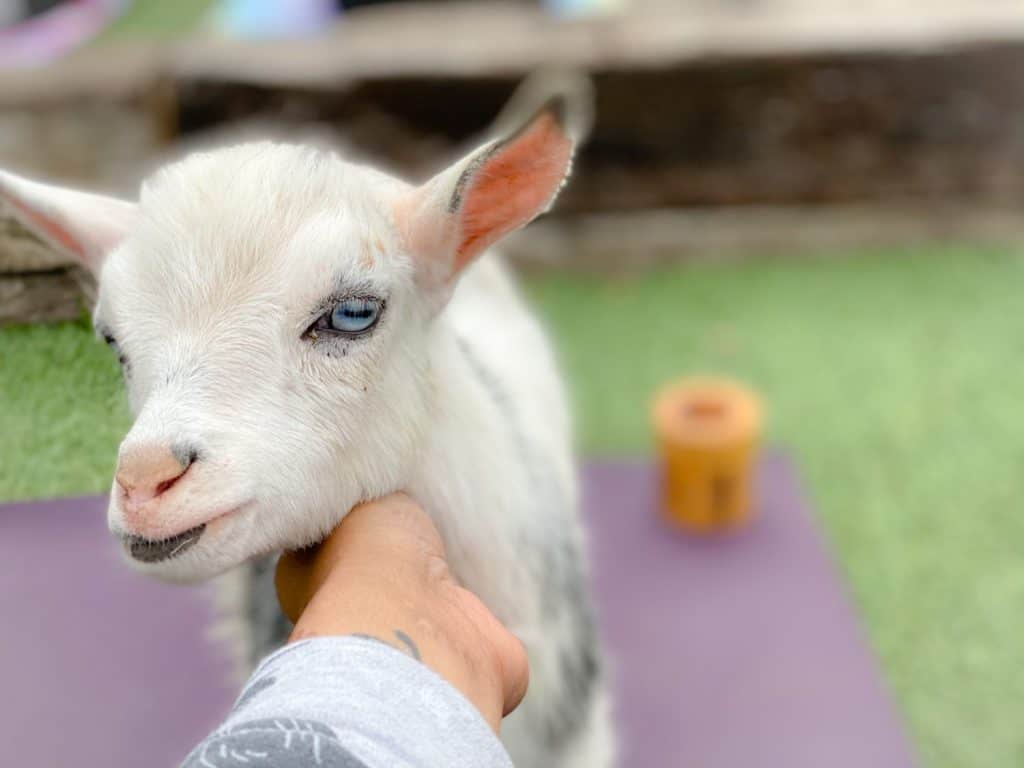
You likely expected goats to be on this list, as they are famous for their eerie rectangular pupils, which look almost alien compared to human eyes. These odd pupils give goats a wide field of vision almost like panoramic eyesight. It is incredibly useful, helping them spot predators approaching from nearly any direction. Their pupils also rotate as they move their heads to keep the horizon level. This unique adaptation helps goats maintain awareness while climbing steep rocks in their native environment.
Chameleon
©reptiles4all/Shutterstock.com
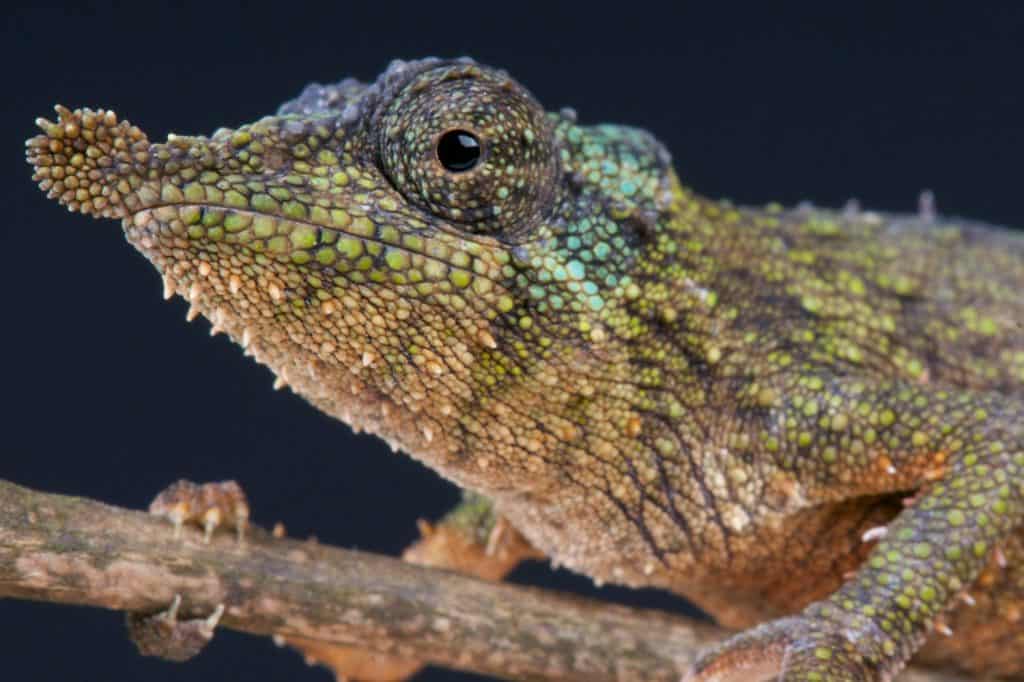
Chameleons possess some of the strangest eyes among reptiles. Like the mantis shrimp, their eyes can move independently of one another, meaning these lizards can look in two completely different directions at the same time. This allows them to scan for both predators and prey without moving their heads. When prey is spotted, both eyes lock onto the insect allowing for extremely accurate depth perception. Alongside their lightning-fast tongues, these eyes make chameleons effective hunters.
Four-Eyed Fish
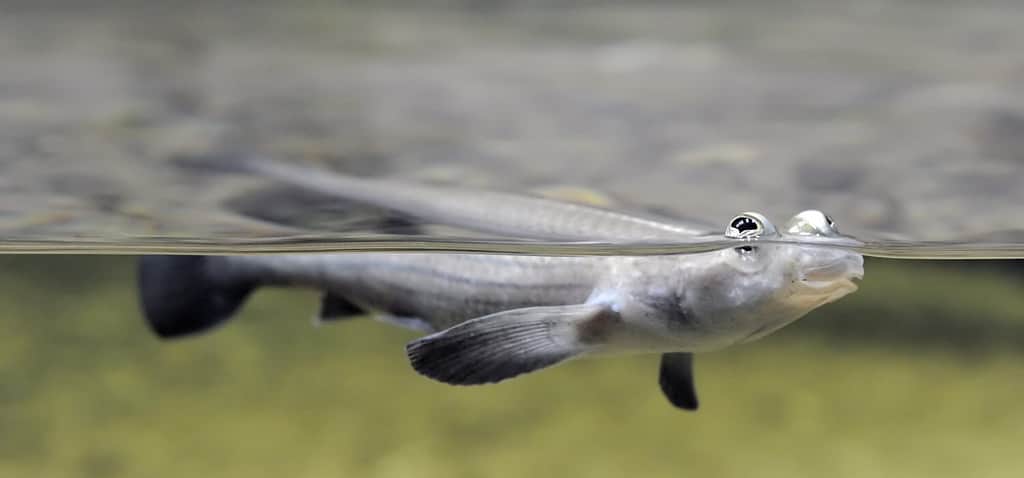
©gallimaufry/Shutterstock.com
The so-called four-eyed fish does not actually have four separate eyes, but each eye is divided into two sections. One part sees above the water while the other sees below it simultaneously. While swimming at the surface, this adaptation allows the fish to watch for predators in the air while scanning for danger underwater. Their bizarre split-eye design is one of the weirdest visual structures in nature.
Dragonfly

©Haiduchyk Aliaksei/Shutterstock.com
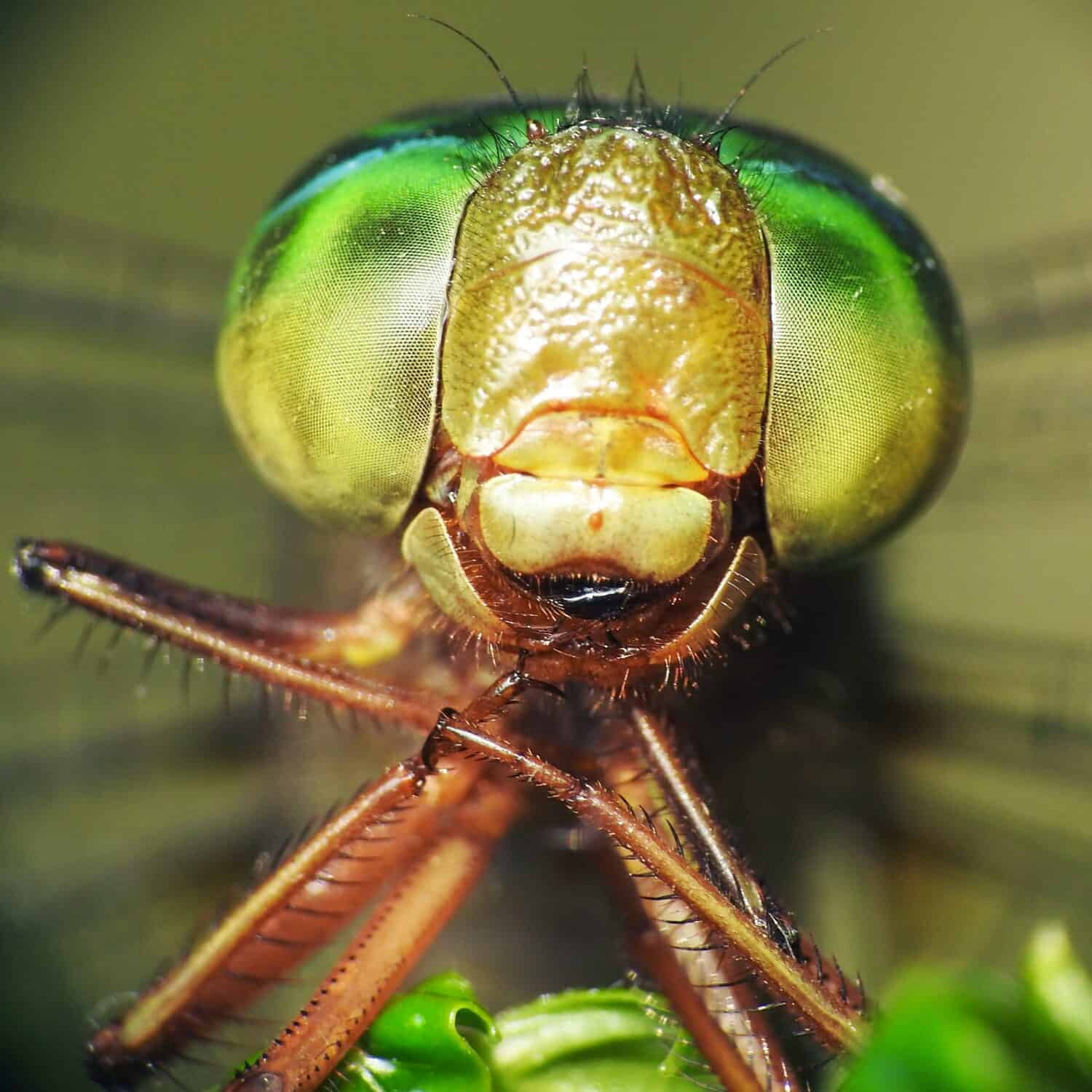
Dragonflies have enormous compound eyes that dominate most of their heads. Each eye contains thousands of microscopic lenses called ommatidia. These allow the long-bodies insects to have nearly 360-degree vision and allow them to detect movement with incredible accuracy. Their oversized eyes are so effective that dragonflies can track prey while flying at high speeds, making them some of the most successful insect hunters in the world.
Gecko
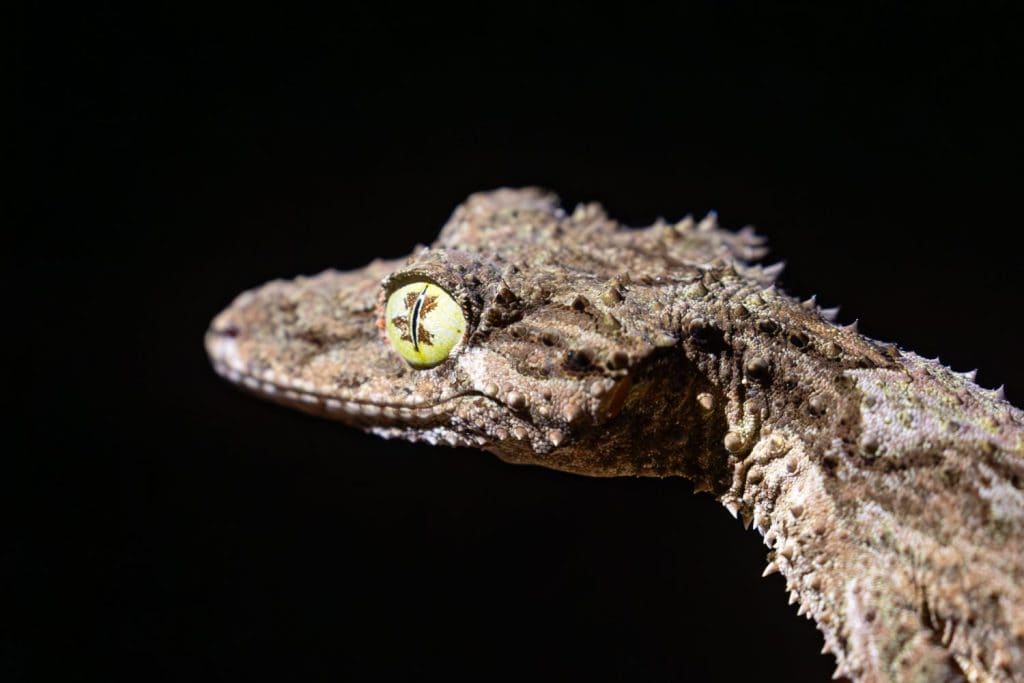
©Daniel Karfik/Shutterstock.com
Some geckos have extremely effective nighttime vision that far exceeds human abilities. Certain nocturnal species can even see color in environments so dark that humans would struggle to see anything at all. Due to large pupils, their eyes are incredibly sensitive to light. Unlike many animals, geckos do not have movable eyelids and instead clean their eyes using their tongues. Their unusual eyes help them hunt successfully in the dark of night.
Hammerhead Shark
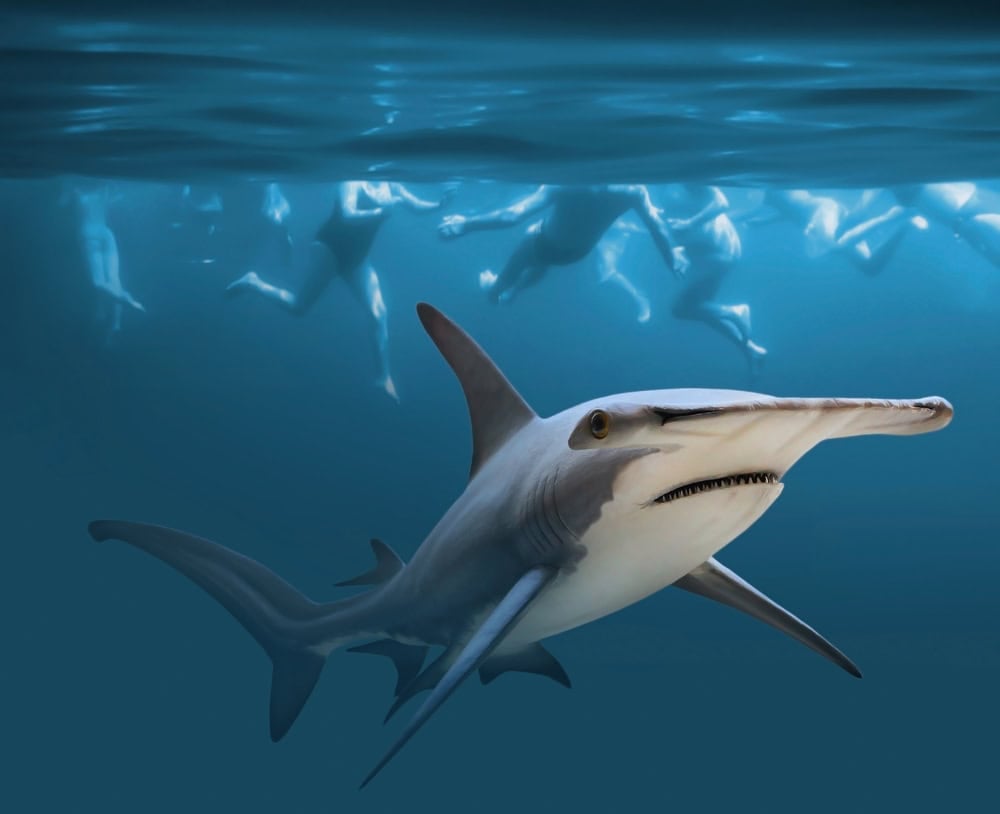
©Kletr/Shutterstock.com
Hammerhead sharks are well known for their strange, flattened head shape. Their eyes sit at opposite ends of the hammer-shaped structure, giving them an exceptionally wide field of vision, much wider than most sharks. Their uniquely positioned eyes improve depth perception and help the sharks search large swaths of ocean quickly. Scientists believe the wide-set eyes may also help them better locate prey hidden over the sand.
Cuttlefish
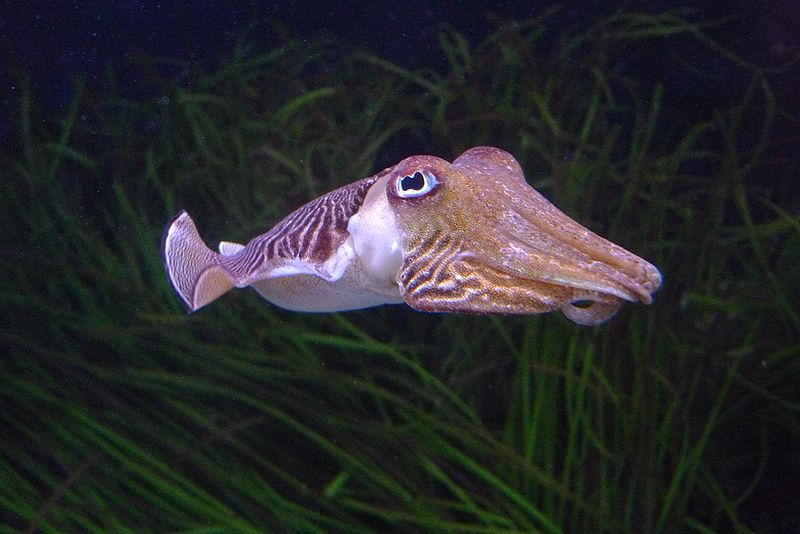
©David Sim from London, United Kingdom, CC BY 2.0, via Wikimedia Commons – Original / License
Cuttlefish might just have the strangest pupils of any creature in the animal kingdom. Their highly unique, W-shaped pupils help them see contrast and movement in the water, even in low-light conditions. Similar to octopus, cuttlefish are masters of camouflage and can rapidly change both color and texture to blend into their surroundings. Despite their advanced vision, scientists think cuttlefish may actually be colorblind. Their alien-like eyes are one of the ocean’s most miraculous adaptations.
Tarsier
©Tesalonika tengker/Shutterstock.com
As if tarsiers weren’t already cute enough, these tiny nocturnal primates evolved enormous eyes that appear far too large for their tiny faces. In fact, each eyeball is roughly the same size as the animal’s brain. These massive eyes allow tarsiers to see extremely well at night while hunting insects in the dark forests of Southeast Asia. Adding to their extraterrestrial-like appearance, tarsiers cannot move their eyes within their sockets and instead must rotate their heads nearly 180 degree to look around.
Barreleye Fish
©3DSam79/Shutterstock.com
The barreleye fish may win strangest eyes of any animal on Earth. This alien-like fish inhabits the deep, pitch-black ocean waters. Its eyes resemble glowing green orbs, which are visible through its transparent head. The neon eyes point upward to help it spot prey outlined against any faint light filtering down from the surface. Scientists once believed the eyes were fixed permanently in an upward position, but later research showed the fish can rotate them forward as well.