
Quick Take
- The old primate-tracking method had a fatal flaw researchers knew about for years, and the fix turned out to come from a surprisingly simple place. See the fix →
- Tracking a wild primate through shifting light and dense overgrowth once required conditions so precise that a single shadow could erase hours of work. AI flips that equation entirely. How AI flips tracking →
- Hours of jungle footage that biologists wrote off as useless may actually be their most valuable research asset yet. Explore the footage findings →
If a tree falls in a forest, and no one is around to hear it, does it make a sound? That Zen koan may teach us lessons about perception, but it can’t withstand the progress of technological innovation. To some people, AI is an all-powerful force. Others see it as a harbinger of catastrophe. To researchers operating in Southeast Asia, however, AI is providing an unparalleled look at primate movement. That’s because they created a multi-animal-tracking AI model called PriMAT, one that can track multiple species in even the densest jungles.
As any biology researcher who has spent time in the field knows, there is a veritable abundance of data. It’s just a matter of ability. Researchers spend untold, uncomfortable hours hidden in dense jungle vegetation just to get a few hours of clear footage of a monkey. Now, researchers believe they can avoid the bug bites and acquire even more precious data through the use of AI, computer vision tools like PriMAT. Let’s learn more about this innovative technology and why researchers believe it could be the key to gathering previously hidden data.
Prehistoric Approaches
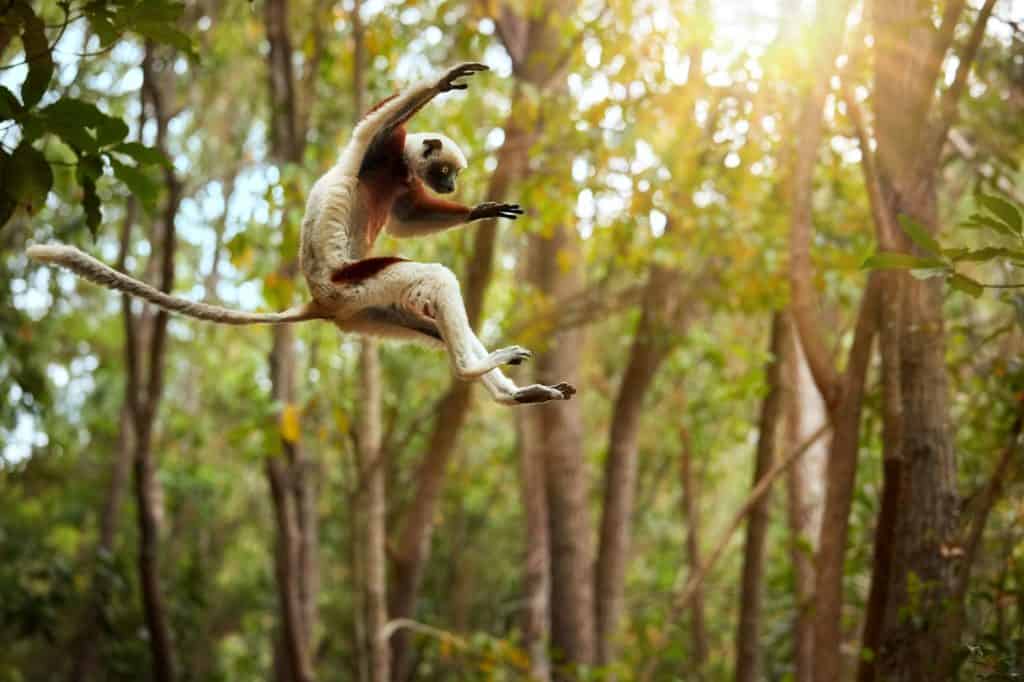
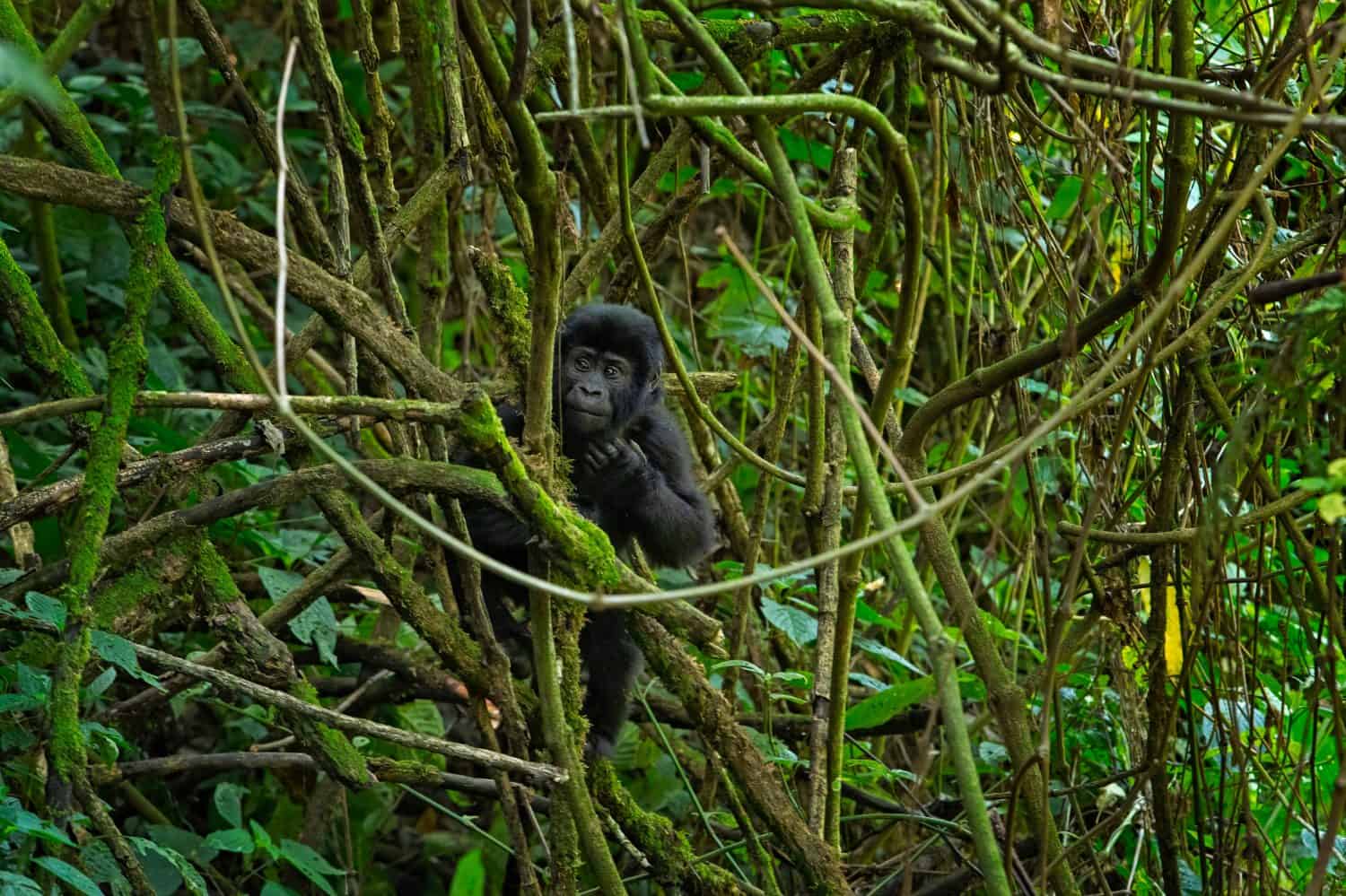
While keypoint detection allows scientists to track primates through their features, it routinely fails in uncontrolled conditions.
©Martin Mecnarowski/Shutterstock.com
For much of the 20th and early 21st century, biologists were forced to rely on their own stamina and inconspicuousness to get the data they needed about animals. Even if a camera could pick up a monkey in its natural environment, that camera likely had trouble tracking the animal more than a few feet. Improved techniques like keypoint detection offered an automated tracking strategy that identifies specific appendages like elbows, tail bases, or feet.
Such detection worked well in controlled settings with constant lighting but routinely failed in natural conditions. Jungles and dense forests, in particular, caused tracked animals to become untracked the moment they stepped into the shadows or moved behind a thick bush.
One can imagine the pure frustration that has befallen biologists in the wild the world over when their camera trap and survey blind become pointless after their animal subject moves into dense overgrowth. The simplest change in environmental conditions can destroy hours of preparation and surveillance. Thanks to the advent of AI, however, researchers have figured out a way to sidestep these headaches.
PriMat Progress
AI has already made considerable headway in the hard sciences. Animal detection and tracking, it seems, is no exception. A team of researchers from across the world, including Germany, has developed a multi-animal tracking model called PriMAT. Designed specifically for tracking nonhuman primates in natural conditions, PriMAT learns to “detect and track primates and other objects of interest from labeled videos or single images using bounding boxes instead of keypoints.”
As the researchers emphasize, keypoint detection works well in controlled conditions, but routinely fails when it must account for shifting lighting conditions and complex motion. The researchers behind PriMAT believe they have solved this problem through the use of AI. Instead of tracking animal features, the model uses dynamic bounding boxes to lock onto a primate target and follow it through changing conditions, environmental features, and movements.
Scientists applied their model to two case studies involving Assamese macaques and red-fronted lemurs living in natural conditions. With just a few hundred frames of video featuring bounded boxes, the researchers were able to accurately predict lemur identities 83% of the time. Not ready to rest on their laurels, the researchers tested their model on other primate species, including Barbary macaques, Guinea baboons, gorillas, and chimpanzees. Remarkably, this simple AI-based technique allowed researchers to track specific primate individuals regardless of their movement or behavior. It also means that they can use years of footage to retroactively accomplish the same thing.
Mountains of Footage
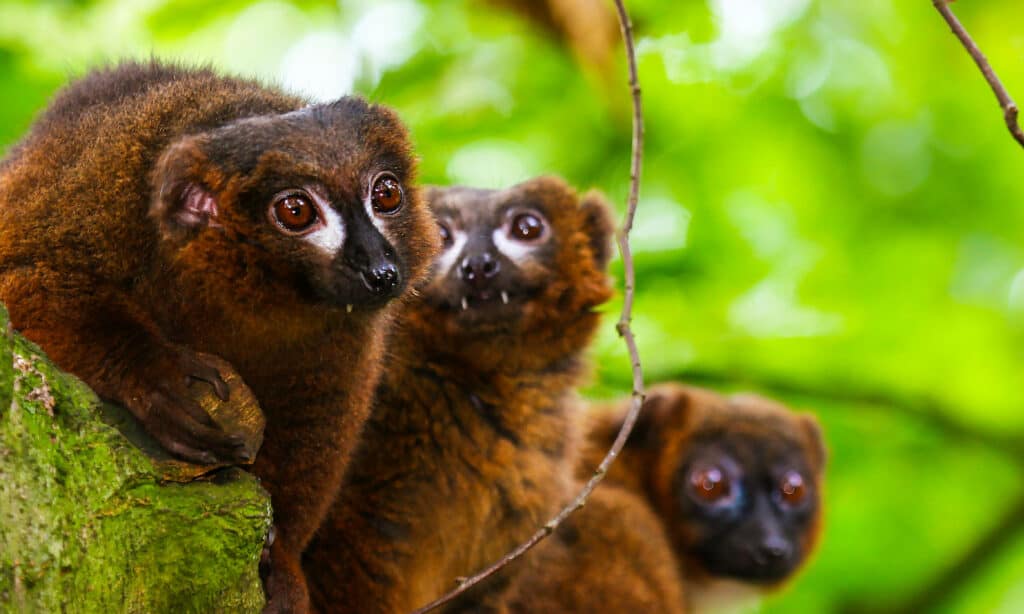
The AI-powered PriMAT model was able to track red-fronted lemur identities with 83% accuracy.
©Dirk M. de Boer/Shutterstock.com
The beauty of PriMAT’s approach is that it doesn’t need to happen dynamically. Put simply, all those hours primatologists and biologists spend in the jungle capturing footage can be put to use. What was once unhelpful footage can become a goldmine of research thanks to PriMAT’s ability to lock onto a primate target and track it through bushes and under fallen logs. Even changing light conditions are no match for the power of AI computer vision detection.
In the past, researchers spent substantial hours in the field attempting to get footage of primates living their lives. Even if the footage they shot turned out to be useful, it still required hours of further manual analysis to derive insights. Now, with tools like PriMAT, researchers can automatically analyze hours of old footage in minutes. While such tools are still in their infancy, their current effectiveness points toward a previously hidden side of science that can now be unlocked.