Quick Take
- The group of species dominating New York's updated conservation list isn't bears, birds, or fish, and the answer might actually surprise you. See which species dominate →
- Waiting until a species is endangered makes protecting it dramatically harder and far more expensive. Here's what New York is doing differently. See why early action matters →
- Half of the newly added at-risk species fall into one ecological role that most conservation plans have historically ignored entirely. Explore the overlooked species →
New York recently finalized their 2025–2035 State Wildlife Action Plan. This roadmap helps direct conservation toward species and habitats considered most in need of help over the coming decade. We spoke with DEC Wildlife Biologist Breanna Denoncour, who helped coordinate this 2025 revision. Learn more about the plan’s new features and approach to animal conservation.
About the 2025-2035 State Wildlife Action Plan
On October 1, the Department of Environmental Conservation (DEC) announced the final updated New York State Wildlife Action Plan (SWAP). This required plan outlines conservation and management actions for New York’s Species of Greatest Conservation Need (SGCN).
“Overall, the State Wildlife Action Plan (SWAP) is a statewide blueprint for conserving New York’s rare, declining, and at-risk fish and wildlife species,” Denoncour explains. “It identifies SGCN, their habitats, the threats they face, and potential conservation actions. In doing so, the SWAP provides guidance not only to DEC, but other State agencies, Tribes and Nations, conservation organizations, universities, NGOs, and the public engaged in managing and protecting species on the landscape.”
Denoncour notes the following revisions to the updated plans:
- Addition of plants as SGCN;
- Addition of new taxa groups (flies and caddisflies) as SGCN;
- Refined conservation priorities for SGCN and habitats in New York (expanding prescribed burning capacity, improving aquatic connectivity, and targeting invertebrate conservation);
- Utilization of common language for identifying habitats, threats, and actions with other Northeast states.
Invertebrates and Pollinators Take Center Stage
According to Denoncour, over half of the SGCN (318 of 570 total) are invertebrates, a quarter of which are pollinators. With the updated SWAP, a whopping 80% of the newly added species on the SGCN list are invertebrates. Half of these are pollinators.
“With a few exceptions, invertebrate species are often overlooked in conservation efforts and habitat management plans,” Denoncour explains. “Many of the invertebrate SGCN are considered data-deficient. While we have some information indicating an invertebrate species may be declining or facing increasing threats, there is often a much larger knowledge gap compared to taxa groups such as birds, fish, reptiles, and other vertebrates.”
Managing rare or declining species is often a challenge. Endangered and threatened species are protected by special laws and regulations that require additional permits, licenses, agency oversight, and sometimes specialized skills or experience to conduct scientific studies and manage habitat.
DEC Wildlife Biologist Breanna Denoncour
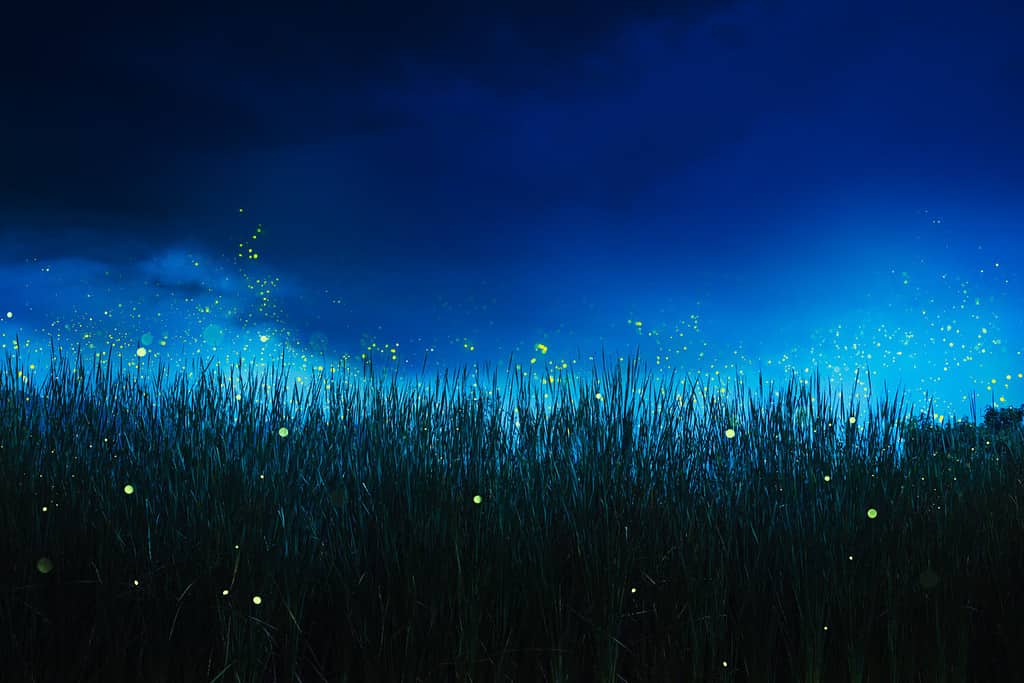
Fireflies are a newly added insect group to New York’s State Wildlife Action Plan (SWAP).
©Fer Gregory/Shutterstock.com
Still, these species are facing severe habitat threats. According to Denoncour, this is due to development pressure and a lack of targeted management actions.
“While this is true for a number of endangered and threatened species too, the pressures that SGCN face may not rise to the level of receiving funds, public awareness, or other resources to help address their conservation needs before their populations reach [a] crisis state,” Denoncour states. “The SWAP is intended to help identify those needs and actions to mitigate threats before listing is warranted.”
Proactive vs. Reactive Conservation
The updated SWAP addresses a critical gap in conservation. Conservation efforts typically prioritize species on the brink of extinction. However, other at-risk species—not yet threatened or endangered—also require protection. The new plan calls for more proactive rather than reactive conservation.
“Managing rare or declining species is often a challenge,” Denoncour tells A-Z Animals. “Endangered and threatened species are protected by special laws and regulations that require additional permits, licenses, agency oversight, and sometimes specialized skills or experience to conduct scientific studies and manage habitat, especially if such activities require direct handling of the animal or changing or manipulating protected habitat. Some endangered and threatened species may only occur in one or a few places in the state, or live in unique habitats that require regular, and thus costly, management to maintain or protect.”

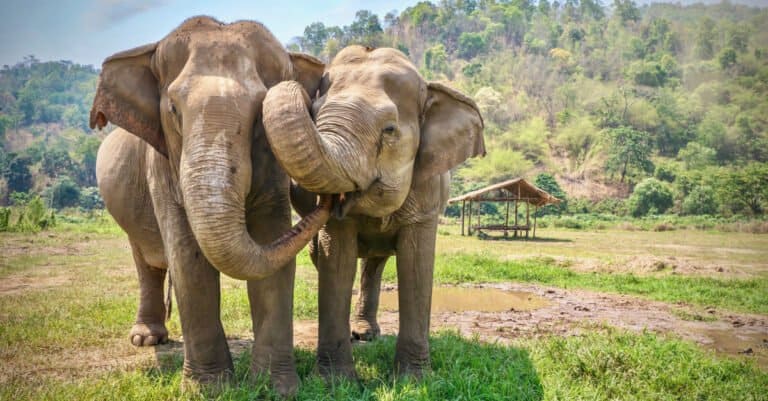
Animal conservation extends far beyond just endangered and threatened species.
©sarayut_sy/Shutterstock.com
The new goal is to identify and protect these vulnerable species before they reach a crisis point. Wildlife managers, conservationists, and landowners have limited resources to support such species. However, they too can benefit from research, management, and protection.
“Work to study, manage, and protect species that are not listed as endangered or threatened can often be accomplished with little or no permitting (depending on the species and nature of the work), and without the need for extensive regulatory oversight,” Denoncour explains. “Knowing more about rare or declining species and their habitats allows us to implement actions that protect habitats and maintain populations before the need arises to list them as endangered or threatened.”