
Quick Take
- Reaching a 5-inch maturity requires specific environmental navigation within Victoria and Tasmania.
- Relying on carotenoids creates a specific dietary constraint for developing chicks.
- Their neon plumage is a natural occurrence rather than the rare mutation most observers assume.
- Constant scouting for invertebrates is required to maintain the highlighter aesthetic.
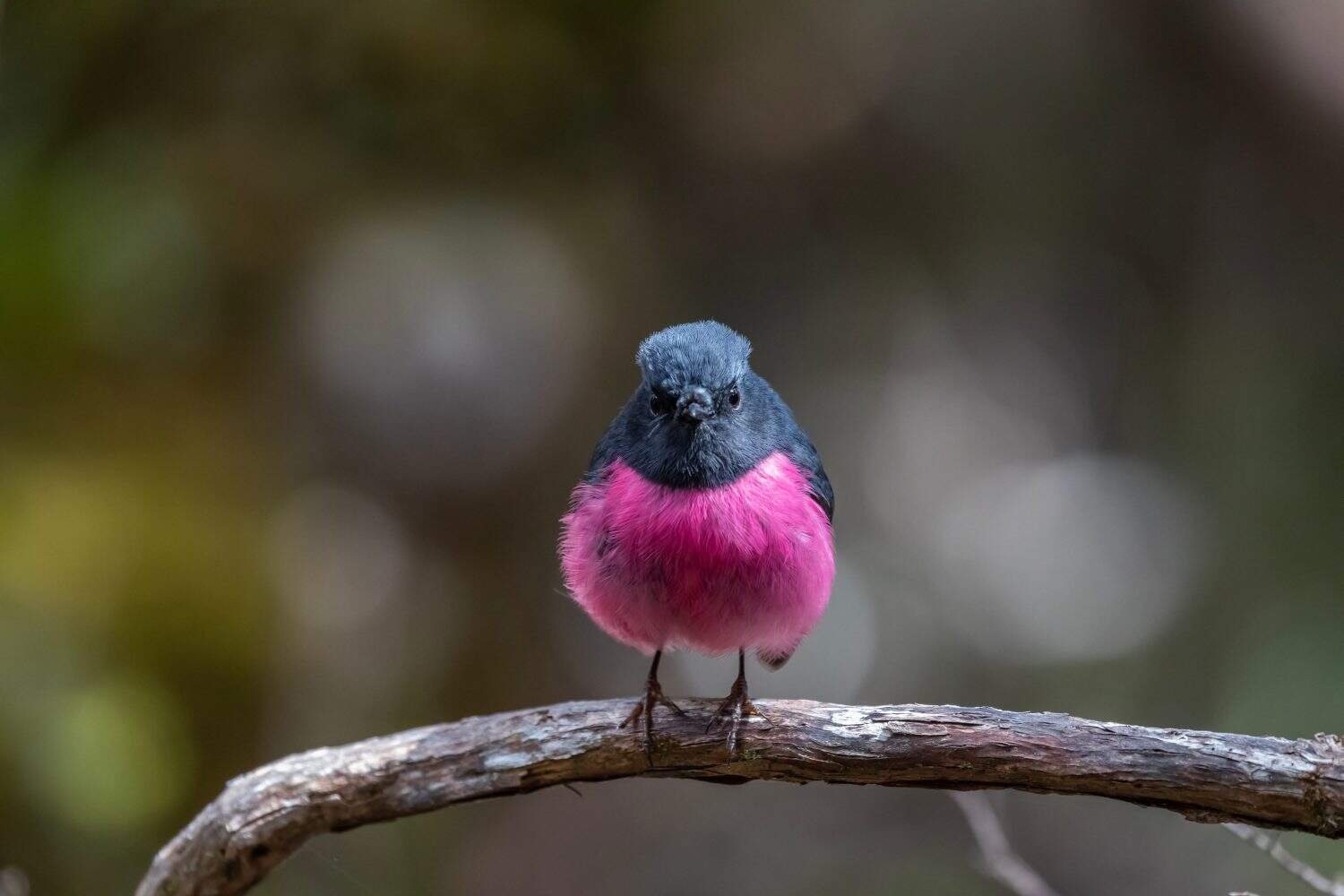
Birds are some of the most diverse animals in nature, coming in all different colors. Birds come in a wide range of colors, from bright to dark shades of blue and red, with each species having its own unique appearance. One example is the pink robin, which has a bright pink, almost highlighter-like coloring. This Instagram post by @lovinganimals.dg features stunning photos of pink robins along with interesting information about them. Read on to learn more!
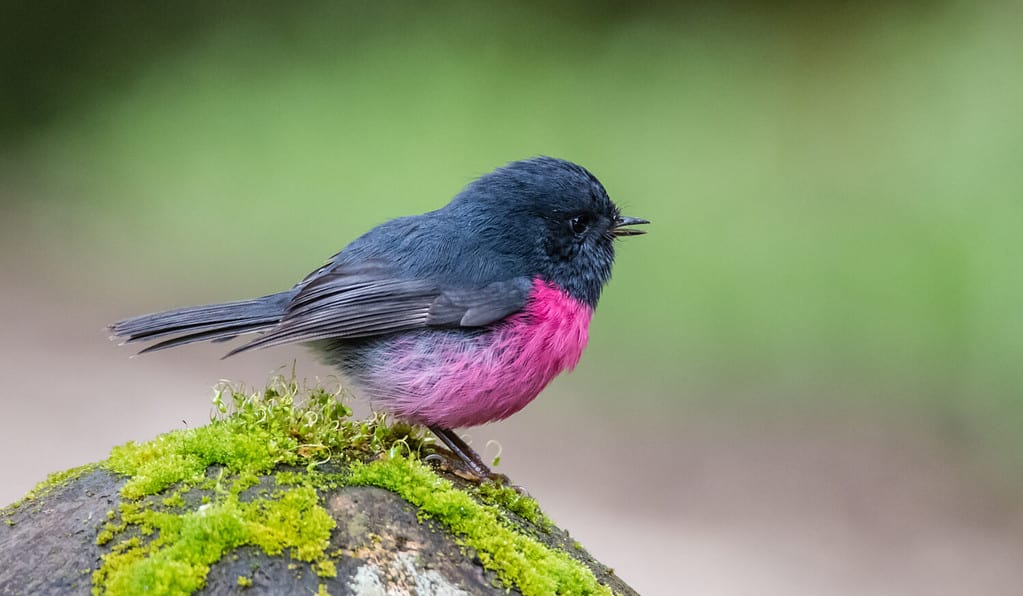
Like other robin species, pink robins are also songbirds.
©Carolyn Ann Moyse/Shutterstock.com
The pink robin is a real species native to southeast Australia, specifically places like Tasmania, Victoria, and New South Wales. They are relatively small birds, growing to around five inches long. Although they are called robins, they belong to the Australasian robin family, Petroicidae. This makes them somewhat distinct from American robins, particularly due to the pink robin’s unique coloring. These robins inhabit damp, dense forests such as rainforests, where there is an abundance of food and shelter.
The diverse flora and wildlife in wet rainforests provide these birds with access to food year-round. The dense vegetation also offers cover from predators such as hawks and snakes, allowing pink robins to remain hidden despite their bright coloring. While it might seem like a mutation or rare occurrence, their pink plumage is actually quite natural.
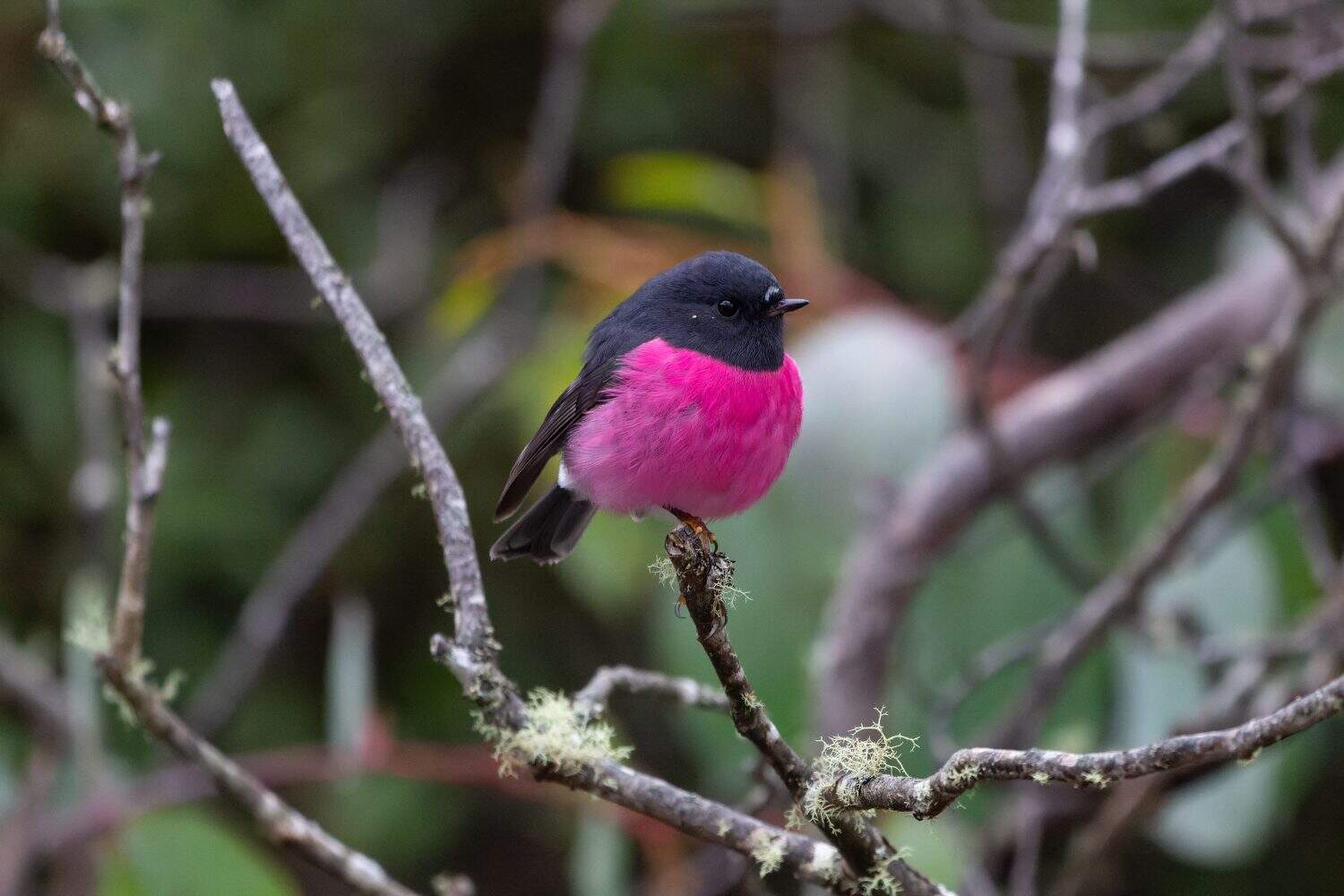
A small robin perched on a branch.
©Drew Shipton/Shutterstock.com
Why Are Pink Robins Pink?
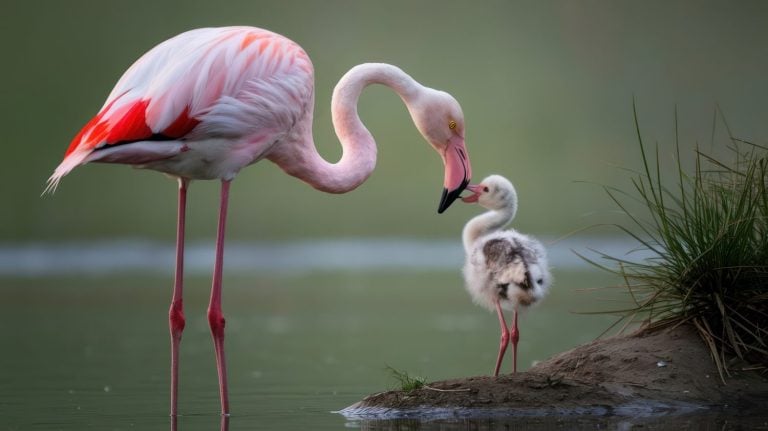
Unlike flamingos, whose pink coloration comes from carotenoids in their diet, the pink color in pink robins is produced by a combination of pigments and structural coloration unique to the species, not by dietary carotenoids. Some insects they eat include caterpillars, beetles, ants, and flies. Pink robins exhibit sexual dimorphism, meaning there are noticeable differences between males and females. Males are the ones that have bright pink breast and belly feathers. Females, on the other hand, are generally brownish-grey with a pale buff or whitish belly and do not have any pink coloration. Rather than being a genetic rarity, pink robins are actually common birds that are simply not often seen because they live in dense habitats.