
Quick Take
- Some of these animals looked so different as juveniles that scientists once classified them as entirely separate species. See the white ibis transformation →
- One of America's most iconic birds spends its first years looking nothing like the symbol it's famous for. See the bald eagle's disguise →
- A flamingo's color isn't just cosmetic. It actually reveals something critical about the bird's well-being. Discover what pink reveals →
- For some of these animals, being the wrong color at the wrong life stage isn't just unusual. It's a death sentence. See how color timing matters →
Some animals look completely different as adults than they did when they were babies. While all species grow and mature, certain animals actually change colors over time. In some cases, the transformation is so drastic that juveniles and adults were once thought to be entirely separate species. Their shifting colors can be the result of hormones or changes in diet. Other times, it is an evolutionary advantage because certain shades are more useful during different stages of life. These colors can help animals blend in, attract mates, or signal maturity. Here are eight animals that undergo color changes as they age.
1. Harp Seal
©Vladimir Melnik/Shutterstock.com
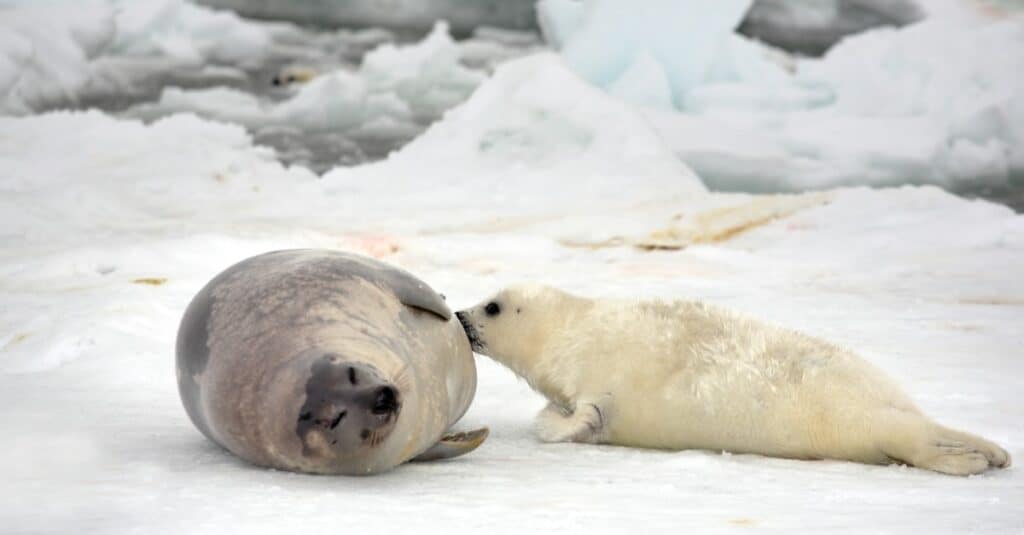
Harp seal pups are born with fluffy white coats that help them camouflage with their snowy Arctic environment. The white fur also insulates the babies during their first, highly vulnerable weeks of life. After about a month, that first coat is shed and replaced by a gray one with dark spots. This pattern changes once again in adulthood, as the seals eventually develop black, harp-shaped markings that give the species its name. The different coats help mark different stages of development.
2. Bald Eagle
©Wirestock Creators/Shutterstock.com
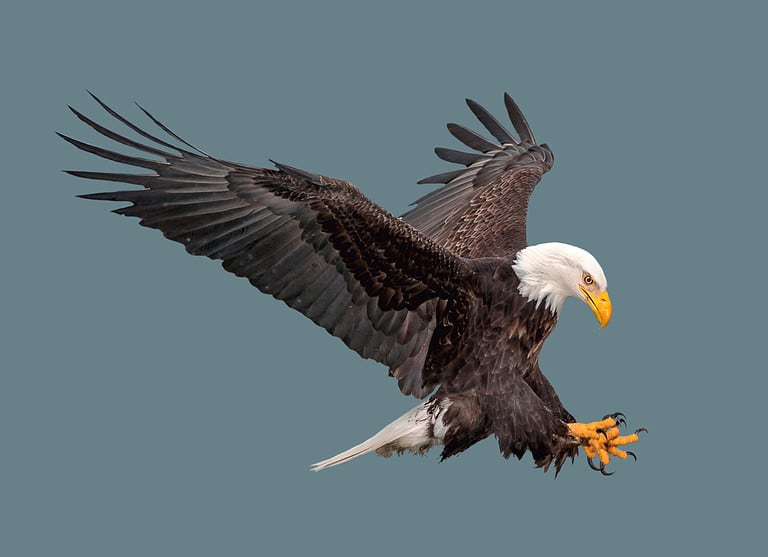
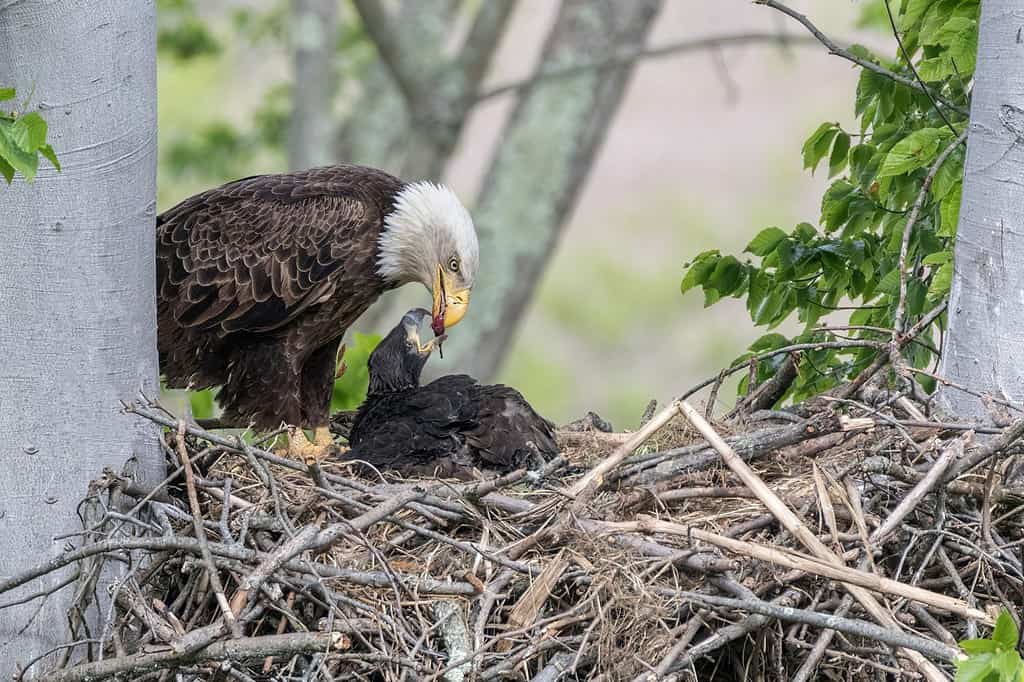
Young bald eagles are mostly dark brown. They do not feature the familiar white head and tail. Their juvenile coloration offers enhanced camouflage while they are learning to hunt and avoid danger. It takes about five years for the brown-and-white appearance to fully develop. By adulthood, these eagles sport their iconic white head and tail that make them unique. The color change is also a sign of sexual maturity.
3. American Flamingo
©Volodymyr TVERDOKHLIB/Shutterstock.com
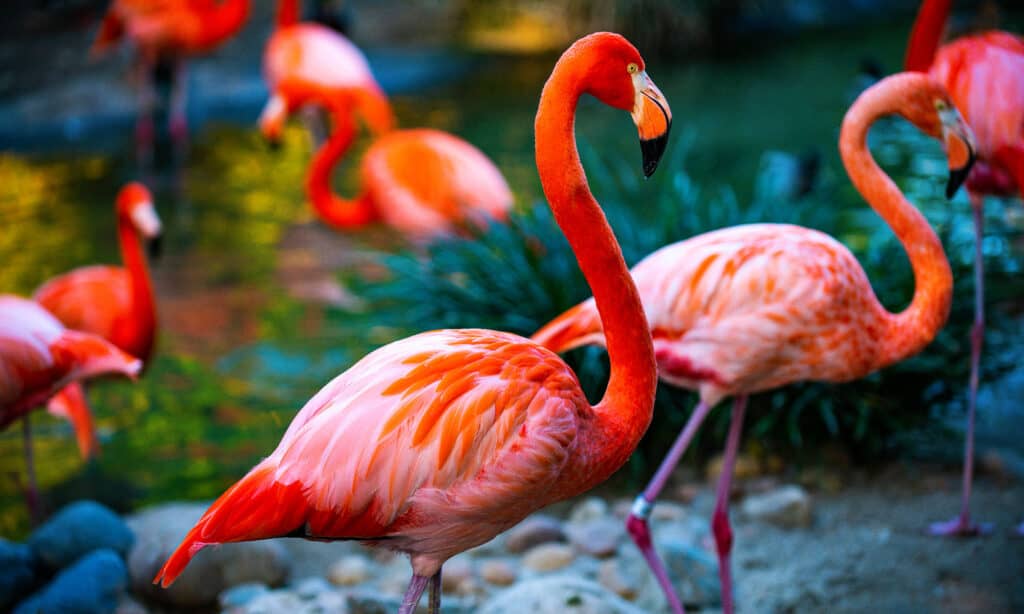
When flamingo chicks hatch, they emerge with gray or white feathers. They lack the stunning pink plumage they are known for. Their coloration changes slowly as they eat specific foods high in carotenoid pigments, such as algae and tiny crustaceans. The pigments accumulate gradually in their feathers over time. By adulthood, many flamingos are gorgeous and vibrant shades of pink. Interestingly, because a flamingo’s color is based on diet, a flamingo’s hue can actually indicate its overall health.
4. Snowshoe Hare

©Dee Carpenter Originals/Shutterstock.com
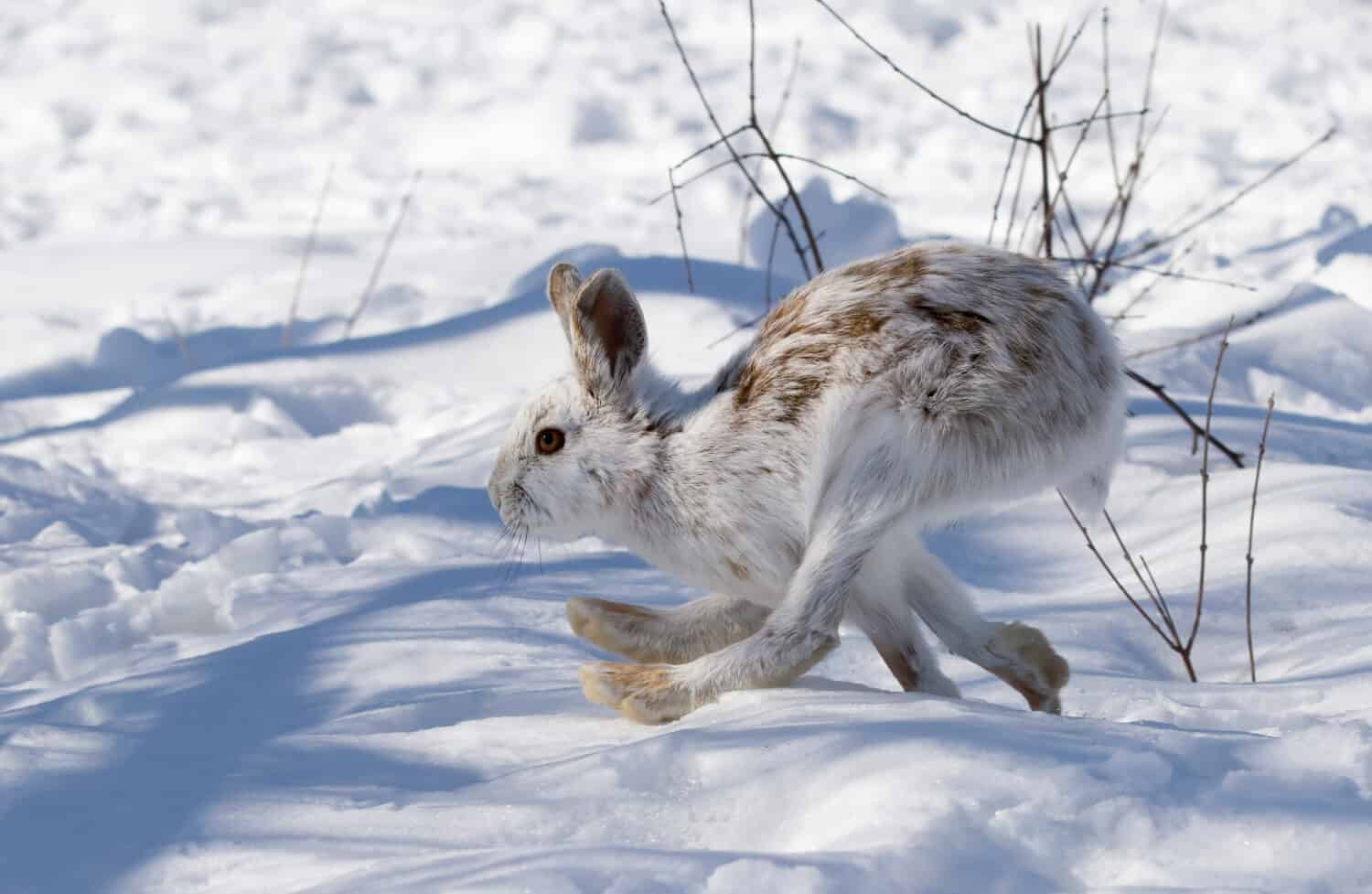
Snowshoe hares transform each and every season, but young hares do not undergo these major color changes. They begin life with brown fur that helps them hide among summer vegetation. As they age, they develop the ability to grow a white coat during snowy months, and they can begin participating in the species’ famous seasonal color shifts. This adaptation helps them blend into their environment no matter the season, allowing them to evade predators year-round. In this way, their fur transformations are closely connected to survival.
5. Mandarin Dragonet
©Arunee Rodloy/Shutterstock.com
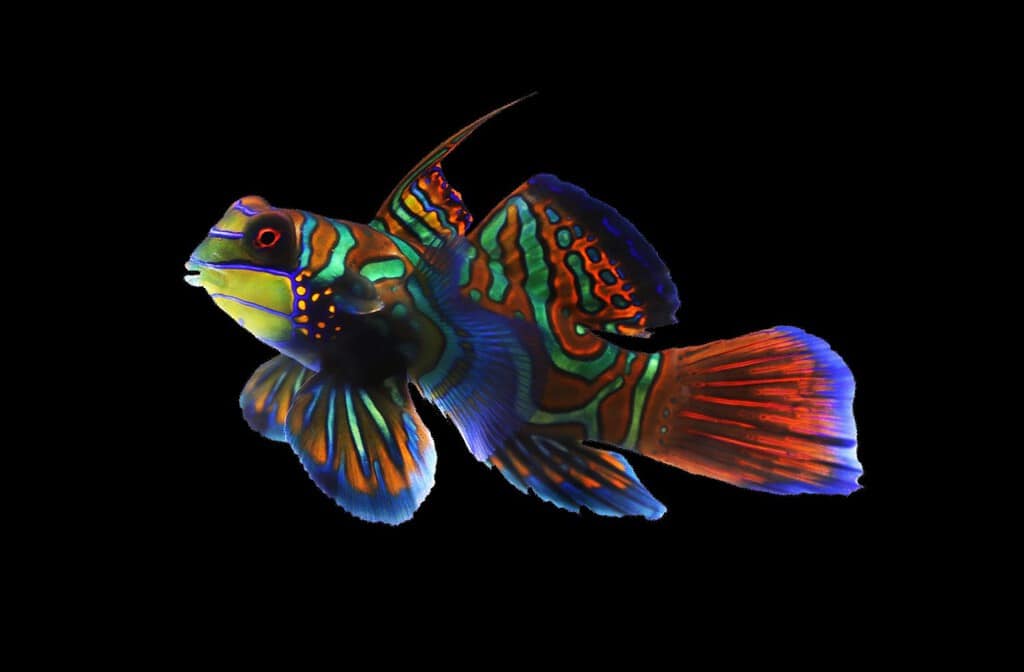
Juvenile mandarin dragonets have bland colors compared to adults. As they develop, their bodies take on vivid blue, green, and orange colors. The eye-catching pattern plays a role in attracting mates and communicating with other dragonets. Since these fish inhabit colorful coral reefs, the bright shades may also help them blend into their surroundings. As adults, these once muted fish are actually considered one of the most colorful fish in the ocean.
6. White Ibis
©Oleg Kovtun Hydrobio/Shutterstock.com
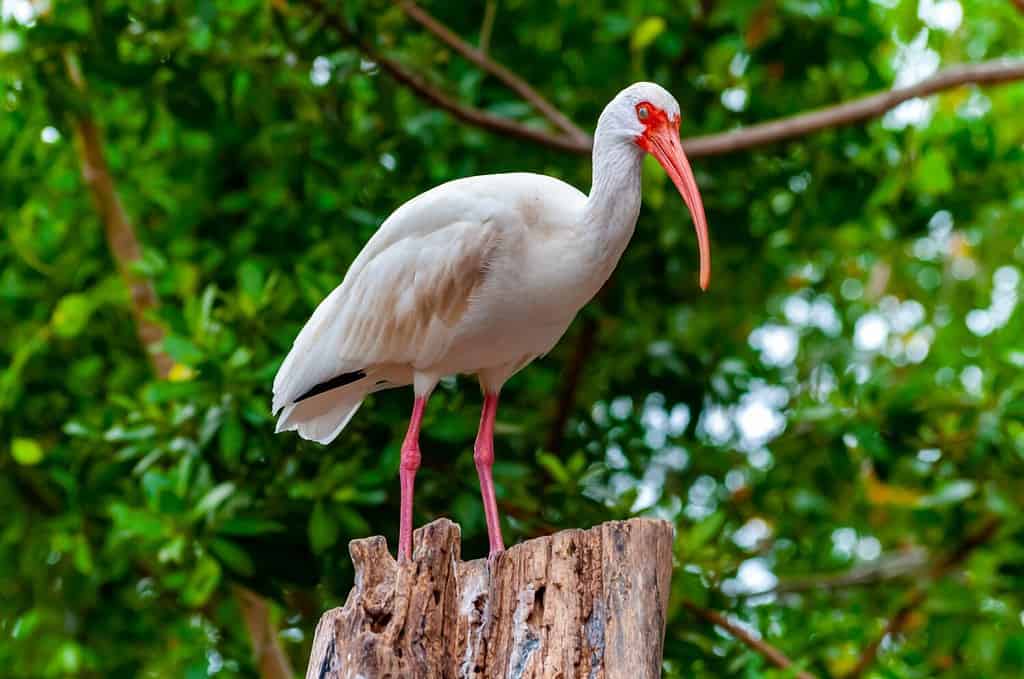
Young white ibises are mostly brown with streaked feathers that hide them in their marsh landscape. This camouflage is useful and sometime lifesaving while the birds are still young and inexperienced. Over a period of about two years, the birds gradually develop the stark white feathers of adults. Their color-lacking feathers are complemented by red legs and bills. The change shows that the birds have reached maturity and are ready to mate.
7. Lion
©Maggy Meyer/Shutterstock.com
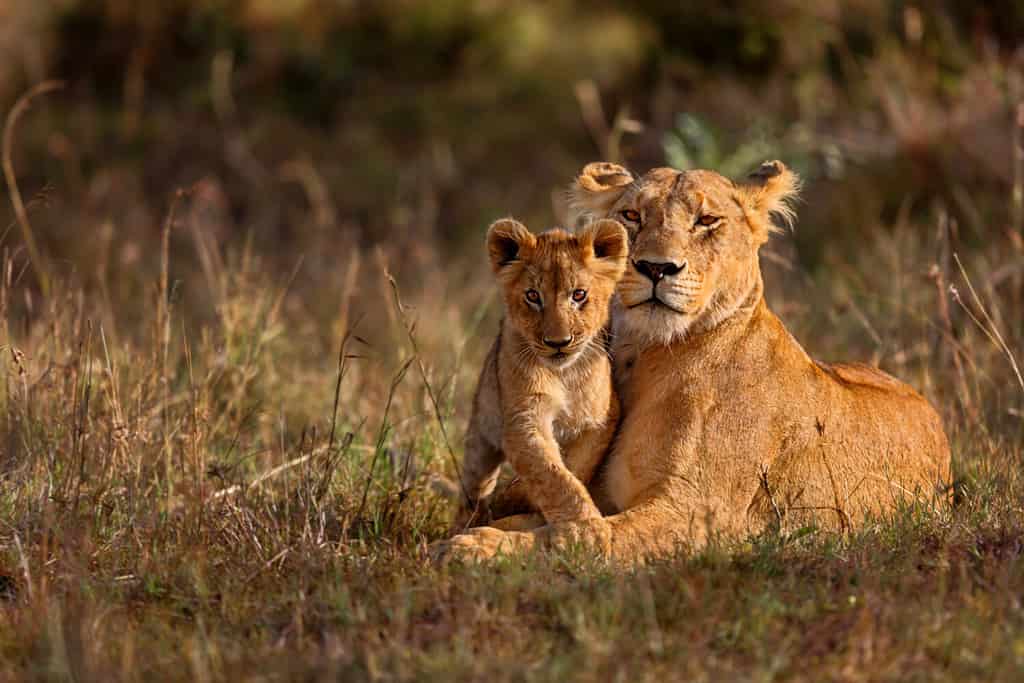
Lion cubs are born with dark spots covering the majority of their coats. These marks conceal them in tall grasses while they are vulnerable to predators. As lions grow, the spots are no longer needed and they gradually fade. Adult lions have only subtle traces of this juvenile coloring; sometimes it disappears completely. The fading spots announce their transition from wee cubs to powerful predators.
8. Emperor Penguin
©vladsilver/Shutterstock.com
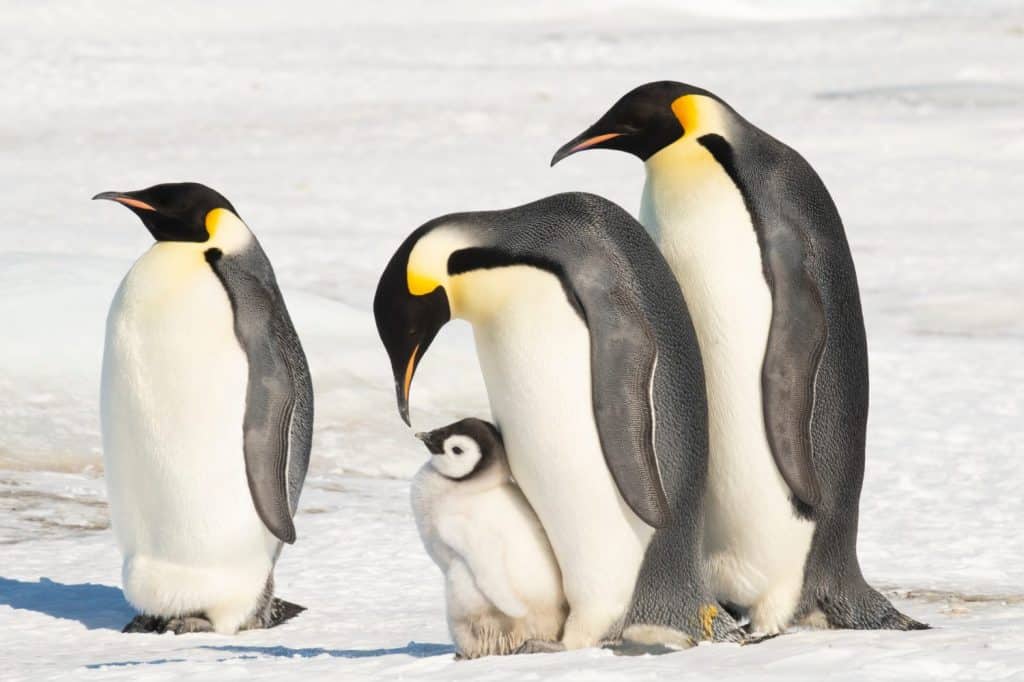
Emperor penguin chicks are covered in soft gray and white down. These fuzzy feathers are not just adorable; they are excellent for insulation in freezing temperatures. However, they are not suitable for swimming. As the chicks mature, they molt their baby feathers and grow sleek waterproof plumage. These adult feathers are what give them their familiar black backs and white bellies. Adults also gain those characteristic yellow patches around the head and neck. The change prepares them for an aquatic life in the frigid waters surrounding Antarctica.