
Quick Take
- Midwest deer seasons are staggered by weapon type to balance harvest pressure, safety, and deer health across states.
- Archery seasons spread harvests over many weeks, reducing spikes vs concentrated firearm windows.
- Firearm seasons concentrate harvest into a shorter window and are highly regulated for safety.
- State borders flip your Midwest hunting calendar, so keep reading to find out how to plan a trip.
The Midwest has a unique setup for its deer hunting season, and there are good reasons for this. In this region, seasons are staggered on purpose, based on weapon usage. However, the exact timing depends on how each state balances its deer numbers, hunter participation, crop damage concerns, and the safety of both the species and hunters alike.
Why is the Midwest’s deer hunting season so complicated, and what should you know about it before heading out on a hunt of your own? There are many rules in place, partly because the Midwest covers a much larger area than many people realize. Each state aims for the same outcome: healthy deer herds and sustainable hunting. But their approaches differ.
Here’s how deer hunting season in the Midwest works, and what you need to know about how each state manages this time of year.
Why Deer Hunting Seasons Are Staggered in the Midwest
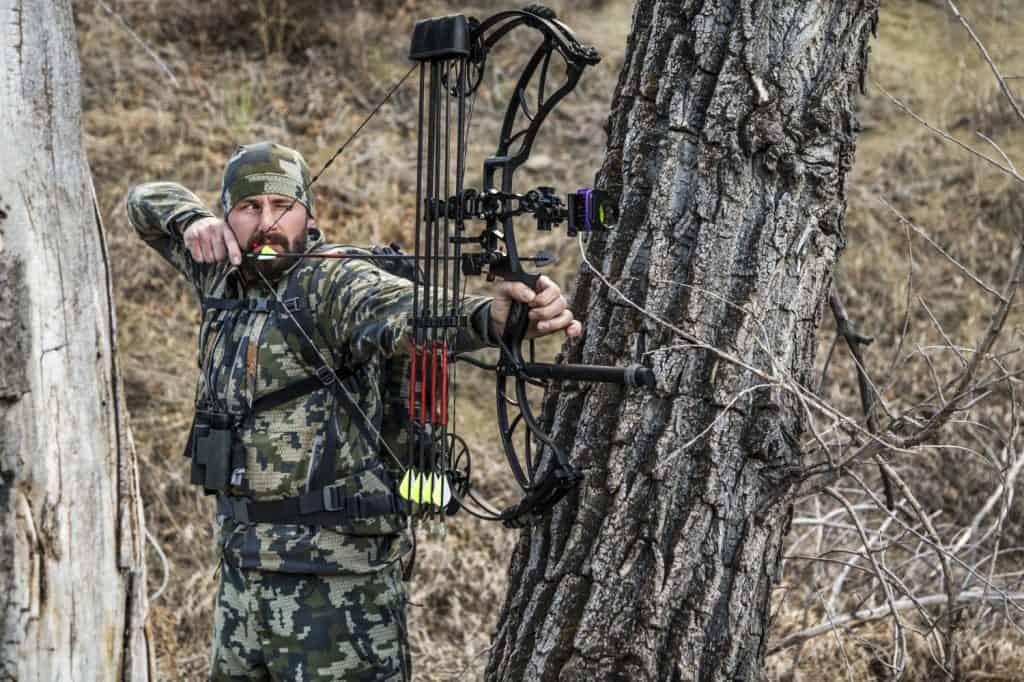
States in the Midwest stagger seasons because different weapons and hunting styles create varying levels of harvest pressure. For example, due to its intricacy and slower approach, archery tends to spread harvests out across many weeks, helping managers avoid an intense, disruptive spike.
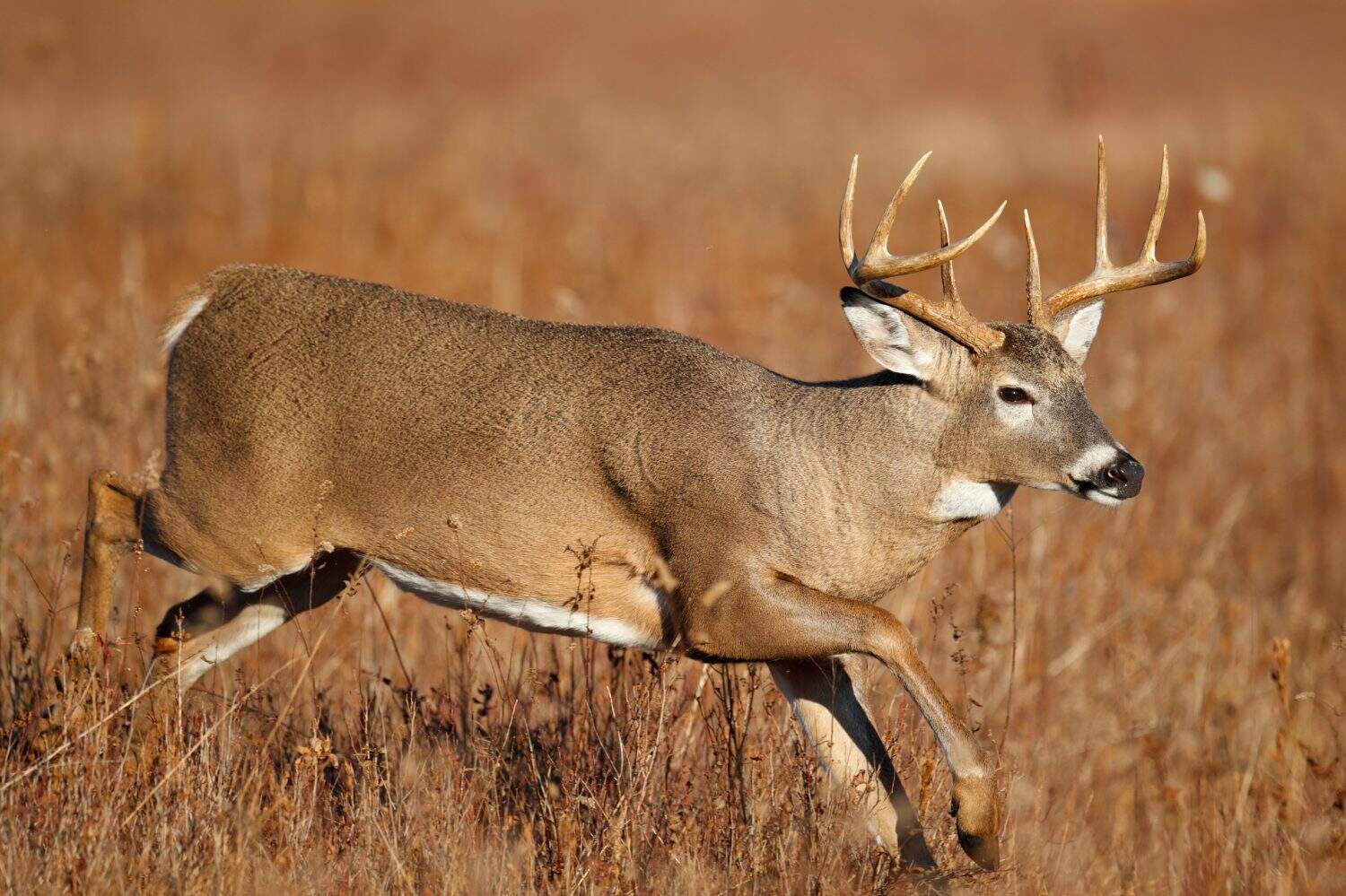
Archery and firearm deer hunting seasons exist in the Midwest.
©Neil Podoll/Shutterstock.com
Firearm seasons typically concentrate the harvest into a shorter window, making the process more efficient. However, this season is notoriously loud, crowded, more safety-sensitive, and highly regulated. Muzzleloader seasons often fall between archery and standard firearm seasons. While muzzleloaders are technically firearms, their equipment limitations reduce overall hunting pressure compared to modern firearms.
Staggering also allows states to guide their own individual harvests. Depending on their deer populations and harvest numbers, states can add late seasons or extra tags in specific areas. You can see how states shift and change their opportunities by looking at official season tables like the one on the Iowa DNR hunting seasons page.
How Each Midwestern State Handles Deer Hunting Season
Let’s break down how each Midwestern state handles deer hunting season, using recent data and statistics.
Great Lakes And Upper Midwest
- Michigan
Michigan’s firearm deer season happened between November 15th–30th, 2025, and that short window is purposeful. Muzzleloading season follows on December 5th–14th, 2025, which also offers late antlerless firearm options after the regular gun season. If hunting in Michigan, it’s especially important to verify the details for your area, as late seasons and antlerless rules can vary by individual unit.
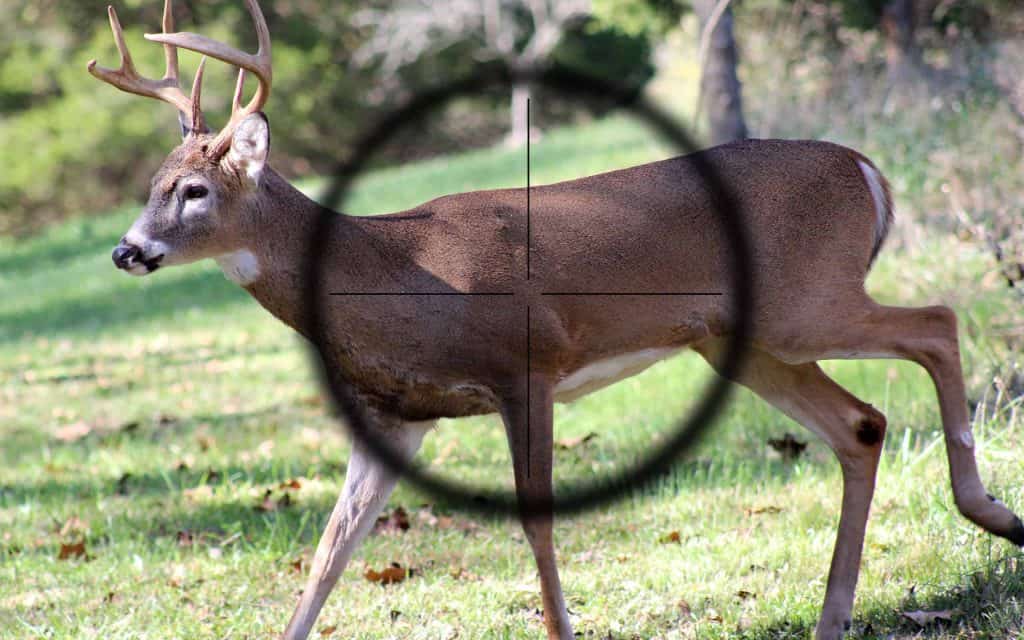
Wisconsin’s deer hunting season differs from Minnesota’s.
©AdamLongSculpture/ via Getty Images
- Wisconsin
Wisconsin is another classic example of a long archery season followed by a concentrated gun week, with muzzleloader occurring right after. The state’s season structure and dates are posted through the Wisconsin DNR deer hunting website, which is the fastest way to confirm what hunting is available and when if you’re planning a trip.
- Minnesota
The Minnesota DNR deer hunting season has archery beginning as early as September 13th, 2025, running through December 31st, 2025. No matter the year, the state’s hunting calendar and structure are consistent, but your exact firearm dates can depend on where you hunt, so be sure you’re aware before heading out.
Corn Belt And Mississippi River States
- Illinois
Illinois keeps firearm seasons short and specific, with two distinct firearm weekends plus a muzzleloader-only time. Muzzleloaders can also be used during the second firearm season, but only under certain permit conditions. Archery is much broader, but even that gets segmented depending on county groupings, which the Illinois DNR archery deer page spells out online in specific date blocks.

Archery seasons tend to run longer than firearm seasons in most Midwestern states.
©Tony Campbell/Shutterstock.com
- Indiana
Indiana’s 2025–26 overview is fairly straightforward: archery runs October 1st, 2025, through January 4th, 2026; firearm hunting runs November 15th–30th, 2025, and muzzleloader happens December 6th–21st, 2025.
- Iowa
Iowa has intricate staggered season options. Archery is split into early and late segments (October 1st–December 5th, then December 22nd–January 10th), muzzleloader has an early and late season, and firearm harvest is driven heavily by two shotgun seasons in December. There are also youth, disabled hunter, and January antlerless seasons.
- Missouri
Missouri’s deer seasons include a long archery window and distinct firearms portions, with an alternative methods season following. Archery season runs September 15–November 14, 2025, and resumes November 26, 2025–January 15, 2026, with a break during the November firearms season. Missouri is also a state where local exceptions can add extra layers, so it’s worth taking a closer look at the potential regulations happening wherever you choose to hunt within this state.
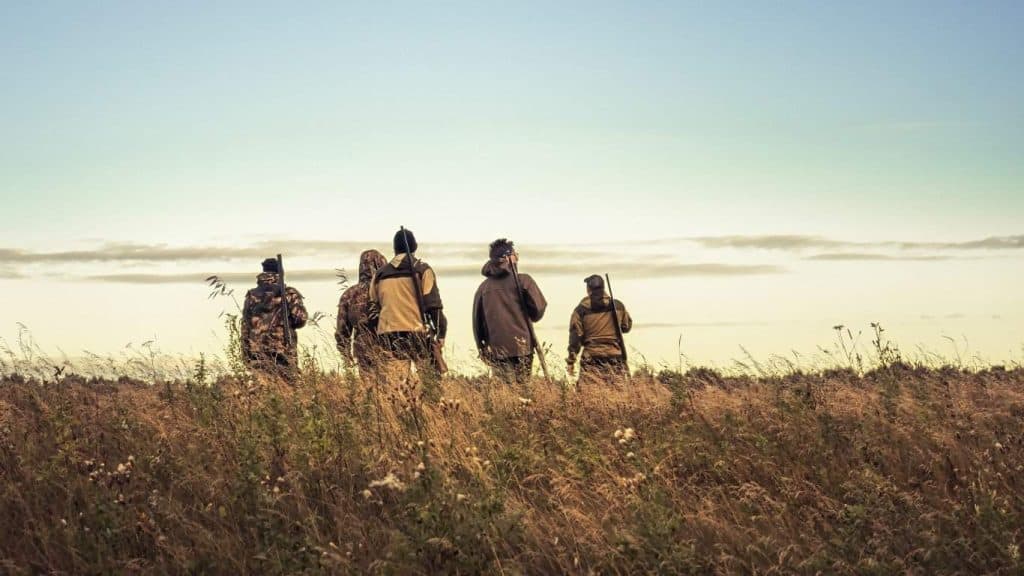
Understanding state-by-state guidelines in the Midwest is the best way to tackle hunting season.
©splendens / iStock via Getty Images
- Ohio
The most reliable way to confirm the current season timing within this state is by utilizing Ohio’s official season-date publication. There are statewide dates so you can plan around the state’s archery, gun, and muzzleloader windows without guessing. However, this is still one of those states where it’s smart to double-check the exact calendar each year because the specific days can easily shift.
Plains-Edge Midwest
- Kansas
Kansas publishes its hunting season timing through its official seasons resources, which also show where archery, muzzleloader, and firearm seasons fall on the calendar. Kansas is a good example of a Plains-edge state that still feels Midwest in structure, but can differ in equipment allowances and unit limits, making it an interesting hunting location so long as you know the rules.
- Nebraska
Nebraska’s season listing is simple and direct: archery starts September 1st–December 31st, 2025; the November firearm season is from November 15th–23rd, 2025; muzzleloaders can be used from December 1st–31st, 2025. There are additional antlerless options as well, making Nebraska just one of the many states that opt to add targeted harvest without rewriting the whole hunting season.

Deer hunting is a popular activity in the Midwestern states.
©ElvK/Shutterstock.com
- North Dakota
North Dakota keeps things fairly simple overall, but it still staggers opportunity through carefully planned hunting seasons. Archery opens early, and the main firearm season is later in the fall, with muzzleloaders allowed after that. The state’s current dates and license structure are found on the North Dakota Game and Fish deer page, which is where you can check out unit rules before you commit to a trip. North Dakota is also a place where unit boundaries and license type can matter, so do your research.
- South Dakota
South Dakota’s deer seasons are heavily shaped by region and license type, much like North Dakota, but archery and muzzleloader timing are consistent enough to plan around. The state provides official guidance on season timing through its South Dakota Game, Fish and Parks deer hunting resources, should you need more information. If you’re trying to plan a South Dakota hunt from out of state, treat the state page as your starting point and then narrow down to the specific unit or season that matches your given tag.
What This Means For Hunters Planning a Trip to the Midwest
The Midwest’s staggered deer seasons are important, as these states attempt to balance access, safety, harvest goals, and the spirit of the sport while keeping hunting styles diverse. The easiest way to plan a hunting trip to the Midwest is to choose your state first, then plan around its specific season structure. Long archery windows allow for flexible scheduling, while short firearm seasons are ideal if you want peak participation in a concentrated hunt.
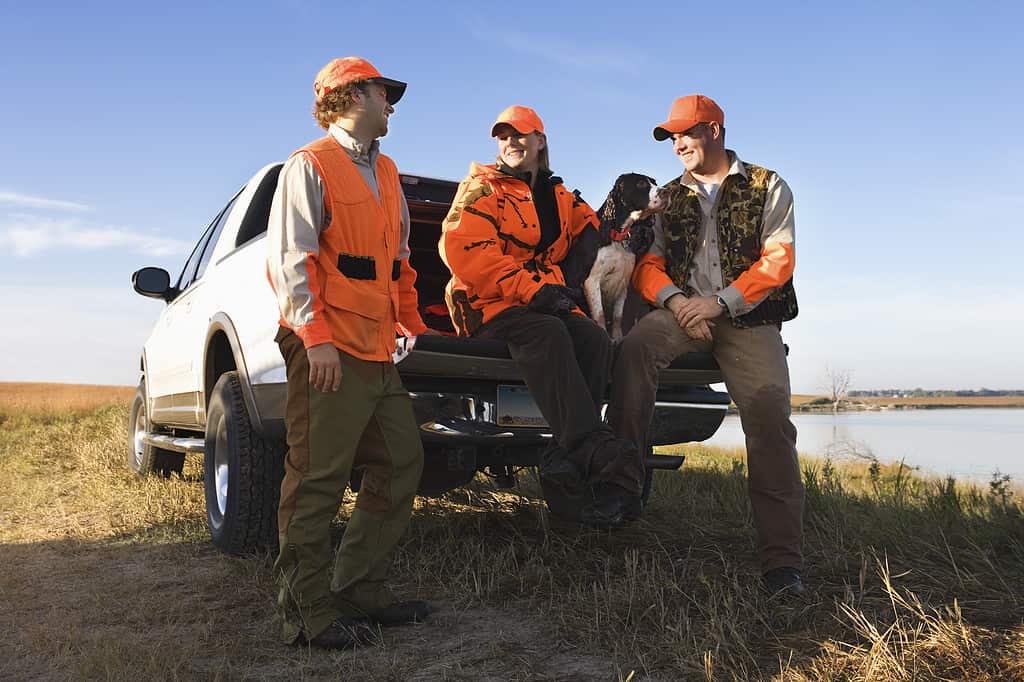
When the rules are followed, deer hunting in the Midwest can be an exciting, fulfilling activity.
©© Getty Images/Stockbyte via Getty Images
Keep in mind that, in the Midwest, crossing a single state border will bring you into a completely different hunting calendar. Understanding each state’s deer hunting season is essential if you want to hunt in the Midwest.