
Quick Take
- Cockroach milk delivers 32 g of protein per glass, four times the 8 g found in cow’s milk.
- Producing cockroach milk currently remains unfeasible, requiring about 400 cockroaches per glass and 10 cockroaches for half a milliliter.
- The Pacific beetle cockroach is the only species that nurses its young and produces milk crystals.
- Keep reading to find out the key obstacle delaying large-scale production of cockroach milk.
There are a variety of milk alternatives on the market today. Each one has its own flavor profile and nutritional values, making something for everyone who would prefer not to consume cow’s milk.
One of the drawbacks of drinking a cow milk alternative is that its protein content per glass is lower than that of cow’s milk. This can leave some people deficient in their daily protein intake, which could result in poor health. But what if there were an alternative with even more protein than cow’s milk? Surprisingly, such an alternative exists: cockroach milk.
Cockroach Milk Is Four Times More Nutritious Than Cow’s Milk
Cow milk alternatives may not contain lactose, but they also do not have the same protein levels as cow’s milk. Consequently, those who choose to consume nut, oat, or plant milk instead of cow’s milk will need to find other sources of protein to ensure their daily requirements are being met.
What if there were a milk alternative that not only did not contain lactose but was also more nutritious than cow’s milk? Such a thing has the potential to exist. That thing is cockroach milk, and based on studies to date, cockroach milk would beat out cow’s milk on all fronts as a near-perfect food.
Per glass, cow’s milk has approximately eight grams of protein. In comparison, a glass of cockroach milk would have 32 grams of protein. When children reach one year of age, the recommendation is that they drink two to three glasses of milk per day. This would be equivalent to 16 to 24 grams of protein, which is still less than the amount in one glass of cockroach milk.
Cockroach milk has significantly more protein per glass than cow’s milk.
©PitukTV/Shutterstock.com
To put this in perspective, adult males require 56 grams of protein per day, while women need 46 grams. Given that some find it difficult to reach these protein levels, one glass of cockroach milk would provide close to the daily protein recommendations. It would also provide all nine essential amino acids, making cockroach milk a superfood because of its high nutritional value per ounce. Given the potential benefits of cockroach milk, is it being actively developed for commercial use? The answer may surprise you.
How Feasible Is It to Milk Cockroaches?
Despite the potential health benefits cockroach milk could provide, unfortunately, it is currently not feasible to milk cockroaches. To produce cockroach milk, crystals must be extracted from a female cockroach before she gives birth to her young. These crystals take more than half a day for a single person to extract from a cockroach’s body. It takes 10 cockroaches to make half a milliliter of milk. To make a glass of milk, it would take 400 cockroaches. This many cockroaches for one glass of milk is not cost-effective.
Additionally, harvesting cockroach milk crystals alone requires specialized equipment. Currently, this equipment is not widely available, which limits the number of facilities that can harvest the crystals. Therefore, while cockroach milk may be an excellent source of nutrition, it could be years or even decades before technology makes large-scale harvesting possible.
Can Any Cockroach Be Milked?
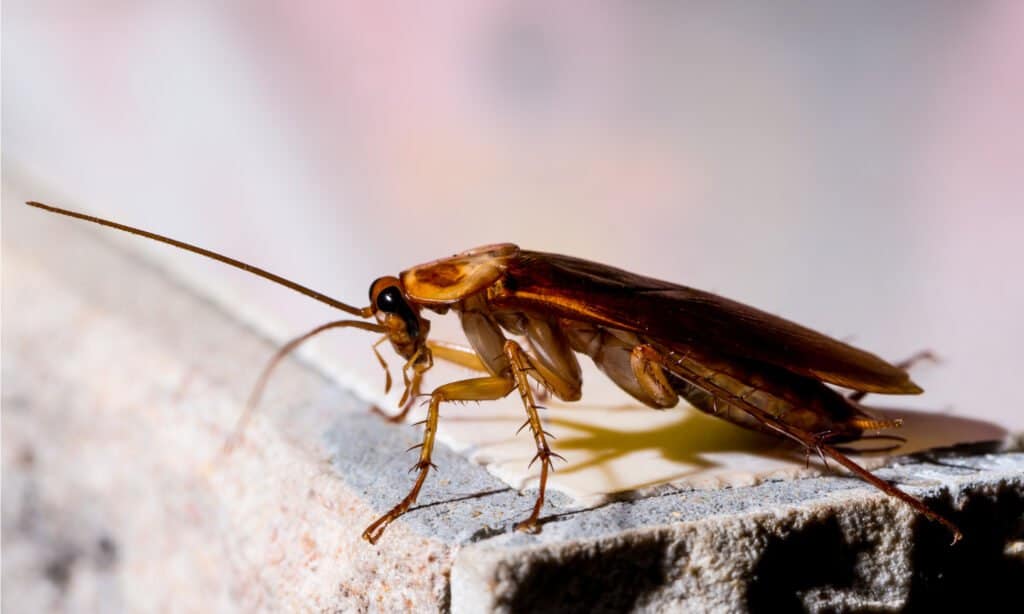
There are approximately 4,600 species of cockroaches around the world. This might suggest there is an endless supply of cockroaches for milk production. However, only one species—the Pacific beetle cockroach—can actually produce milk.
The Pacific beetle cockroach, or Diploptera punctata, is the only species of cockroach that nurses its young. Instead of laying eggs, the Pacific beetle cockroach gives birth to live baby cockroaches. These cockroaches depend on the milk crystals their mother produces for nutrition during their first three months, after which they leave the brood sac to fend for themselves.
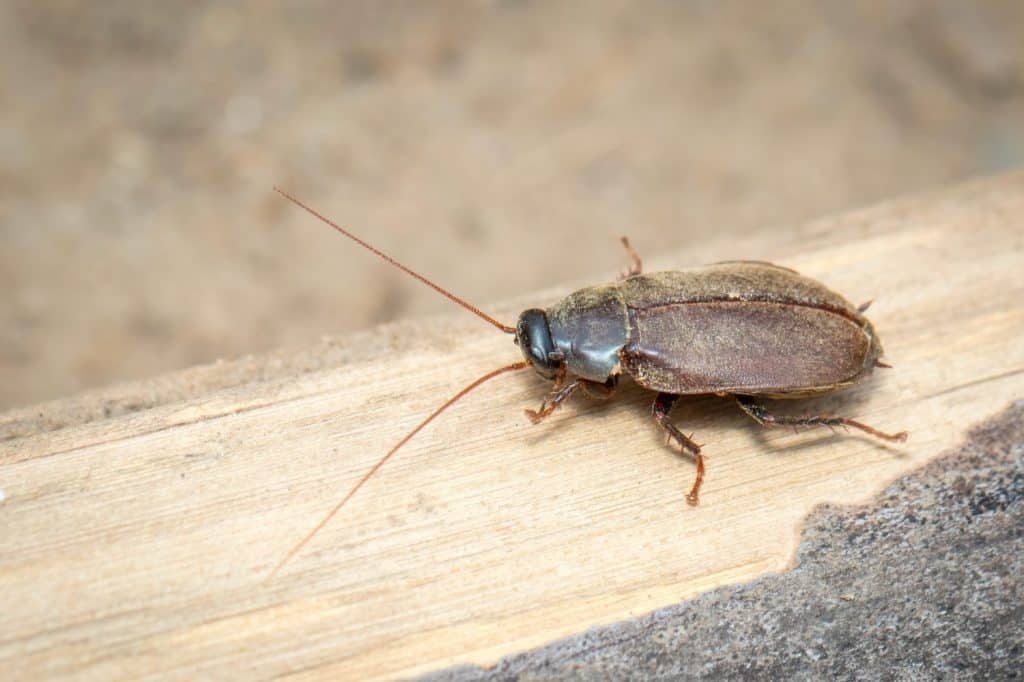
Pacific beetle cockroaches are the only species of cockroaches that are capable of producing milk crystals.
©yod 67/Shutterstock.com
Because the Pacific beetle cockroach is the only species to provide its young with the perfect protein milk crystals, this significantly reduces the pool of cockroaches to draw from to produce cockroach milk. However, this does not mean it will be impossible to produce cockroach milk in the future, which would represent a significant protein upgrade over current milk alternatives.
Cockroach Milk Could Be an Option for Those with Milk Allergies
In the United States alone, it is estimated that 6.2 million people (adults and children) suffer from a milk allergy. This has sparked demand for alternatives to dairy milk, creating a market valued at $32.77 billion in 2024. As demand continues to grow, it is expected that by 2030, the market value of dairy milk alternatives will reach $66.91 billion. Currently, the dairy milk alternatives consumed include:
- Almond milk
- Hemp milk
- Coconut milk
- Soy milk
- Pea protein milk
- Oat milk
- Cashew milk
- Pecan milk
- Walnut milk
- Rice milk
- Pistachio milk
- Macadamia nut milk
- Hazelnut milk
Additionally, lactose-free milk alternatives are available, which remove lactose from dairy milk and make it easier to digest for those who are lactose intolerant or dislike the taste of other options. Given all these options, it is not far-fetched to imagine cockroach milk appearing on grocery shelves in the future. Although the technology is not yet available, as it advances, cockroach milk may one day become as commonplace as almond, soy, coconut, and rice milk—some of which have been consumed for centuries.
Negatives of Consuming Cockroach Milk
On paper, cockroach milk could be the superfood of the future. If milk crystals could be produced on a large scale, people around the world could benefit from the health advantages cockroach milk offers. However, despite the promising findings of recent studies, there are some drawbacks to consider regarding cockroach milk. Some of the disadvantages of consuming cockroach milk include:

Drinking cockroach milk raises concerns that need to be addressed before it becomes a mainstream milk-alternative beverage.
©Halfpoint/Shutterstock.com
- High in calories – One cup of cockroach milk contains 700 calories. Given the current obesity epidemic, cockroach milk could exacerbate existing health issues.
- Unknown health risks – With limited studies, it is unclear what the side effects, if any, would be from regularly consuming cockroach milk.
- Ethical concerns – While many view cockroaches as nothing more than pests, the number of pregnant cockroaches that would need to be killed to produce a small amount of milk raises animal welfare concerns.
- Turn-off for consumers – Consumers may not be able to stomach drinking milk from an insect.
- Difficult to produce – The costs of producing cockroach milk currently make it unaffordable.
Until these issues are resolved, it is unlikely that cockroach milk will appear on grocery shelves in the near future. However, if scientists can find a way to produce milk crystals affordably, cockroach milk could play an essential role in addressing worldwide food shortages.
Is This the Key to Overcoming Food Shortages?
There are multiple reasons for global food insecurity. Factors such as climate change and its resulting extreme weather, economic instability, social inequality, and social unrest continue to increase the number of families living in poverty worldwide each year.
If cockroach milk could be made available to people facing food insecurity, scientists such as Sanchari Banerjee from the Institute of Stem Cell Biology and Regenerative Medicine in India—one of the first to sequence the genes of the protein milk crystals—believe cockroach milk could help end world hunger.
“The crystals are like a complete food – they have proteins, fats, and sugars,” Banerjee explains in a 2016 interview with Times of India. “If you look into the protein sequences, they have all the essential amino acids.”
Subramanian Ramaswamy, who led the cockroach milk sequencing project at the Institute, adds to the reasons why cockroach milk could end food shortages.
“It’s time-released food,” Ramaswamy states in the interview. “If you need food that is calorifically high, that is time-released and food that is complete. This is it.”
While cockroach milk may not sound appetizing to most, it may become a food consumed by those who need calories in countries where food is scarce. To make this happen, financial, ethical, and technological challenges must be overcome, but it is possible that cockroach milk could become the protein-packed drink of the future.