
Quick Take
- Extreme heat and land-use changes jointly threaten wildlife, with up to 7,895 species losing all suitable habitat by 2100 under high emissions.
- Habitat loss magnifies heat stress. Cropland expansion, urbanization, and land-management shifts remove refuges that animals rely on.
- Amphibians and reptiles show the highest exposure to unsuitable conditions, while birds are least affected.
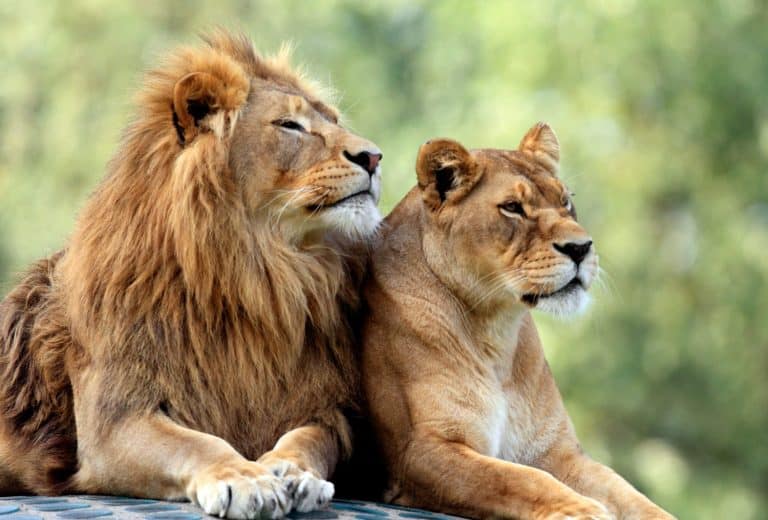
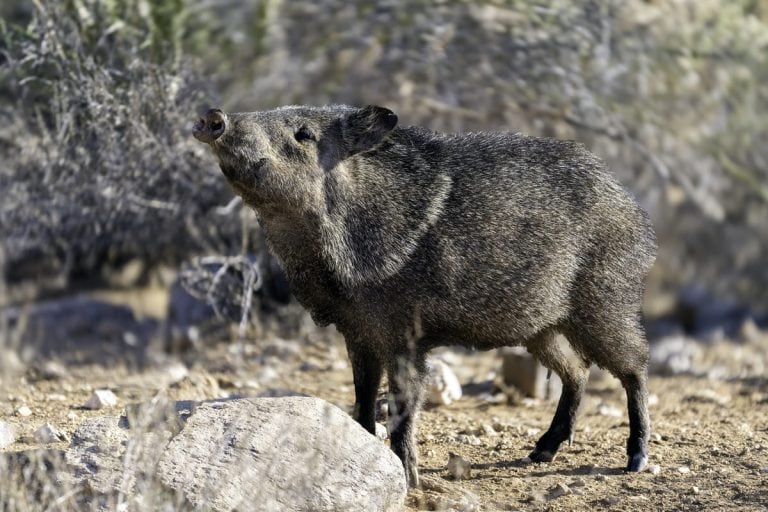
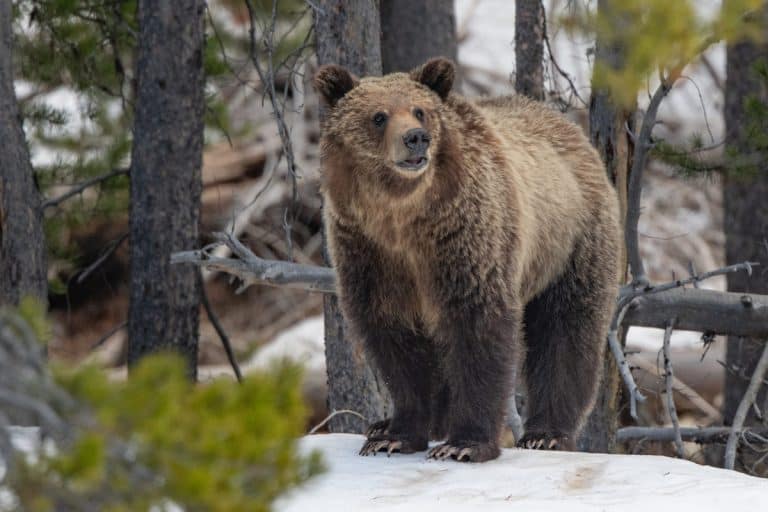
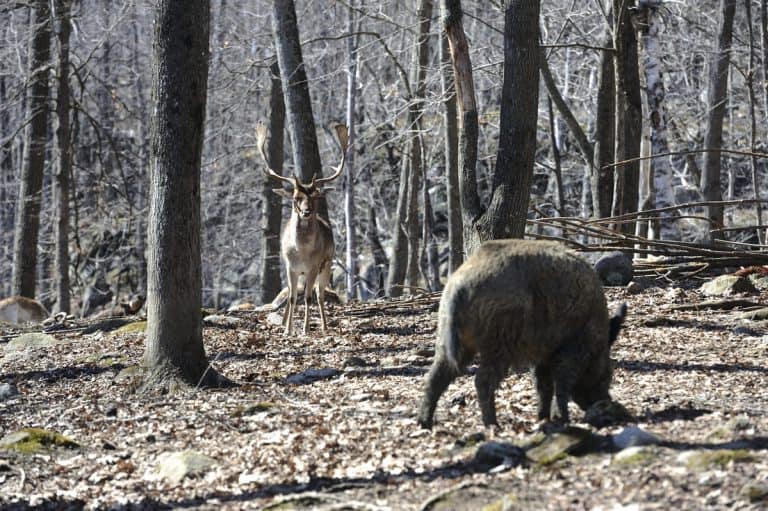
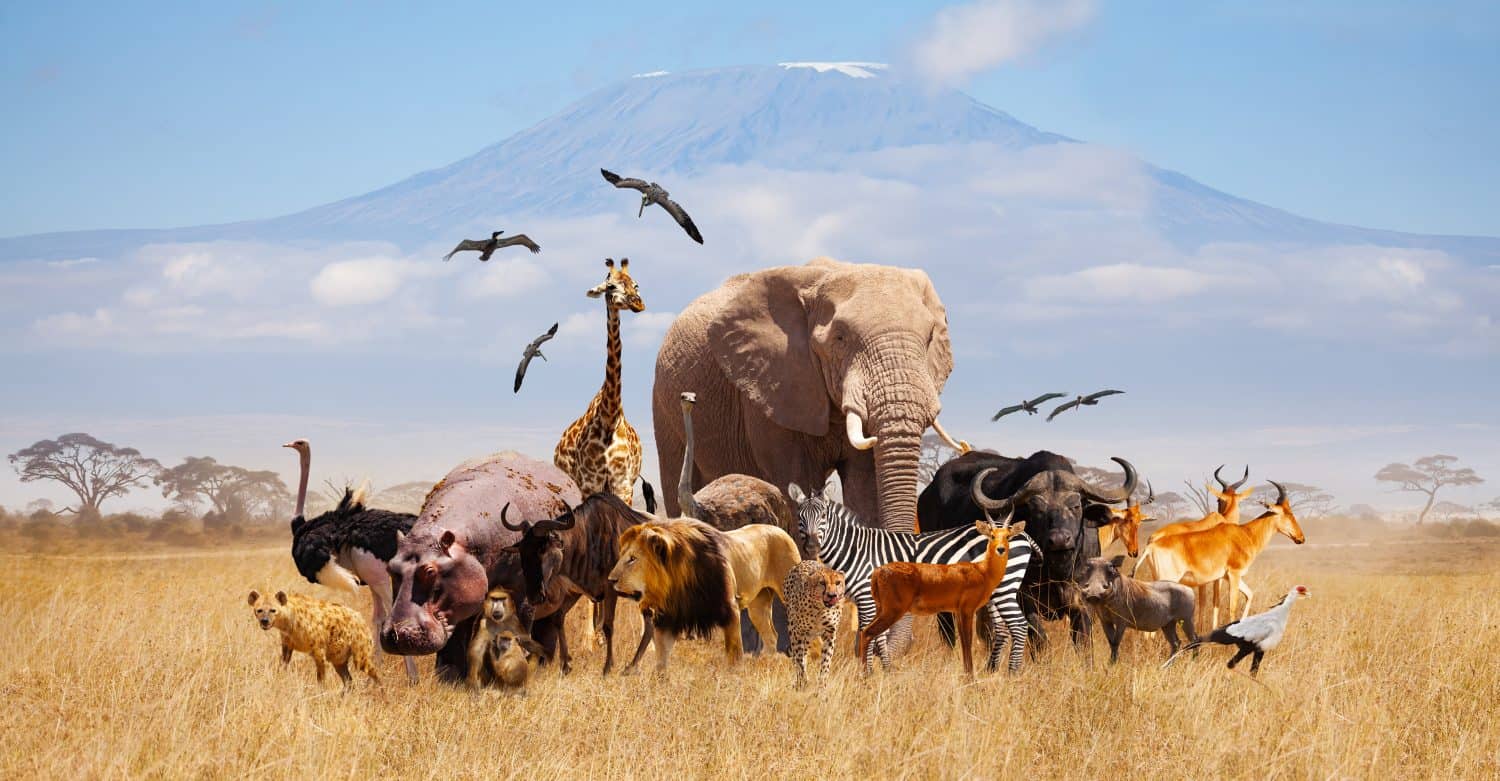
Almost 8,000 species of amphibians, birds, mammals, and reptiles could be pushed much closer to extinction by the end of this century, according to a new international study led by researchers at the University of Oxford. Rather than examining climate change or habitat loss in isolation, the scientists analyzed how extreme heat and human land use interact to reduce the places where wildlife can survive. Their findings suggest that, without rapid cuts to greenhouse gas emissions and stronger habitat protection, thousands of species could lose all areas that remain livable.
The study shows that rising temperatures alone are not the only concern. Expanding cropland, growing cities, and changing land management can remove the very habitats animals need to escape heat stress. When these pressures overlap, species may face conditions that exceed their physical limits. The result is not just shrinking ranges, but a complete loss of suitable environments for many animals that already face other threats.
How Was the Oxford Study Conducted?

An Oxford study examined thousands of species and forecast their chances of survival under various scenarios.
©Max Acronym/Shutterstock.com
The research examined 29,657 land vertebrate species, including roughly 6,400 amphibians, 9,500 birds, 5,100 mammals, and 8,600 reptiles. Scientists combined species range maps with future projections of extreme heat and land use from 2015 through 2100. These projections followed four different shared socioeconomic pathway scenarios that describe possible futures for population growth, economic development, and energy use.
For each species, the team assessed how much of its current range would remain suitable under future conditions. A location was considered suitable only if it stayed within the species’ heat tolerance and remained in a habitat type the species is known to use. Areas that became too hot or were converted to intensive agriculture or urban land were counted as unsuitable. This approach allowed the researchers to evaluate how climate and land use together reshape where animals can live.
Why Extreme Heat Is a Critical Factor
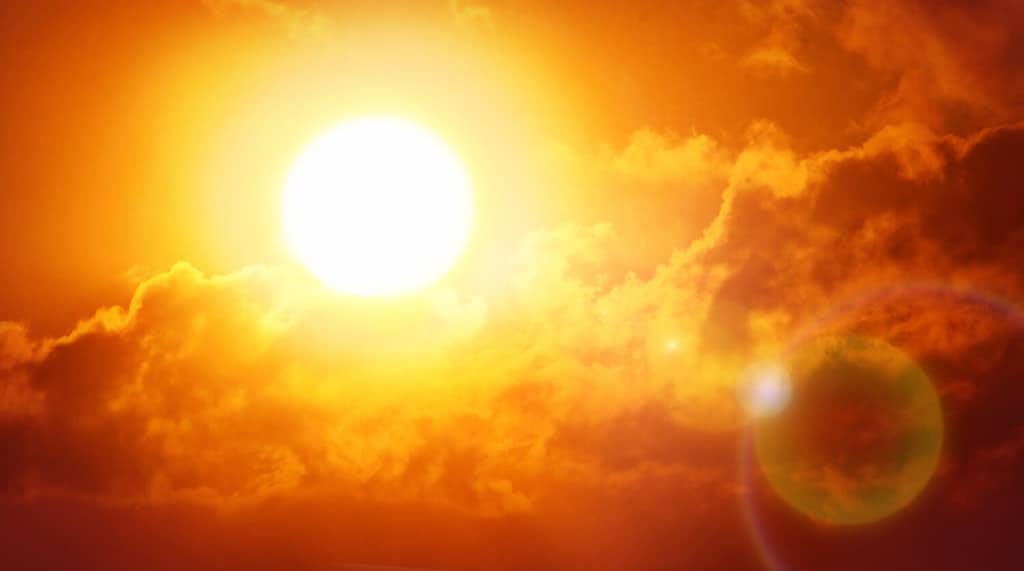
Heat waves put humans and wildlife at risk.
©Ed Connor/Shutterstock.com
Instead of focusing on average temperature increases, the study emphasized extreme heat events. These were defined as periods when daily maximum temperatures exceeded the hottest conditions a species experienced between 1950 and 2005 for more than five consecutive days. This focus matters because short bursts of intense heat can be deadly, even if average temperatures rise incrementally.
Using global climate projections, researchers identified areas where future heat waves would exceed historical limits for each species. Any location that crossed those limits was treated as unsuitable. Prolonged heat can cause dehydration, disrupt reproduction, and increase mortality. Many animals cannot adapt quickly enough to these extremes, especially when heat events become longer or more frequent.
How Land-Use Change Was Evaluated

Researchers studied land use as part of an overall picture of the survivability of various species.
©MPIX.TURE/Shutterstock.com
To track habitat change, the study used global land-use projections that estimate how forests, grasslands, croplands, pastures, and urban areas may shift under different futures. These projections were matched with habitat preferences listed for each species. Scientists then calculated how much suitable habitat would remain within each species’ range over time.
When natural habitats were converted to intensive farming or urban development, they were usually counted as unsuitable. In some scenarios, abandoned or regenerating land could become suitable again, but these gains were limited. Overall, land-use change often removes the shaded, complex environments that help animals cope with heat, making climate impacts more severe.
Four Possible Futures for Wildlife
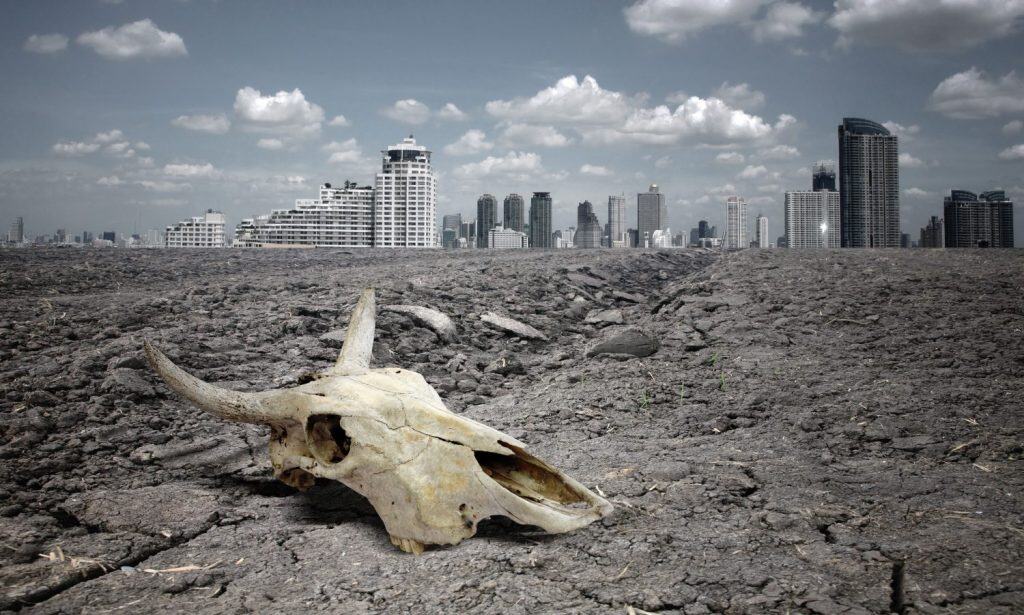
Nearly 8,000 species could lose their habitats in the next 75 years.
©SCOTTCHAN/Shutterstock.com
The researchers compared four scenarios that range from strong sustainability efforts to continued heavy reliance on fossil fuels. In the most sustainable scenario, average species lose suitable conditions across about 10 percent of their ranges, and some even gain habitat through better land management. In the most extreme scenario, species lose suitable conditions across more than half of their current ranges.
Under the highest-emissions pathway, up to 7,895 species are projected to lose all of their current suitable range by 2100. This does not mean all would go extinct immediately, but it suggests they would face extreme pressure to survive. These differences show how human choices about energy and land use can strongly influence outcomes for wildlife.
Regions Facing the Greatest Risk
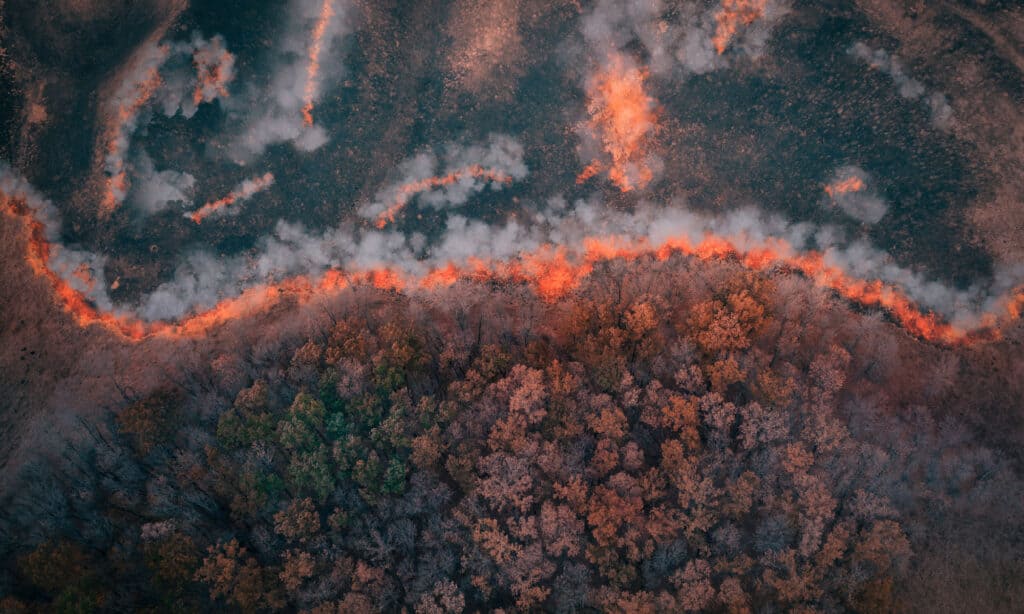
Habitats cleared for agriculture or destroyed in wildfires can push endangered species over the edge.
©iStock.com/Andrii Chagovets
The study identifies subtropical regions as areas where extreme heat and land-use change overlap most strongly. Parts of the Sahel in Africa, the Middle East, and large areas of Brazil and surrounding regions in South America are projected to see major losses of suitable habitat. In these areas, many local species are exposed to new heat extremes while also losing land to farming and development.
Even under moderate scenarios, large portions of North Africa, the Middle East, and Brazil show more than half of local vertebrate species exposed to harmful heat events. When habitat conversion is added, the remaining refuges shrink further. These regions already face social and economic challenges, which can make conservation efforts more difficult.
Which Animals Are Most Vulnerable?
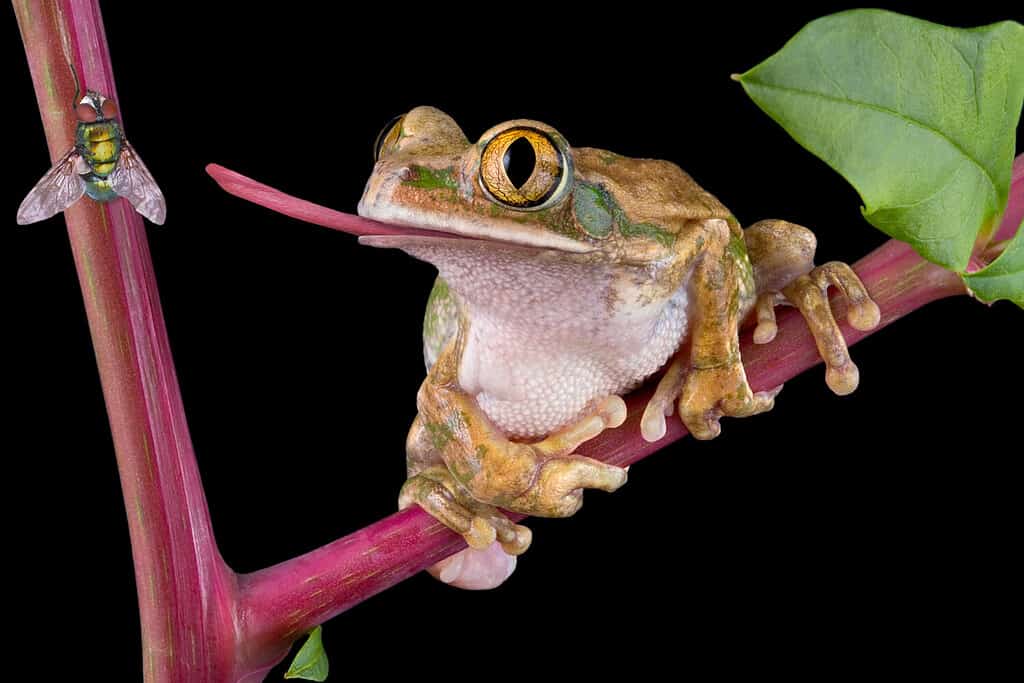
Amphibians and reptiles have the most difficulty adjusting to climate change.
©Cathy Keifer/Shutterstock.com
Across all scenarios, amphibians and reptiles face the highest exposure to unsuitable conditions. These animals rely heavily on environmental temperatures to regulate their bodies. Amphibians, in particular, are sensitive to heat and moisture changes, making them highly vulnerable. Mammals show moderate exposure, while birds are least affected on average.
Even in the most optimistic scenario, amphibians lose suitable conditions across more than 23 percent of their ranges, while reptiles lose about 13 percent. Birds lose less than 2 percent, and mammals about 4 percent. Species with small ranges or those already listed as threatened tend to lose a larger share of suitable habitat, adding to existing risks.
The Plight of the African Bush Viper
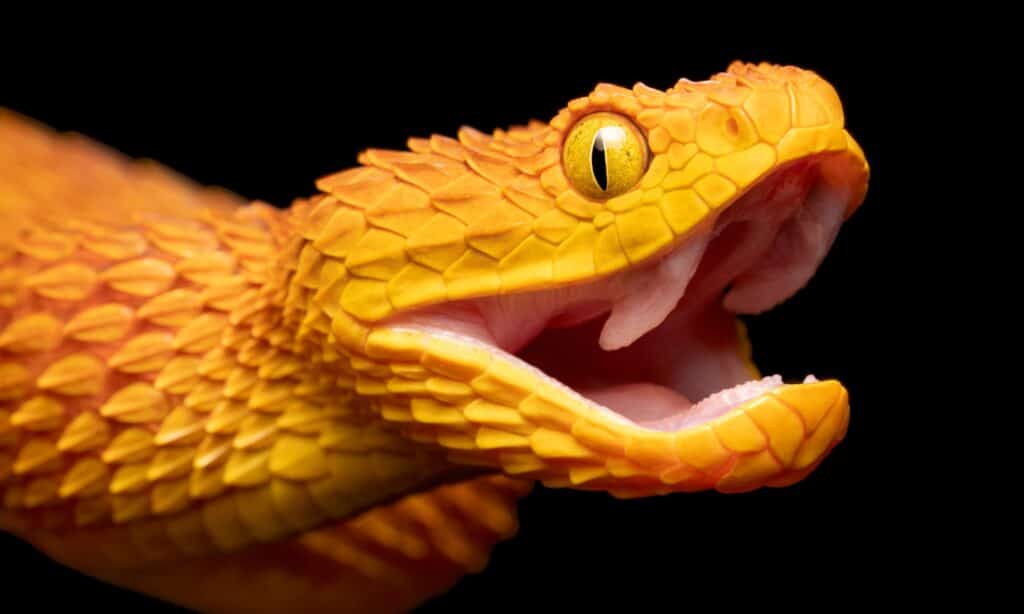
The African bush viper (Atheris squamigera) may look scary, but we are more of a threat to it than it is to us.
©Mark Kostich/Shutterstock.com
The African bush viper, Atheris squamigera, illustrates how combined pressures can nearly erase a species’ habitat. Under a high land-use and emissions scenario, this snake is projected to lose 81% of its suitable range. Land-use change alone removes much of its forest habitat, while extreme heat further reduces livable areas.
When both factors are combined, nearly the entire range becomes unsuitable. Bush vipers depend on forest cover for shade and hunting. Fragmentation and rising temperatures remove the cool microhabitats they need. This example shows how overlapping threats can push species toward collapse more quickly than either threat alone.
Mountain Specialists Under Heat Stress
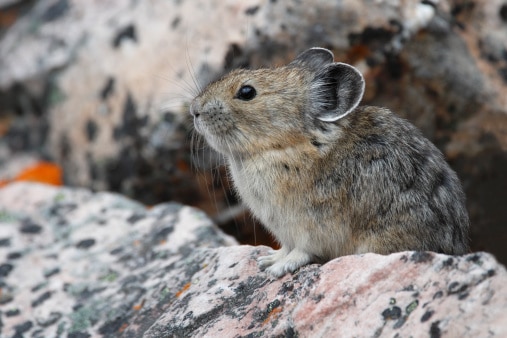
American Pika (Ochotona princeps).
©BrianLasenby/iStock via Getty Images
The American pika, Ochotona princeps, lives in cool, rocky areas of high mountains in western North America. These environments allow pikas to avoid overheating. Because they already live near the upper limits of suitable climate, warming leaves them little room to move upward. As heat waves become more frequent, local populations may disappear where cool refuges vanish. While the study did not focus on individual species management, its findings align with concerns that mountain specialists face about shrinking habitat islands. These isolated populations may struggle to persist as conditions change.
Large Ground Birds in Open Landscapes
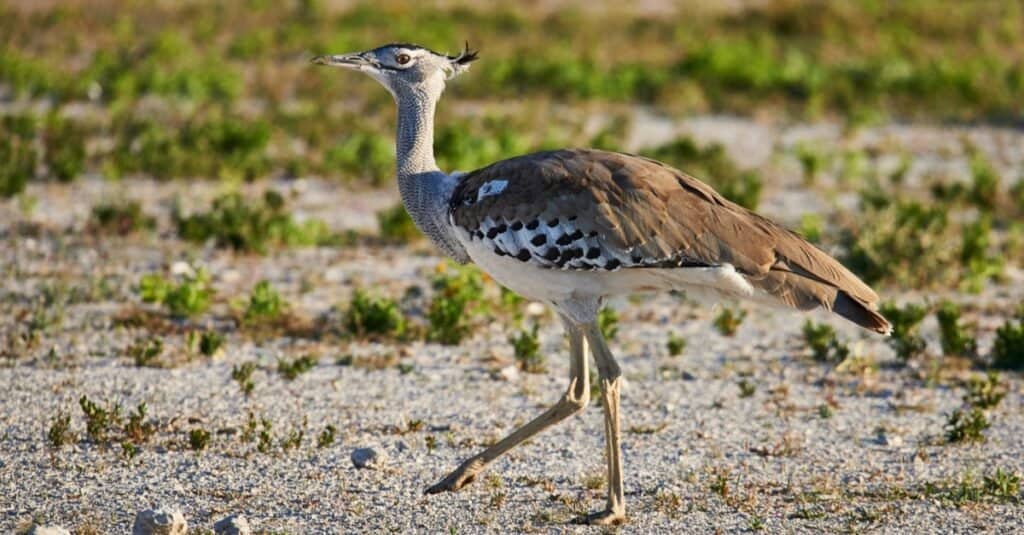
The Kori bustard is one of the world’s heaviest flying birds.
©ArCaLu/Shutterstock.com
The kori bustard, Ardeotis kori, is among the heaviest birds capable of flight. It lives in dry grasslands and savannas of eastern and southern Africa. This bird relies on large open areas that still provide cover and access to food. When savannas are converted to intensive agriculture or heavily grazed land, nesting and foraging become more difficult. Added heat stress can further reduce survival. Large ground birds often need wide ranges, which makes them sensitive to land-use change.
Why Combined Threats Matter
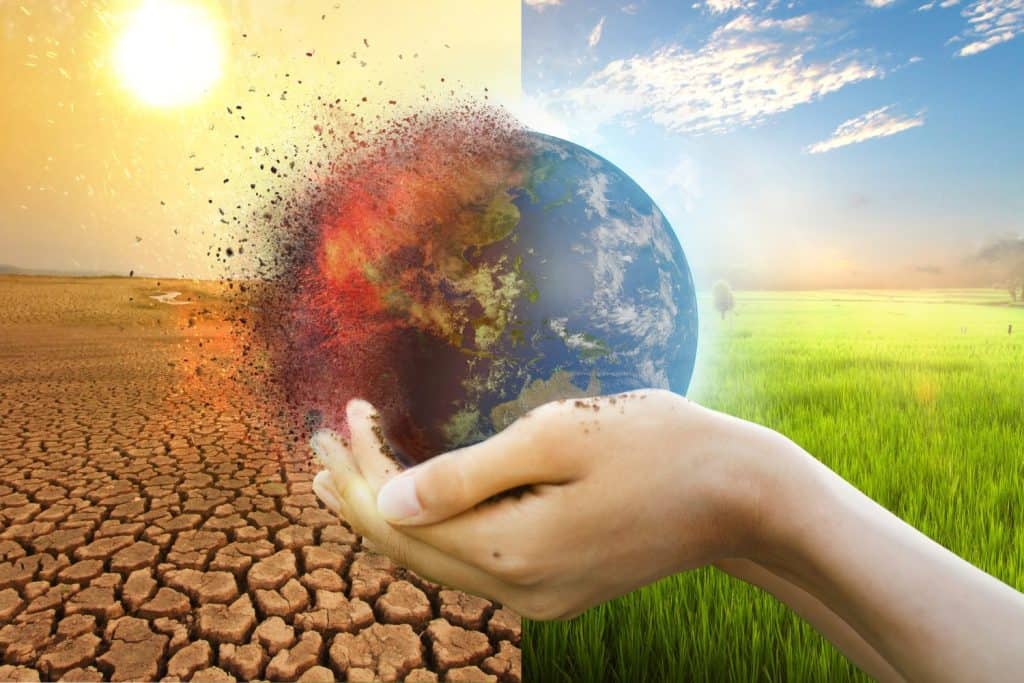
Understanding the planet’s ecology requires taking into account climate change, land use patterns, and other contributing factors.
©Piyaset/Shutterstock.com
A central conclusion of the study is that extreme heat and land-use change interact in ways that amplify their impacts. In many cases, heat affects one part of a species’ range while habitat loss affects another. When these effects overlap, little suitable area remains. This means conservation plans that address only climate or only habitat loss may underestimate risks. Protecting land without addressing heat may not be enough, and reducing emissions without safeguarding habitats may still leave species without refuge.
Signs of Hope and Future Choices
Under the most sustainable scenario, some regions gain suitable habitat through improved land management. The number of species facing total loss of suitable range is much lower than under the highest-emissions scenario. This shows that policy choices matter.
Protecting remaining natural areas, restoring degraded land, and planning for climate-resilient conservation networks can reduce extinction risks. Decisions made over the next few decades will strongly influence whether thousands of species can persist in a warmer, more crowded world.