
Quick Take
- Achieving survival requires voluntary self-amputation during high-stakes predator interactions.
- Internal fracture planes create a specific technical vulnerability that compromises structural integrity.
- African spiny mice utilize this same mechanism to shed entire sections of skin.
- A regeneration phase is necessary to restore functionality despite resulting in altered color and texture.
Lizards are famous for their strange ability to lose their own tails. This ability is called tail autotomy, a survival strategy in which a lizard voluntarily detaches its own tail. While this self-amputation sounds intense, it is an essential part of their survival, which they have adapted to over centuries. This YouTube Short by @naturelenses shows some clips of autotomy and discusses why it occurs. If you’re curious to learn more, keep reading below!
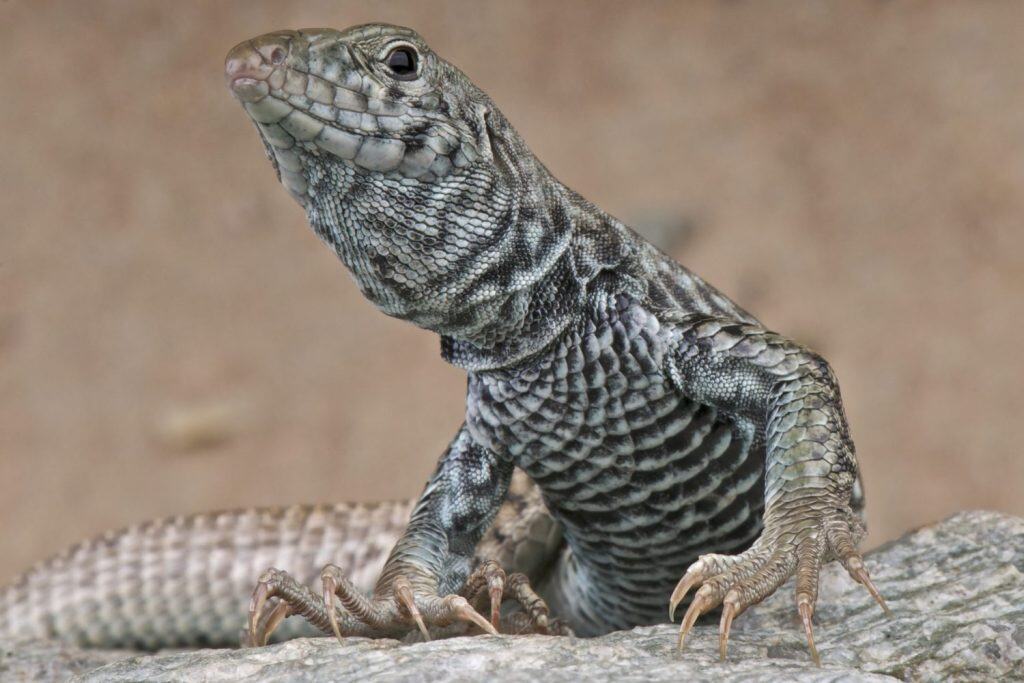
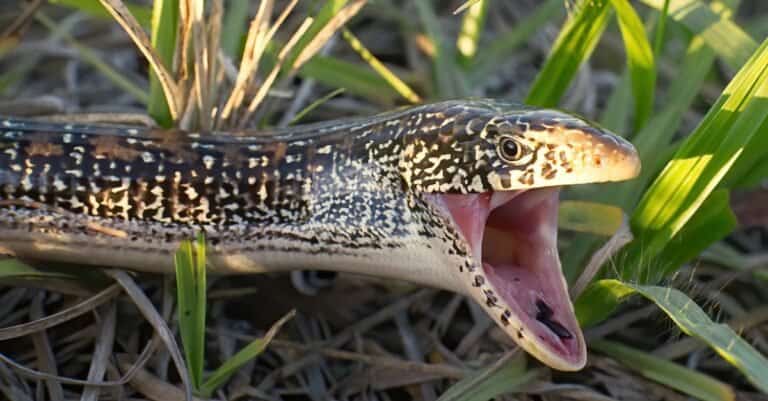
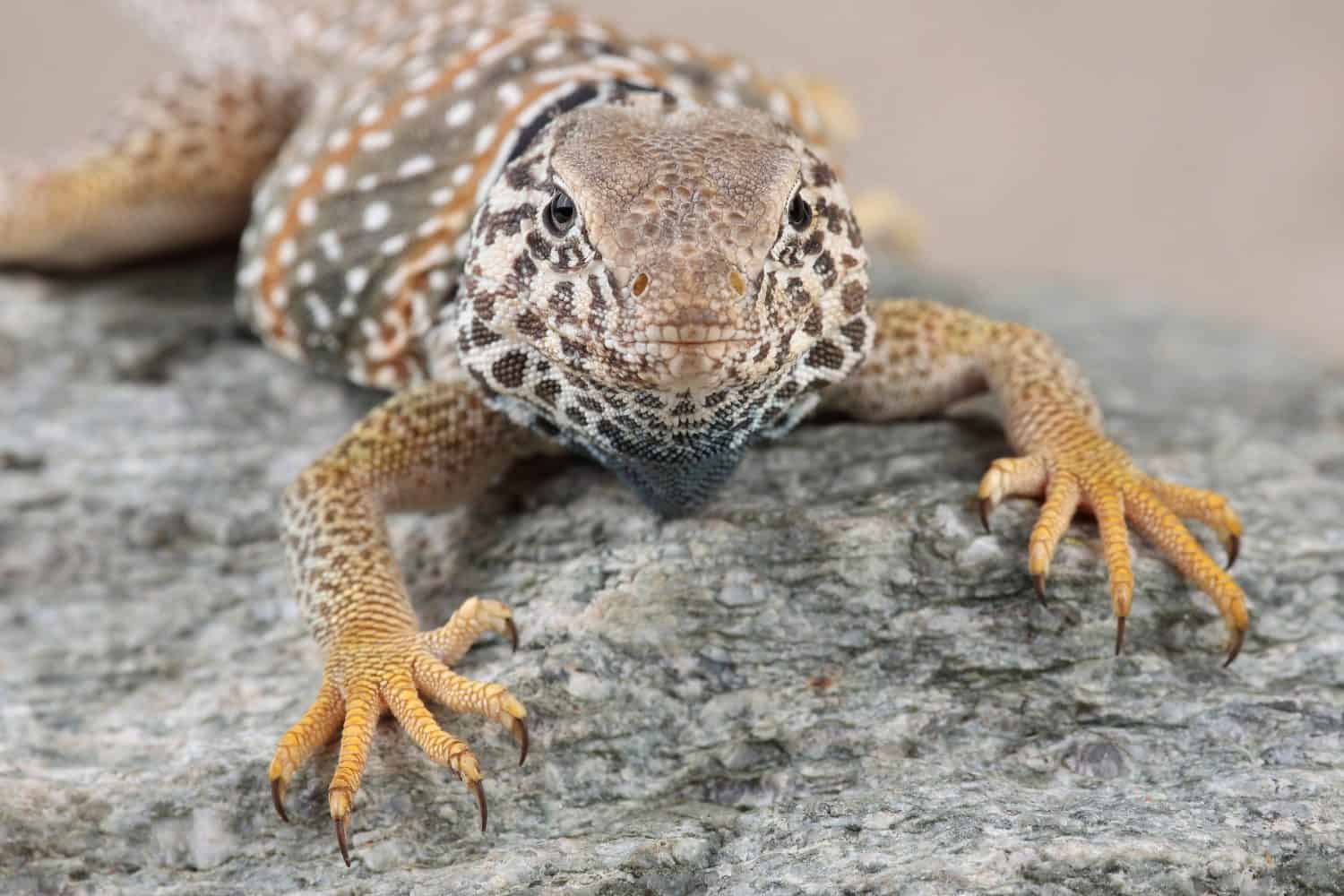
Lizards lose their tails when faced by a threat, but it is a last-ditch effort.
©reptiles4all/Shutterstock.com
About Tail Autotomy
Tail autotomy is a survival strategy where an animal purposefully detaches its own tail to survive the threat of a predator. Split into its two Greek roots, ‘auto’ means self, and ‘-tomy’ means cutting. Essentially, it is a form of self-amputation that allows the lizard to escape. Inside the lizard’s tail, there are weak spots between the muscles. These spots are known as “fracture planes,” and when the muscles contract, they break at these weak spots. This allows the tail to detach. It is currently unknown whether lizards experience pain during autotomy, though the presence of nerves in the tail suggests it is possible. However, scientific consensus on this point has not been reached. Luckily for the lizard, the tail does grow back through regeneration. It takes weeks to months for the tail to regrow, and the color and texture often look different.
Lizards primarily lose their tails to escape predators or other threats. When detached, the tail will continue to wiggle. In the video, a bird hunting a lizard diverts its attention to the tail, allowing the lizard to escape. This is the primary purpose of tail autotomy. The tail wiggling distracts predators while the lizard can scurry away. Losing their tails is often a last resort for lizards, but it is an essential survival mechanism. Lizards are not the only animals that can do this. Some rodent species, like African spiny mice, can autotomically shed patches of skin to escape predators and can regenerate this tissue afterward. While not the tail, it is still a unique form of autotomy. This drastic escape mechanism may seem unsettling, but it is also fascinating! Next time you see a lizard, take a look to see if its tail is intact.