Quick Take
- Mastering thanatosis is a requirement for prey to survive high-stakes predator encounters.
- The Virginia Opossum enters a state of vulnerability that creates a dangerous gamble.
- Counterintuitively, feigning death serves as an essential instinct that contradicts standard survival logic.
- Passing this instinct to offspring depends on the success of a last-ditch defense event.
Animals playing dead is a real, scientifically described behavior known as thanatosis. This behavior can be essential for an animal’s survival when faced with a threat. This YouTube Short by @oreathehappypup shows Orea the puppy chasing an opossum, which then lies down and pretends to be dead. Read on to learn more about thanatosis and why animals use this behavior.
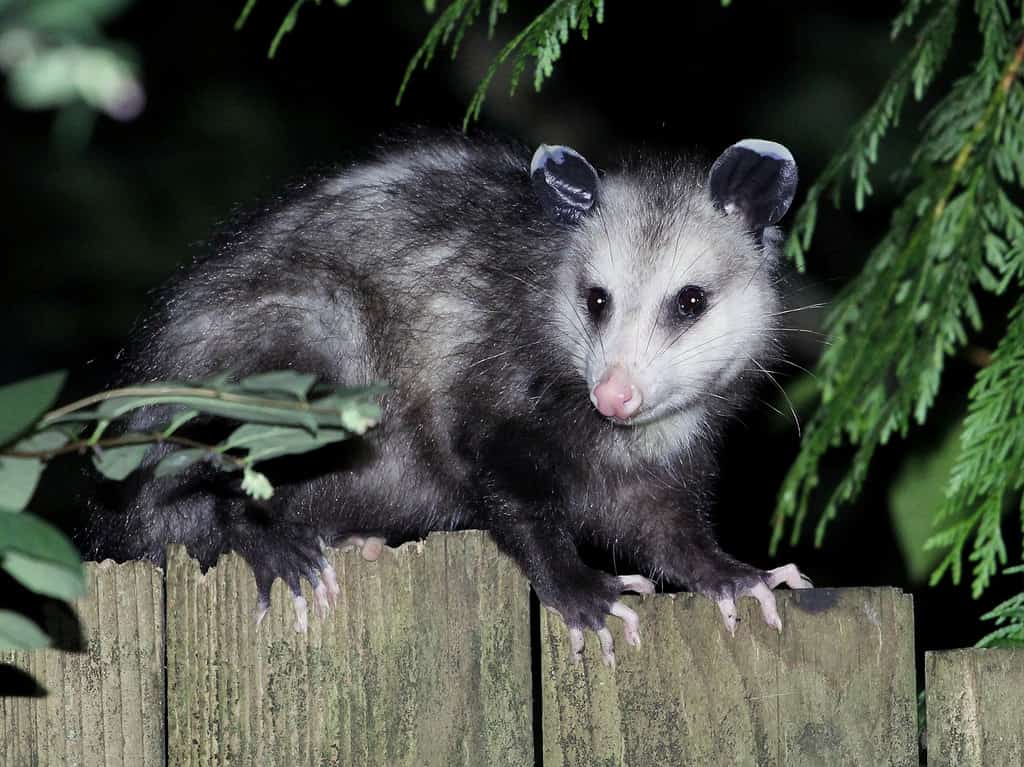
Opossums are one of the classic examples of playing dead to survive.
©randimal/iStock via Getty Images
What Is Thanatosis?
The video linked above is a funny and adorable example of thanatosis. The puppy in the video is seen chasing after an opossum. After running up to it, the opossum falls to its side and fakes being dead. This is a prime example of thanatosis. Thanatosis is a survival behavior in which an animal feigns death to deter predators from eating it. When exhibiting this behavior, the animal becomes motionless on its side or back. Some animals may even drool, stick out their tongues, or emit foul-smelling sprays that mimic the scent of decay to make the act more convincing. When the predator leaves, the animal returns to normal behavior. This behavior is observed in several different animals, with the opossum being the classic example. Others include the hognose snake, insects like beetles and grasshoppers, and birds like chickens and ducks.
Animals use this as a last-ditch defense mechanism. When all else fails, feigning death may turn off a predator from eating them. Because truly dead animals often have a foul smell and taste, even the sight of an animal pretending to be dead can be enough to deter predators. However, given the vulnerability that this behavior leaves the animal in, it is a dangerous gamble. If an animal survives, it will quickly run away or fight back once the predator is no longer paying attention. This is an important evolutionary trait that has persisted for generations. Individuals who use this trick often survive longer, allowing them to pass this essential instinct on to their offspring.