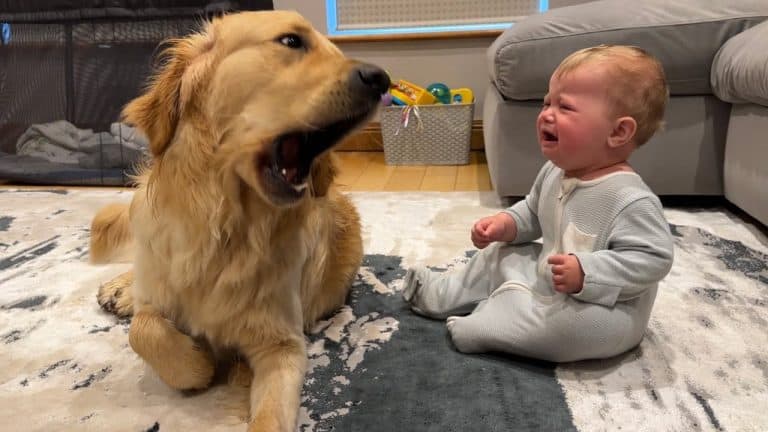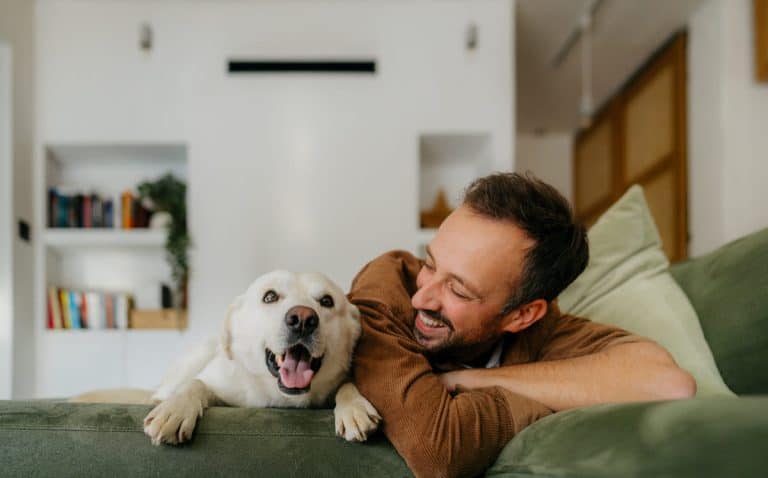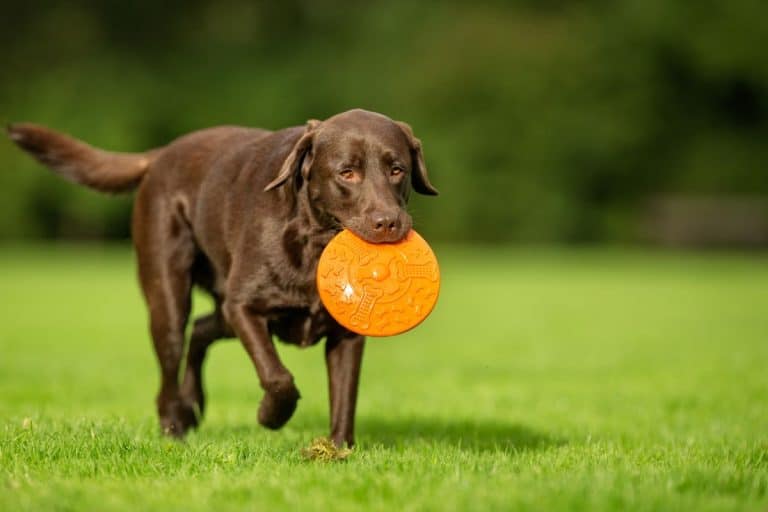

Many dog breeds are known for their gentle temperaments, patience, and affectionate nature, making them excellent companions for families. Breeds like the Labrador Retriever and Golden Retriever are famous for their friendliness, intelligence, and love of play, while the Beagle and Cavalier King Charles Spaniel offer smaller, cheerful options that bond closely with children. Boxers and Poodles are also wonderful choices, known for their loyalty and adaptability to active family life. Even large breeds like the Newfoundland or Bernese Mountain Dog are gentle giants that thrive in loving homes. These breeds generally respond well to training, enjoy social interaction, and fit seamlessly into busy family environments when given proper care, exercise, and attention.
While every dog deserves a loving home, some breeds may not naturally excel in a busy family environment without specialized training or extra attention. In this article, we explore several dog breeds that might not be the best fit for families and explain why. It’s important to remember that with proper training and early socialization, most dogs can become wonderful companions. However, every breed has its own temperament, instincts, and needs, which may align better with certain households than others. This list is presented in no particular order.
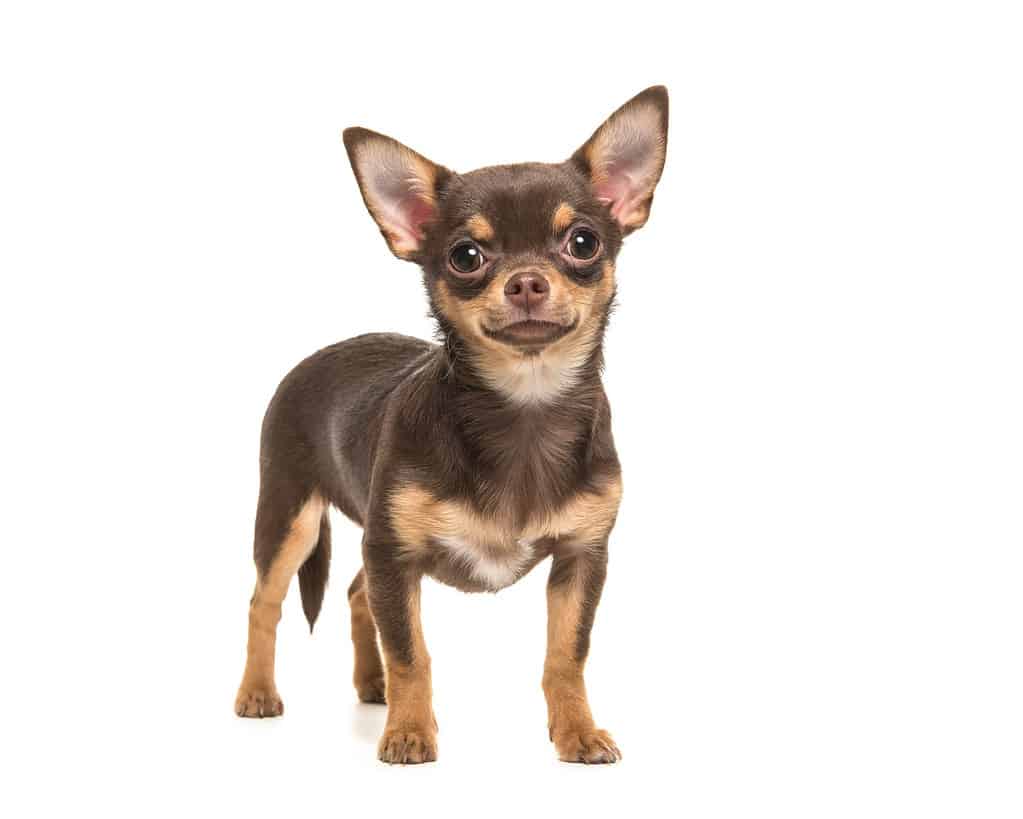
1. Chihuahua
©MirasWonderland/Shutterstock.com
This sassy and confident dog is the epitome of a big personality in a small package. While Chihuahuas can be affectionate with their owners, they don’t do well with young children. These tiny dogs shouldn’t engage in roughhousing because they can be easily injured. They can also become defensive around children who are too young to understand boundaries. This breed is also very protective and can become snappy or nippy around people it doesn’t know well. Chihuahuas are best for families with children at least 10 or older.
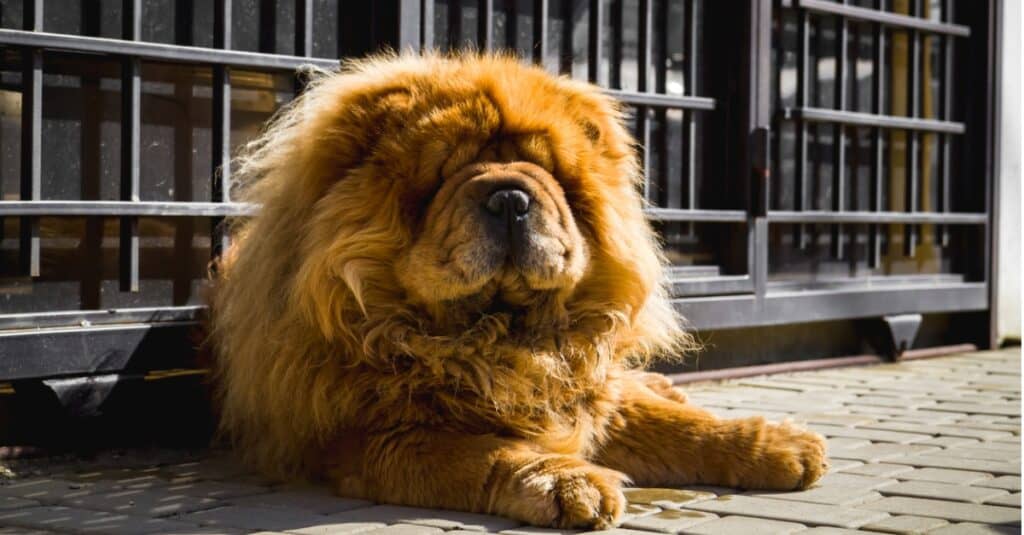
2. Chow Chow
©iStock.com/Andrey Danilov
Aloof, serious, and intelligent, the chow chow is a unique breed with ties to ancient China. They are affectionate with their humans but do not get along well with other pets or young children. While they are not generally an aggressive breed, chow chows may react badly to children who yell, are rough, or run around. These dogs are also not very playful and have little patience. They would do better in households with older children and fewer other pets.
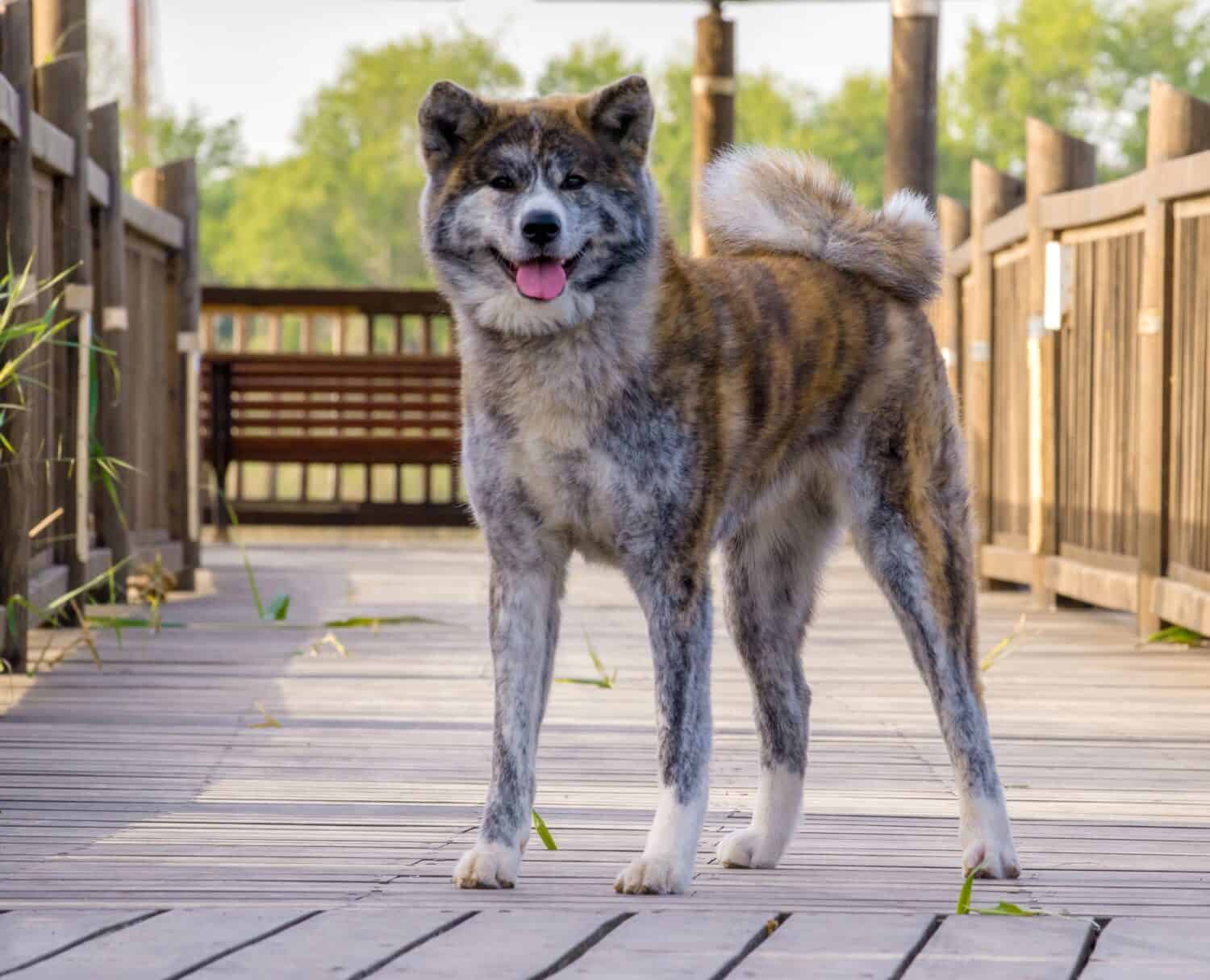
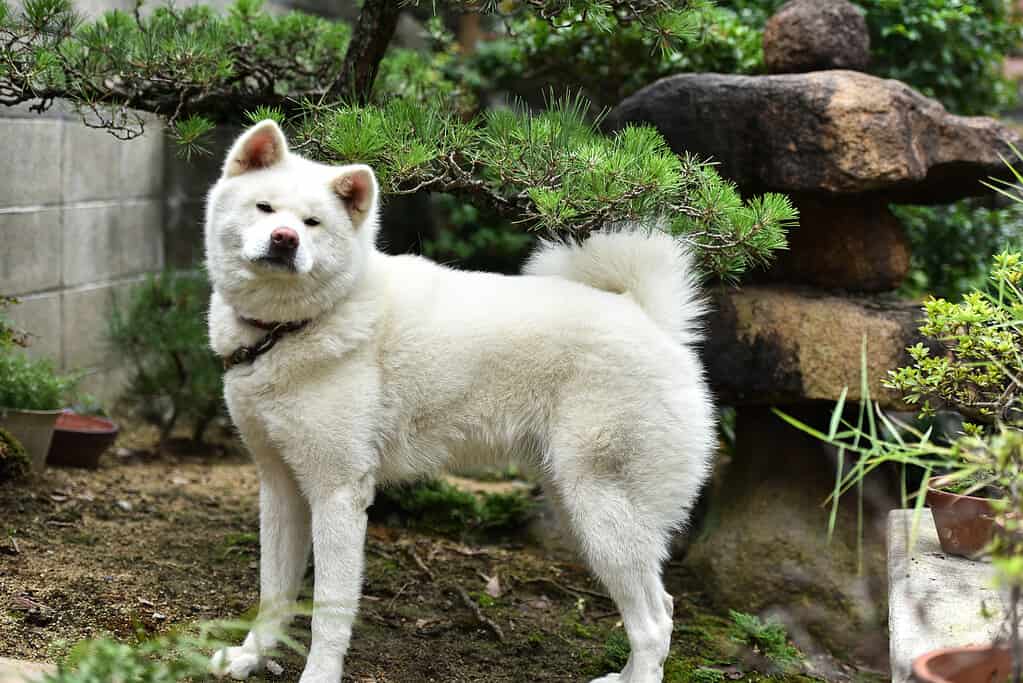
3. Akita
©iStock.com/Harada Tatsunari
The Akita is a dignified Japanese dog that is extremely loyal, confident, and energetic. This breed is more independent and does not typically need constant attention. They do not get along well with other dogs or with small children. Due to their protective nature, Akitas are not friendly around strangers. However, they can form close bonds with the right person. These dogs are best in households with one or two adults and maybe older children.
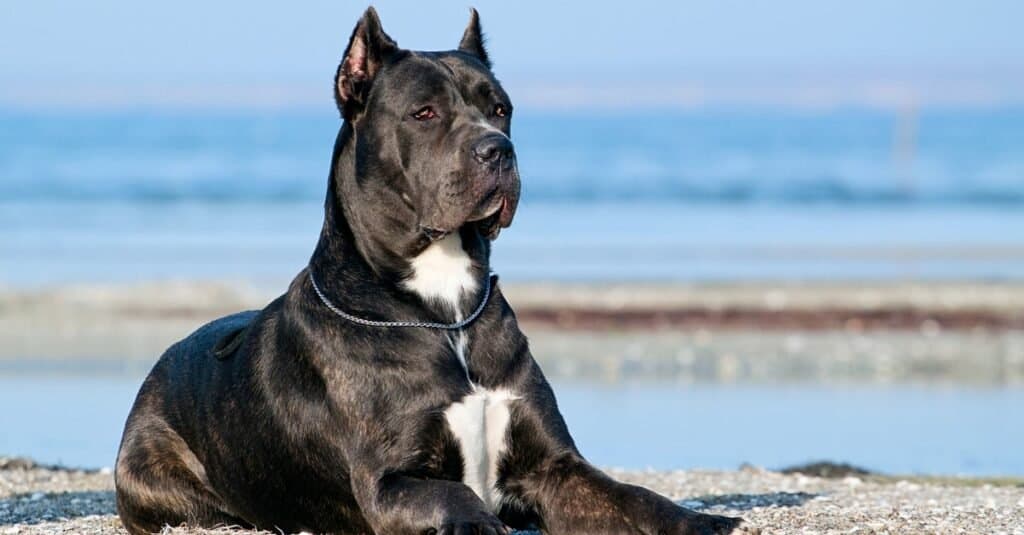
4. Cane Corso
©Sbolotova/Shutterstock.com
Cane Corsos are large dogs with stocky, muscular bodies and broad heads. These dogs are known for their protective behavior, intelligence, and affectionate personality. While they look massive and intimidating, this breed can be very loving with its family. However, they do best in families with older children and fewer other pets. They may become jealous of a new baby and can be wary around strangers. Due to their large size, these dogs could accidentally injure small children and pets. Cane Corsos are best suited to families with older children unless socialized early.
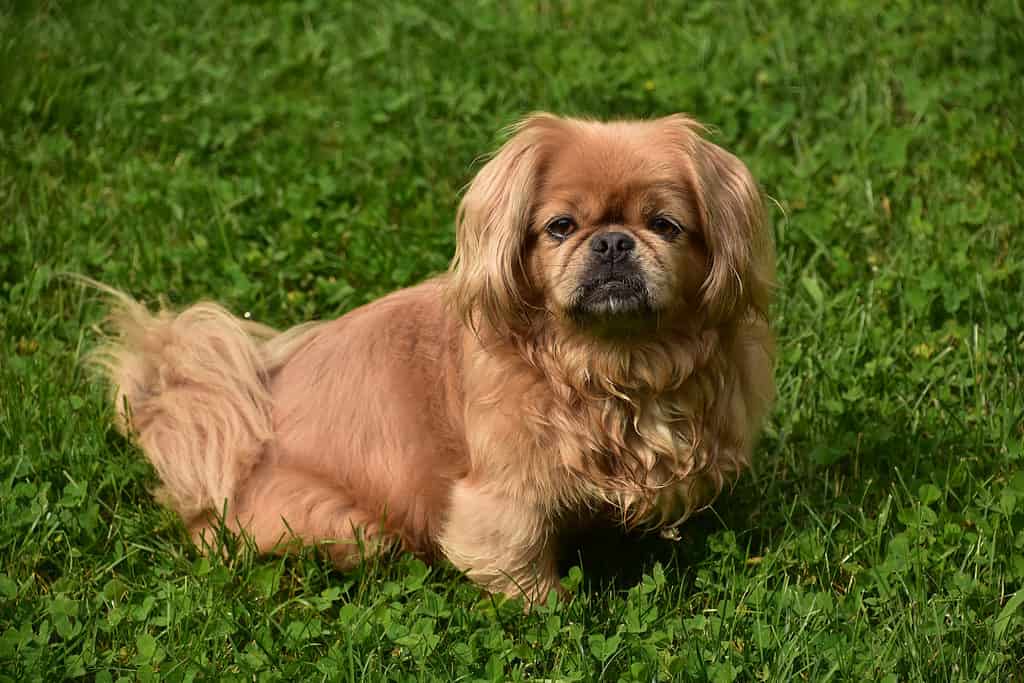
5. Pekingese
©DejaVuDesigns/Shutterstock.com
Sophisticated, regal, and loyal, the Pekingese is a dog of royal status from ancient China. They are a compact toy breed with a big personality. They are also extremely affectionate with their owners. But like many small breeds, Pekingese do not do well with small children or larger pets. Because of their tiny frames, these dogs can get injured easily around rough dogs and kids. They might also snap at children when they are frightened. They are also protective of their owners and hesitant around strangers.
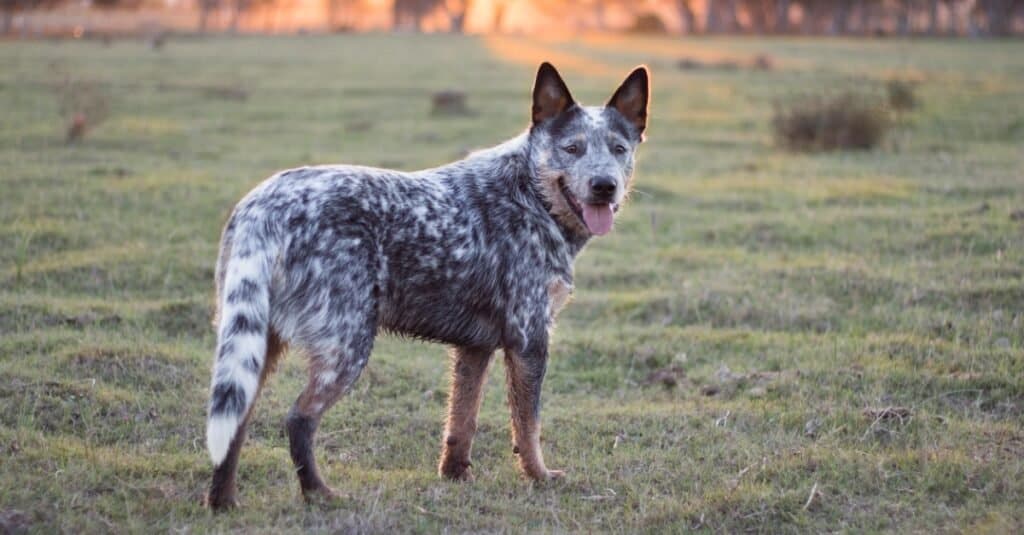
6. Australian Cattle Dog
©iStock.com/Madelein_Wolf
The Australian Cattle Dog is a smart, resilient, and vigilant herding breed developed in part by crossing domestic dogs with dingoes. These dogs were bred for tough jobs and have extremely high energy levels, and require lots of mental stimulation. They are moderately affectionate with their owners but have strong protective instincts, which causes them to be suspicious of strangers and dominant with children. This dog does better in households with adults and older children. They also need a lot of exercise and activity..
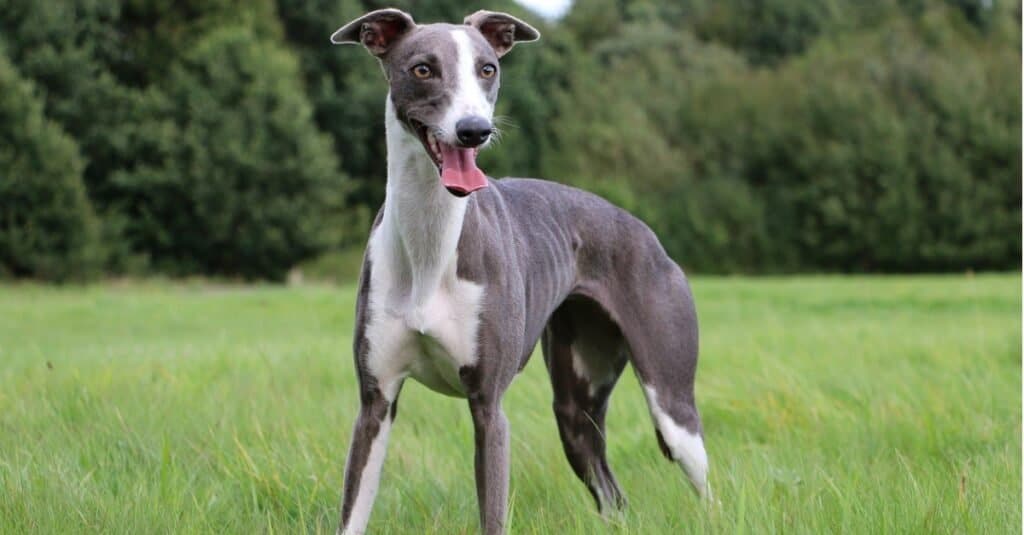
7. Greyhound
©iStock.com/BiancaGrueneberg
Greyhounds are energetic, friendly, and independent. Known for their impressive speed, this breed needs a lot of exercise and features a high prey drive. They are gentle and affectionate. While they are good with other dogs and can be sweet and playful with children, greyhounds are not suitable for households with small, rambunctious kids. Furthermore, these dogs are not easy to train and are very fragile, so rough children can accidentally injure them. Italian greyhounds, in particular, are prone to injury.
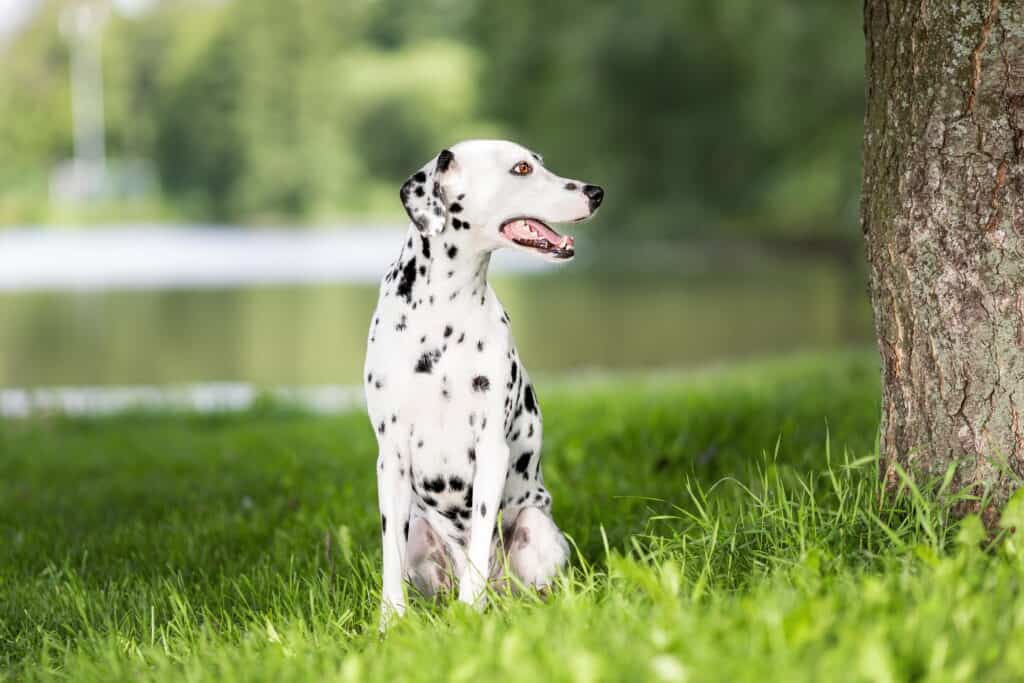
8. Dalmatian
©iStock.com/Irina Nedikova
This breed is playful, outgoing, and intelligent. It is also very affectionate with its owners and can be a good companion for households with older children when socialized early. Dalmatians can be a little too energetic and excitable for very small children. However, families with older children will likely be able to handle their needs. They should also be supervised around other dogs and can be somewhat reserved around pets and people they don’t know. Fortunately, Dalmatians are relatively easy to train.
9. Caucasian Shepherd
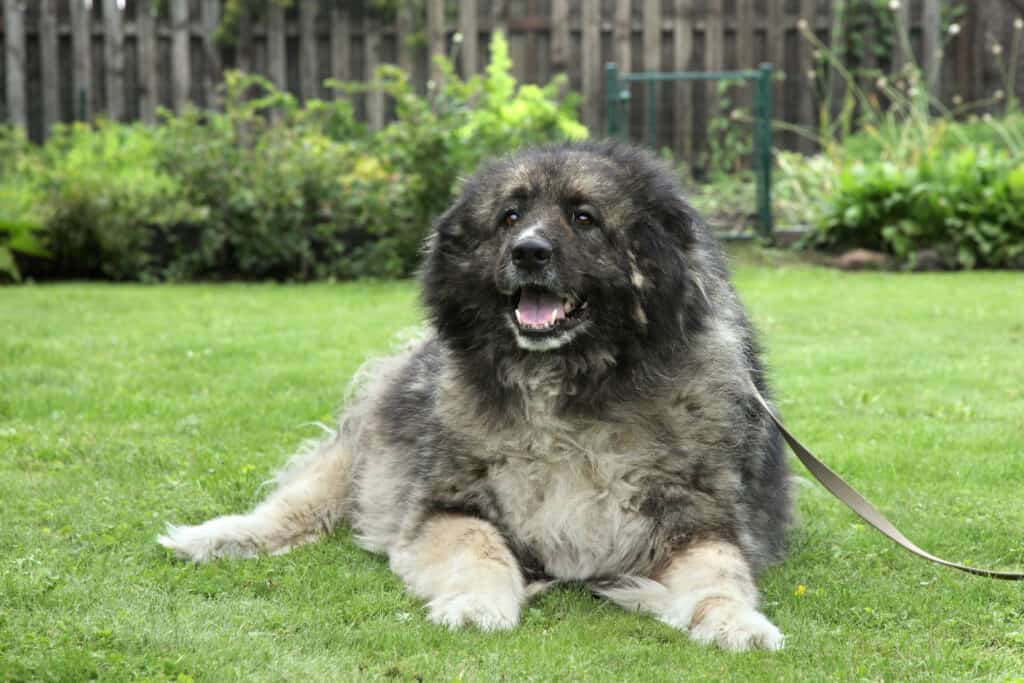
©Jagodka/Shutterstock.com
Fearless, serious, and self-willed, the Caucasian shepherd is an intense guard dog that takes its job very seriously. These dogs have a reputation for being formidable livestock guardians, historically bred to protect flocks from predators such as wolves. While they are more independent, this breed can still be loving with its family. But they don’t do well with other dogs or young children. And they are not particularly fond of strangers either. Their extremely protective nature outweighs their need for play and socializing. And they can be difficult to train, as well.
10. Tibetan Mastiff
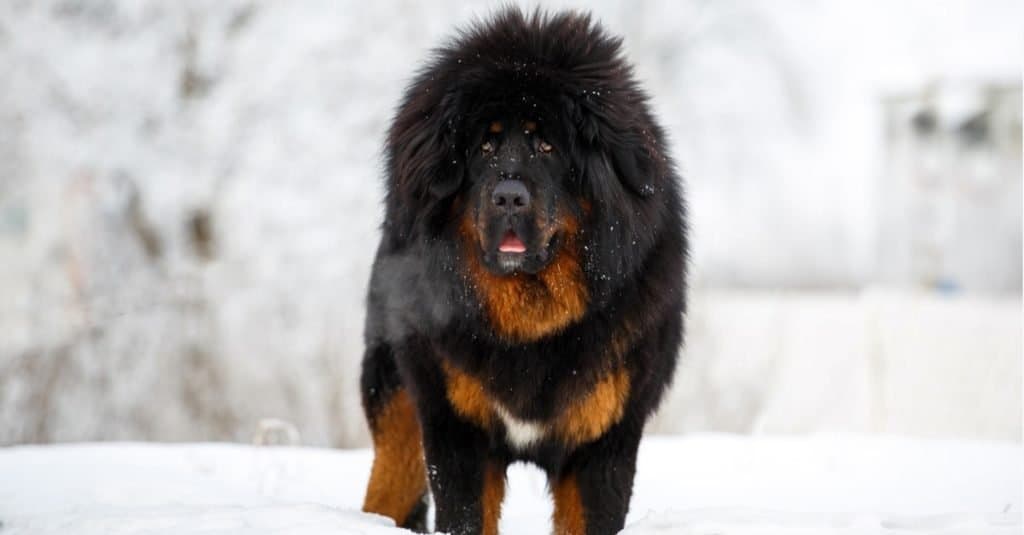
©Tatyana Kuznetsova/Shutterstock.com
The Tibetan mastiff is self-willed, intelligent, and vigilant. These dogs can be reserved and territorial and are natural guardians of their owners and property. While these qualities can be excellent for some, others, especially those with young children, may have difficulty with their personalities. They can be affectionate with their families, but they are not friendly with strangers and can be skeptical around other dogs. This breed must be socialized early if you plan on keeping it in a social and family environment.
11. Rottweiler
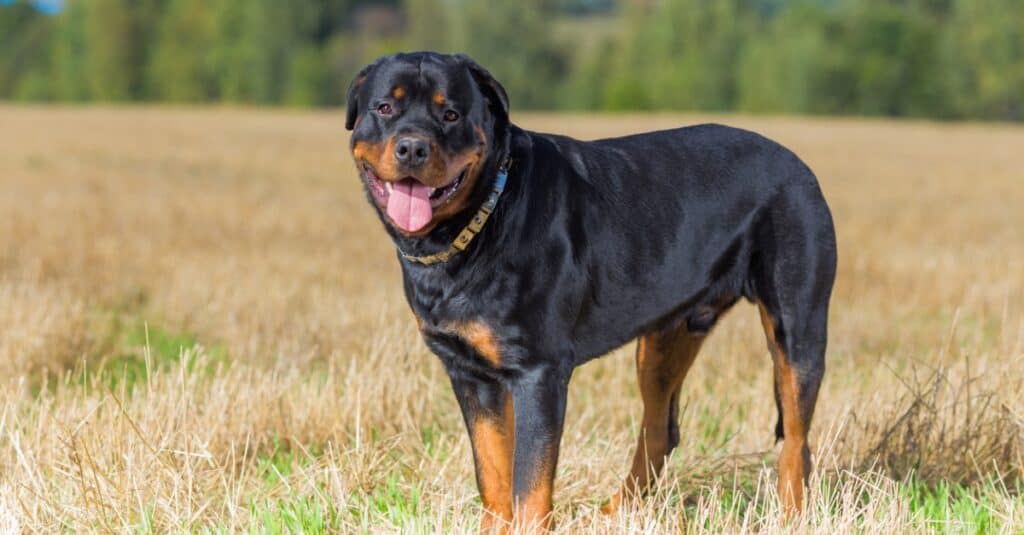
©iStock.com/Ideas_Studio
Rotties are loving, loyal, and eager to please. While they can be courageous guard dogs, they have a silly and playful demeanor, and absolutely adore their owners. However, they don’t do well around other dogs and can be reserved around strangers. This breed requires early training and socialization to prevent aggressive behavior. Thankfully, they are adaptable pets and train very easily. Rottweilers also need lots of mental stimulation to keep them from becoming destructive. They can be fiercely protective of members of their family, including children. But they should still be monitored around young kids.
12. Basenji
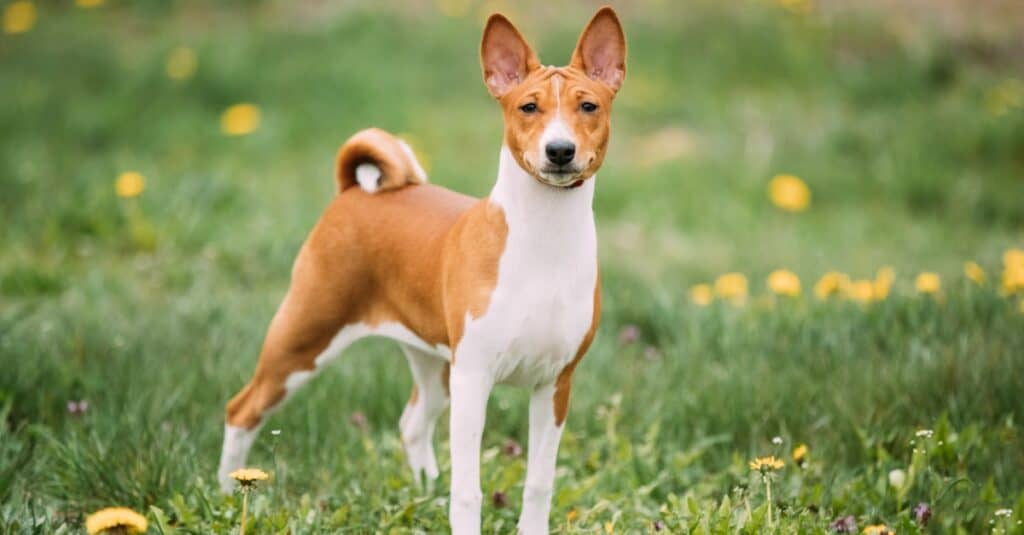
©Grisha Bruev/Shutterstock.com
The Basenji is a truly unique dog from Africa. This breed is cat-like and does not bark. They are independent, reserved, and resourceful. This dog is excellent for households that don’t need an overly affectionate pet or a vigilant guard dog. They do best in families with older children and fewer other pets. They are reserved around strangers and not particularly playful, but they are very energetic and intelligent and need lots of exercise and mental stimulation.
13. Maltese
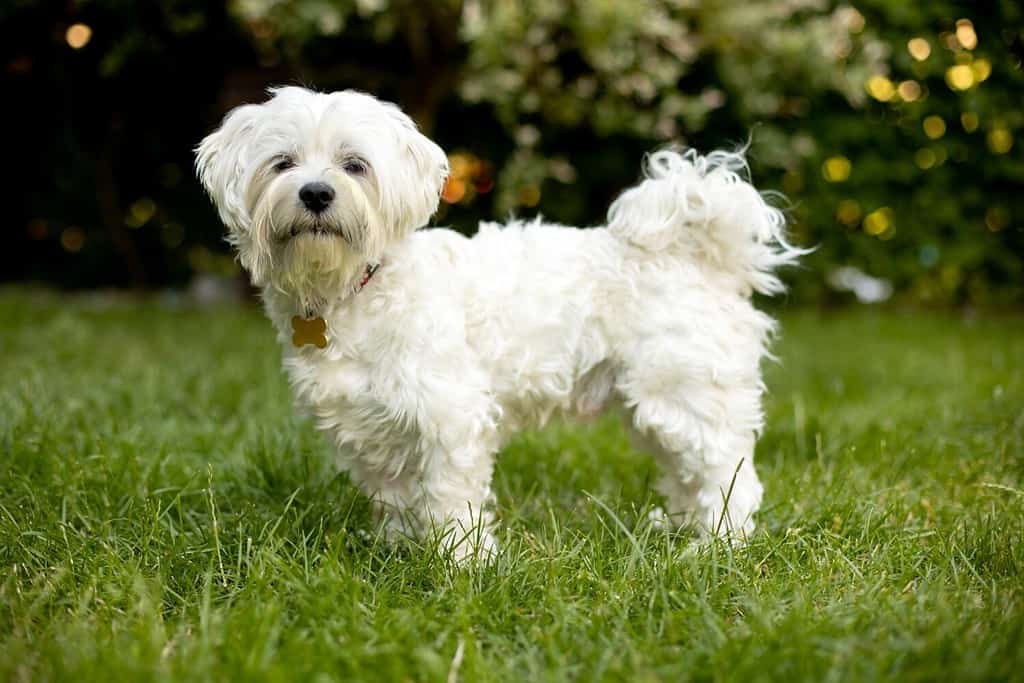
©Tomsickova Tatyana/Shutterstock.com
While the Maltese are charming, fluffy, and lovey-dovey with their owners, they can be snappy with rough children and other dogs. And they have a protective nature, which makes them reserved and standoffish around strangers. They also do not enjoy a lot of playtime, preferring to stay indoors and well-groomed. But they make excellent companion dogs for singles or couples.
14. Jack Russell Terrier
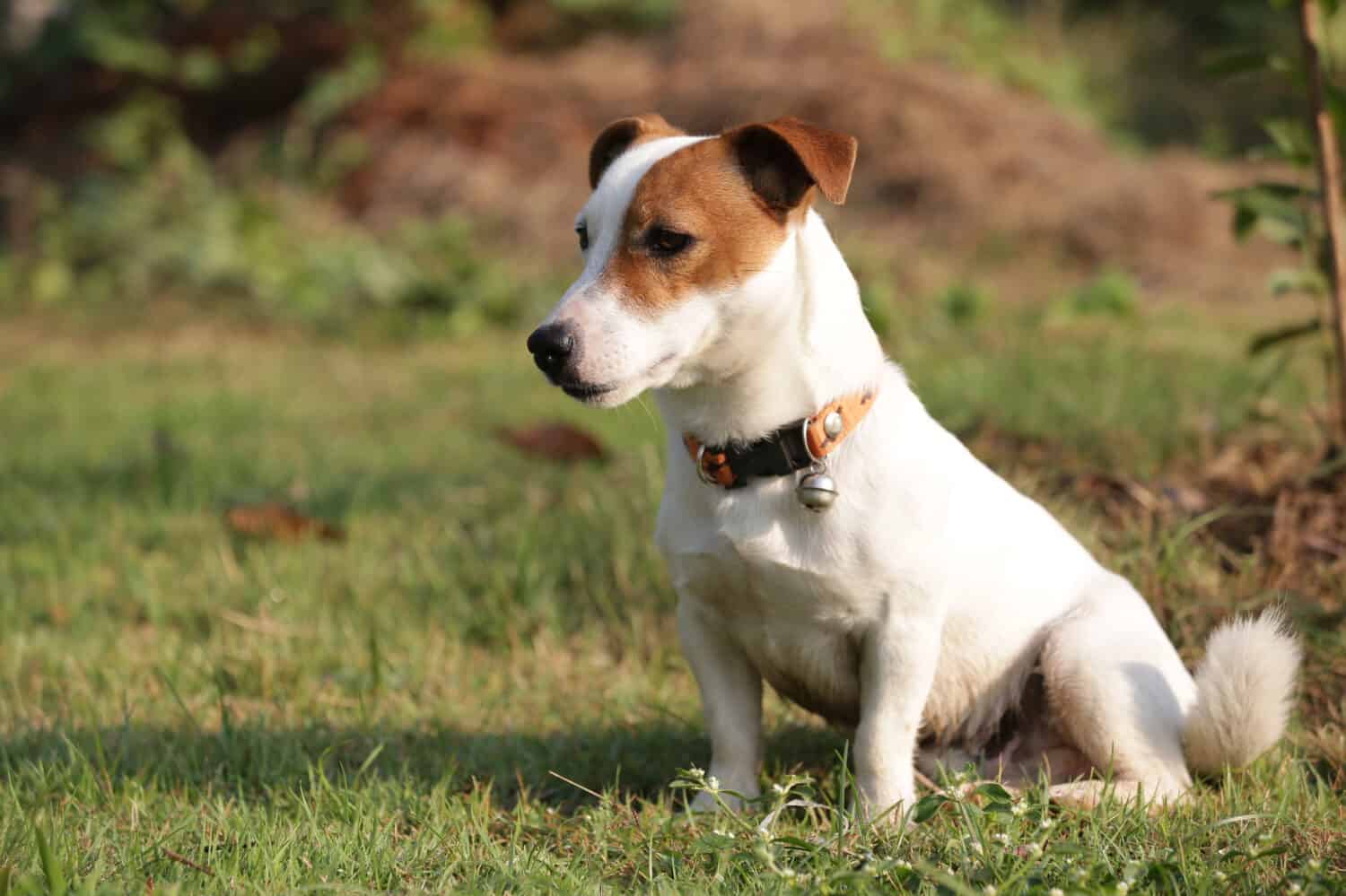
©Chatuphon Nachanta/Shutterstock.com
The Jack Russell Terrier is a small, energetic breed known for its intelligence and high energy levels. While they can be very affectionate and loyal to their owners, they are often not recommended for families with young children. Their boundless energy and strong prey drive can lead to nipping or rough play, which might not be suitable for small kids. Additionally, Jack Russell Terriers require a lot of mental and physical stimulation to prevent destructive behaviors, making them a challenging breed for busy households or those with less experience in handling high-energy dogs.
15. Dogo Argentino
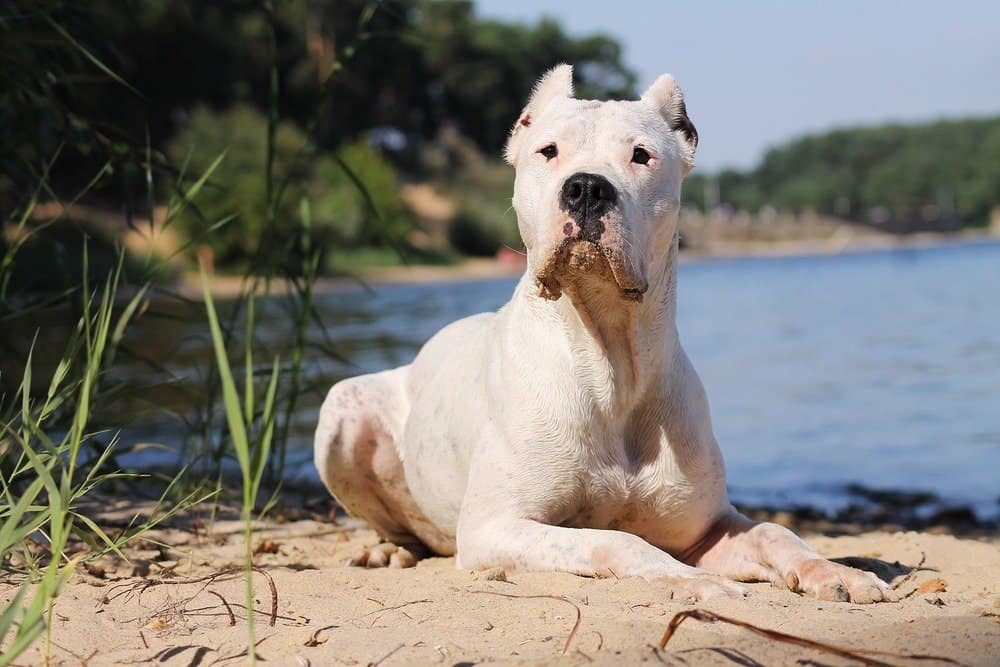
©Eve Photography/Shutterstock.com
The Dogo Argentino is a powerful, large breed originally bred for big game hunting. They are known for their strength, protective nature, and high prey drive. While they can be loyal and affectionate with their family, they require experienced owners who can provide consistent training and socialization. Their size and strength make them potentially dangerous if not properly managed, and they can be wary of strangers and other animals. This breed is not typically recommended for families with young children or other pets due to their dominant and protective instincts.
16. Afghan Hound
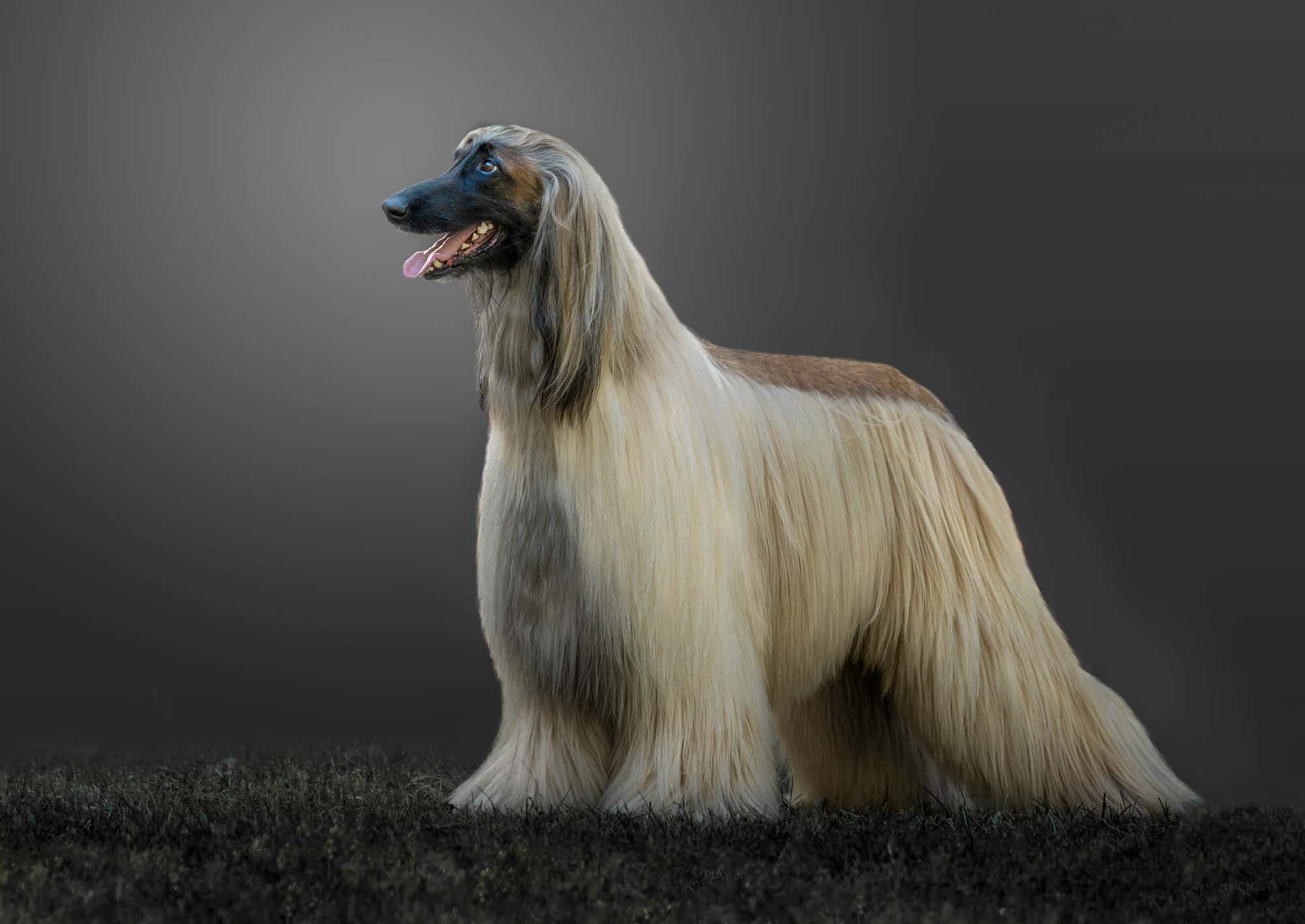
©xyom/ via Getty Images
The Afghan Hound is known for its elegant appearance and independent nature. While they can be affectionate with their family, they tend to be aloof and reserved, especially around strangers. Afghan Hounds are not particularly playful and may not tolerate rough handling, making them less suitable for households with young children. They also have a high prey drive and can be challenging to train due to their independent streak. Their grooming needs are also high, requiring regular maintenance to keep their long, flowing coat in good condition. This breed is better suited for families who appreciate their unique temperament and can provide the care and training they need.