
Quick Take
- The very industry destroying Bali's coral reefs may hold the only viable path to saving them, though there is a significant catch. See how tourism helps →
- Bali's government has tried to save its reefs before. So why have those efforts made things worse instead of better? Find out why they failed →
- Coral reefs protect Bali in ways most visitors never consider, and losing them would cost far more than just the scenery. Explore the full impact →
- Experts say there's still time to rescue Sanur's dying reefs, though the window depends on one thing most agencies keep getting wrong. See if recovery is possible →
Coral reefs worldwide are dying at an alarming rate. In Bali alone, 50% of coral reefs are damaged, some beyond recovery. But a glimmer of hope for the reefs comes from an unexpected hero. Bali’s tourists could actually help rescue its dying coral reefs, despite years of being blamed for destroying them.
How Tourism in Bali Could Save the Coral Reefs
Tourism is often cited as a problem rather than a solution to environmental problems. However, tourism may be what saves Bali’s coral reefs from ruin.
According to a new study published in Ocean & Coastal Management, the coral reefs in Sanur, Bali, have “markedly declined over the past years.” The main reason for this decline is tourism. What were once “reef areas previously dominated by branching corals” have now shifted “towards rubble fields and algal-dominated substrates.”
This has created a double-edged sword for the economy. According to stakeholders interviewed for the University of Tokyo study, if tourism continues as it has for decades, the coral reef will die. But if tourism around the reefs stops, the economy and many livelihoods will suffer.
Fortunately, there may be an unlikely solution to the degrading coral reef problem. That solution is, in fact, tourism.
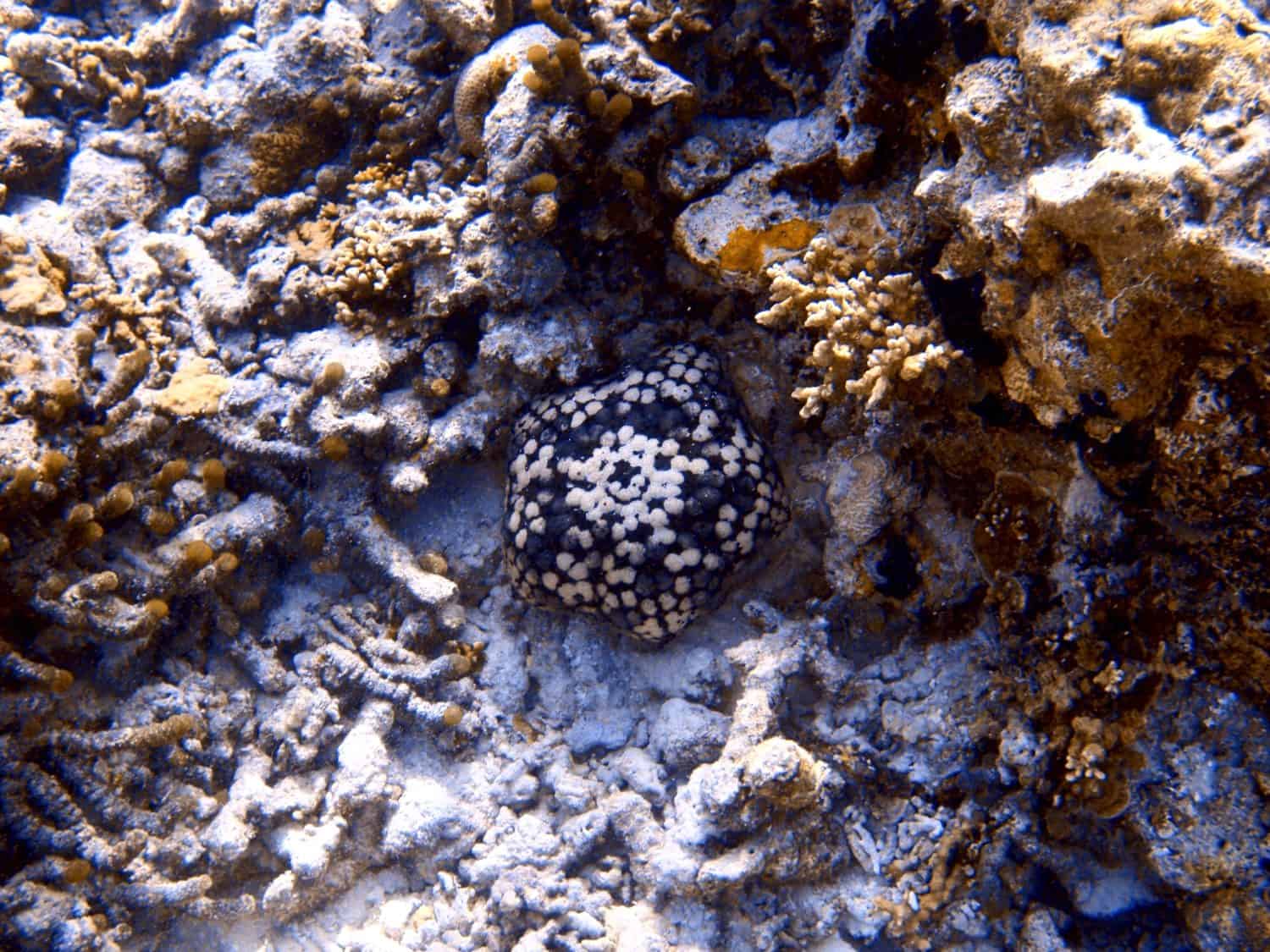
Once vibrant coral reefs in Bali have been reduced to rubble.
©Laura Amanda Photos/Shutterstock.com
For tourism to help save coral reefs rather than destroy them, the study states that operators need to invest in conservation efforts. Given that their incomes are directly related to tourism dollars, many have already expressed an interest in “reef stewardship.”
“Tourism operators were noted as able to both generate income and incentivize reef protection via Responses such as reef-based ecotourism,” the authors of the study noted, “e.g., guided snorkeling tours, low-impact diving, community-led marine education programs.”
The study added, “Moreover, by virtue of its visibility, the tourism sector can serve as an intermediary between local conservation efforts and global audiences, amplifying awareness and political support.”
Therefore, if tourism in Bali can revamp itself to become a platform for conservation of the reefs, not only can the coral reefs be saved, but the economy can as well.
What Has Caused the Decline in Bali’s Coral Reefs?
Since the early 20th century, coral reefs have drawn visitors to Sanur. But over the past several decades, the coral reefs have declined dramatically. The once-pristine waters are no longer pristine, and the coral reefs are a shadow of their former selves. What has caused this marine habitat to decline?
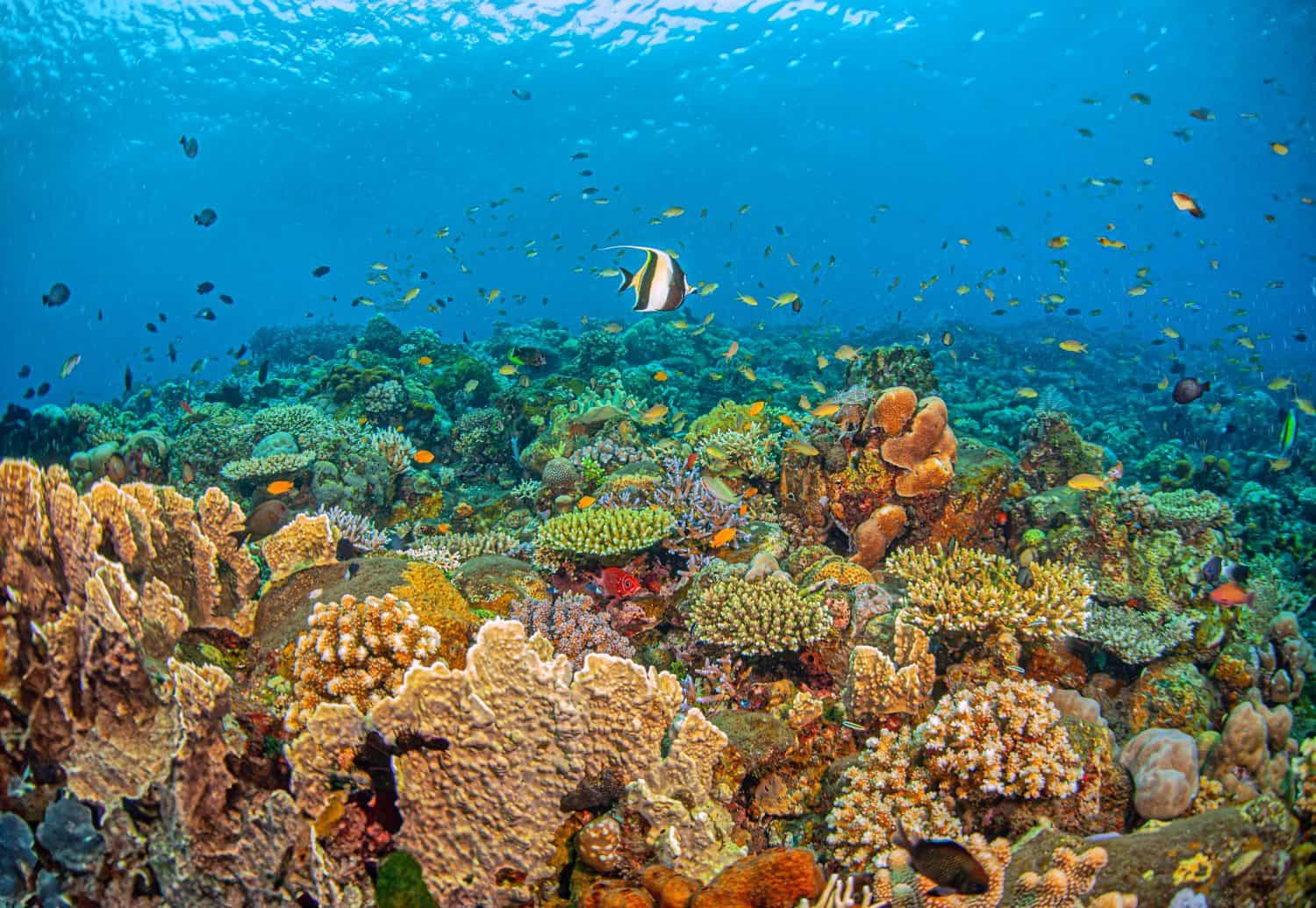
Coral reefs in Bali have declined due to poor water quality, pollution, tourism, and poor decision-making.
©John A. Anderson/Shutterstock.com
Sanur’s coral reefs have deteriorated. The reasons why this unfortunate transformation has occurred, according to the study, have to do with the following:
- Water quality has degraded due to sediment and wastewater runoff, which has limited the amount of light that can penetrate the water, making new coral growth nearly impossible
- Tourism has destroyed the reefs due to anchor damage, swimmers, and wastewater dumped overboard from boats
- “Decision-making paralysis” has led to no real efforts implemented to save the coral reefs
- Corals have been planted, and an artificial reef has been built, but the pressures that caused the reef to die in the first place have not been tackled
Because of pollution, government inaction, and overtourism, the coral reefs in Sanur can no longer be sustained. Without real change soon, a large portion of Bali’s coral reefs will be a thing of the past.
Why Efforts to Save Sanur’s Coral Reefs in the Past Have Failed
Sanur’s local government has not turned a blind eye to the coral reef decline. Unfortunately, according to the study, efforts to save the reef have not been successful, largely because they have not addressed the underlying causes of the decline.
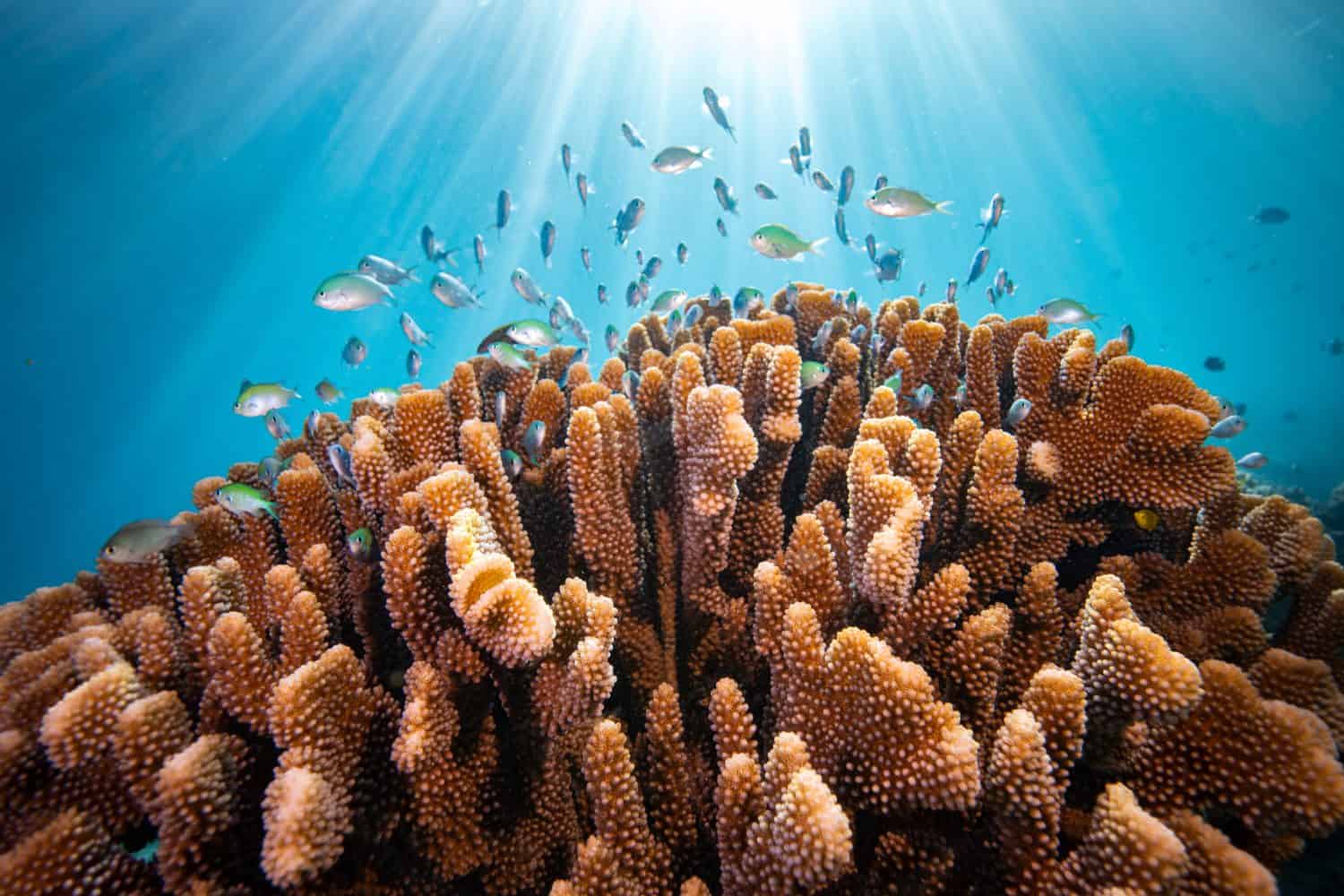
Failing to address the underlying causes of reef decline has led to the deaths of many corals in Bali.
©Mike Workman/Shutterstock.com
To help the coral reefs rebound in Sanur, the approach to saving them needs to change. The following should be done:
- Tackling things like sediment and wastewater runoff, which create water quality issues in which the coral cannot survive
- Having a solid, mapped-out plan where each government agency and environmental conservation group knows what their role is and how to execute their portion of the plan to save the coral reef
- Strict regulations regarding tourism activities, such as snorkeling, boating, and fishing around the reefs, despite fear of losing money
- Priorities should align among different agencies, and they should all agree on a plan of action
- Long-term goals should be valued over short-term goals
Until all environmental and government agencies get on the same page, efforts to save the coral reefs will continue to be duplicated, bogged down in bureaucratic red tape, or poorly executed. If that occurs, the coral reefs once touted by Sanur’s tourism board and government will cease to exist.
Why Coral Reefs Are Important in Bali
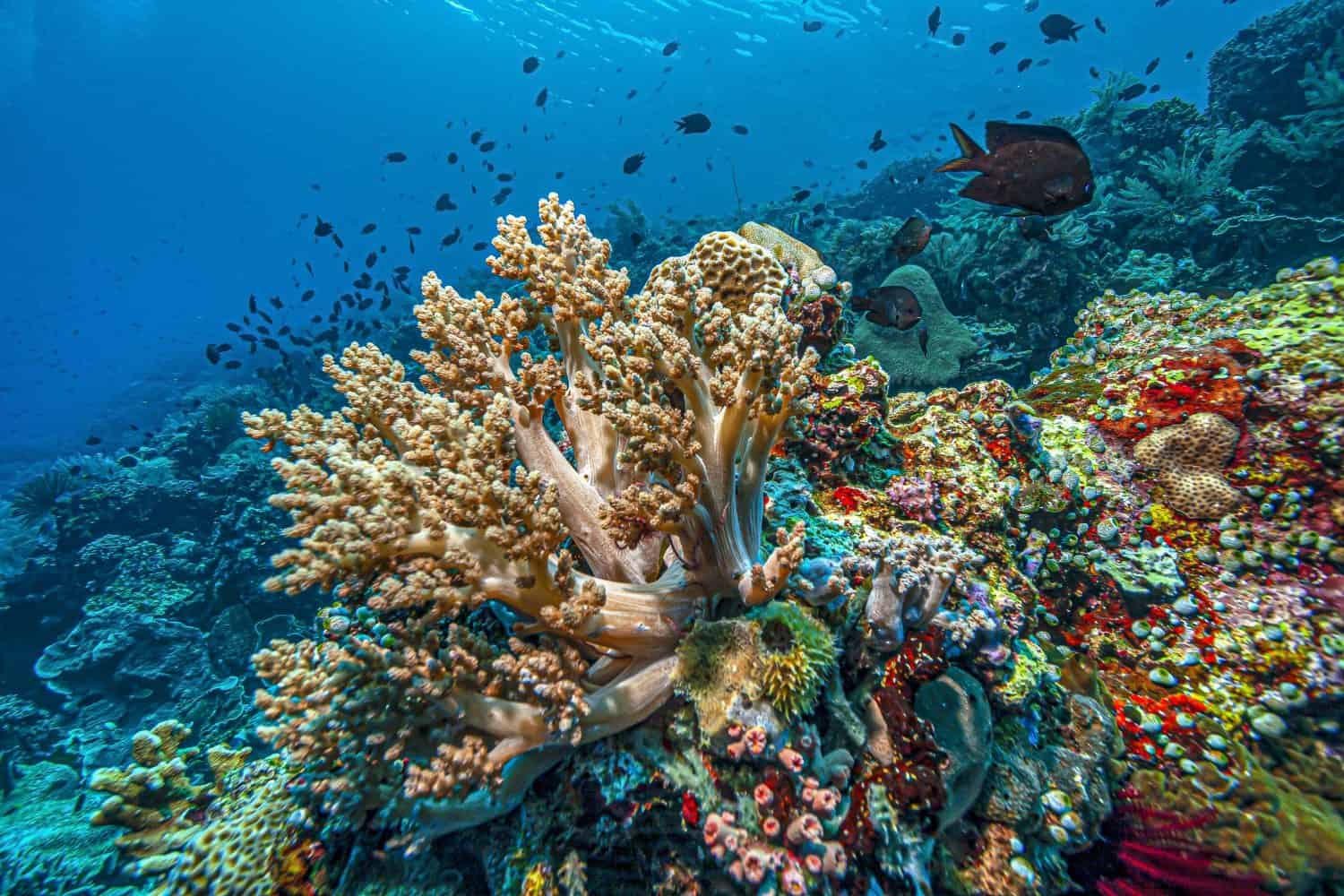
The coral reefs in Sanur are incredibly vital to Bali. While tourism is often cited as what keeps the region thriving, losing the coral reefs would still devastate the area for many other reasons.
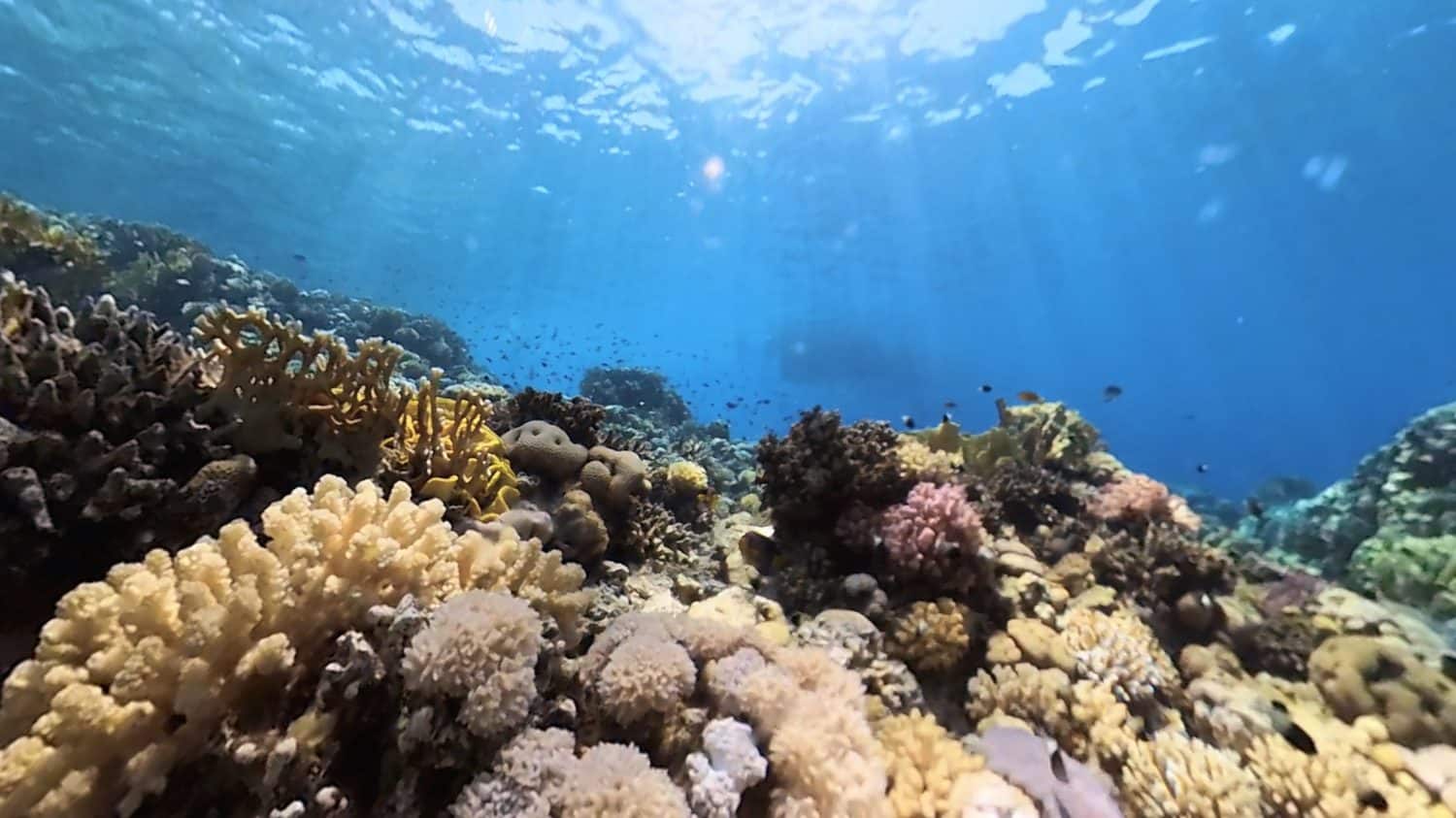
Coral reefs are important to Bali for economic, cultural, and ecological reasons.
©ElenaEgypt/Shutterstock.com
The reason why coral reefs are so important to Sanur are as follows:
- Coral reefs provide biodiversity by homing a variety of marine life
- Reefs store blue carbon, a key component in battling climate change
- Coral reefs act as wave breaks, keeping beaches from eroding
- Without the reefs as a tourism draw, the economy would suffer
- Fish in and near the coral reefs make up a good portion of the local food supply
If the coral reefs were to collapse, Sanur would suffer economic, cultural, and ecological damage. This is why changing how the region uses tourism will play a huge role in whether the reefs survive.
Is it Too Late to Save Bali’s Coral Reefs?
Given the damage the coral reefs in Sanur have sustained, many wonder whether they can be saved or whether reviving them is a losing battle. While restoring the coral reefs will be tough, experts believe there is still time to do so.
To give coral reefs a chance, a major shift in how the ocean is treated is needed. While climate change, which is hugely damaging to corals because of rising water temperatures, will not change overnight, things like stopping overfishing, pollution, and overtourism can. However, all government agencies in Sanur need to support these changes so conservation efforts are not fragmented and therefore useless.
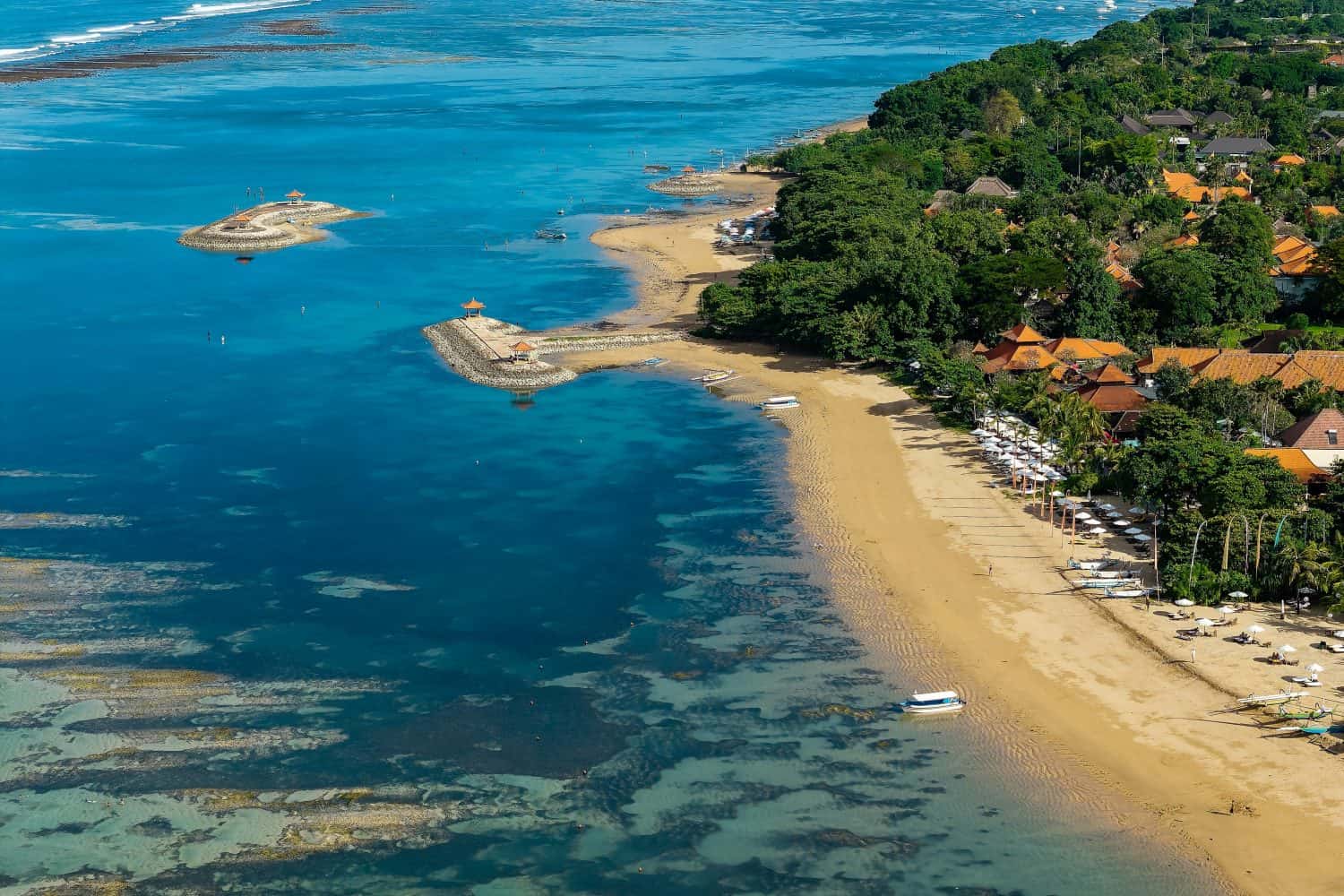
It is not too late to save the coral reef in Sanur, but the window is closing fast.
©Richard Whitcombe/Shutterstock.com
Additionally, tourism needs to shift from exploiting coral to conserving it. Instead of fishing and swimming around the coral, people can take ecotourism tours. They can also help replant and grow corals on the reef. All tourism needs to be directed at how the reefs can be saved and bring awareness to what will happen if they die.
The coral reefs in Sanur are at a breaking point. Whether the tide can be turned and the reefs restored depends on the local government, how funds are allocated, and whether the community supports conservation efforts. If there is pushback, the consensus is that time is limited for Sanur’s coral reefs. This is why conservation is needed now, while there is still a chance to save one of the ocean’s most precious resources.