
Quick Take
- A juvenile Huntsman spider was observed with a “pearl necklace,” which was later determined to be composed of larval mites.
- Juvenile Huntsman spiders are targeted by mites rather than adults because they are smaller and more vulnerable.
- The mite, Araneothrombium brasiliensis, consumes lymphatic fluid from its host.
- Araneothrombium brasiliensis, found in Brazil, is believed to be related to another larval mite, Charletonia rocciai, found in Costa Rica.
Parasites have been attaching themselves to spiders for millennia. Given the large number of spiders and the wide variety of hiding places they use in habitats around the world, many of these parasites and mites are only being discovered today. One of the most recent discoveries is a spider clutching parasites, not pearls. The spider in question is a Huntsman spider, which leaves many wondering why such a large spider was not recognized as a host for parasites for so long. However, it is not the adults of the species that attract this new mite. Instead, it is the younger, more vulnerable Huntsman spiders that become prime targets for the parasitic mite.
Why Do Juvenile Huntsman Spiders Have Parasites?
Spiders can be found in every land habitat around the world, with the exception of Antarctica. The diversity of habitats in which over 58,600 species of spiders can live is astounding. It is also because spiders can live in hot, humid, arid, and wet environments that they are key targets for parasites. This is also true for the Huntsman spider living in Brazil.
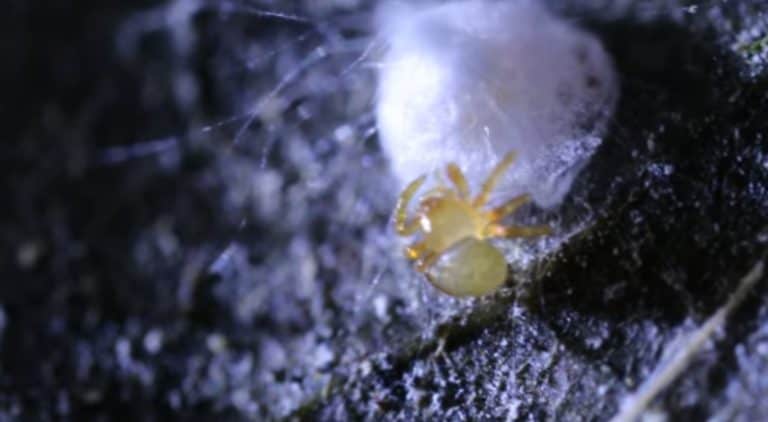
According to a study published in September 2025, Huntsman spiders were discovered by chance to have a “pearl necklace” of mites around their necks. As scientists examined spiders and scorpions, they observed a juvenile Huntsman spider adorned with an unknown creature. Upon further investigation, they were determined to be larval mites.
The mites, known as Araneothrombium brasiliensis, are particularly attracted to juveniles of this species. This is because, unlike adult Huntsman spiders, juveniles are more susceptible to parasitism.
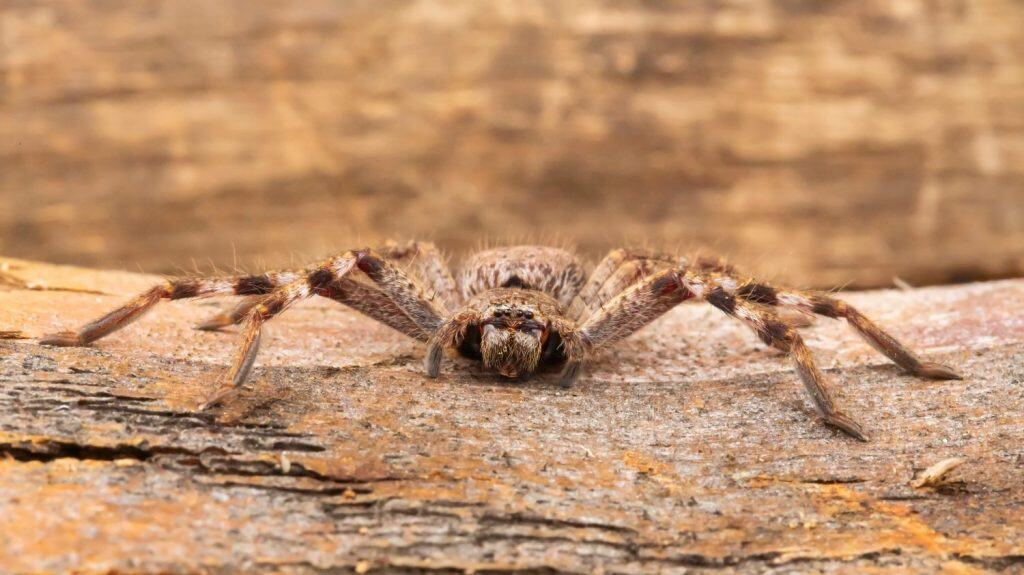
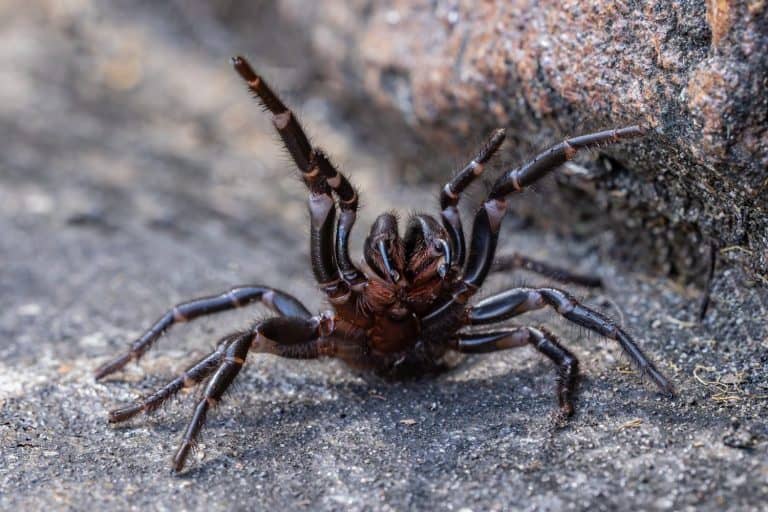
Juvenile Huntsman spiders are prime targets for the newly discovered mite that consumes lymphatic fluid.
©Wright Out There/Shutterstock.com
The mites are only half a millimeter long. Because juvenile Huntsman spiders are typically around only 0.7 inches long, the mites appear large. This is especially true when they become engorged, consuming the lymphatic fluid. The mites feed by sucking lymph through the pedicel, which lies between the abdomen and the region containing the spider’s eyes and mouth.
It is likely that the newly discovered mites have been around for quite some time. However, because juvenile Huntsman spiders are much smaller than adults, and the mites are even smaller, seeing them with the naked eye may have been impossible.
Is There a Reason the Mites Look Like Pearls?
Unlike other mites that target spiders to consume their blood, these particular mites do not feed on the spider’s blood at all. This is why, instead of being found on other parts of the spider’s body, the mites collect around the neck.
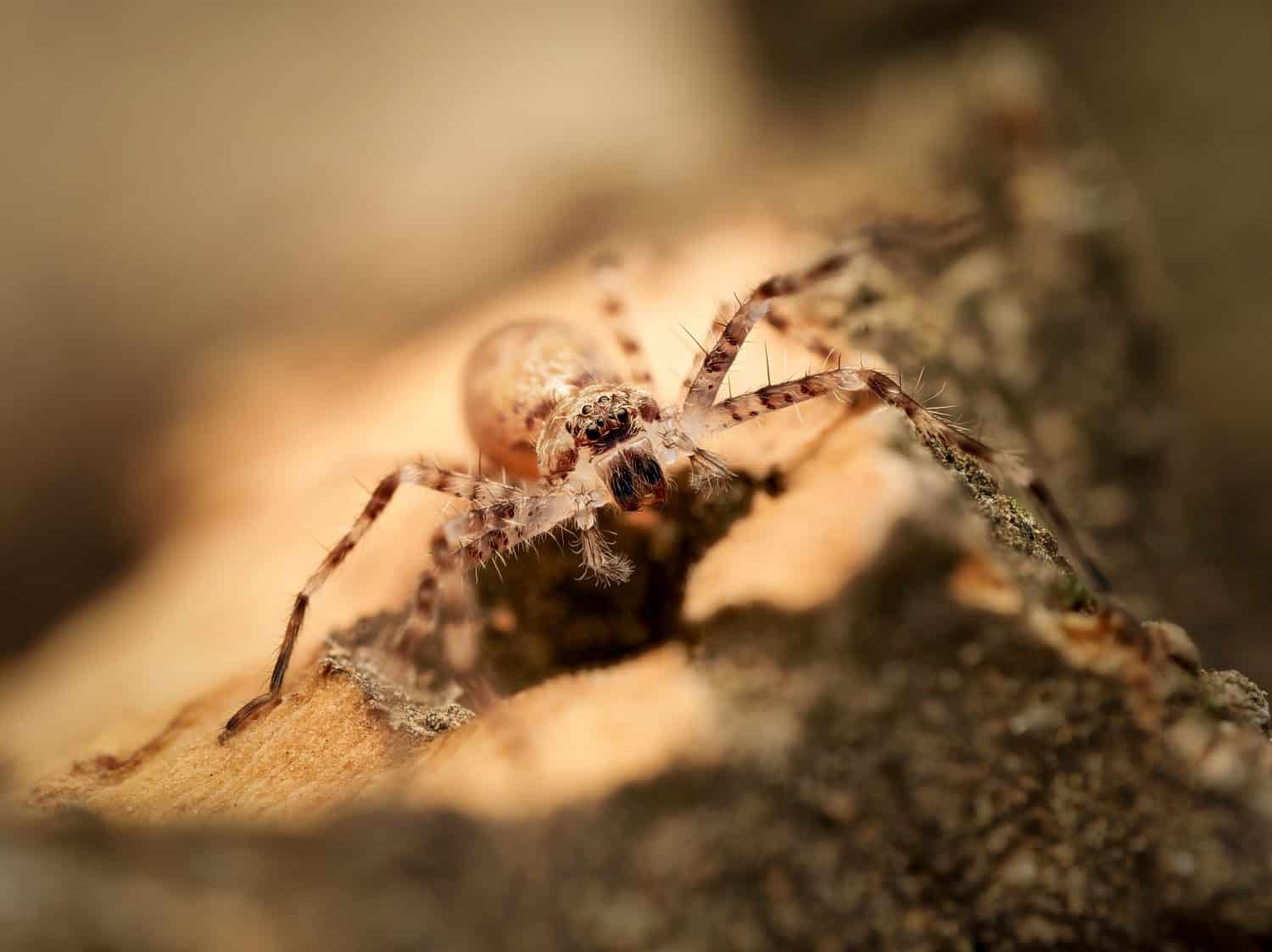
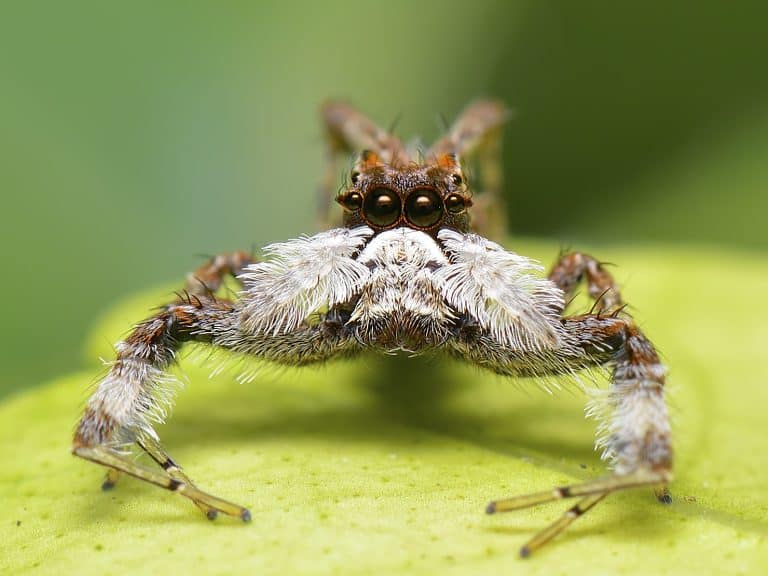
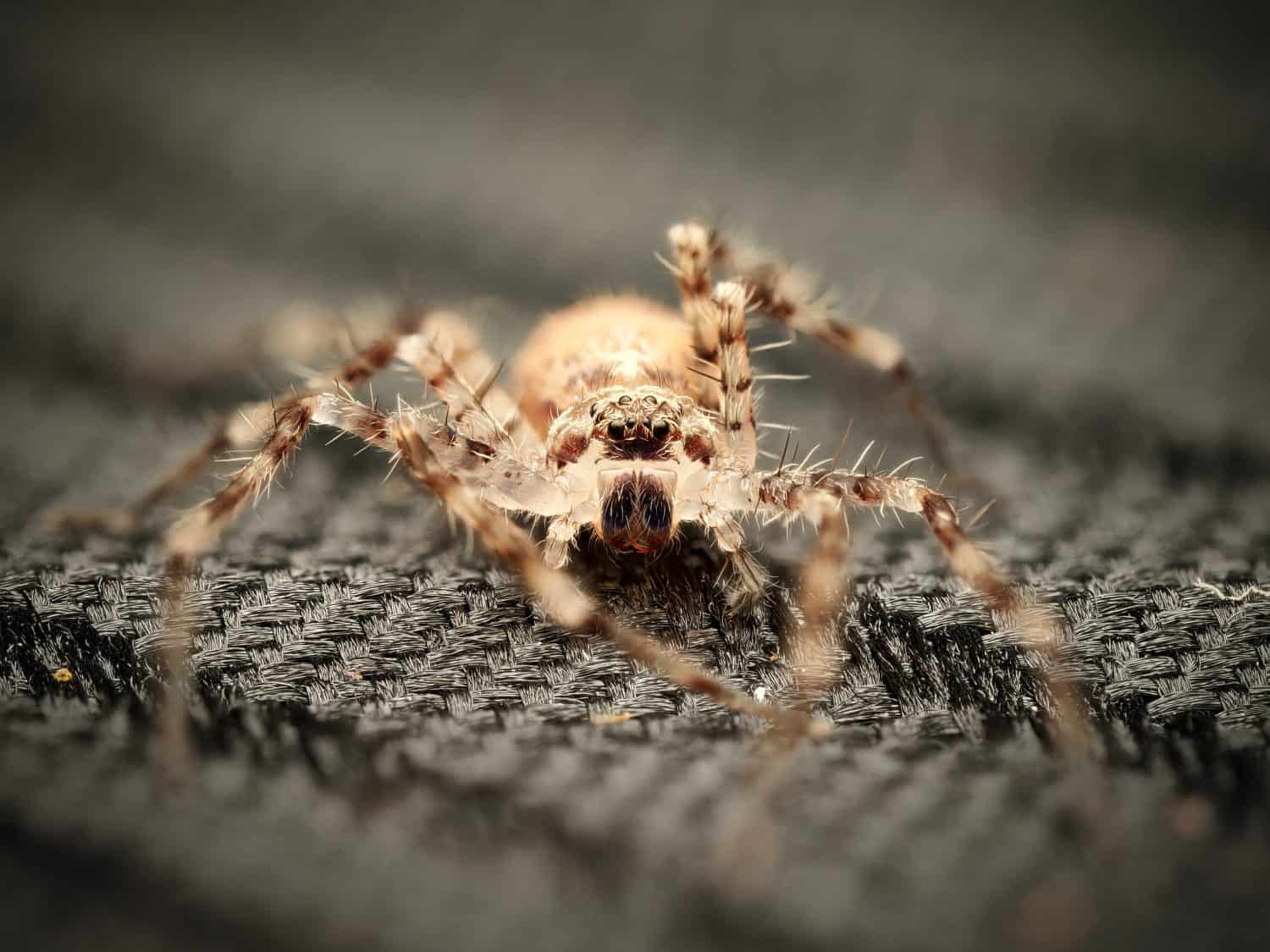
Juvenile Huntsman spiders will look like they are wearing a string of pearls when Araneothrombium brasiliensis mites attach themselves to them.
©Colombe Photographie/Shutterstock.com
The Araneothrombium brasiliensis mites are searching for lymphatic fluid. The neck is a readily accessible site for lymphatic fluid, according to Ricardo Bassini-Silva, a study co-author and researcher and curator at the Zoological Collections Laboratory of the Butantan Institute in São Paulo, Brazil. It is a vulnerable spot for the spiders.
“This is the spider’s most vulnerable region since other parts have a lot of chitin, which forms an exoskeleton difficult for the mites’ fangs to penetrate,” Bassini-Silva explains to EurekAlert!. Because of this, the mites create the appearance of a pearl necklace.
Consequences for Huntsman Spiders Having Mite Pearl Necklaces
The spider discovered with the mite pearl necklace was already deceased. Therefore, it is difficult to determine whether the mites would eventually have caused the spider’s death before it was captured and added to the laboratory collection.
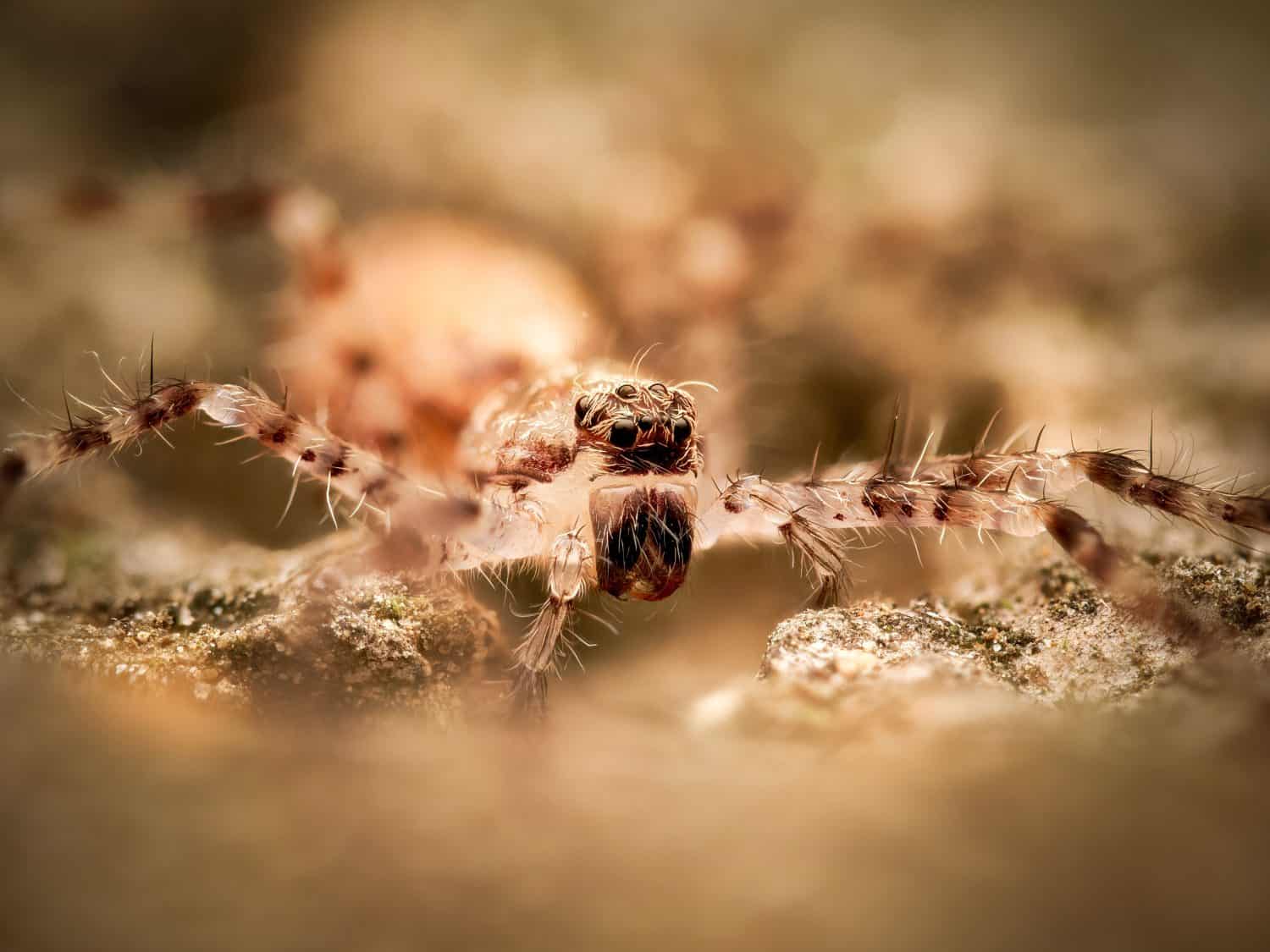
It is not yet known if the Araneothrombium brasiliensis mites are deadly to juvenile Huntsman spiders.
©Colombe Photographie/Shutterstock.com
In the case of Charletonia rocciai, a mite that consumes spiders’ blood, the parasite does not kill spiders. Instead, it relies on spiders for sustenance until it matures. Whether these newly discovered mites function in the same manner as the Costa Rican mite discovered in 2017 remains unclear. However, both become engorged while feeding on the spider. Therefore, at the very least, spiders infested with mites are left weaker. This could increase their vulnerability and potentially shorten their life expectancy.
Other Creatures May Be Affected by the Mite Larvae
As scientists learn more about the Araneothrombium brasiliensis mites that feed on the lymphatic fluid of Huntsman spiders and potentially other spiders, they are not ruling out the possibility that the mites could attack other creatures as well.
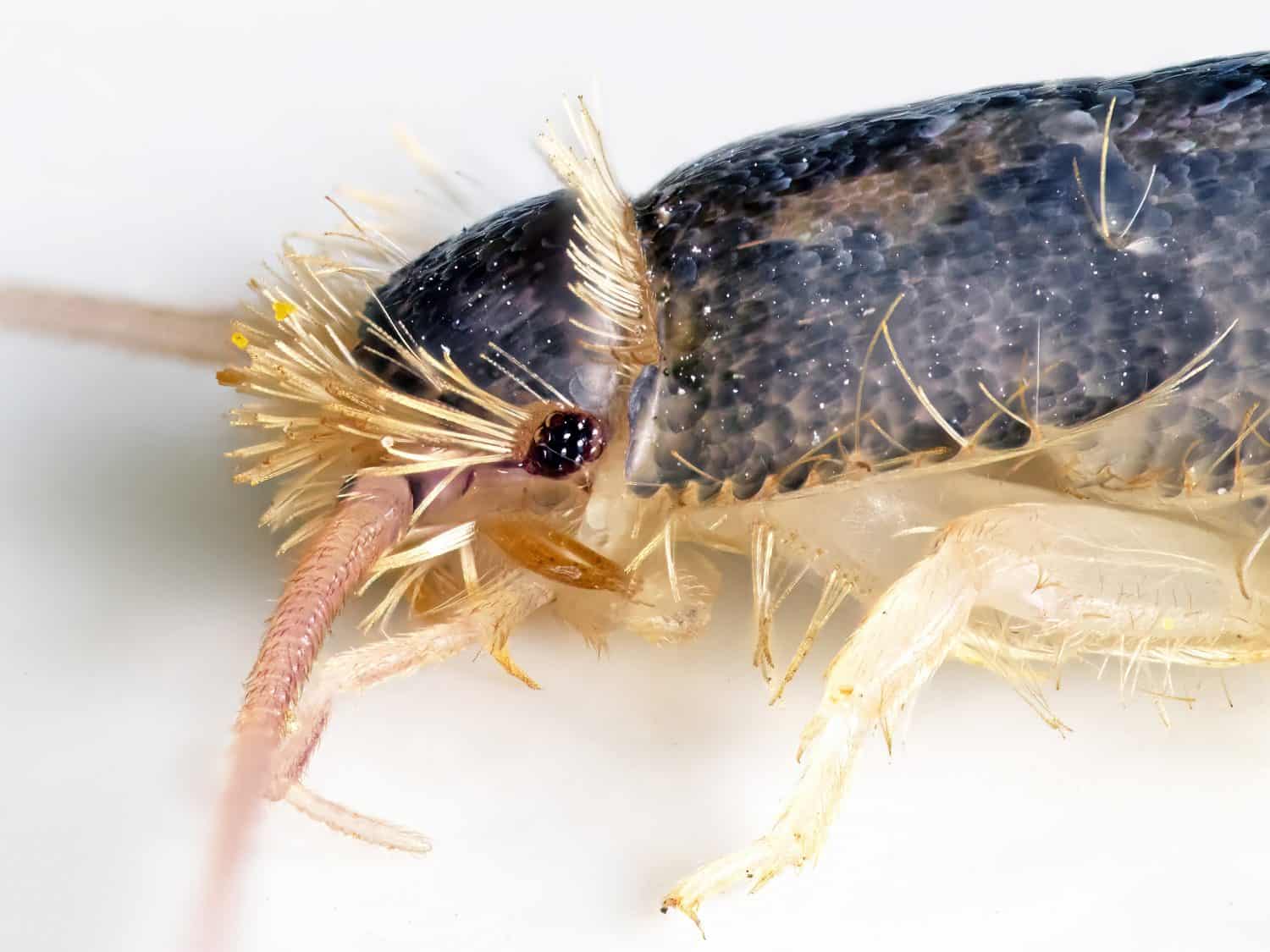
Silverfish belong to the order Zygentoma. Thysanoptera, which includes thrips, has also been known to be a target of Charletonia rocciai mites.
©Dennis Jacobsen/Shutterstock.com
If scientists examine another mite species known to attack spiders, Charletonia rocciai, they find that it targets not only spiders. Instead, according to a 2022 study published in the International Journal of Acarology, it is known to attach itself to other arthropods. Since Charletonia rocciai targets two different orders—Coleoptera and Thysanoptera, which include beetles and wingless insects—it is possible that this newly discovered mite may have the capacity to do the same.
The key difference between Charletonia rocciai and Araneothrombium brasiliensis is that the former feeds on blood, while the latter requires lymphatic fluid. The mite Araneothrombium brasiliensis requires lymphatic fluid. It remains unclear whether the mites require lymphatic fluid specifically from arachnids or if they can feed on the lymphatic fluid of other species.
Are Parasitic Mites Deadly to Spiders?
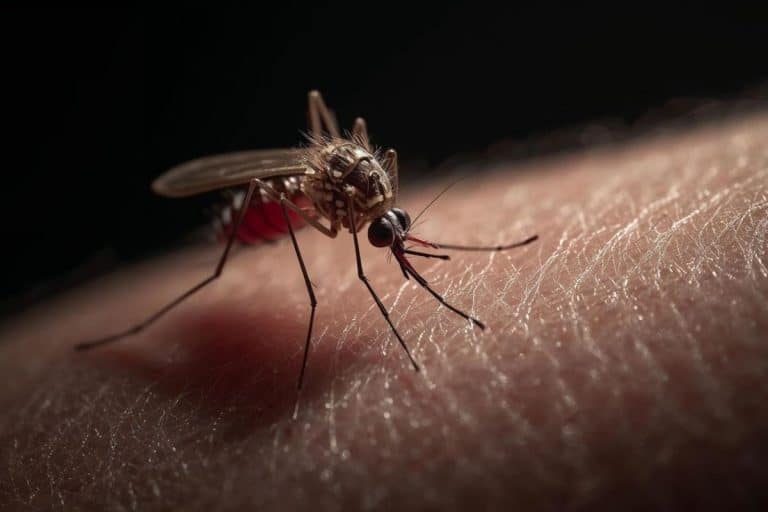
The most common parasitic mites that attach themselves to spiders consume the spider’s blood in order to survive. While this does not directly kill the spider, the presence of mites can directly affect its health, making it more vulnerable than other spiders in its species to predation and other environmental factors.
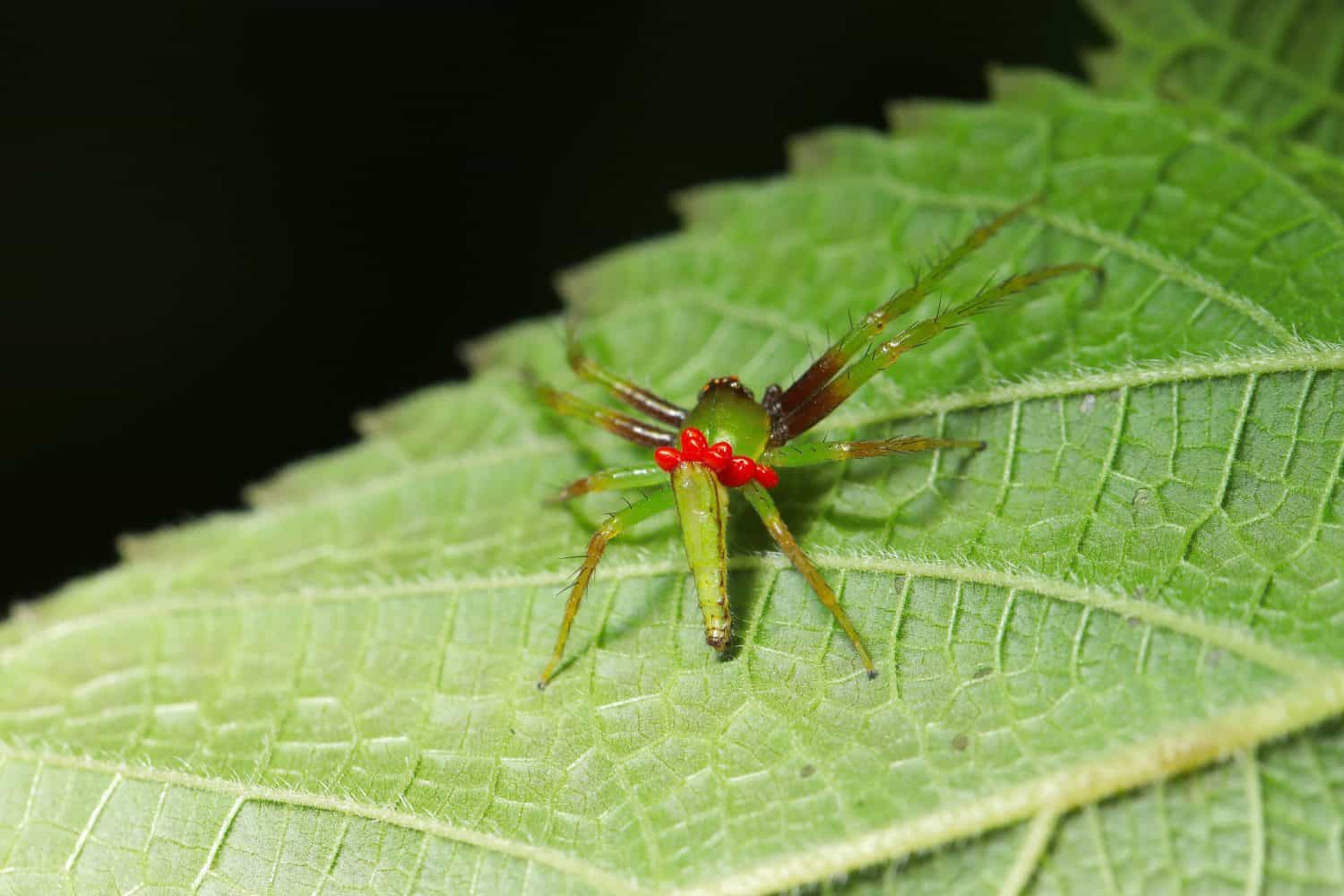
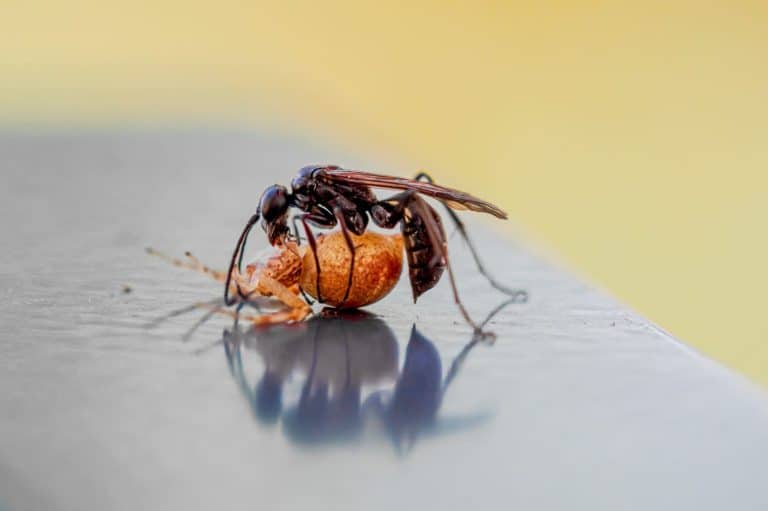
Mites, as seen on this spider, consume blood. It is not yet clear how lymph-consuming Araneothrombium brasiliensis mites affect the lifespan of spiders.
©SAI A.D.A/Shutterstock.com
In the case of the lymph-consuming mites, it is unclear whether spiders die from the mites or remain compromised hosts until the mites mature into adults. Once they become adults, the mites live in the soil, feeding on other creatures. The Araneothrombium brasiliensis mites on the Huntsman spider were completely engorged. Therefore, they had been feeding on their host for an extended period. Whether this killed the specimen on which scientists discovered the mites is unclear and was not disclosed by the study.
After discovering the mites on the Huntsman spider, researchers believe these mites may thrive in environments such as caves and grottos, similar to the mite found in Costa Rica in 2017. This would mean these parasitic mites are far more widespread than originally believed. As a result, researchers are actively searching for live Huntsman spiders and other potential hosts with intact mites to better understand how these mites function and how they impact their hosts.