
Quick Take
- The bite isn't what you should worry about. These giants have a far stranger and more irritating defense mechanism. About urticating hairs →
- Female and male Pamphobeteus tarantulas have wildly different lifespans. The gap is so extreme it barely seems like the same species. See the lifespan gap →
- Every time this tarantula molts, something remarkable happens to its size, and it doesn't take long. Explore the molting process →
- These are among the largest spiders on Earth, yet their hunting strategy relies entirely on patience rather than power. See their hunting behavior →
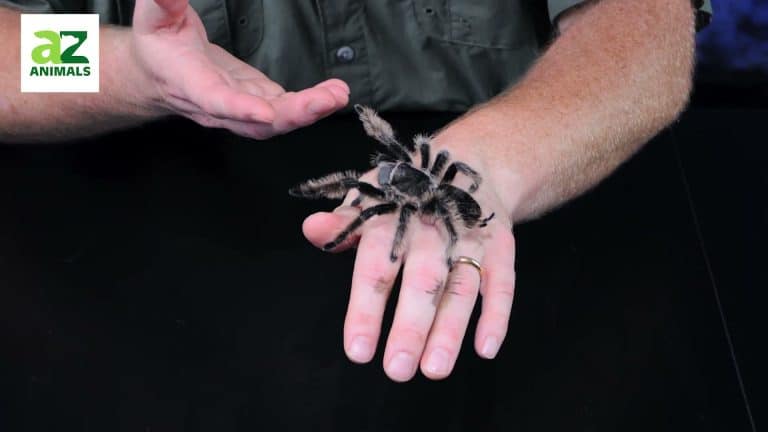
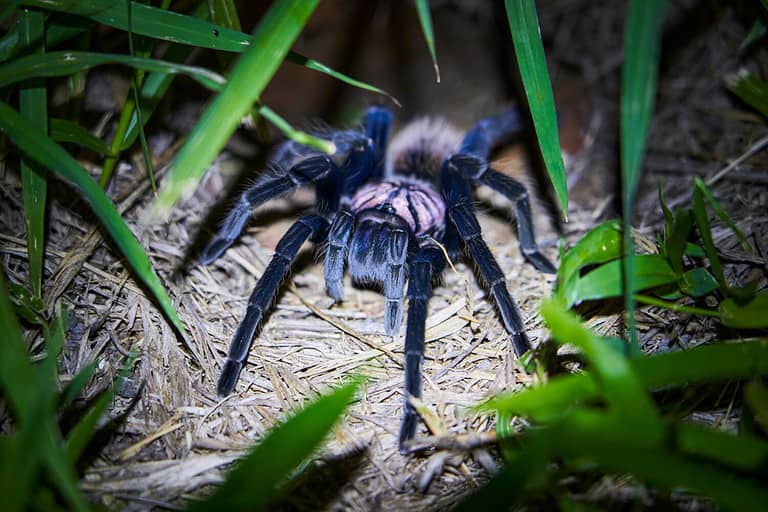
Not all big spiders are dangerous, even though they look quite scary! The sweet but massive tarantula in this incredible Instagram post is huge but rarely attacks humans. She appeared comfortable being handled and filmed before she was returned to her original location. Let us tell you more about her.
Pamphobeteus Tarantulas Are Massive
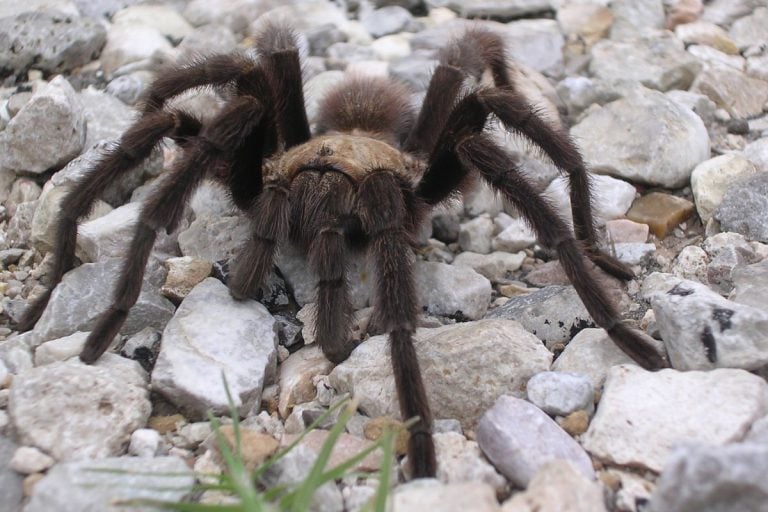
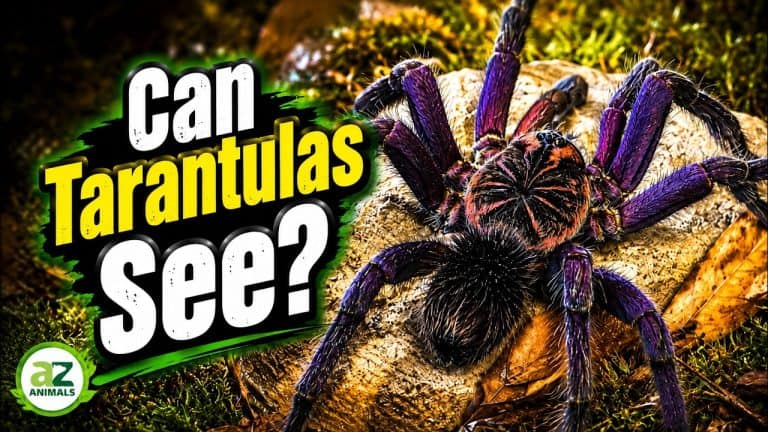
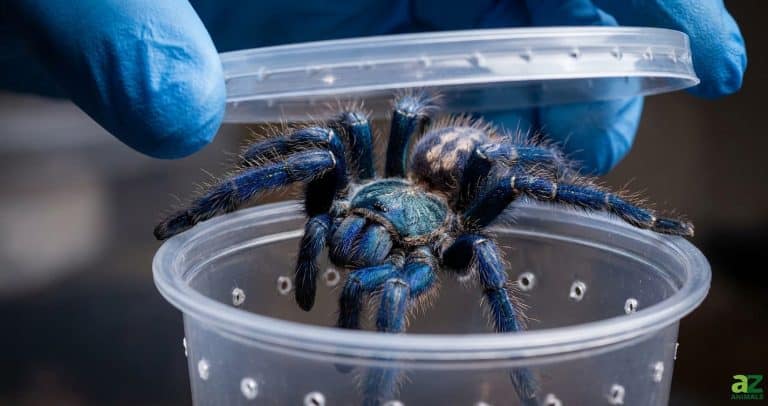
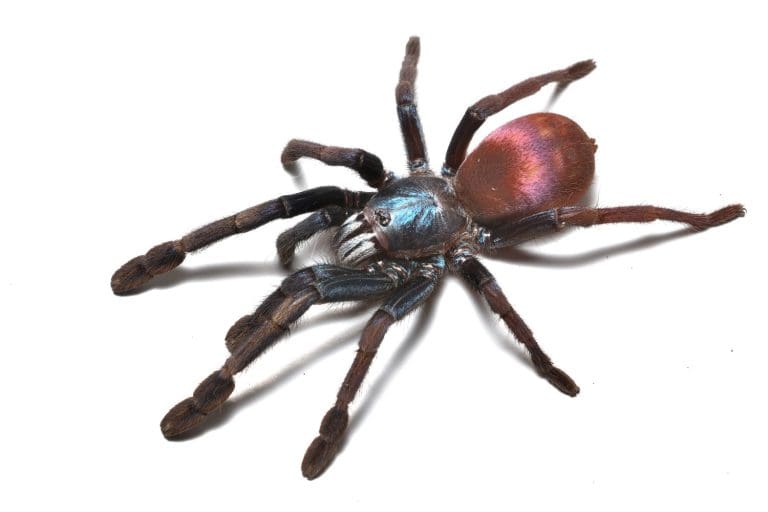
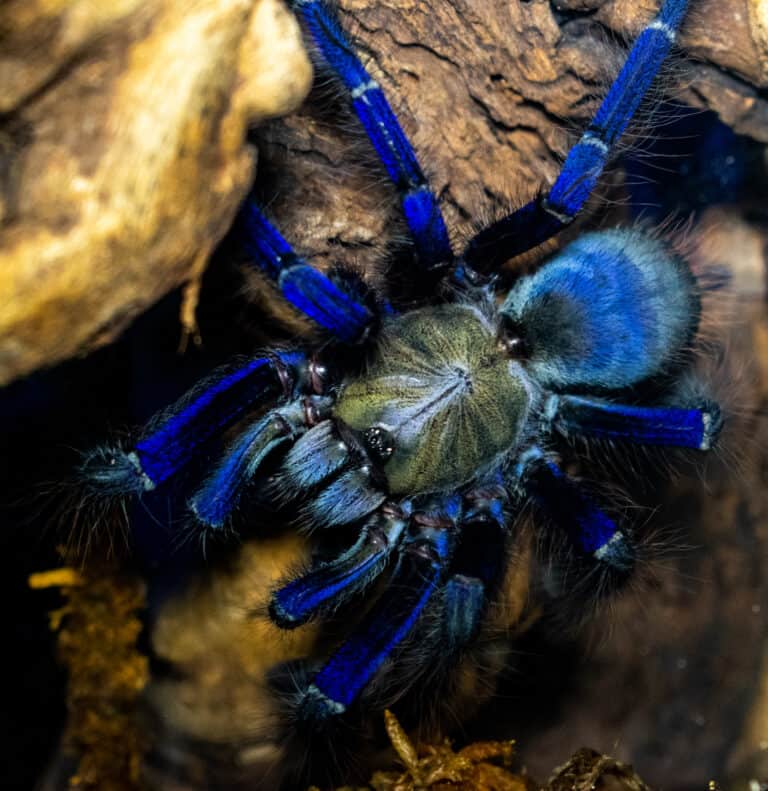
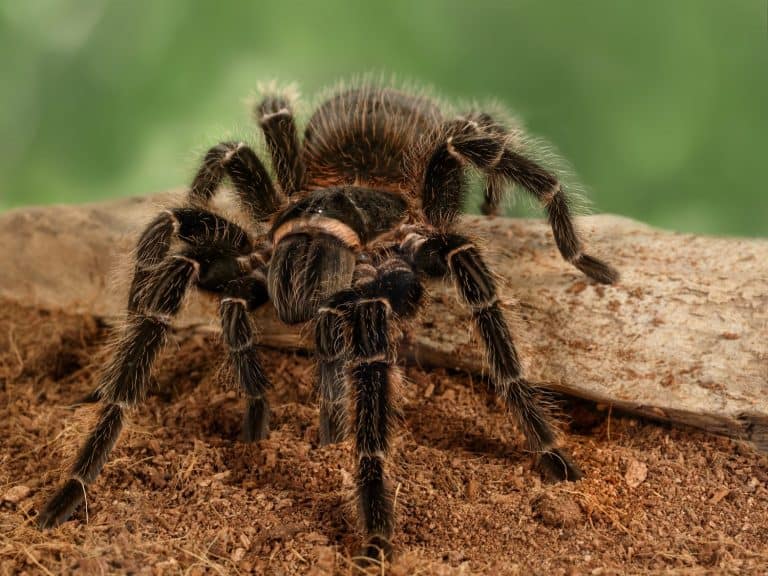
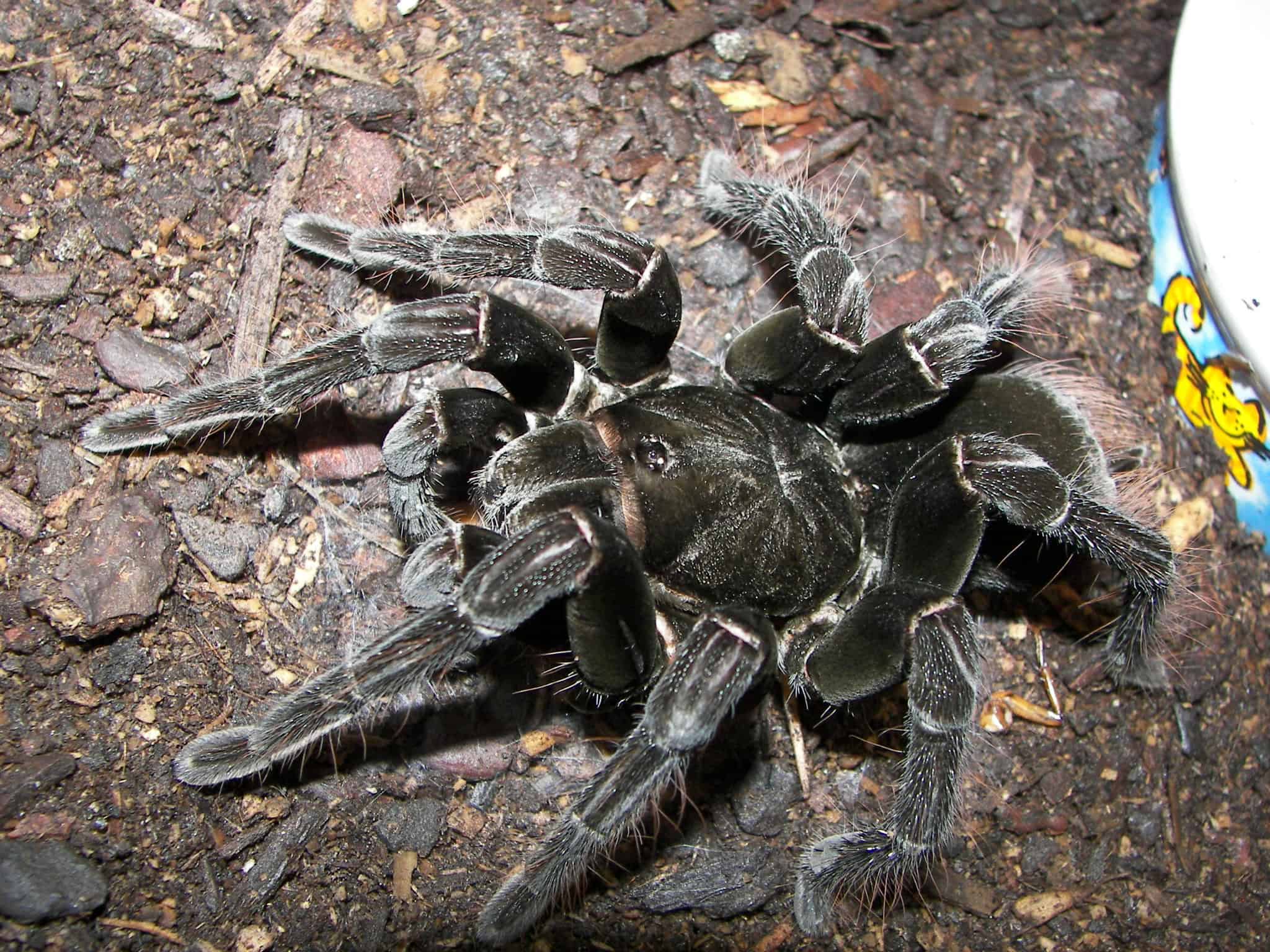
The Pamphobeteus genus of tarantulas includes some of the largest spiders in the world. Some of them have a leg span of 6 inches! They are stocky spiders with thick legs and can range in color. Some have blue or even pink markings.
They are nocturnal hunters who wait quietly at the entrance to their retreat for prey to walk past and then ambush them. Their diet is made up of large insects, small lizards, and the occasional rodent. These large and powerful spiders are capable of overpowering prey much larger than themselves.
Are These Tarantulas Dangerous?
To their chosen prey, they are deadly, but to humans, they cause little harm. As seen in the clip, a girl is confidently handling one of these tarantulas. They can bite, but it is uncommon, and their venom causes only a little localized discomfort. More concerning is their ability to ‘flick’ their urticarial hairs as a defense mechanism against threats. These hairs are barbed and cause irritation when they come into contact with your skin. If inhaled, these hairs can cause respiratory irritation.
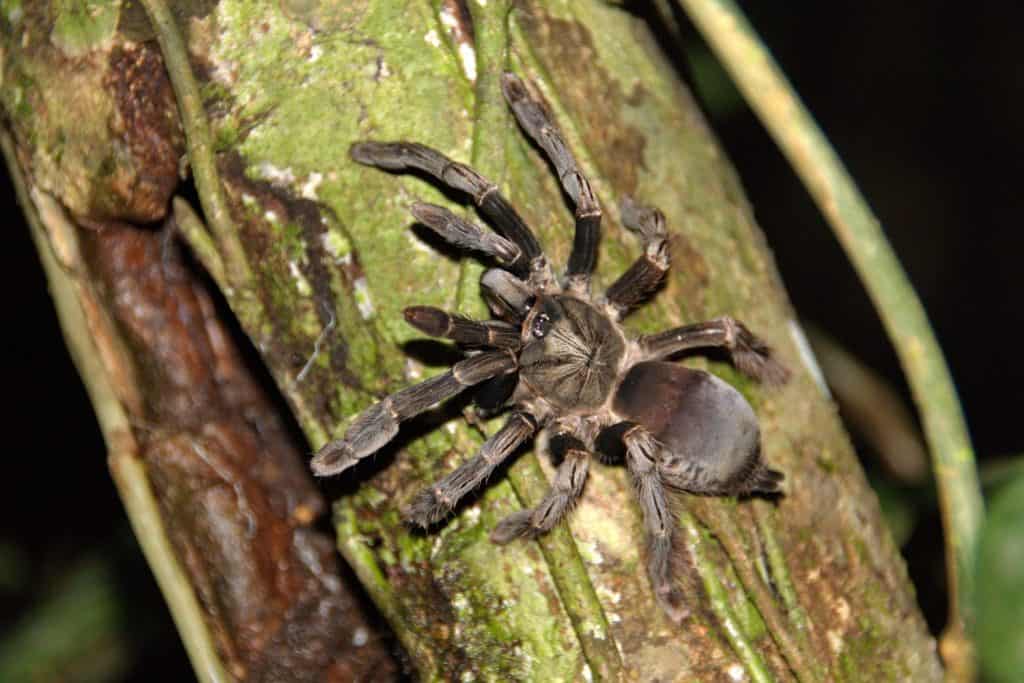
Pamphobeteus ultramarinus is known as the Ecuadorian birdeater.
©Angela N Perryman/Shutterstock.com
Pamphobeteus Size and Growth
Many species in this genus have a lifecycle marked by slow growth rates and remarkable longevity in females. Hundreds of spiderlings emerge from a large egg sac and take between four and six years to reach maturity. Every time they molt, they get a lot bigger! Females can live for 25–30 years in captivity, but males survive for only two or three years.
Where Are These Spiders Found?
The tarantula in this clip was found by Manu Biological Station at Pillcopata, Paucartambo, Cusco, in Peru. Pamphobeteus are found in northwestern South America, which includes Colombia, Ecuador, Peru, Bolivia, and Brazil. They live in rainforests but do not climb that well, so they are found on the forest floor. The beautiful spider featured in the clip was returned to her habitat shortly after the footage was captured.