
Quick Take
- Cleaner water brought wildlife back, though not every species benefited equally. Discover the wildlife comeback →
- 55 years of water quality data tells a story most people wouldn't predict about what pollution reversal actually looks like in practice. Explore 55 years of data →
- One illegal act in 2024 wiped out tens of thousands of fish, and in doing so exposed exactly how much is still at stake in Ohio's recovering rivers. Read about the 2024 fish kill →
A new study out of Ohio proves that clean water initiatives aren’t just ideas — they actually work. The study was led by senior author Casey Pennock and co-author Lindsey Bruckerhoff, along with a research team from Ohio State University’s aquatic ecology lab. The team compared water quality from 55 years ago with that of today, and their findings were clear: water pollution can be reversed.
What Is the Clean Water Act?
When Ohio’s Cuyahoga River caught fire in 1969, it was a wake-up call. Flammable industrial waste had been leaking into the river for decades, making it a severe fire hazard. When the oil slick went up in flames near the Republic Steel mill, no one anticipated a $100,000 bill or the resulting environmental damage. And sadly, this wasn’t the first time the river experienced a devastating fire.
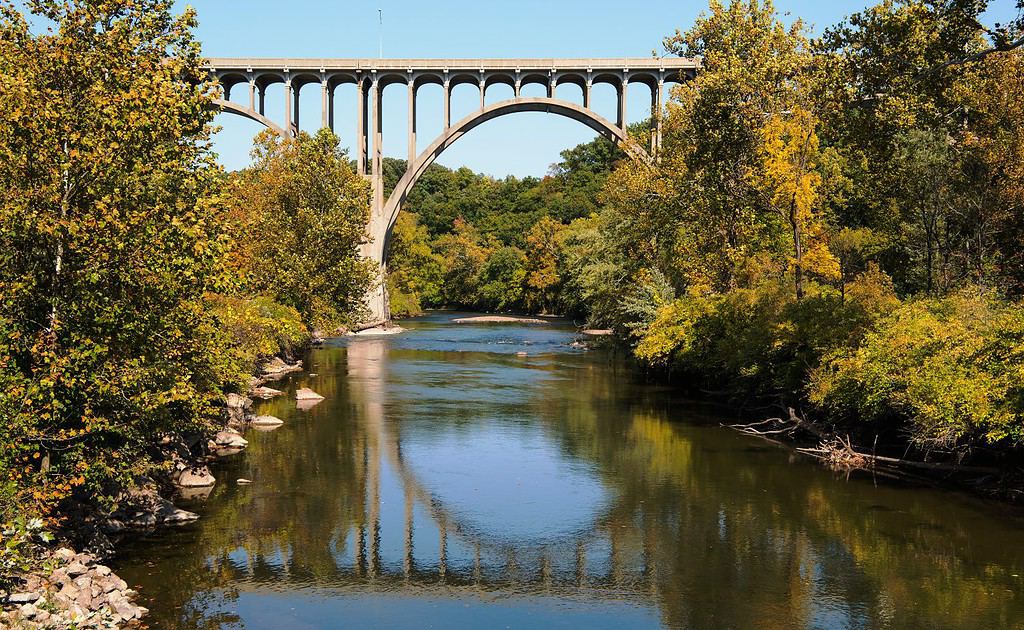
The Cuyahoga River has a long history of pollution, but the Clean Water Act is giving it a second chance and a new ecosystem.
©Ralf Broskvar/Shutterstock.com
This man-made disaster prompted lawmakers to re-examine their environmental protection policies. Specifically, those regarding clean water. Four years later, the Clean Water Act was signed into law. Since 1972, the United States Environmental Protection Agency has enforced this act to improve water quality. And now, it seems the efforts over the last five decades have paid off. Ohio’s rivers are not only cleaner but are also supporting a new generation of aquatic life.
Ohio’s Clean Water Results Are Evidence
The Ohio State University study analyzed water quality tests dating back to 1970. The data were compared to those as recent as 2023, and researchers paid close attention to several aquatic species:
- Fish
- Aquatic insects
- Freshwater mussel communities
The first few result sets showed unnaturally high levels of lead, zinc, and ammonia. These pollutants are highly toxic to aquatic life. Water with these conditions is not conducive to sustaining any of the above species, nor does it support the introduction of new aquatic life. The study showed that native river species had the lowest population numbers during the earlier decades. This was attributed either to die-off or to the species moving elsewhere to find better water conditions.
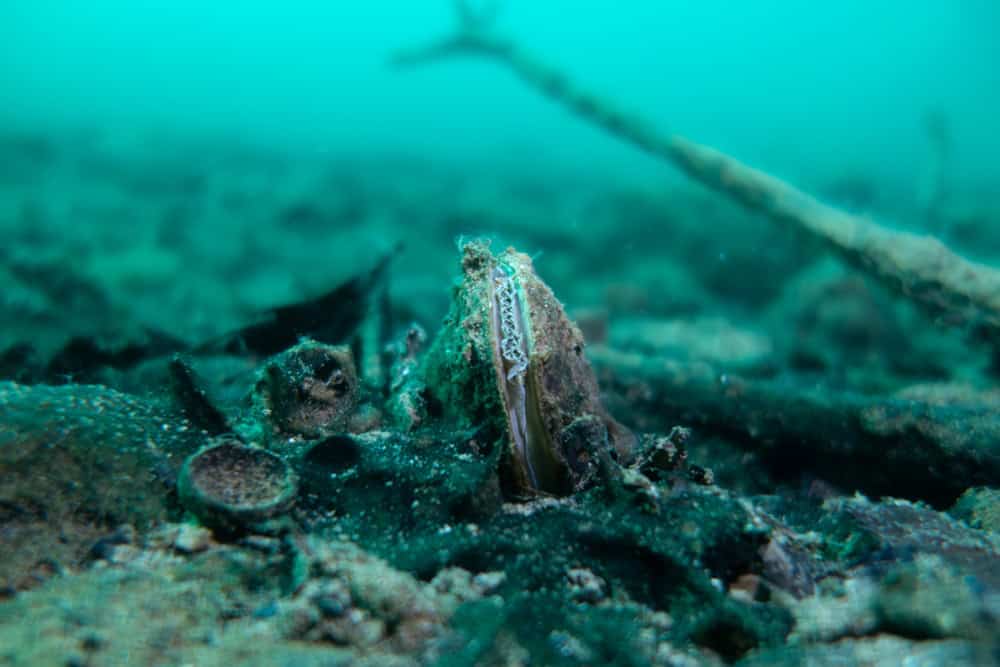
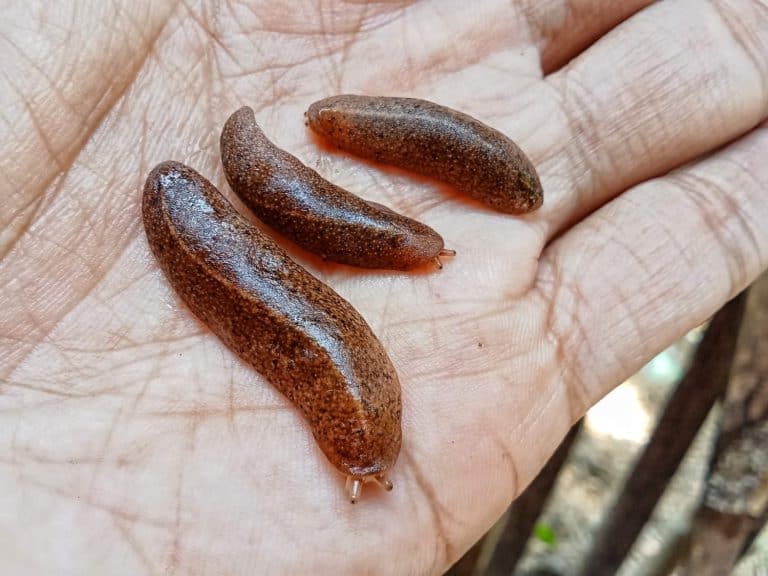
Freshwater mussels are picky about their living conditions, and won’t survive even in low levels of pollution.
©P. Fromentin/Shutterstock.com
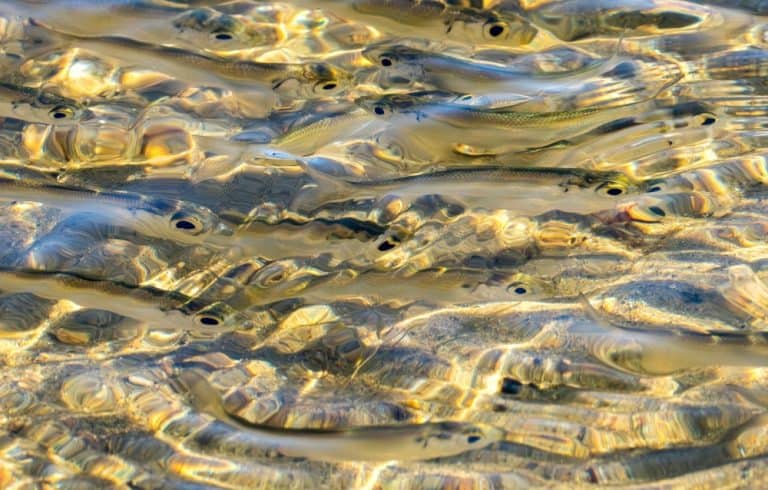
As time went on, researchers discovered something incredible. In the decades following the Clean Water Act, 71 fish species and 171 insect groups began to rebound. Species populations increased slowly, with fish and aquatic insects becoming more abundant in rivers like the Cuyahoga. The only decrease observed was among a select number of species that are especially sensitive to water quality.
However, freshwater mussels reacted to cleaner water a bit differently.
The Future of Ohio’s Rivers
Freshwater mussels require very specific conditions to survive. Their habitat must have pristine water, high oxygen levels, plenty of host fish, and a sandy or fine rock substrate. Freshwater mussels are also highly sensitive to metals, which is partly why they declined in Ohio’s large river basins. The species is also affected by the chain reaction caused by pollution. When the Cuyahoga River reached toxic levels of industrial waste, the food source for freshwater mussels also died off. Their dwindling numbers were the first indication that something was wrong.
Based on the study, nine freshwater mussel species studied had rebounded in Ohio’s rivers, while the other ten showed population declines. Researchers determined that this was due to ecological diversity. While some species began thriving in cleaner water conditions, others were even more pressured to compete. In this instance, the more resilient freshwater mussel species recovered, while others continued to decline in number.
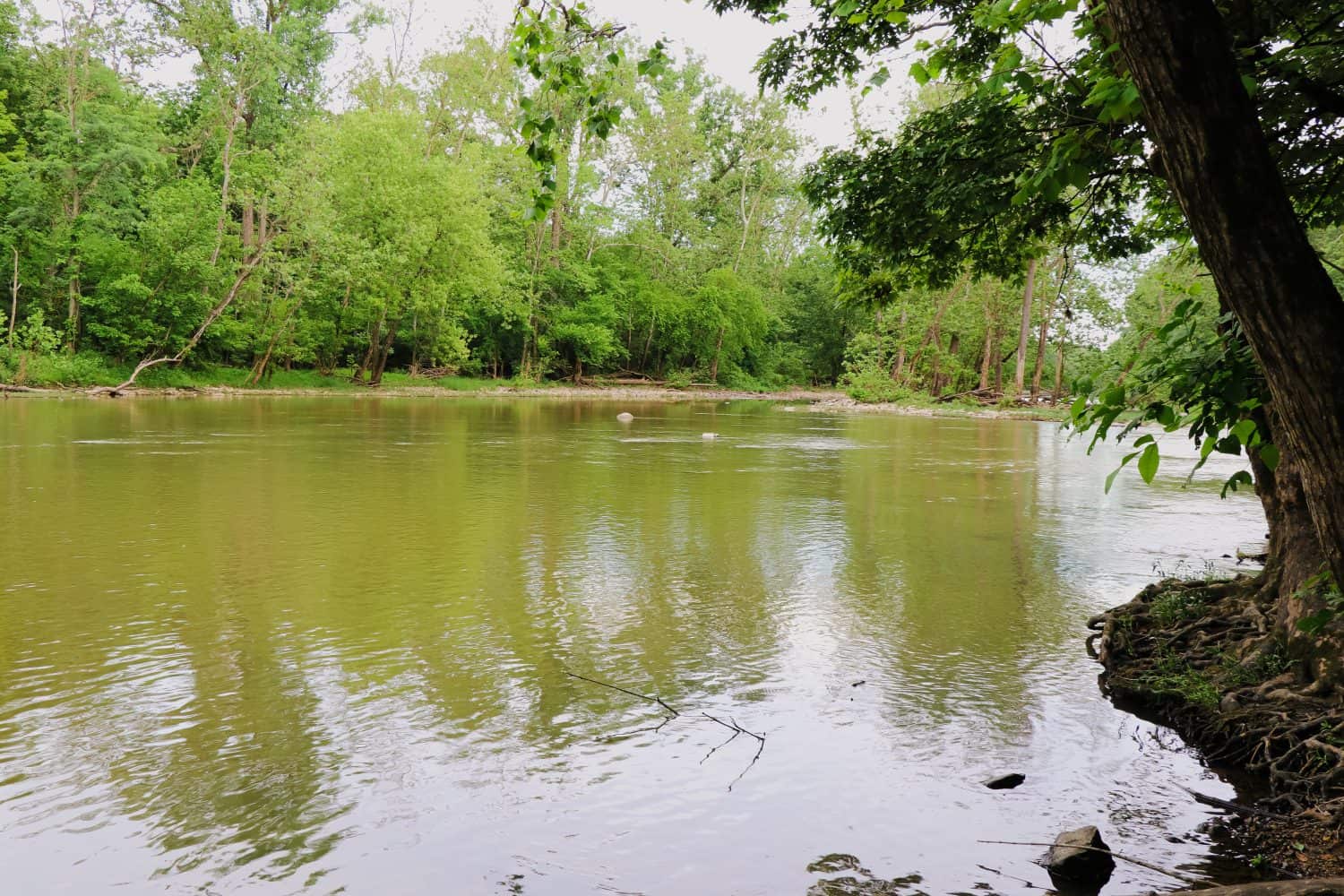
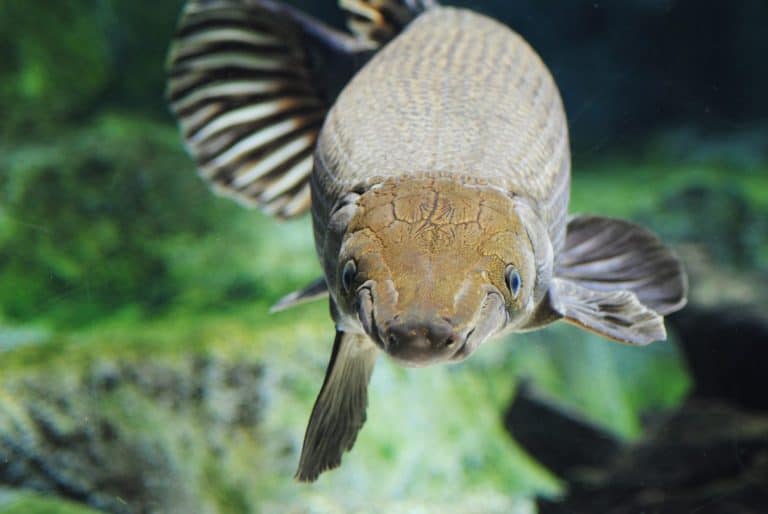
The Scioto River saw significant water quality improvements following its wastewater upgrade, but nearly lost these gains due to a negligent act in 2024.
©Crystalp0522/Shutterstock.com
While there’s still work to be done, the Clean Water Act has helped more than just the Cuyahoga River from an uncertain fate. The Scioto River has seen a significant improvement in water quality following a $200 million municipal wastewater upgrade. As with Ohio’s other major rivers, this upgrade drastically reduced heavy metal pollution in the water.
Ohio Enforces the Clean Water Act
The state of Ohio continues to monitor river water conditions and enforce Clean Water Act laws when needed. In 2024, illegal dumping resulted in a $5,000 fine for one Ohio operator. Sadly, the Scioto River lost 43,094 fish. The responsible individual was sentenced to 12 months’ probation and 150 hours of community service, in addition to the fine, for violating the Clean Water Act. However, if not for the Clean Water Act, this section of the Scioto River would likely be uninhabitable following the contamination.