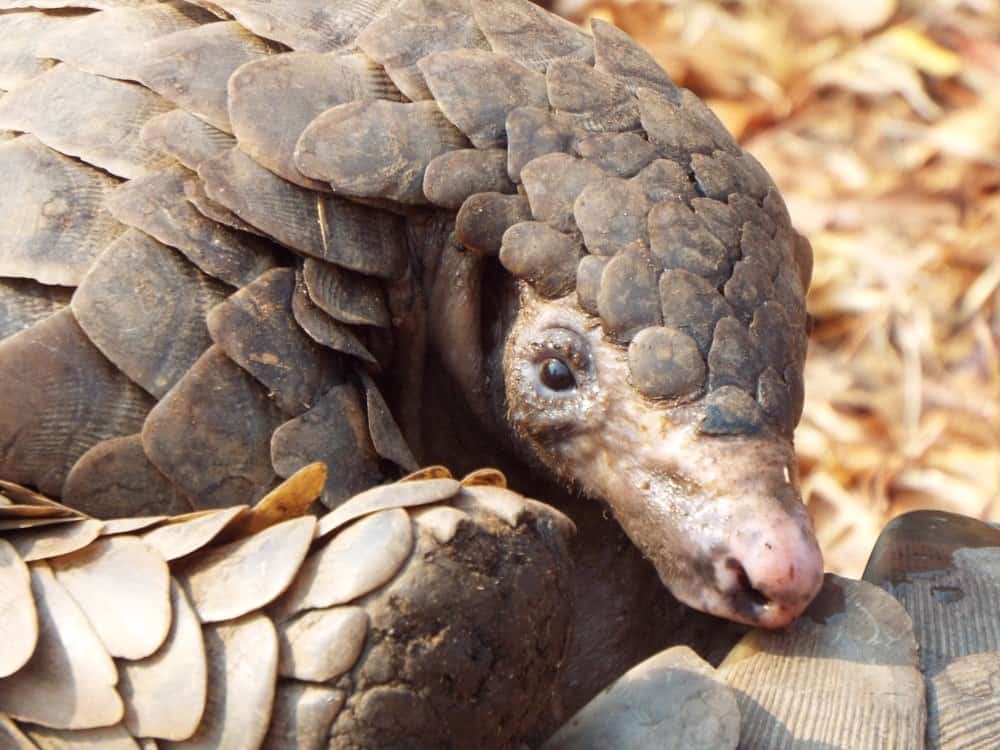

The U.S. Fish and Wildlife Service has proposed that seven species of pangolin be protected under the Endangered Species Act. Pangolins are often poached for their meat and scales. The World Wildlife Fund (WWF) calls pangolins the “most trafficked mammal in the world.” Although pangolins are native to Asia and Africa, the Endangered Species Act protects endangered species not only in the U.S. but also in other parts of the world.

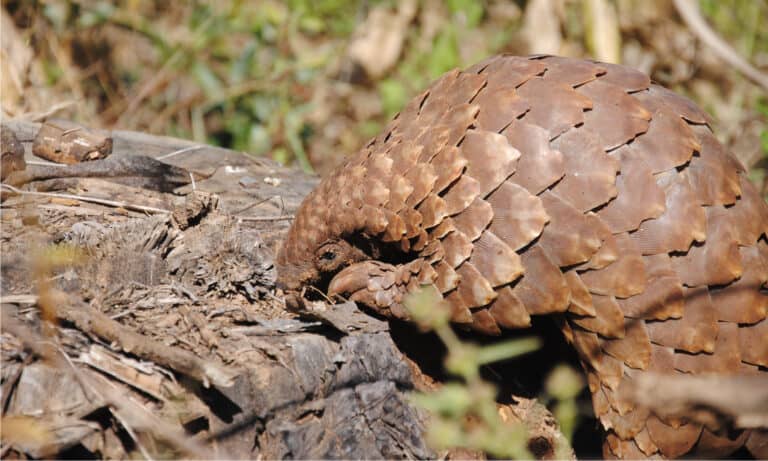
Pangolins, also known as scaly anteaters, eat a diet of termites, ants, and larvae.
©Agus_Tri1975/Shutterstock.com
What Are the Threats Facing the Pangolin?
Pangolins face threats from both habitat loss and climate change. However, the biggest danger to their survival is illegal wildlife trafficking. According to the American Wildlife Foundation (AWF), 2.7 million pangolins are killed every year by poachers.
According to a press release from the U.S. Fish and Wildlife Service, “Pangolins are particularly vulnerable to wildlife trafficking due to their slow and peaceful demeanor. With limited defenses beyond their scaly exteriors, they often roll into a ball when threatened.”
Although some people mistake the scaly animals for reptiles, pangolins are mammals. Despite their tough exterior and hard scales, pangolins are incredibly adorable. Sadly, those protective scales are widely used in Chinese medicine, and their meat is considered a delicacy in many parts of the world.
The U.S. government has already placed one species of pangolin on the Endangered Species List. The government’s latest proposal would add the other seven pangolin species to the list.. A species is classified as endangered when experts believe it is at risk of extinction throughout all or most of its native range.
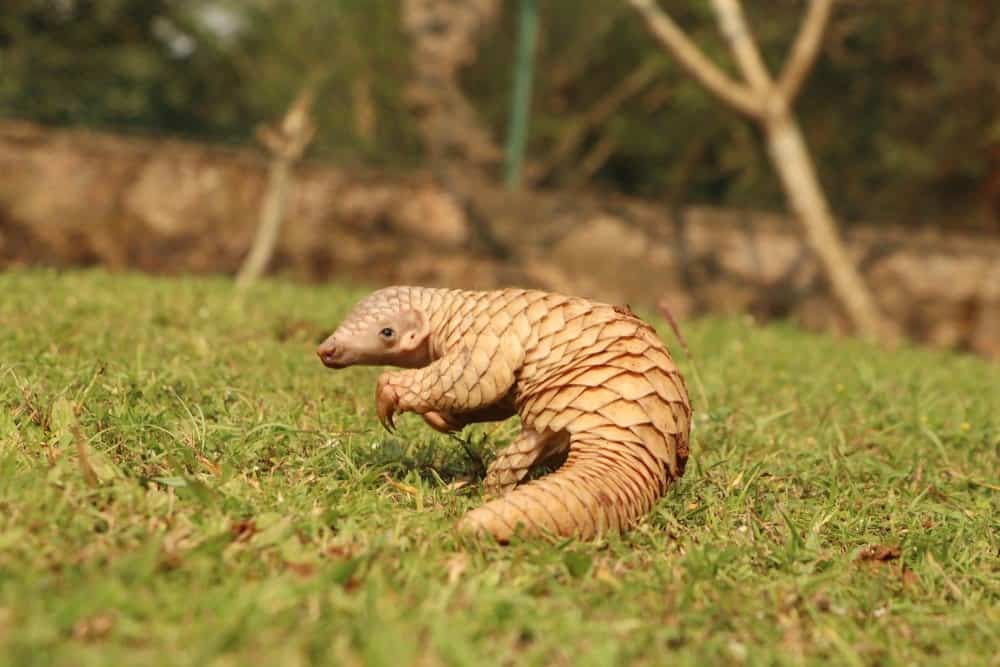
Pangolin babies drink their mother’s milk for their first few months of life.
©Positive Snapshot/Shutterstock.com
What Are the 8 Species of Pangolin?
The African species, the ground pangolin (Temminck’s pangolin), is listed as ‘Vulnerable’ by the IUCN Red List, but is classified as endangered under the U.S. Endangered Species Act. The other seven species that are being proposed to be added to the list include four Asian species and three African species. These include:
- Chinese pangolin
- Indian pangolin
- Sunda pangolin
- Philippine pangolin
- White-bellied pangolin
- Black-bellied pangolin
- Giant pangolin
The Endangered Pangolin: How Illegal Pangolin Sales Fund Drug and Trafficking Crimes
According to the press statement from the U.S. Fish and Wildlife Service, “Pangolins are heavily targeted by poachers and criminal organizations. The proceeds from the illicit sale of pangolins and other imperiled species often fund serious crimes, including drug and arms trafficking. This proposed listing reaffirms the Service’s commitment to protecting these magnificent species and ensures the United States does not contribute to their continued decline.”
Illegal wildlife poaching is a serious business. The National Museum of American Diplomacy estimates that illegal poaching and sales of wildlife bring in around $10 billion to organized crime networks around the world. Pangolins are targeted mainly for their scales, which can bring in $3,500 per kilogram on the black market. Considering a single pangolin may have around 1,000 scales, we can see why organized crime networks are highly motivated to capture and kill pangolins.
How Pangolins Defend Themselves From Predators
Pangolins are completely covered in hard scales made of keratin, the same substance as our fingernails. Their only defense when threatened by predators is to curl themselves up tightly into a ball of armor. This makes them hard to eat for many predators.

Curling into a tight ball makes a strong defense against natural predators, but not so much against human poachers.
©Taryn Slabbert/Shutterstock.com
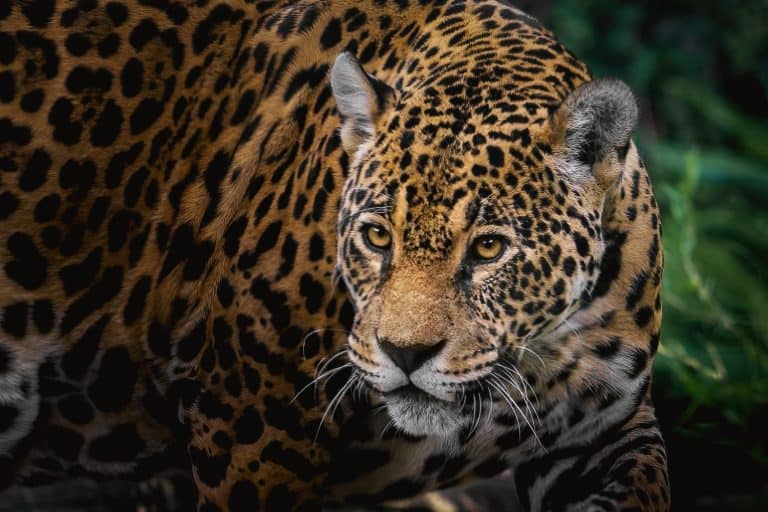
Pangolins’ main natural predators are large cats, such as lions, tigers, and leopards, which are capable of breaking through their hard armor. Even these powerful predators sometimes have difficulty breaking into the pangolin’s hard shell. If the big cat gives up and moves on, the pangolin can safely unroll and walk away unharmed. However, this defensive behavior, which is fairly effective against predators, makes them very easy prey for poachers. When frightened, pangolins curl into balls and remain motionless, making them easy targets for poachers.
Why Are Pangolin Scales Highly Sought After?
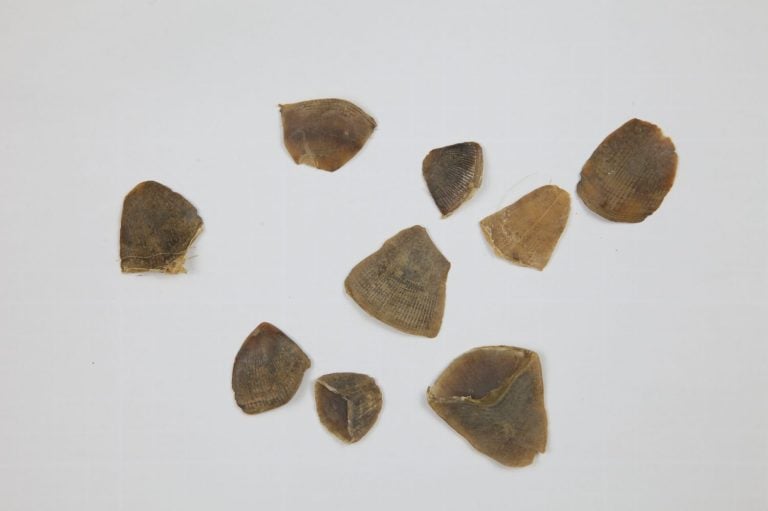
According to the WWF, pangolins used to be killed for their meat, and their scales were discarded. However, in the past decade, pangolin scales have become highly sought after for Chinese medicine, causing the pangolin’s population to decline and putting them at risk of becoming endangered.
People believe pangolin scales can cure many ailments, including cancer and arthritis. The scales are also said to improve poor circulation and help improve milk production for lactating mothers. Despite these claims, there is no scientific evidence that pangolin scales can provide any medical benefit. Pangolin scales are made of keratin. Keratin is the hard protein that makes up human nails and hair. In mammals, keratin forms claws, horns, and hooves. Additionally, it’s what makes up rhino horns, which are also sought after on the black market.
How Does the Endangered Species Act Help Support Vulnerable Animals?
When the U.S. adds an animal to its Endangered Species List, the animal is prohibited from being imported, exported, or hunted in the U.S. The Endangered Species Act may also help to bring in financial assistance for conservation programs in the species’ native countries.