
Quick Take
- Owls can sneeze despite their unique respiratory system.
- Sneezing pushes air out of the nose to clear irritants from the respiratory system.
- Irritants in the environment trigger sneezes; signs include high-pitched noises, head shaking, and nasal discharge; persistent sneezing may indicate serious health issues.
Have you ever seen an owl sneeze? The answer is likely no. Given the anatomical differences between birds and mammals, many may be under the assumption that owls cannot sneeze. However, this is incorrect—owls do sneeze.
Yes, Owls Sneeze
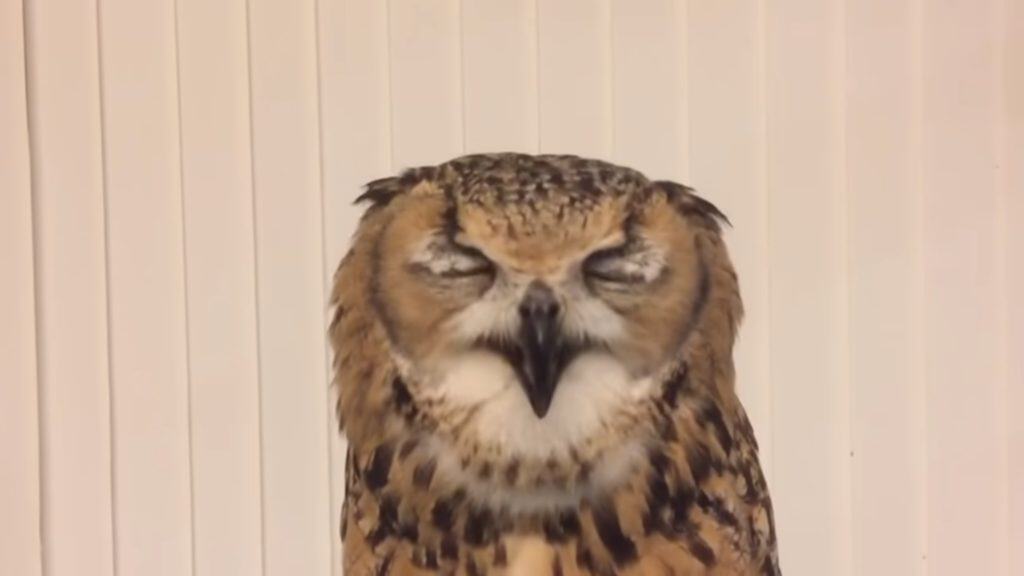
Garu, a Rock Eagle-Owl, proves that owls can, and do, sneeze.
© – Original
It may seem like a strange thing to question, but do owls really sneeze? The answer is, yes, they do, and a little owl named Garu proved this fact in a YouTube video that has garnered an impressive number of views.
Garu, a Rock Eagle-Owl, became a viral sensation when a video of him sneezing—not only once, but twice—was uploaded to his channel, GEN3 OWL CHANNEL. The fawn, black, and cream-colored owl appears to have a tickle in his throat and is seen attempting to swallow several times to stop the irritation. It is clear, over the course of the video, that this is not going to work.
Instead of trying to swallow the irritation away, Garu sneezes a high-pitched little sneeze. The sneeze may have made matters worse, as the owl is unable to keep his eyes open. A few more inhales, and a second sneeze escapes Garu’s beak, seemingly bringing relief to the owl.
It is interesting that owls can sneeze, given that their anatomy is quite different from that of humans and other mammals. Despite the respiratory system differences, owls still need a way to clear their systems of irritants. Therefore, just like mammals, sneezes are necessary.
How Can Owls Sneeze?
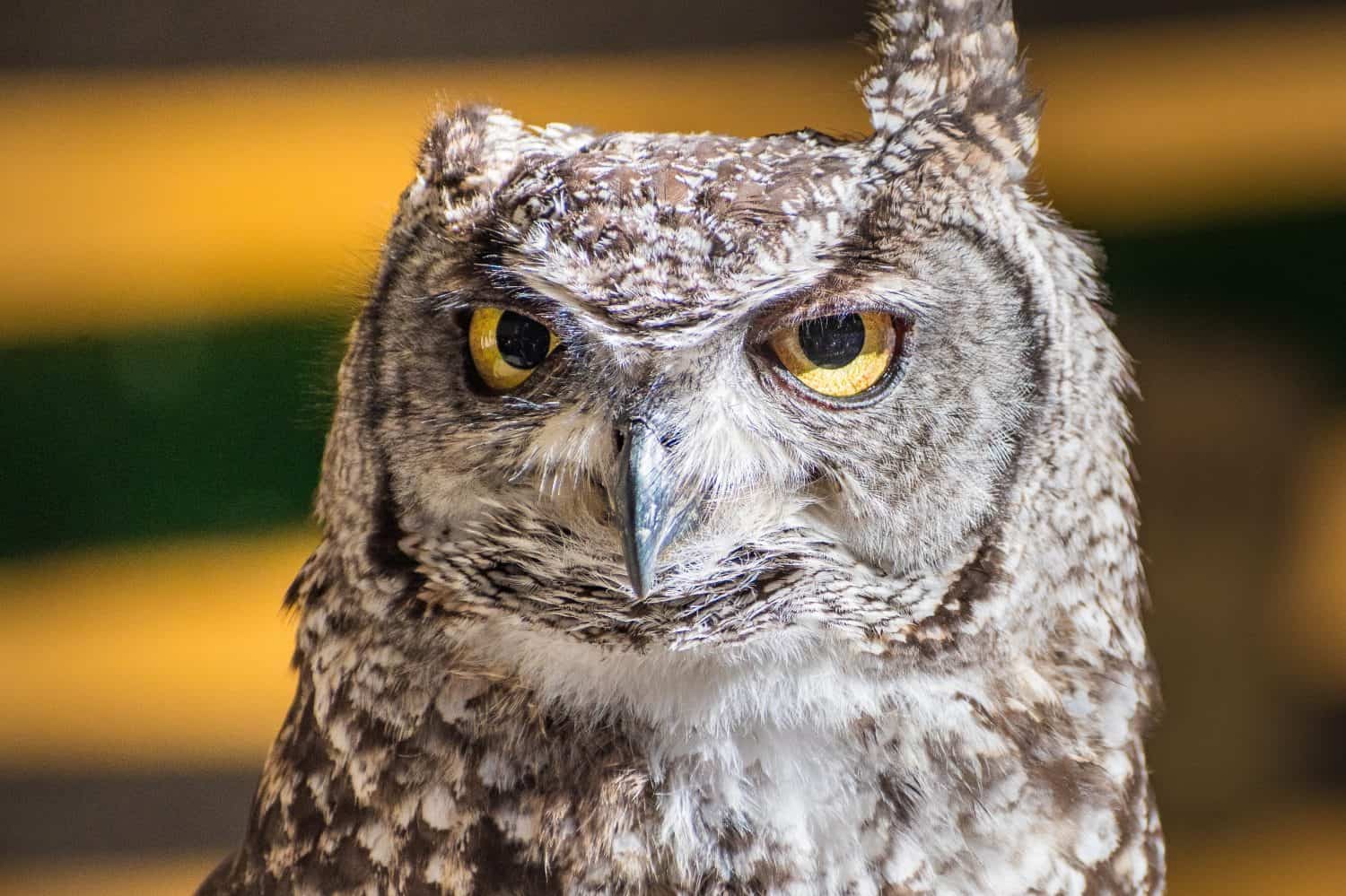
Owls have a different respiratory system than mammals to support their high metabolic rates.
©Alberto Giron Photography/Shutterstock.com
Owls, like all birds, have a respiratory system that is strikingly different from humans. However, just because they have different anatomy does not mean they are incapable of sneezing.
The owl’s respiratory system lacks a diaphragm. Instead, there are air sacs present that control breathing. This difference in anatomy has to do with the higher metabolic rate owls require. The air sacs are connected to the lungs, which allow oxygen to flow in only one direction. The continual flow of air over the lungs ensures owls are receiving an optimal amount of oxygen to support their metabolic needs.
The way that the air flows through the respiratory system works as follows:
- Air is breathed in and flows through the trachea to the rear air sacs
- On exhale, the oxygen is pushed into the lungs
- The next inhale moved the oxygen to the front air sacs
- The final exhale removes the air from the owl’s body
The continual flow of fresh oxygen over the lungs, which have a surface area 10 times larger than that of mammals, supports the metabolic system. This same oxygen is also used to push air out of the owl’s nose in an attempt to clear the respiratory system of the irritant bothering it.
Reasons Why Owls Sneeze
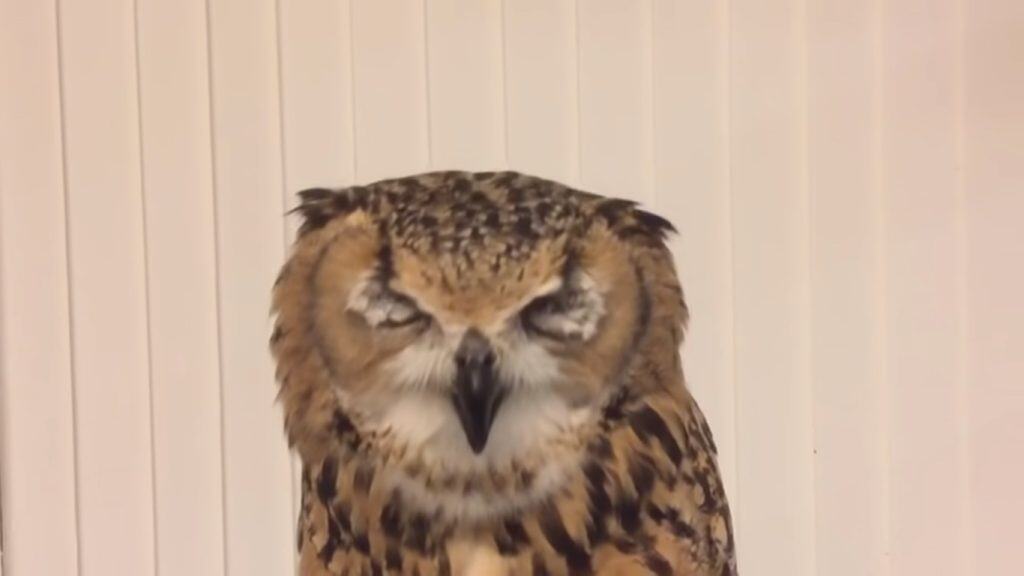
Owls, like Garu, tend to sneeze when an irritant in their environment triggers a sneezing reflex.
© – Original
Given the sensitivity of an owl’s respiratory system, it is easily triggered by even the smallest of stimuli. Consequently, there are many irritants in an owl’s habitat that can cause it to sneeze.
Some of the most common irritants that can cause an owl to sneeze and expel irritants from the respiratory system include:
- Strong odors
- Pollen
- Mold
- Ammonia
- Smoke
- Small food particles
- Feathers stuck in the nostrils
If any of these factors are present in a human’s environment, humans are likely to sneeze. Therefore, it is not surprising that if these are found in an owl’s environment, the owl would do the same.
Signs That Owls Have Recently Sneezed
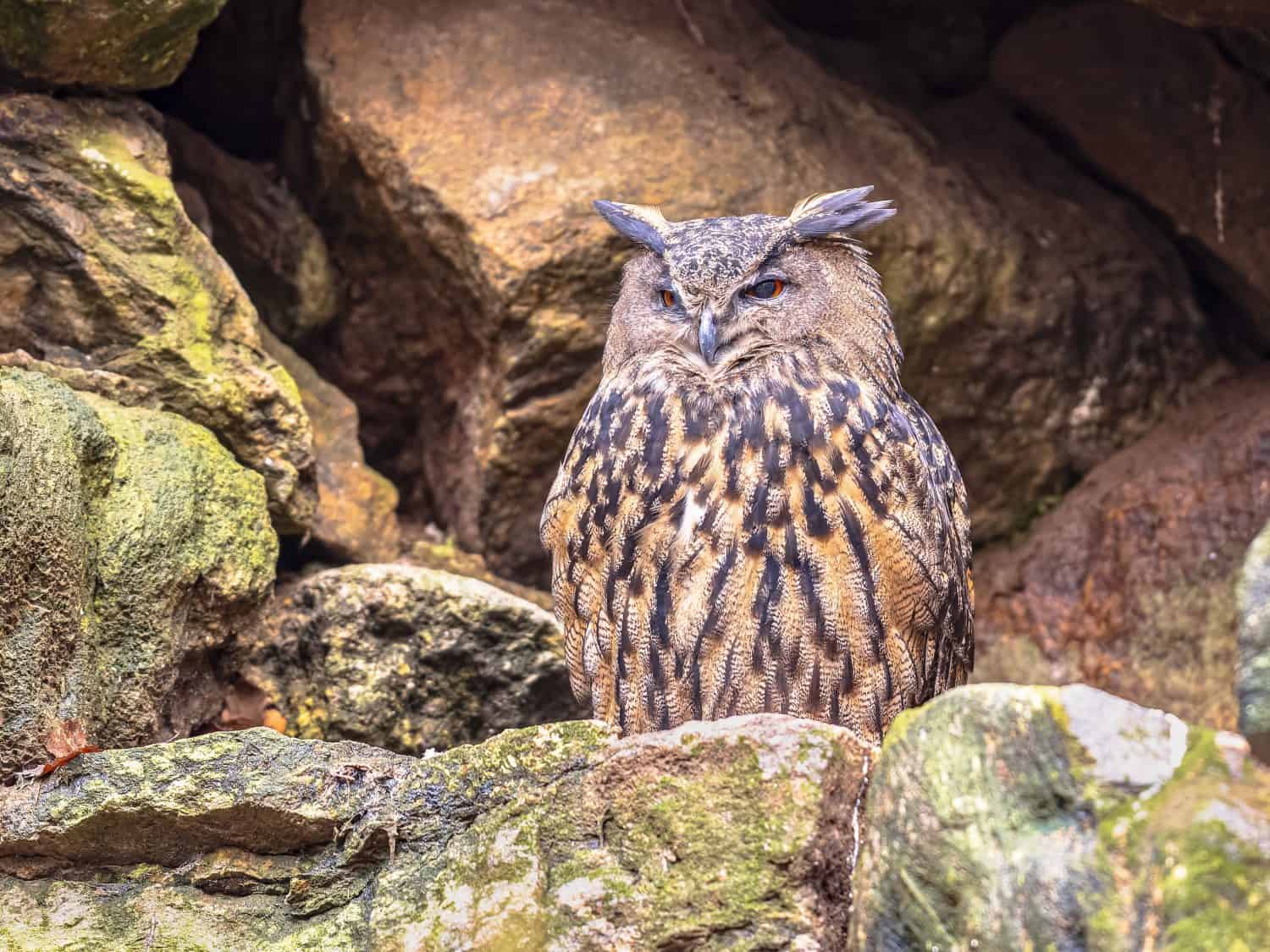
If an owl is heard making a short, high-pitched noise, shaking its head, or has nasal discharge, it likely has just sneezed.
©Rudmer Zwerver/Shutterstock.com
The most common sign that an owl has sneezed is actually witnessing the sneeze itself. However, there are other ways to determine if an owl has sneezed even if it is not seen.
The indicators that an owl has sneezed include:
- Head shaking, which clears the nasal passageways
- Hearing a high-pitched sneeze-like sound
- Nasal discharge
These are all signs that an owl has recently sneezed or is actively sneezing. Whether the sneezing is life-threatening depends on the symptoms accompanying the clearing of the nasal cavity.
Can Sneezing Be Life-Threatening For Owls?
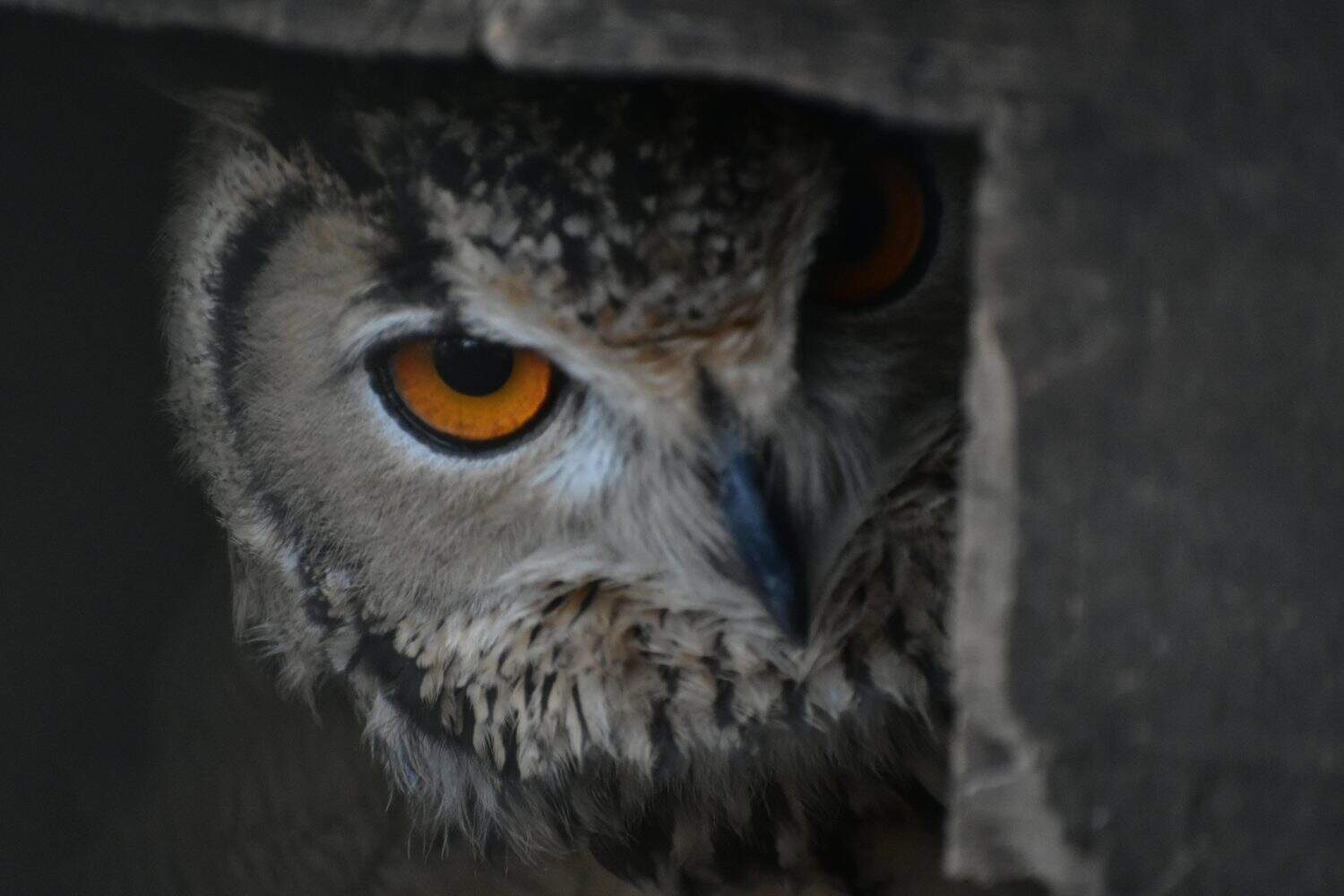
Observing owls in captivity or in the wild is the best way to determine if owls need to sneeze or have a respiratory infection.
©gupta pranjul/Shutterstock.com
Sneezing itself is not a life-threatening condition for owls. However, if the sneezing is consistent, it may be a sign of other health issues that could be serious or even lethal for owls.
Owning an owl in the United States is illegal. In other countries, some species can be kept as pets. Therefore, most will not be able to observe owls for long periods, given that the majority they encounter are wild animals. However, if owls are sick enough, they may remain in one location long enough for someone to determine if they are ill. For those owls that are observed sneezing multiple times within 24 to 48 hours, other signs of distress to watch for include:
| Signs of Distress in Owls Who Sneeze | Reasons Why |
| Breathing Problems | Owls that are breathing with their beaks open, accompanied by wheezing, rattling sounds, or clicking are experiencing respiratory distress. The cause may be an infection, a foreign body, fungal infection, or heart disease. |
| Nasal Discharge | Owls that are breathing with their beaks open, accompanied by wheezing, rattling sounds, or clicking are experiencing respiratory distress. The cause may be an infection, a foreign body, a fungal infection, or heart disease. |
| Lethargy | If an owl has stayed in the same spot for multiple days and does not appear to have eaten or drunk water, the owl may be suffering from an infection, organ failure, or systemic disease. |
| Eye Changes | Owls have large, clear, dark eyes. If the sneezing owl has swollen eyes or discharge, they are likely suffering from a respiratory infection. |
| Unkempt Plumage | If a sneezing owl appears unkempt or its feathers look broken, it is an indication that the owl is not feeling well and needs veterinary assistance. |
Wild owls will likely tuck themselves away when they are not feeling well. Therefore, if they are suffering from a respiratory infection, veterinary assistance may not reach them in time. For those who make it to a rescue, receive care, and have a quiet place to destress and recuperate, the owl that was dealing with problematic sneezing may make a full recovery.