
Quick Take
- Its camouflage is so effective that looking directly at it still might not be enough to spot it.
- When blending in stops working, this frog switches to a survival tactic that's even harder to believe.
- It lives in Vietnam, but calling it 'rare' undersells just how razor-thin its range actually is.
- The Bulbasaur resemblance goes beyond color, and that is one real trait of this frog no Pokémon designer could have invented.
Bulbasaur is a fan-favorite Pokémon that’s been around for decades, and it turns out this frog- and dinosaur-like character has real-life counterparts as well. While there are many other species that resemble the beloved Pokémon, the Vietnamese mossy frog is one of the most notable. An Instagram reel by @ngyuenmanh.170303 shows this frog and its amazing camouflage.
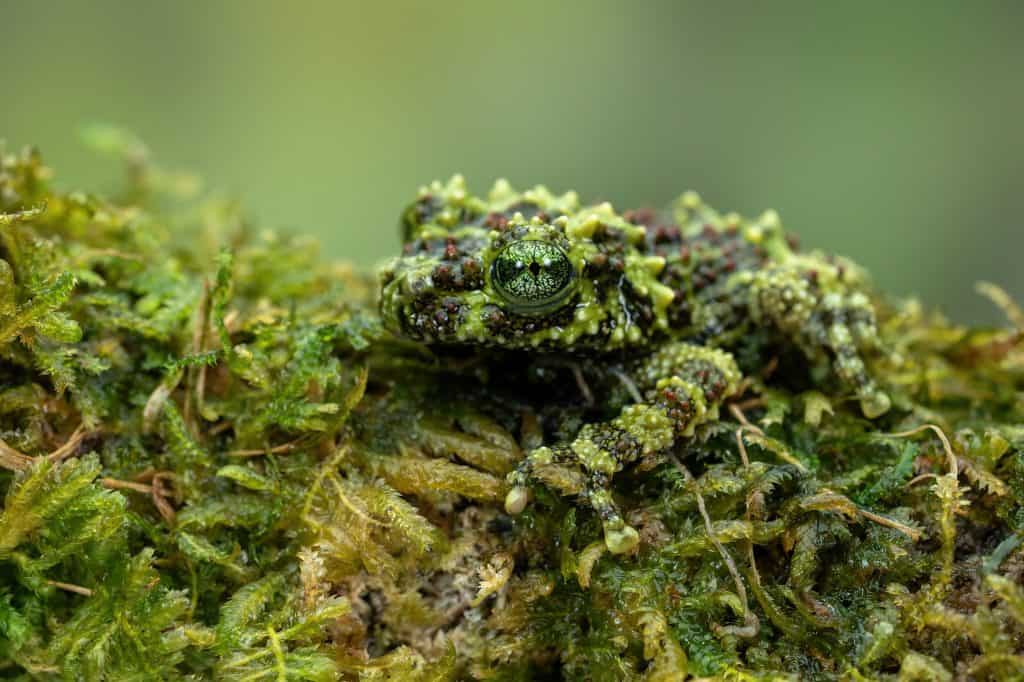
The Vietnamese mossy frog is limited to northern Vietnam and is rarely found elsewhere in the world.
©Lauren Suryanata/Shutterstock.com
About the Vietnamese Mossy Frog
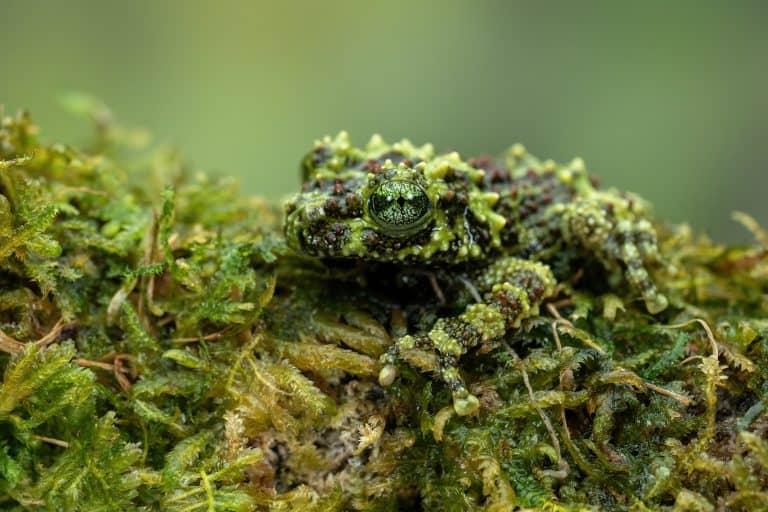
The Vietnamese mossy frog is an amazing species that, as the name suggests, is native to Vietnam. Incredibly, these frogs are limited to one tiny location in the country. Primarily associated with northern Vietnam, they live in cool and humid forests. Some of their favorite places in these forests include caves and rock crevices, where they hide beneath moss. While they may look large in the video above, these frogs are on the smaller side. Vietnamese mossy frogs grow to about two and a half to three and a half inches long. They have a carnivorous diet that consists primarily of insects, including crickets and cockroaches. With a mix of dark brown and green coloring, they blend in with much of their habitat.
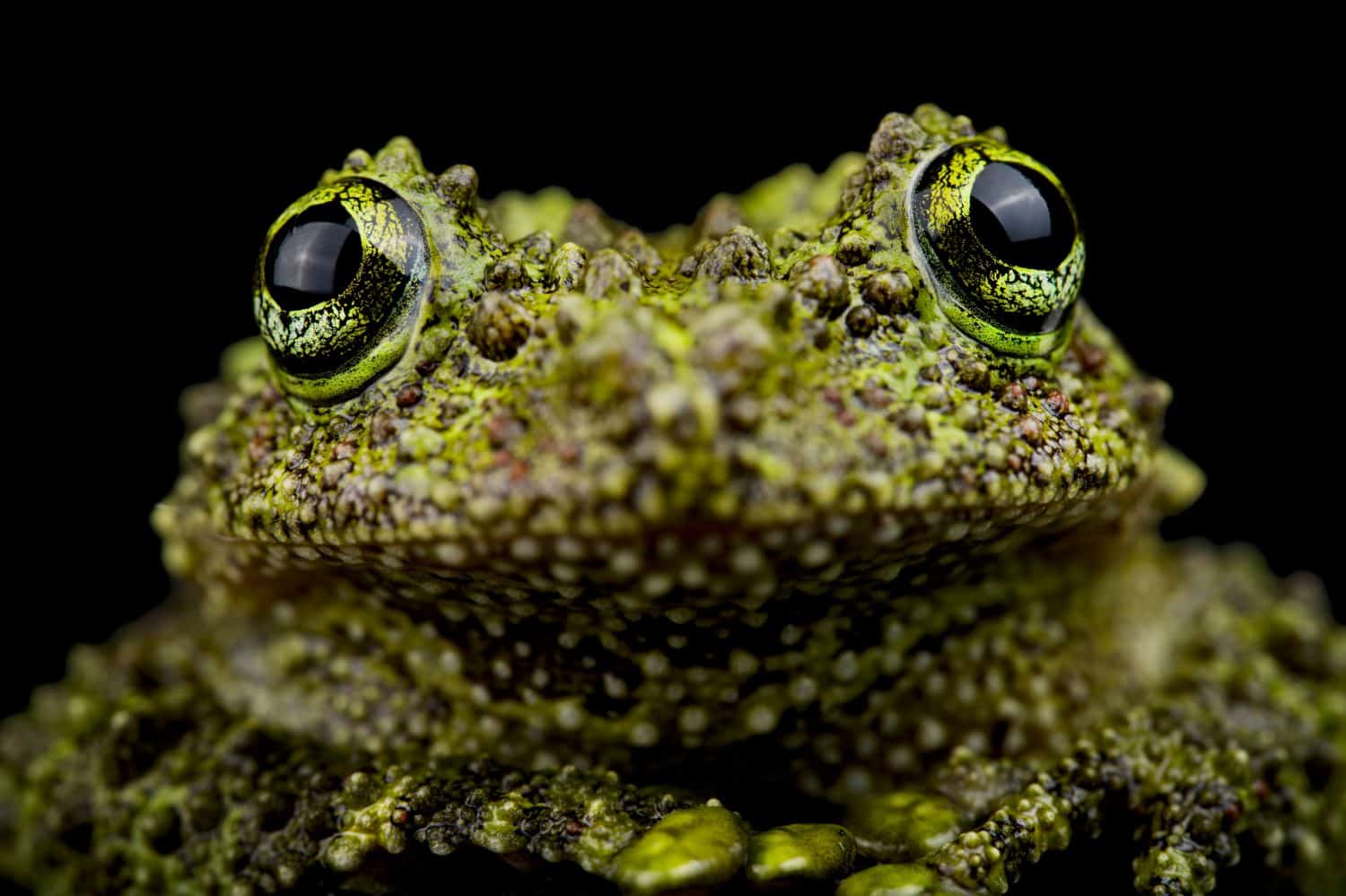
The Vietnamese mossy frog’s camouflage is amazing and, as evident in the video above, makes them difficult to spot. At first glance, it doesn’t look like a frog is in the shot at all. However, on closer inspection, you can just barely see its outline. These frogs are green and brown with black markings, bumps on their skin, and small spines on the side. All of these features combined help to break up the outline of their body, blending them into any mossy surface. Additionally, they often sit motionless on the ground, making them even more difficult to detect. While they use this camouflage to avoid predation, they also curl into a ball when threatened. They even feign death, highlighting the extraordinary lengths they go to for survival.