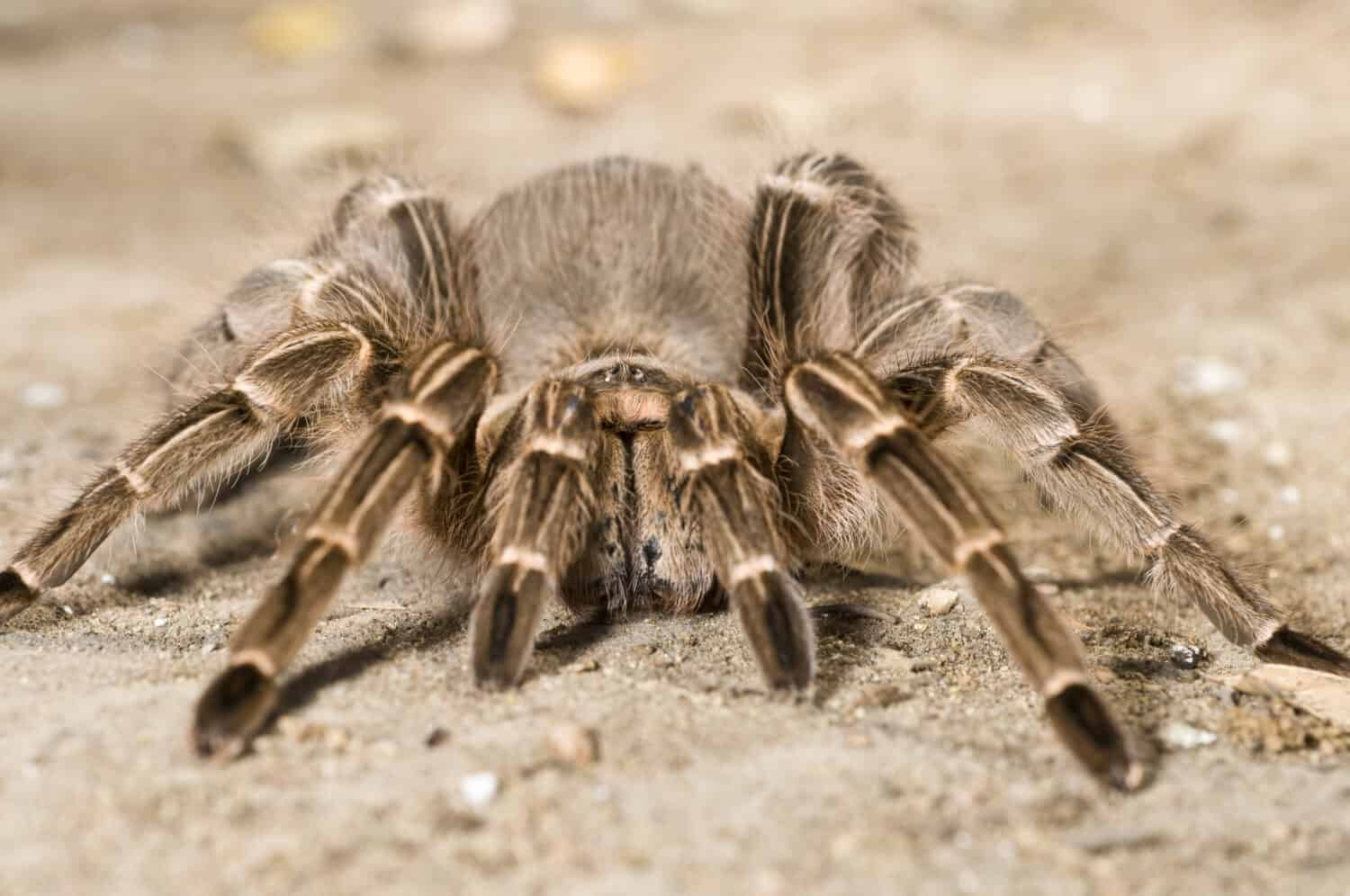

Tarantulas are some of the biggest spiders in the world. They are also some of the most widespread species and are found in a variety of different habitats. Tarantulas also have some of the longest lifespans among all spiders, living for several decades. However, a tarantula’s lifespan depends on several factors, which can significantly affect how long they actually live. So, keep reading to learn more!
How Long Do Tarantulas Live?
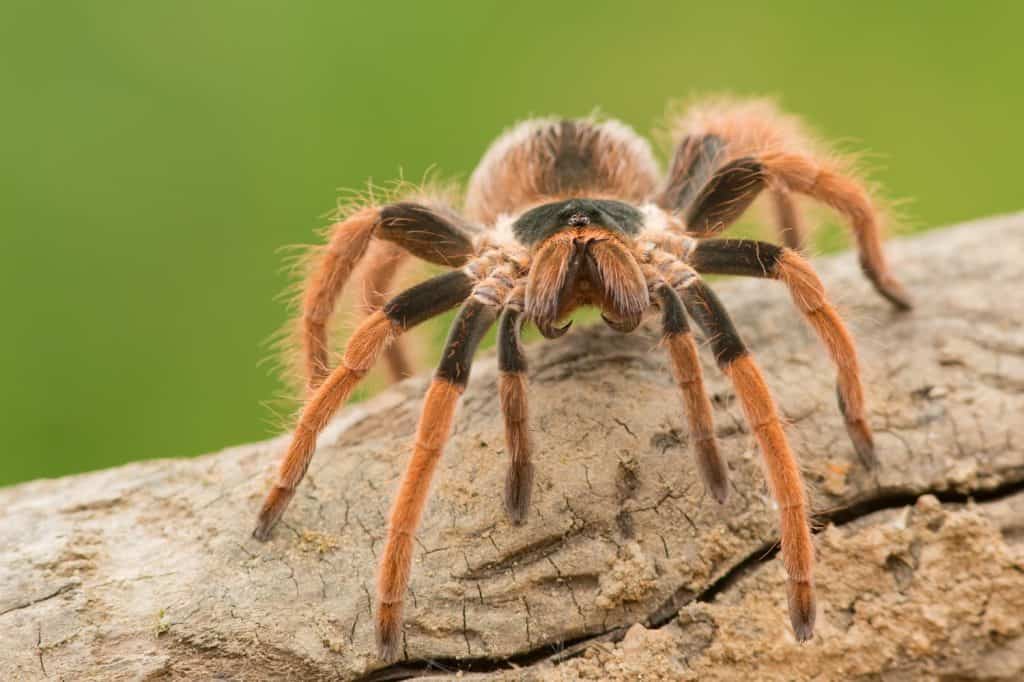
Tarantulas have an average lifespan of 10 to 30 years.
©Milan Zygmunt/Shutterstock.com
Compared to many other species of spiders, tarantulas have a relatively long lifespan, averaging 10 to 30 years. However, male tarantulas have a much shorter lifespan than females, with most living for three to six years. This is significantly shorter than females, who often reach 30 years old and, in some exceptional cases, can exceed 40 years.
Factors Affecting Their Lifespan
Although tarantulas live for 10 to 30 years, that’s quite a significant range. However, there are actually several factors that affect this range, including the gender of the spider and where it lives. Let’s take a closer look.
Gender
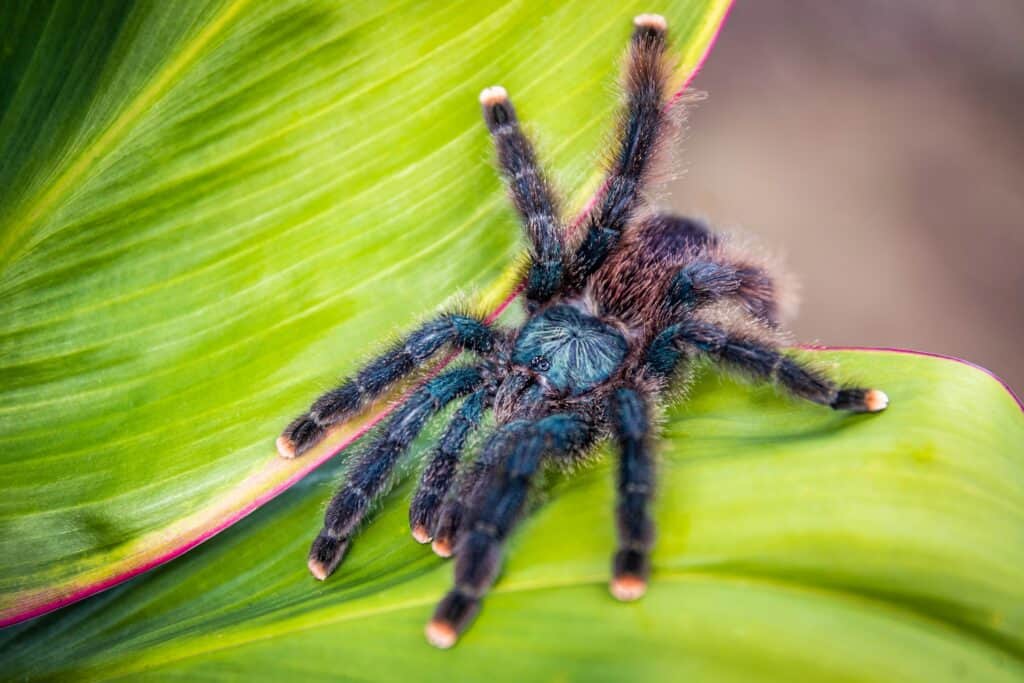
Female tarantulas live much longer than male tarantulas.
©Photo Spirit/Shutterstock.com
We’ve already briefly mentioned how female tarantulas live longer than males. However, the truth is, male tarantulas actually die quite soon after they reach sexual maturity. Males mature at approximately one to three years old, although this depends on the individual species. As they reach sexual maturity, they molt one final time in order to develop their tibial hooks. These are spurs that develop on their first pair of legs, which are used for holding the female during the mating process. Once they’ve reached sexual maturity, males usually only live for six months to 1.5 years.
Female tarantulas mature more slowly than males. They usually reach sexual maturity at around four to six years old, although it’s not uncommon for some species to not mature until they are more than ten years old. Unlike males, females live much longer after reaching maturity and continue to reproduce annually throughout their lives.
Living in the Wild vs. Captivity
Unsurprisingly, another factor that affects the lifespan of a tarantula is whether it is living in the wild or in captivity. Generally speaking, tarantulas live longer in captivity than they do in the wild. In captivity, tarantulas are protected from predators and disease, live in a stable environment without environmental challenges, and have a constant food supply without needing to hunt.
Enclosure
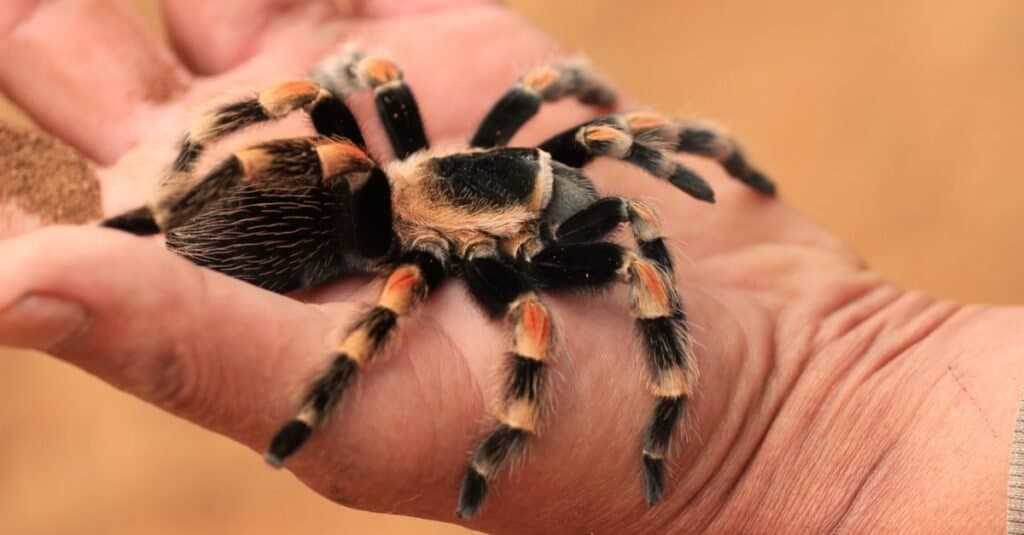
A tank that is too small can shorten the lifespan of a pet tarantula.
©Vladimira Pufflerova/Shutterstock.com
Even though tarantulas tend to live longer in captivity than they do in the wild, it’s still important to remember that there are other factors that can affect their lifespan — including the size and temperature of their enclosure. Ideally, tarantulas need an enclosure that is two to three times their body length so that they have enough room to move around, hunt, and exercise properly. An enclosure that is too small can cause the tarantula to become stressed, and it may affect its ability to molt properly.
Additionally, ensuring that the enclosure is at an appropriate temperature for the species of tarantula can help it live a long and healthy life. Some tarantulas are native to warm, humid environments and can be highly susceptible to changes in temperature. Therefore, an enclosure that is too warm or too cold can also shorten a tarantula’s lifespan.
Are All Species the Same?
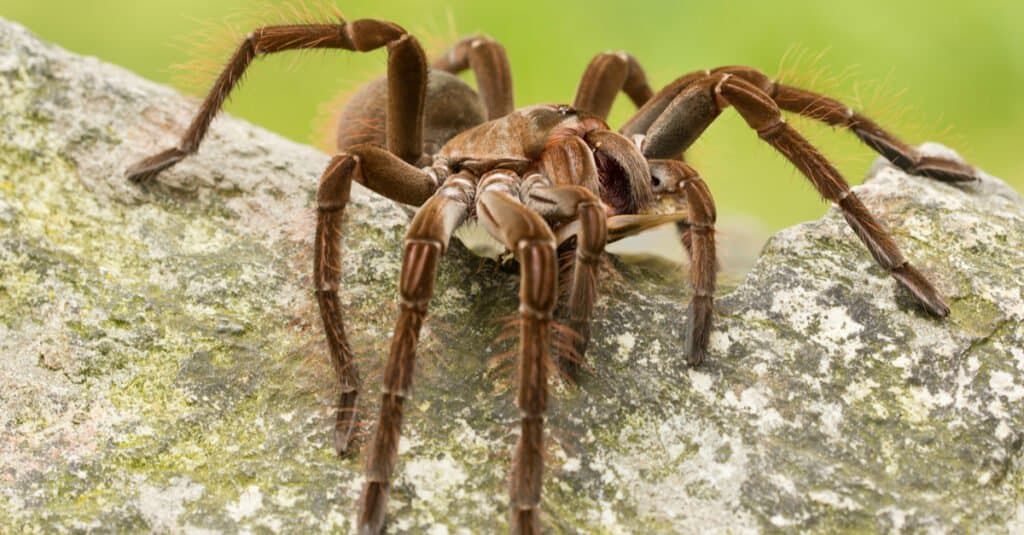
The lifespan of a tarantula differs between species.
©Milan Zygmunt/Shutterstock.com
Although some female tarantulas can live for more than 30 years, this isn’t true for all tarantula species. In fact, their lifespan can differ quite significantly depending on the species. There are more than 1,000 tarantula species, distributed worldwide and living in a variety of habitats.
The Texas brown tarantula is one of the most common tarantula species in the US, and females can live for 30 to 40 years, while males only live for approximately seven to 10 years. The Mexican red knee tarantula also has a long lifespan, with females often reaching 25 to 30 years. On the other hand, female pumpkin patch tarantulas only live for approximately eight to 10 years, while males live for three to four years. Here’s a table with some tarantula species for comparison.
| Species | Female Lifespan | Male Lifespan |
|---|---|---|
| Texas brown tarantula | 30-40 years | 7-10 years |
| Mexican red knee tarantula | 25-30 years | 2-5 years |
| Pumpkin patch tarantula | 8-10 years | 3-4 years |
| Goliath bird eater tarantula | 15-25 years | 3-6 years |
| Desert blonde tarantula | Up to 30 years | 5-10 years |
| Rio Grande gold tarantula | 22-40 years | Approximately 7 years |
| Texas tan tarantula | Up to 40 years | 2-3 years |
| Cobalt blue tarantula | 10-20 years | 3-4 years |