
The hummingbird, with its rapid wing flapping, has an impressive heartbeat rate of 225 beats per minute. While many may believe this tiny bird has one of the fastest heartbeats on the planet, this is not the case. Instead, there is a creature whose heart beats over 1,000 times per minute that puts the hummingbird’s record to shame. Yet, this is an animal many have never heard of.
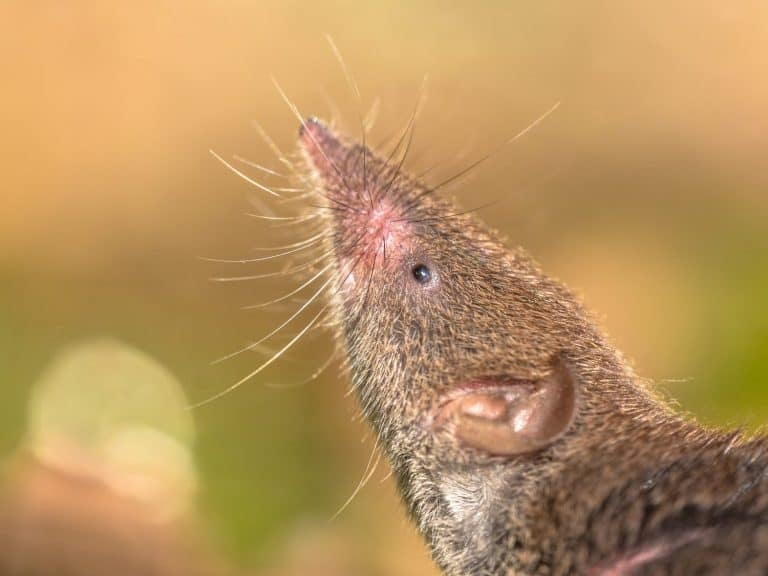
While it may resemble a rodent, the Etruscan shrew is not a part of the rodent family. Instead, this mammal with a heart that beats at an extraordinary rate is actually more closely related to the hedgehog. However, they do not build their own burrows, choosing instead to be opportunists and use abandoned burrows or other protected areas for sleep when not on the prowl for their next meal.
The Etruscan Shrew’s Heart Beats Over 1,000 Times Per Minute
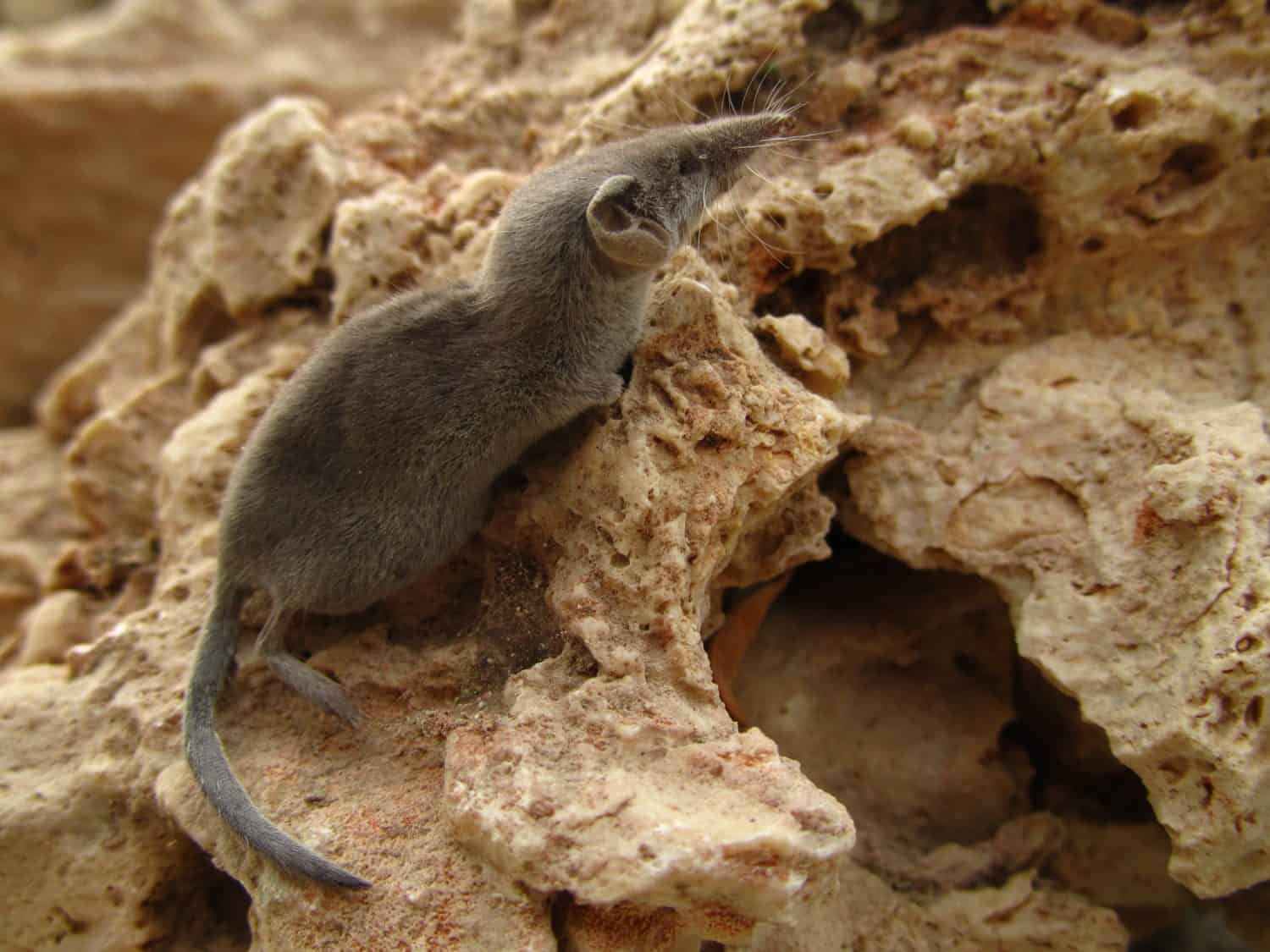
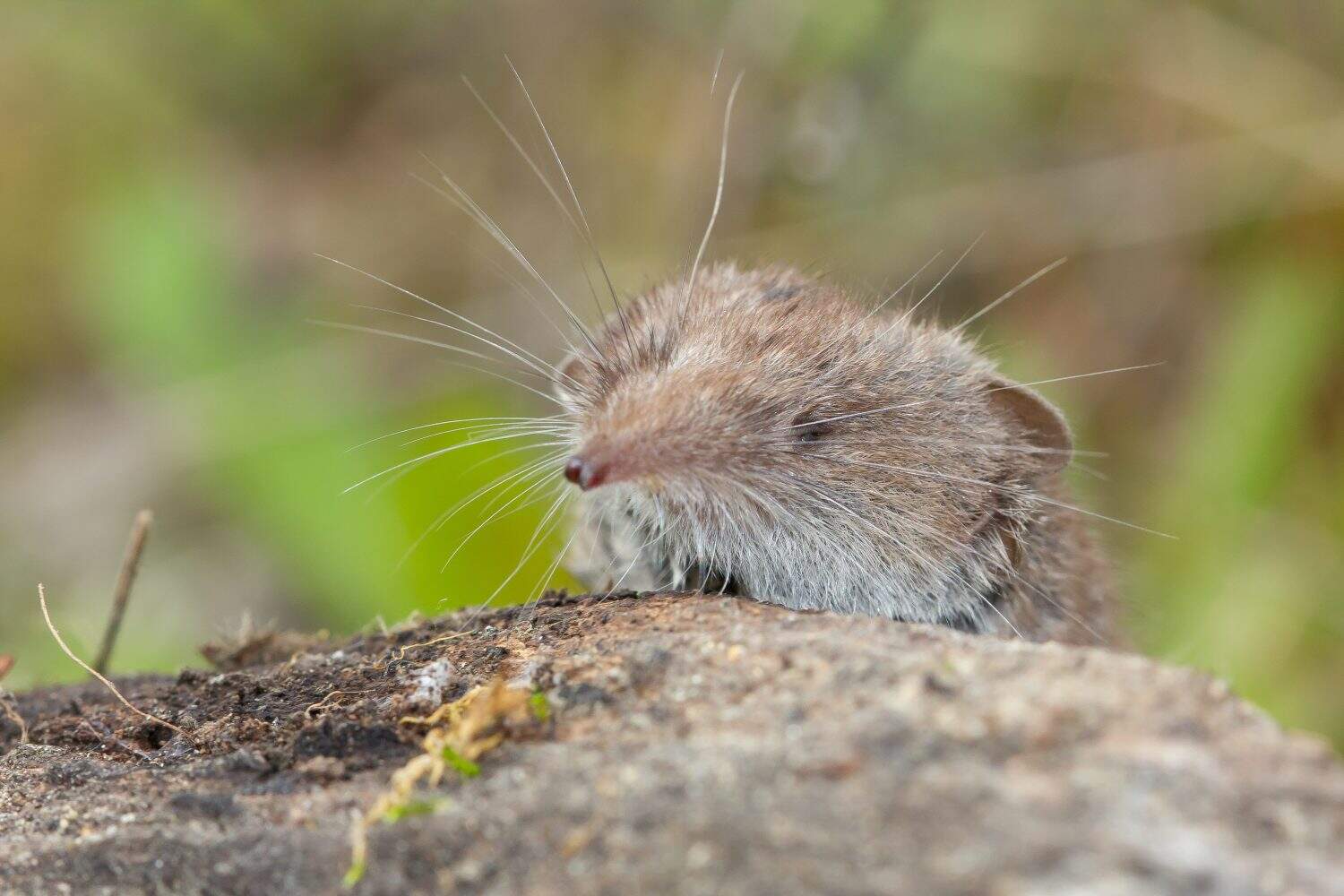
Etruscan shrews have an impressive heart rate that beats 1,000 times per minute.
©Wirestock Creators/Shutterstock.com
The small Etruscan shrew has a heart that beats at an average rate of 1,000 times per minute. To put that in perspective, the resting human heart beats 60 to 100 times per minute with a healthy, maximum heart rate when exerted falling between 150 to 200 beats per minute, depending on age.
According to a 2024 study published in Science, the reason the Etruscan shrew is capable of having such a high heart rate has to do with its heart missing a specific protein that is responsible for slowing down the heart muscle so it can relax. When this protein, “cardiac troponin I,” is missing, the heart is capable of relaxing and beating quickly at the same time, as happens with the Etruscan shrew.
Etruscan shrews require such a rapid heartbeat due to their very active lifestyle. The shrews spend nearly all day hunting for insects and other creatures, given their high metabolism rate. When they reach the point of getting full multiple times daily, the Etruscan shrews will rest. However, this downtime lasts for only a matter of minutes before the Etruscan shrew must get back out to hunt again.
Etruscan Shrews Have To Eat Multiple Times Their Body Weight Daily
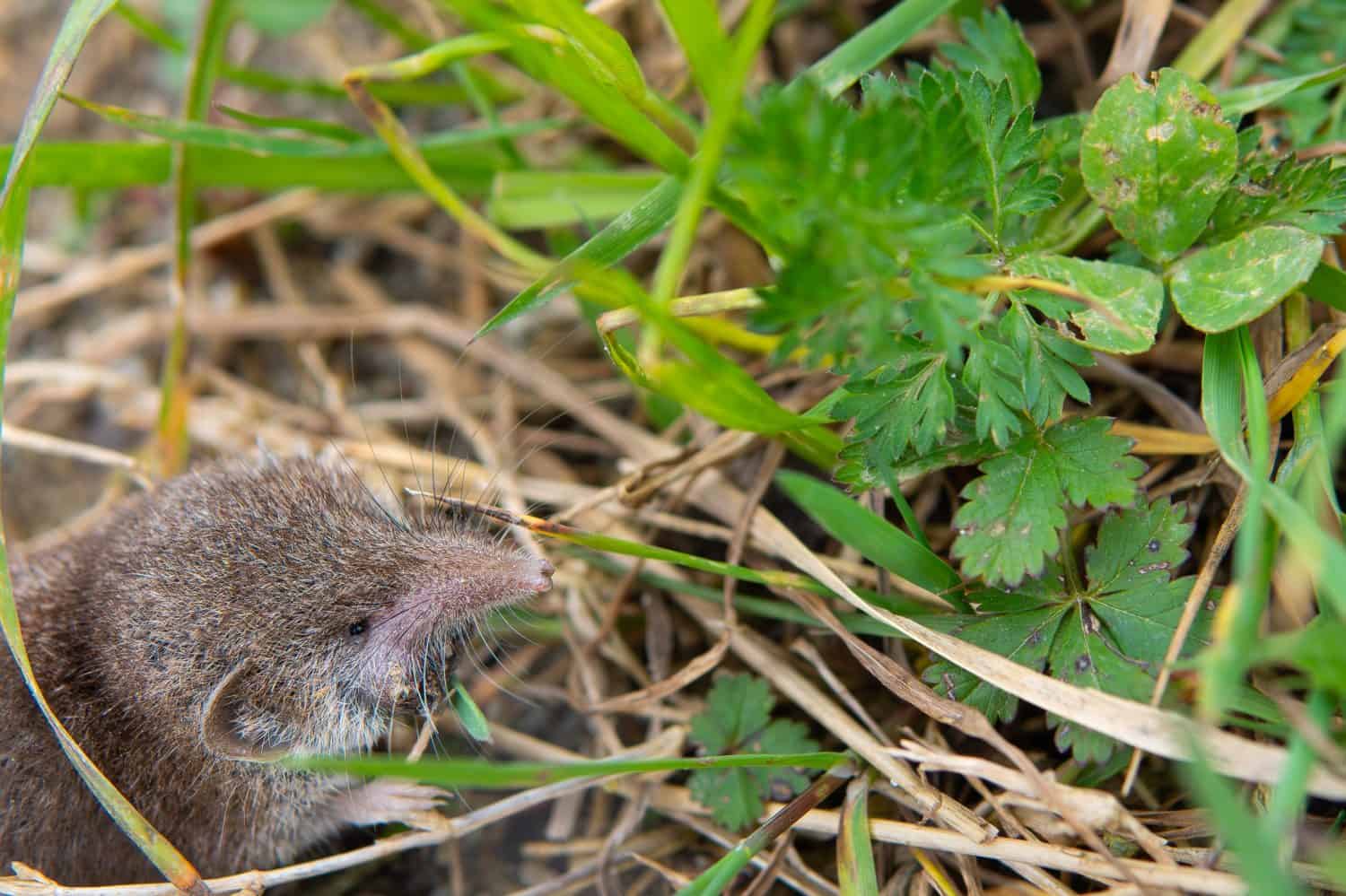
Some sources state Etruscan shrews have to eat up to six times their body weight daily.
©photosoria/Shutterstock.com
Given the pace at which the Etruscan shrew’s heart beats, the little creature requires a great deal of food throughout the day to maintain its energy levels and avoid starving to death. Etruscan shrews need to eat “several times their body weight” daily. Some sources cite this as being 1.5 to two times their body weight, while others say six to eight times their body weight daily. If the goal is not met, Etruscan shrews will begin to starve to death in a matter of hours.
Weighing in at 0.063 ounces to 0.095 ounces, or roughly the weight of a dime, Etruscan shrews have to eat a variety of live insects and other creatures daily. Some of the favorite prey for Etruscan shrews include:
- Crickets
- Mealworms
- Grasshoppers
- Larvae
- Earthworms
Because the Etruscan shrew is unable to see well or even hear well, it has to use other senses to find its prey. Fortunately, the shrew’s whiskers are spot on perfect. This allows them to locate their prey and strike with precision in a matter of milliseconds, making hunting easier for the Etruscan shrew. It is because of this enhanced sense that the Etruscan shrews can hunt enough food to sustain them daily.
Etruscan shrews are not afraid of going after prey that is larger than they are. A YouTube video short shows an Etruscan shrew going after a cicada that is twice the size of the tiny shrew, just out of the shrew’s reach. This does not deter the Etruscan shrew. The shrew climbs the stem of the plant to grab the cicada, pulls it down with ease, and makes it one of its many meals for the day. The Etruscan shrew then takes a short rest before beginning the hunting process all over again.
Etruscan Shrews Are The Size Of An Almond

Etruscan shrews may have quick heartbeats, but that fast-beating heart is found in the smallest mammal on Earth.
©Wirestock Creators/Shutterstock.com
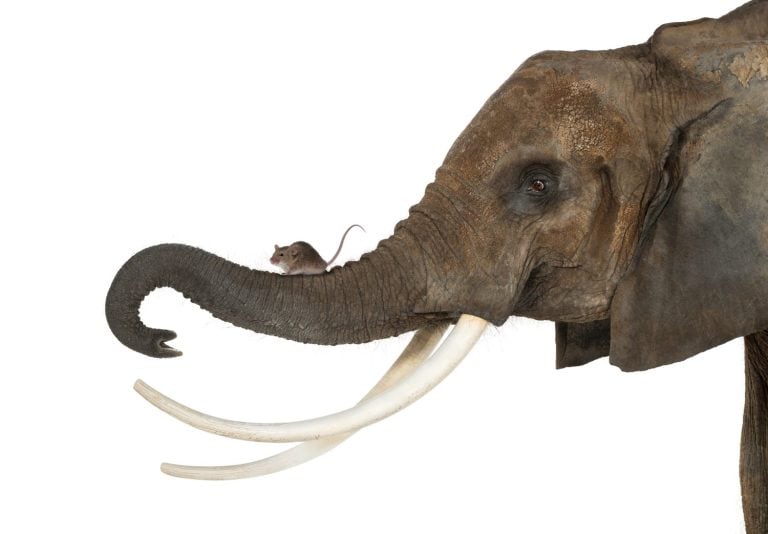
The Etruscan shrew is the smallest mammal on Earth by mass. Measuring just 1.6 inches on average, the shrew is often compared to the size of an almond. It is hard to believe that such a small mammal exists, let alone is capable of consuming as much prey as fearlessly as it does daily. This is likely because most people have not run across an Etruscan shrew or realized that they have. However, with a population that has them in the least threatened category by the IUCN, and by some estimates in the millions or billions, there are plenty of these shrews running around.
Because of their speed and their ability to sleep in the smallest of places, more often than not, Etruscan shrews go unnoticed. But for those who want to catch a glimpse of this small mammal up close, Etruscan shrews live in a variety of habitats around the world.
Etruscan Shrews Are Found In A Variety Of Habitats
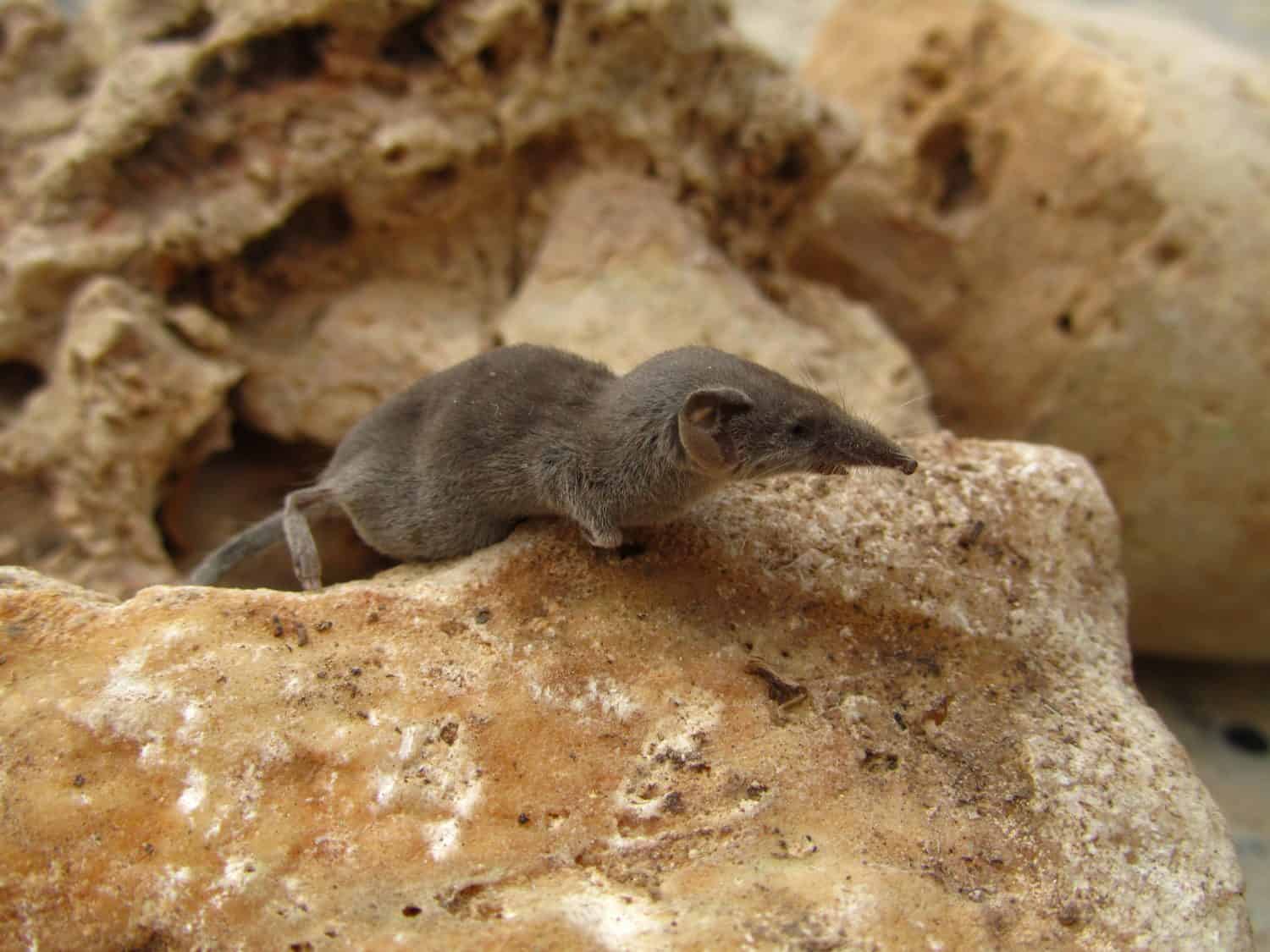
Etruscan shrews can be found in a variety of habitats in Asia, Europe, and Africa.
©Wirestock Creators/Shutterstock.com
Etruscan shrews are found in multiple countries in a variety of habitats. Therefore, for those hoping to see the little mammals in action, all it may take is being in the right environment at the right time.
The Etruscan shrew inhabits a variety of environments. Those habitats include:
- Desert
- Forest
- Shrubland
- Savannah
- Grassland
It is not surprising that Etruscan shrews favor these locales, as all are rich in insects and invertebrates necessary for their survival. While the Etruscan shrew can be found in all of these habitats, they are not located in all countries around the globe. Instead, the shrews are found in 57 different countries in Europe, Asia, and Africa. To date, Etruscan shrews have never been identified in North America.
Etruscan Shrews Rarely Sleep
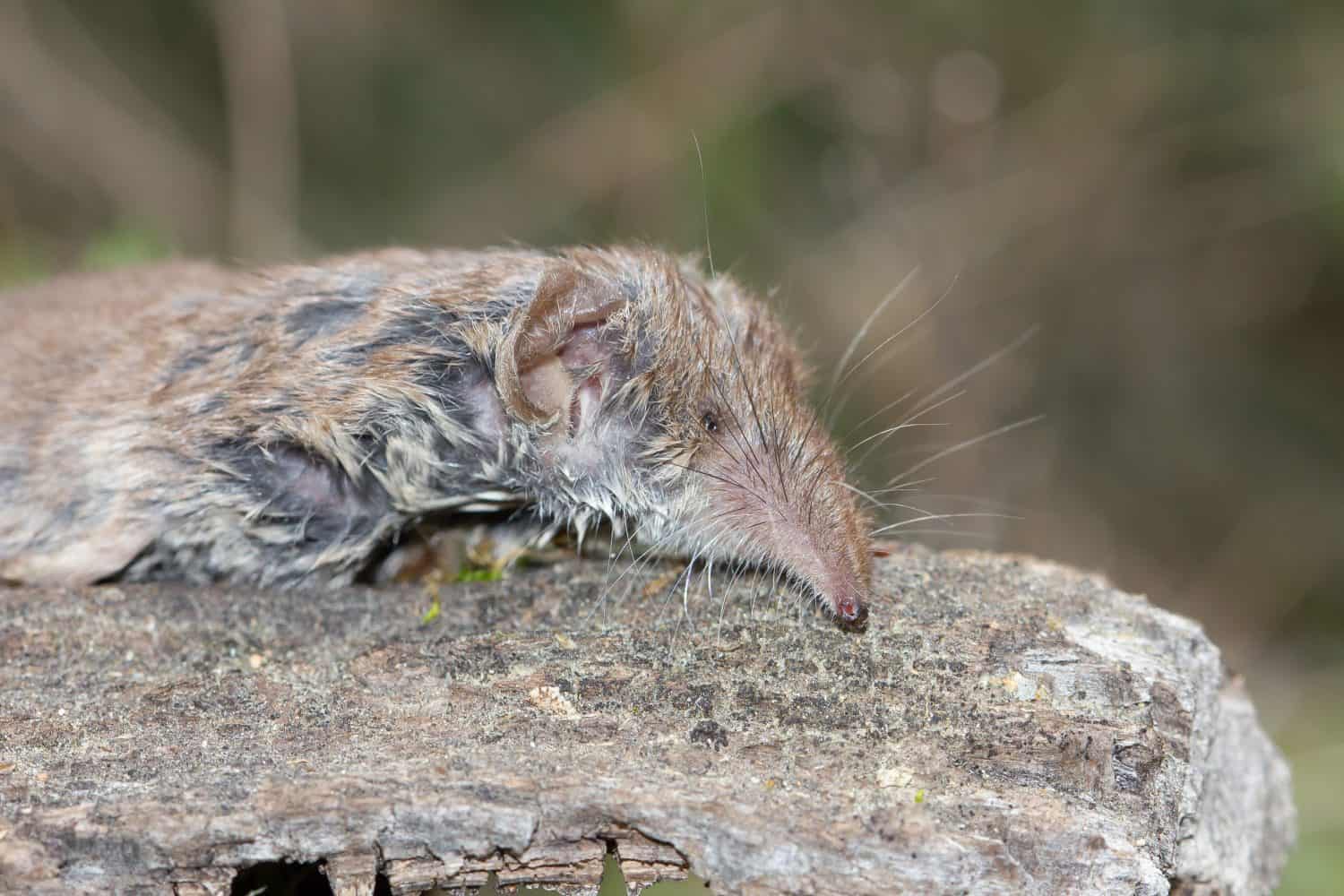
Etruscan shrews sleep in short spurts throughout the day, resting up to hunt for their next meal.
©Wirestock Creators/Shutterstock.com
Because of how often the Etruscan shrews have to eat, they rarely sleep. The sleep the shrews do get is broken down into an average of a dozen short events daily, which do not last more than seven minutes at a time. Etruscan shrews’ lives revolve around obtaining enough calories to sustain their voracious appetites, which are fueled by their rapid heartbeat. The high metabolism of the Etruscan shrews causes them to burn the energy sustained by their prey quickly. Therefore, the shrews will hunt throughout daylight and twilight hours to ensure their survival.
It does not take long for Etruscan shrews to feel the effects of not constantly eating. The shrews will begin to starve within as little as two hours of not eating. This is why Etruscan shrews are constantly on the hunt; their tiny hearts beat over 1,000 times per minute, so no single meal can sustain them for long.