
Quick Take
- Sub-Saharan Africa’s energy flow through wild birds and mammals sits at 64% of historical levels, signaling a major ecological power decline.
- Megafauna losses carry enormous consequences, as large-bodied animals dominate energy flow and shape habitats; elephants sit at the heart of the decline.
- Decline is uneven across landscapes, with energy flow varying by landscape type and large regional gaps.
- Read on to discover which ecosystems and megafauna are most affected and which strategies aim to restore energy flow.
Africa and wildlife are often thought of as going hand in hand. Some of the most unique and captivating wild animals hail from this continent, including species responsible for orchestrating much of their ecosystem’s intricacies. However, a growing body of research shows that these species no longer have the strength and impact they once did. The ecological power of Africa is shifting, and potentially not for the better.

A recent Oxford-led study estimates that the energy moving through wild bird and mammal communities across sub-Saharan Africa has dropped to roughly two-thirds of historical levels. The living, active energy that powers grazing, seed dispersal, predation, scavenging, and nutrient cycling is lower than ever. But why is this happening, and why is Africa’s ecological power so important?
Today, we’ll break down what ecological power means, what’s driving the decline in this power, the species involved in this apparent loss, which ecosystems are hit hardest, and what conservation approaches are currently in the works. Let’s dive into the details and the state of Africa’s overall ecological power now.
What Is Ecological Power?
Ultimately, ecological power measures how much energy flows through animal communities and what that energy enables animals to do within their ecosystems.
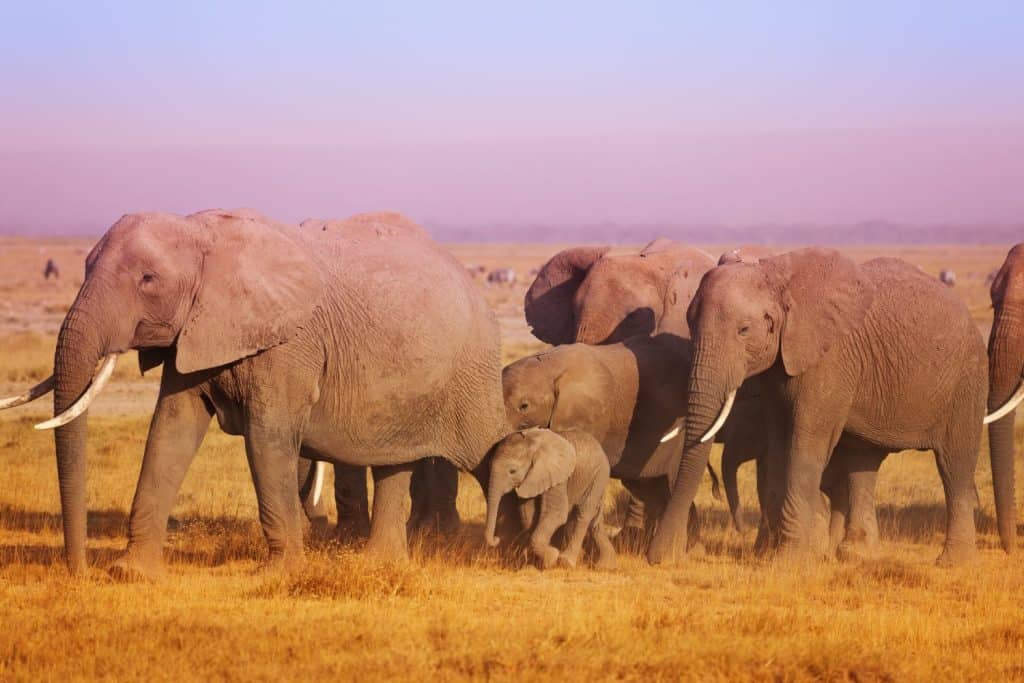
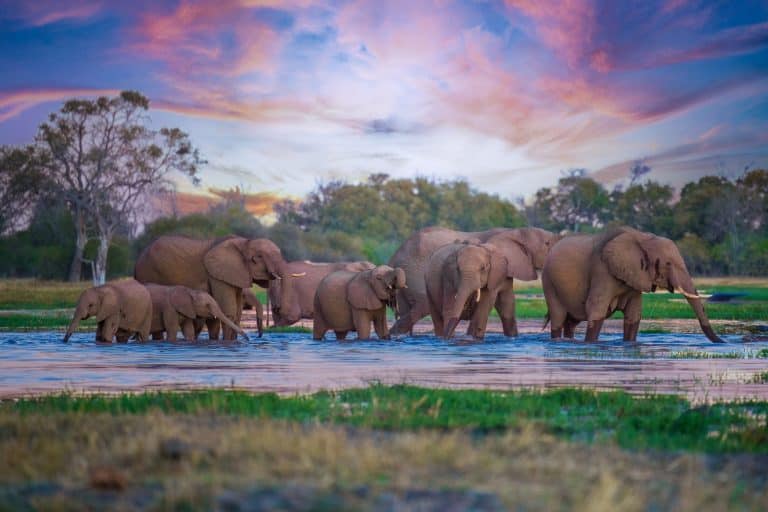
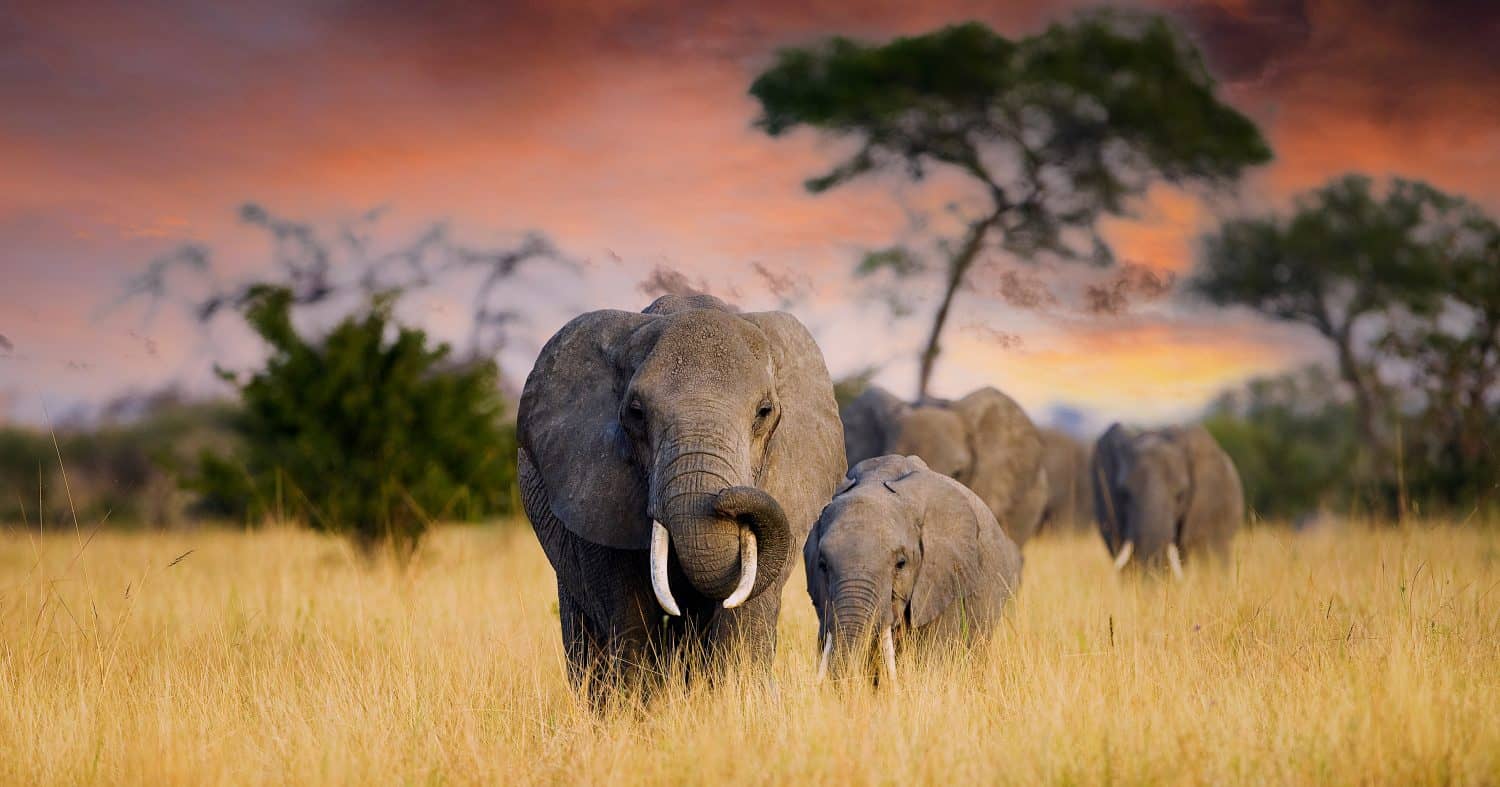
Given their size and how they function, elephants are at the heart of Africa’s ecological power decline.
©Sergey Novikov/Shutterstock.com
In the aforementioned study from Oxford, a research team estimated how much food energy wild birds and mammals consume per area, per year today, then compared that statistic to a historical baseline. Instead of treating each species equally, the approach used in this study weighs animals by their metabolic demand and functional role.
A simple way to understand ecological power is as follows:
- Biomass is important, as bigger bodies generally move more energy through the system.
- Functional role also matters; different species spend their energy in different ways.
- Energy flow within an ecosystem ties everything together, showing how well the entire ecosystem is functioning as opposed to specific species existing in a vacuum.
Why a Drop In Ecological Power Matters
When ecological power declines, the effects on ecosystems are quickly apparent. Both animal populations and the overall energy capacity of an ecosystem can diminish if the decline is not addressed.
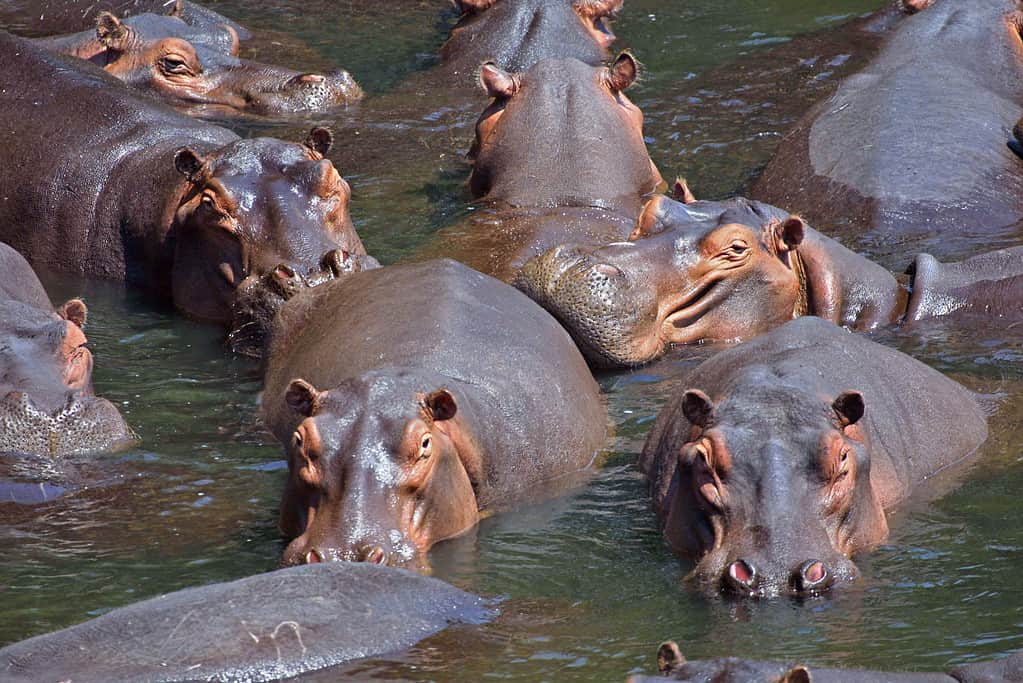
Since they traverse land and water, hippos are vital to an ecosystem’s overall health.
Here’s what tends to change the most when ecological power diminishes:
- Seed dispersal shrinks, which can reduce tree and plant regeneration, especially in forests that rely on large frugivores. Research describing elephants as forest megagardeners explains why losing big movers can change which plants successfully reproduce.
- Nutrient cycling weakens wherever large animals move nutrients across habitats. A well-researched example of this is known as the “hippopotamus conveyor belt”, which shows how hippos transport carbon and nutrients from grasslands into aquatic systems through daily movements and waste.
- Food webs simplify, even if some smaller species persist or expand. Given their diminutive size, they often can’t replace the physical habitat engineering or consumption rates offered by animals like elephants or hippos. These lost roles aren’t easily substituted, no matter how much the ecosystem might try to compensate.
Even if wildlife remains in a landscape, especially in Africa’s diverse environments, the ecosystems may not be entirely stable.
Where the Decline in Africa Appears Steepest
The Oxford study on ecological decline in Africa estimates that the total energy flow through wild birds and mammals across sub-Saharan Africa is about 64% of historical levels, but that average covers significant differences depending on landscape type.
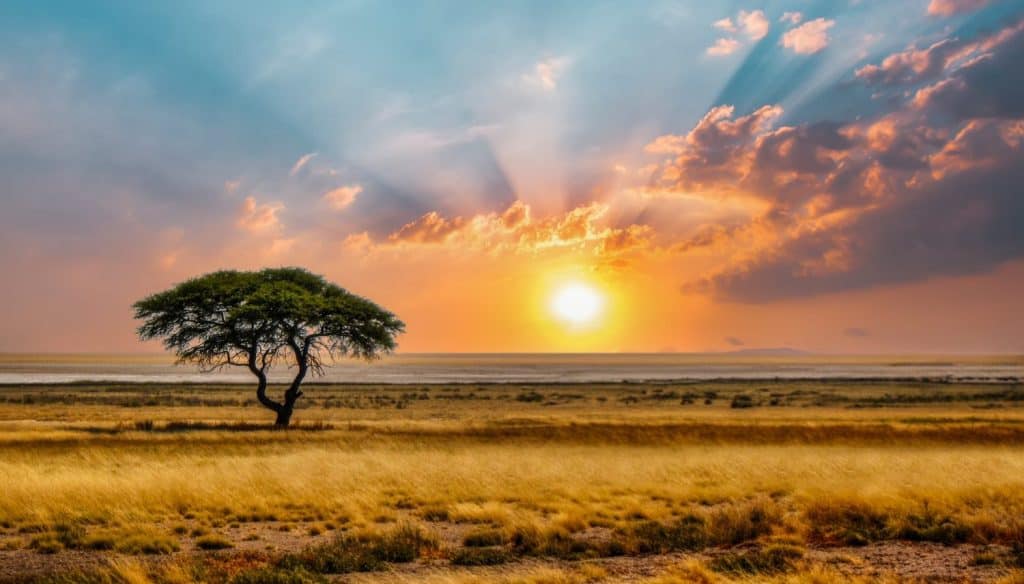
Africa’s savannah ecosystems are intricate, relying on multiple species in order to thrive.
©Lucian Coman/Shutterstock.com
The estimated remaining energy flow, or ecological power, in Africa is reportedly as follows:
- Highest energy flow in restricted or protected areas; hovering near historical averages
- Lower in unprotected, but relatively untransformed, lands
- Much lower in heavily modified landscapes, with energy flow dropping to 41% of historical levels in croplands and 27% in settlements, according to the Oxford study.
Intense alteration of landscapes and fragmentation of once-untouched habitats appear linked to losing functional animal communities, especially the biggest species we know and love.
The Animals and Ecosystem Functions Most Affected
It’s important to note that Africa’s ecological power decline is not evenly distributed across animal groups. A core finding of the Oxford study is that losses are especially pronounced in the functions historically performed by large herbivores.
Researchers stress that megafauna losses carry enormous (particularly functional) consequences. Large-bodied animals often dominate energy flow within ecosystems and shape habitats through their large-scale grazing, browsing, trampling, digging, and traversing of areas.
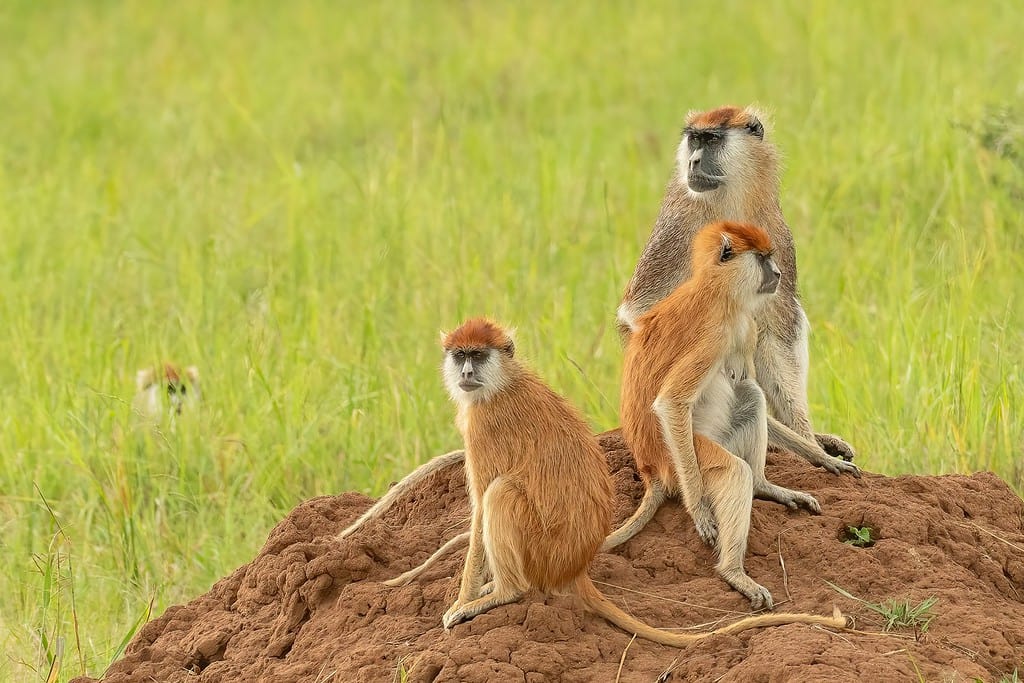
Primates contribute to ecological power in their specific ecosystems.
©Tomas Drahos/Shutterstock.com
A few of the most affected species and ecosystems include:
- Elephants. These beloved African icons dominate ecosystem energetics, with their decline impacting both vegetation structure and overall forest regeneration. Elephants are vital for moving viable seeds across long distances and influencing which trees successfully establish, but their species decline shows in these diminishing ecosystems.
- Hippos. Ultimately, hippos link land and water in Africa. Their daily routines drive nutrients that alter river productivity and ecological dynamics; when they decline, ecosystems become less diverse.
- Biome-specific animals. Many of Africa’s forests are strongly influenced by arboreal birds and primates, grassy systems by terrestrial herbivores, and arid systems by burrowing mammals. As a result, the decline in ecological power can vary greatly by region and habitat.
What’s Driving the Drop in Africa’s Ecological Power?
There are many factors at work behind the scenes of Africa’s ecological power drop. Some of them include:
- Habitat conversion; anything from cropland expansion to increased human infrastructure
- Fragmentation of habitats; if migration or other habitual movements are blocked
- Overhunting and poaching; this is especially impactful for slow-reproducing mammals, like elephants
- Human-wildlife conflict; Africa’s animals are often killed in retaliation or preemptively
- Management gaps; these can happen in unprotected areas, including weak enforcement protocols
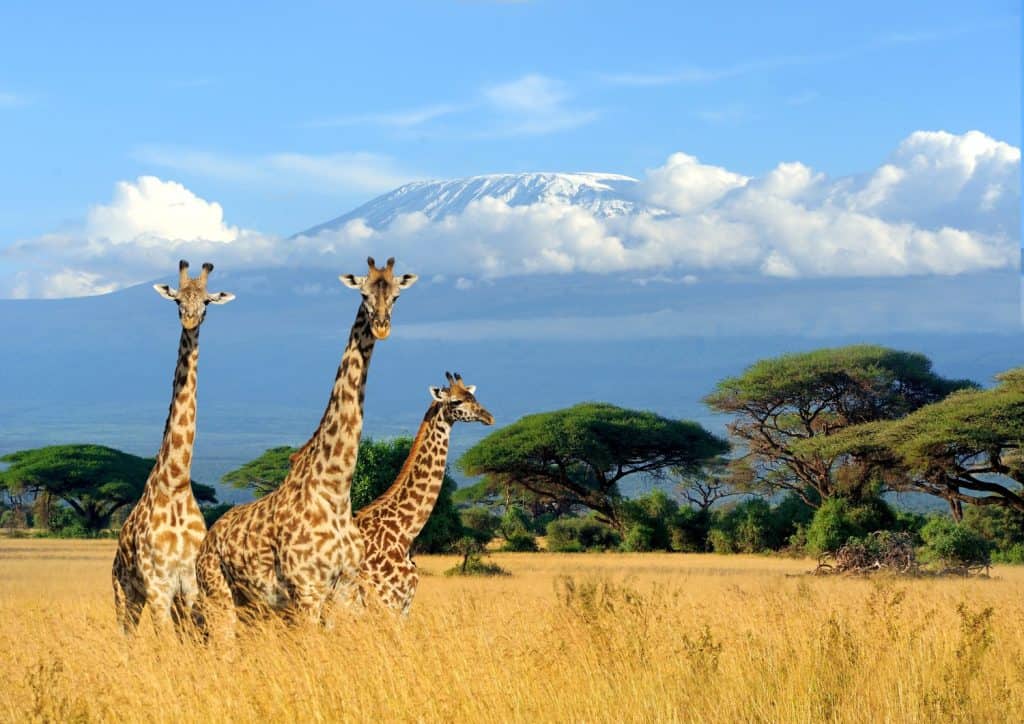
Human-wildlife contact is part of the problem behind Africa’s drop in ecological power.
©Volodymyr Burdiak/Shutterstock.com
Even when a species isn’t completely absent from an ecosystem, its population density may be too low to perform the same ecosystem work it once did. This is the challenge Africa faces, along with some potential solutions.
Conservation Solutions for Africa’s Waning Ecological Power
Ecological power is all about restoring ecosystem function, which is why any potential solutions need to rebuild entire ecosystem roles, not just protect certain species.
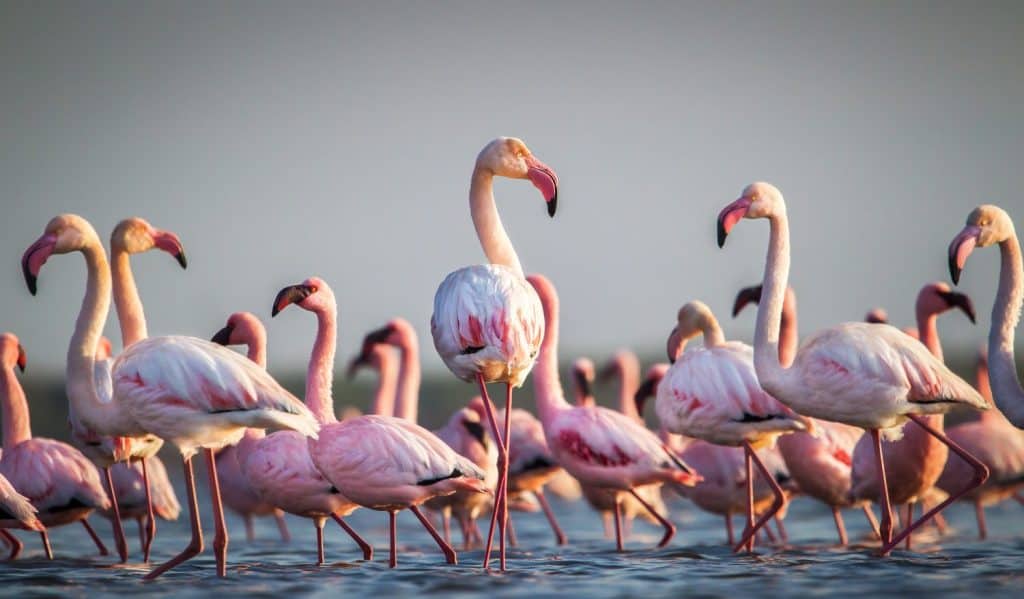
There are many conservation solutions to consider for Africa’s historical dip in ecological power.
©John Michael Vosloo/Shutterstock.com
Some solutions for Africa’s current decline in ecological power include:
- Strengthening protected area effectiveness. Well-managed protected areas can retain far more ecological functioning than heavily modified lands.
- Restoring missing functional groups, especially large herbivore populations.
- Reducing conflict and improving coexistence among humans and animals. Practical tools, such as better livestock protection, early-warning systems, targeted compensation, and community benefit models, can significantly improve the chance of coexisting.
- Supporting community-based conservation. Evidence from Namibia shows how certain governance and incentives can change outcomes on communal lands, especially through a lion population experiencing recovery. This recovery coincided with the ample growth of communal conservancies.
- Linking action to actual global targets and involving accurate monitoring. Many reports make it clear that protection and restoration are now explicit and vital international benchmarks. When accurately monitored, it can help track whether those actions are actually rebuilding ecosystem capacity.
Will Africa’s Ecological Power Recover?
Ultimately, Africa’s ecological power decline is a warning that conservation needs to look beyond endangered species. There are entire ecosystems involved in this decline, ecosystems relying on individual mammals as well as how every other species interacts with these mammals.
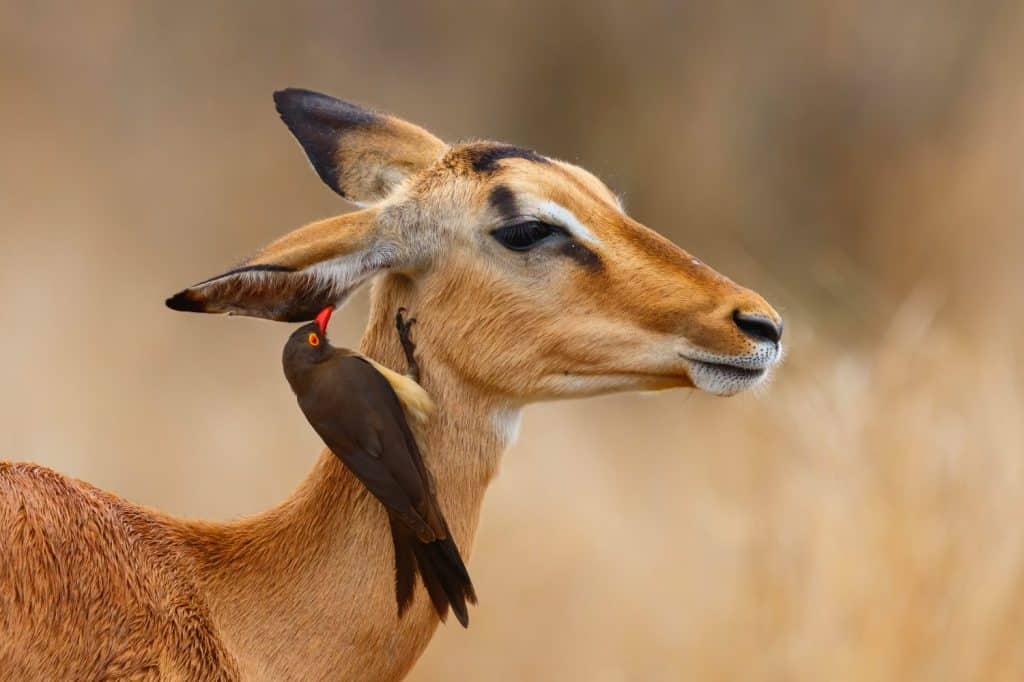
Restoration and preservation of certain habitats will help Africa’s ecosystems in the long run.
©Henk Bogaard/Shutterstock.com
Ecosystems function in such delicate ways that it can be difficult to measure their health. This Oxford study helped uncover ecological decline in measurable ways, making solutions easier to target. If restoration and protection efforts focus on the function of entire ecosystems, rather than just wildlife population numbers, these diverse landscapes may remain resilient for both wildlife and people.