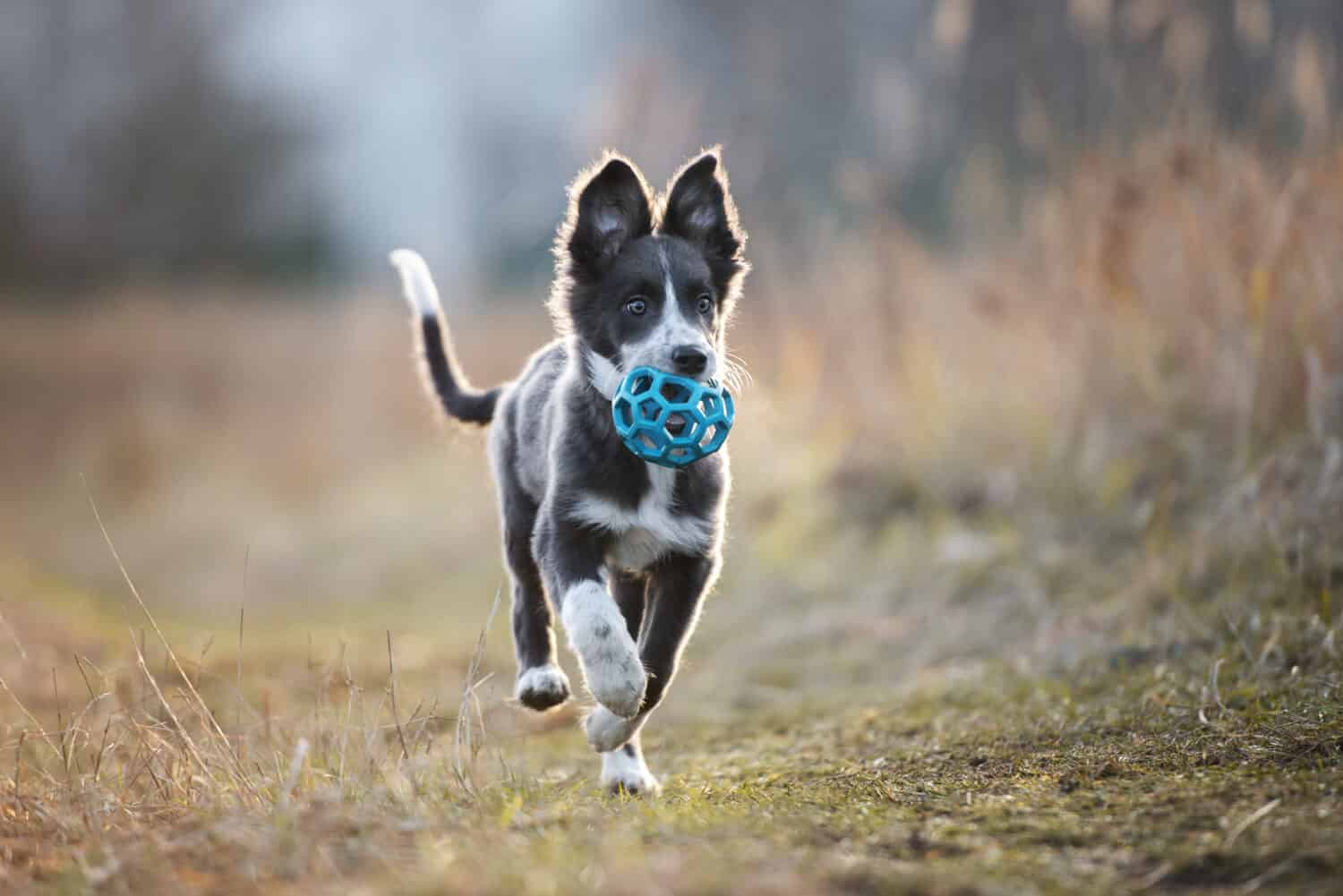

The bond between humans and dogs is so strong that when our dog is sick or hurt, we can feel a level of concern almost as if it were our child. When choosing a new dog, it makes sense to select one that is more likely to be healthy, helping you avoid the stress, expense of veterinary bills, and the premature grief caused by a shortened lifespan. While no breed is completely immune to health problems, veterinarians agree that some breeds consistently enjoy strong overall health and fewer inherited conditions. For those looking for more outdoor adventures and less time in the waiting room, here are the breeds most often recommended by top vets.
There Is No Perfect Breed

Liza Cahn says there’s a lot more to consider than breed when determining an animal’s health risk factors.
Dr. Liza Cahn, a veterinarian with Embrace Pet Insurance, cautions not to rely too heavily on the average characteristics of a breed to determine whether a given dog is healthy or likely to stay healthy.
“It’s true that some breeds of dogs are more likely to inherit certain genetic conditions; however, this does not mean that other breeds are immune to these issues, or that a dog of a predisposed breed will develop that condition,” she says. “That’s because, in addition to genetics, there are many other factors influencing our dogs’ health, including lifestyle, age, nutrition, exercise, body condition score, and the preventative veterinary care that they receive.”
Therefore, when selecting a dog, it’s important to learn as much as possible about its parentage and the care it has received since puppyhood, as these factors can provide valuable insight into the dog’s individual health risks.
The Most Common Illnesses in Dogs

Dogs, like people, need some extra TLC when they’re under the weather.
©iStock.com/igorr1
Just like people, dogs can fall ill for many reasons—injuries, viruses, parasites, or genetics all play a role. The most common health problems veterinarians see include vomiting, diarrhea, and digestive upset; dental disease affecting the teeth and gums; ear infections that cause itching and head-shaking; skin allergies that trigger constant scratching; and respiratory illnesses such as kennel cough. Arthritis and hip problems, especially in older dogs or certain large breeds, are also common. While some breeds are more vulnerable to specific genetic disorders—particularly those from poor breeding lines—early detection and strong genetics can make all the difference in keeping a dog healthy. And there’s more hope on the horizon. Dr. Cahn says that researchers are developing medications to increase longevity in dogs.
Do Smaller Dogs Live Longer?

Due to their breathing problems, breeding French bulldogs is illegal in the Netherlands and some other European countries.
©Tatianasoba/Shutterstock.com
According to Dr. Cahn, smaller dogs generally live longer than large or giant breeds; however, this doesn’t necessarily mean that they are ‘healthier.’ For example, small breeds such as Chihuahuas, Pugs, and Yorkies often have significant dental disease due to overcrowding in their mouths, retained deciduous teeth, or malocclusion (over- or underbites). Pugs, French bulldogs, and other brachycephalic (flat-faced) breeds, regardless of size, are prone to breathing issues.
Hardy Dog Breeds

There is no one authoritative list of the healthiest dog breeds.
©Dora Zett/Shutterstock.com
The AKC and veterinary associations don’t issue lists of the healthiest breeds, but some of the same breed names commonly come up when veterinarians are asked their opinion. Dr. Cahn’s picks? “It’s difficult to determine the healthiest dog breeds or those with the least medical problems, but breeds such as Australian Cattle Dogs, Australian Shepherds, Basenjis, Border Collies, Siberian Huskies, and mixed-breed dogs commonly make the list,” she says. Check out those breed characteristics and care tips below.
Australian Cattle Dog
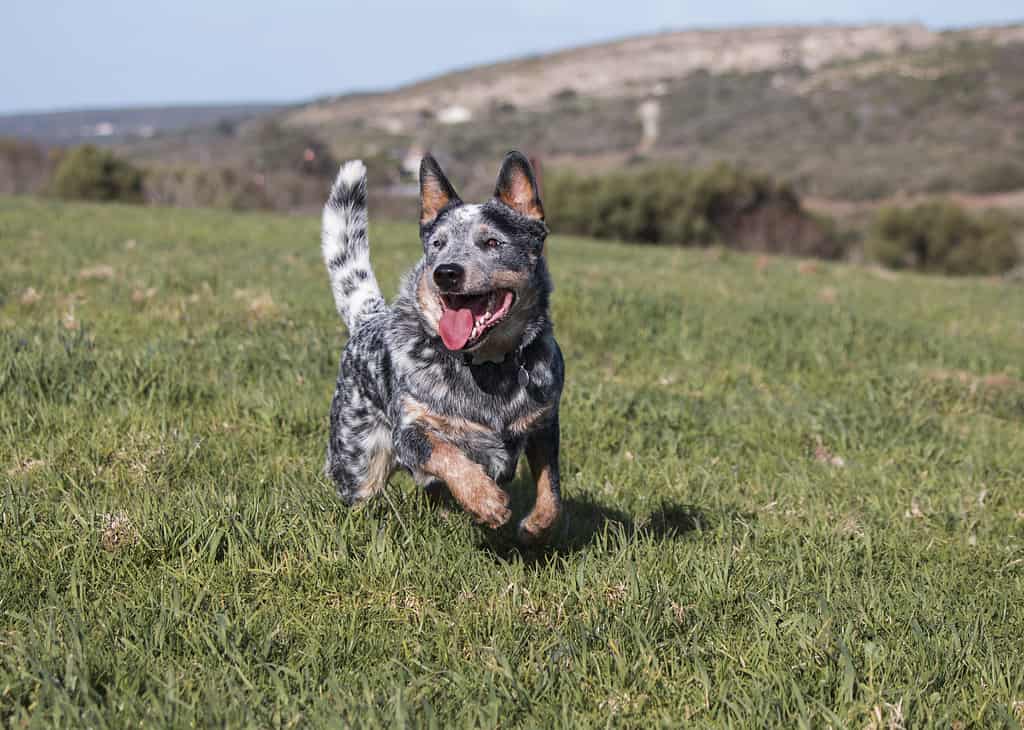
The Australian cattle dog is also known as the blue heeler.
©Madelein_Wolf/iStock via Getty Images
- Height/Weight: 17–20 inches; 35–50 pounds
- Lifespan: 12–16 years (record-holder Bluey lived to 29)
- Strengths: Extremely rugged; low rate of inherited disease; strong joints and immune system
- Weaknesses: Occasional deafness, minor eye conditions
- Care Tips: Needs daily, strenuous exercise and a “job” to stay content; minimal grooming required
- History: Developed in 19th-century Australia as a dog with stamina and trainability for herding cattle over vast, rough terrain.
Australian Shepherd
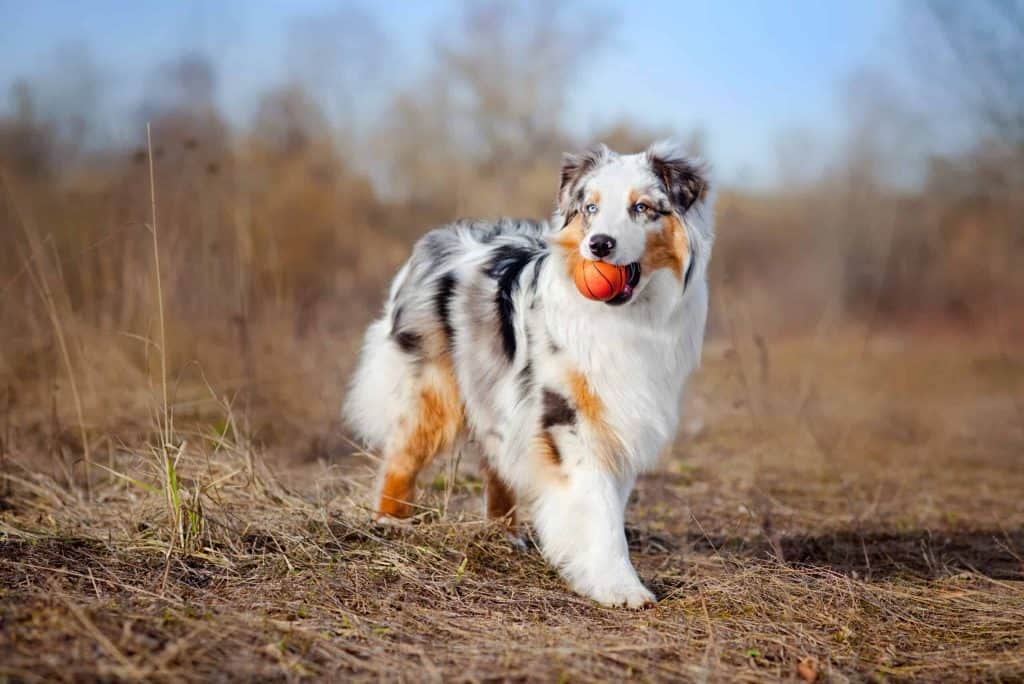
Australian shepherds tend to be more sociable and playful with people than Australian cattle dogs.
©iStock.com/Ksuksa
- Height/Weight: 18–23 inches; 40–65 pounds
- Lifespan: 12–15 years
- Strengths: Agile, energetic, generally healthy; rarely overweight
- Weaknesses: Risk of eye issues and hip dysplasia if poorly bred; high exercise and companionship needs
- Care Tips: Requires daily vigorous activity, mental stimulation, and weekly brushing to prevent matting
- Difference from Australian Cattle Dog: Longer, feathered coat; more sociable and people-focused; bred mainly for sheep herding; more playful, less stubborn
- History: Despite the name, developed in the U.S. from Basque sheepdogs arriving via Australia.
It’s true that some breeds of dogs are more likely to inherit certain genetic conditions; however, this does not mean that other breeds are immune to these issues, or that a dog of a predisposed breed will develop that condition.
Dr. Liza Cahn, a veterinarian with Embrace Pet Insurance
Basenji

Basenjis are becoming more popular but are still relatively rare and expensive in North America and Europe.
©New Africa/Shutterstock.com
- Height/Weight: 16–17 inches; 22–24 pounds
- Lifespan: 13–14 years
- Strengths: Very few inherited illnesses; coat rarely triggers allergies
- Weaknesses: Rare kidney or thyroid issues in some lines
- Care Tips: Needs daily exercise and early socialization; self-cleans like a cat
- History: Ancient Central African breed valued for agility, intelligence, and quiet, yodel-like vocalization. Listen to it yourself in this video.
Border Collie
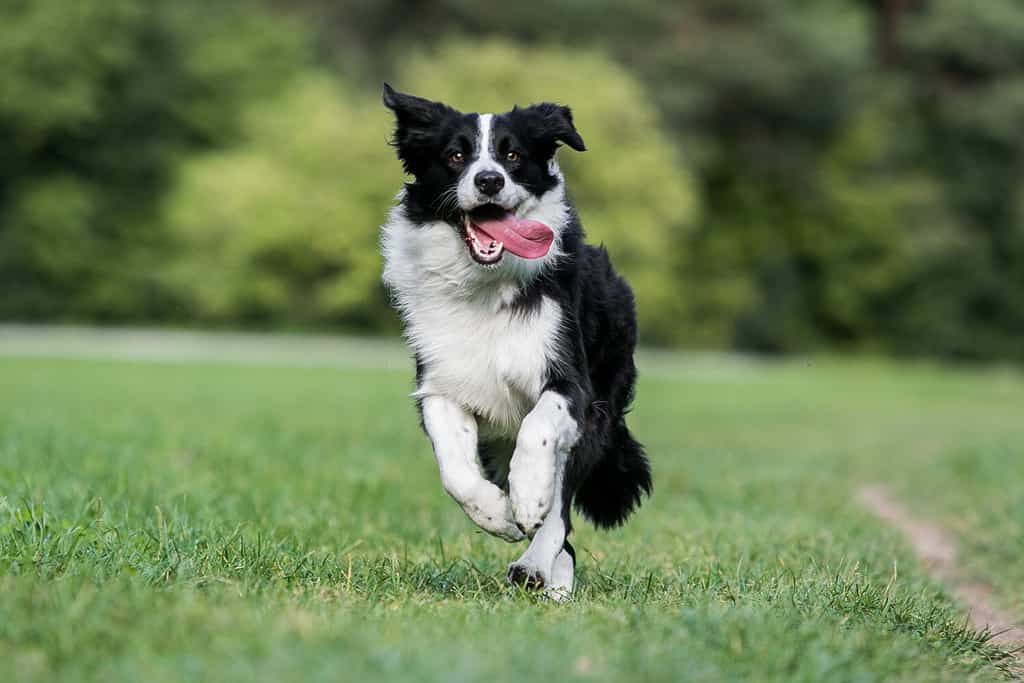
Border collies are energetic, needing hours of exercise every day.
©Aneta Jungerova/Shutterstock.com
- Height/Weight: 18–22 inches; 30–45 pounds
- Lifespan: 12–15 years
- Strengths: Exceptionally intelligent and active; generally healthy aside from a few hereditary conditions
- Weaknesses: Collie eye anomaly and hip dysplasia in some lines
- Care Tips: Needs hours of daily exercise and mental challenges; ideal for agility and advanced training
- History: Developed along the Scotland–England border for sheep herding, famed for focus and intelligence.
Siberian Husky
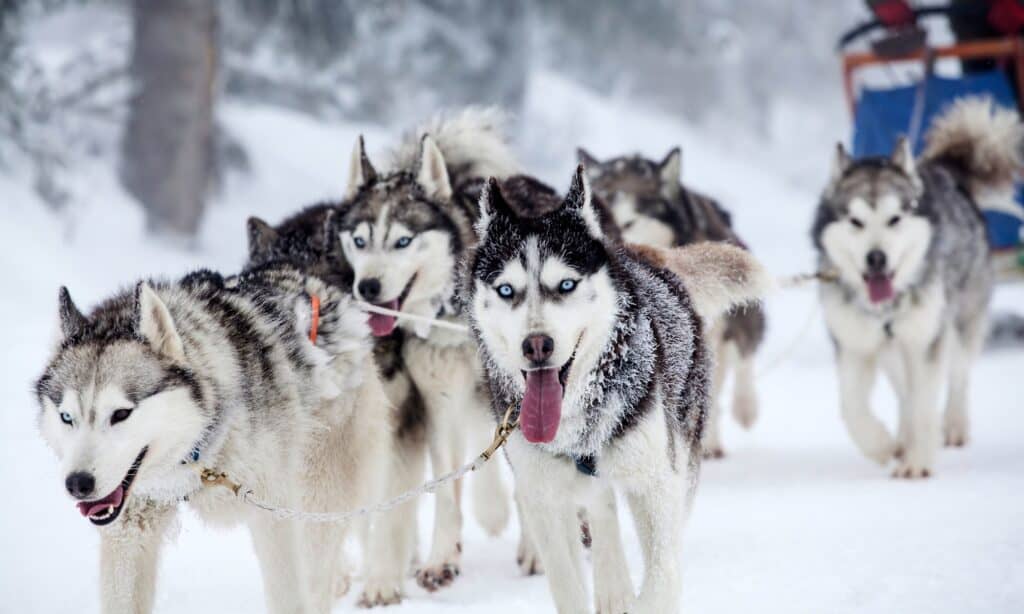
Originally bred to pull sleds, Siberian huskies revel in snowy weather.
©iStock.com/8213erika
- Height/Weight: 20–23.5 inches; 35–60 pounds
- Lifespan: 12–14 years
- Strengths: Athletic, healthy, and resistant to obesity
- Weaknesses: Some lines develop eye and skin problems; strong prey drive and tendency to roam
- Care Tips: Provide heavy exercise—ideally running—and brush regularly during shedding seasons
- History: Bred by the Chukchi people of Siberia for sled pulling over frozen distances.
Mixed-Breed

This devastatingly adorable pupper is a beagle-pit bull mix.
©Karen Dole/Shutterstock.com
- Height/Weight: Varies
- Lifespan: 10–16 years or more
- Strengths: Often benefit from hybrid vigor, reducing inherited health risks
- Weaknesses: Can still inherit problems, though usually less severely
- Care Tips: Customize exercise and grooming to the dominant breeds in their mix; annual checkups are key since health risks are harder to predict
- History: Result of intentional or accidental crossbreeding; often found in shelters; known for unique personalities and generally strong health
Are Mutts the Best?

The “shorkie” is a mix between a Shih Tzu and a Yorkshire terrier.
©PokoFoto/Shutterstock.com
Maybe with all the problems of purebred dogs, a good old mutt is your best choice. But Dr. Cahn says this isn’t necessarily the case.
“Regarding mixed-breed dogs, there is a concept known as hybrid vigor, which states that a wider gene pool leads to hardier and healthier individuals. When applied to dog breeds, it makes sense that selective breeding of purebred dogs has led to an increase in homozygous (identical copies) genes, increasing the risk for specific inherited disorders,” Dr. Cahn says. “On the other hand, mixing breeds increases genetic diversity and makes it less likely for offspring to inherit two copies of the same detrimental recessive gene.”
In short, hybrid vigor has limitations, Dr. Cahn says. A study from the Dog Aging Project found that the risk of common medical conditions varies by specific condition and breed, and while mixed-breed dogs may have a lower risk for some inherited disorders, the difference in overall health between purebreds and mixed breeds is not as large as once thought.
Health Tips for Keeping Any Dog in Peak Condition

Regular walks help keep your pups—and you—more healthy.
©SB Arts Media/Shutterstock.com
No matter the breed, a few key habits can greatly improve a dog’s odds for a long and healthy life. Annual veterinary checkups are vital for catching illnesses early, and a balanced, age-appropriate diet helps maintain energy and overall wellness. Regular exercise—whether through walks, active play, or puzzle toys—keeps both body and mind sharp, while consistent dental care prevents painful tooth and gum disease. Staying up-to-date on vaccinations and maintaining year-round flea, tick, and heartworm prevention protects against parasites. Keeping your dog at a healthy weight supports joint, heart, and metabolic health. Finally, routine grooming not only keeps a dog looking good but also allows early detection of skin issues, lumps, or other changes that might need a vet’s attention.
In the end, strong genetics are just the starting point. The real key to a long, happy, tail-wagging life lies in your daily care—feeding well, exercising often, and visiting the vet regularly. And of course, give your dog the attention and love it needs—and so freely gives to you.