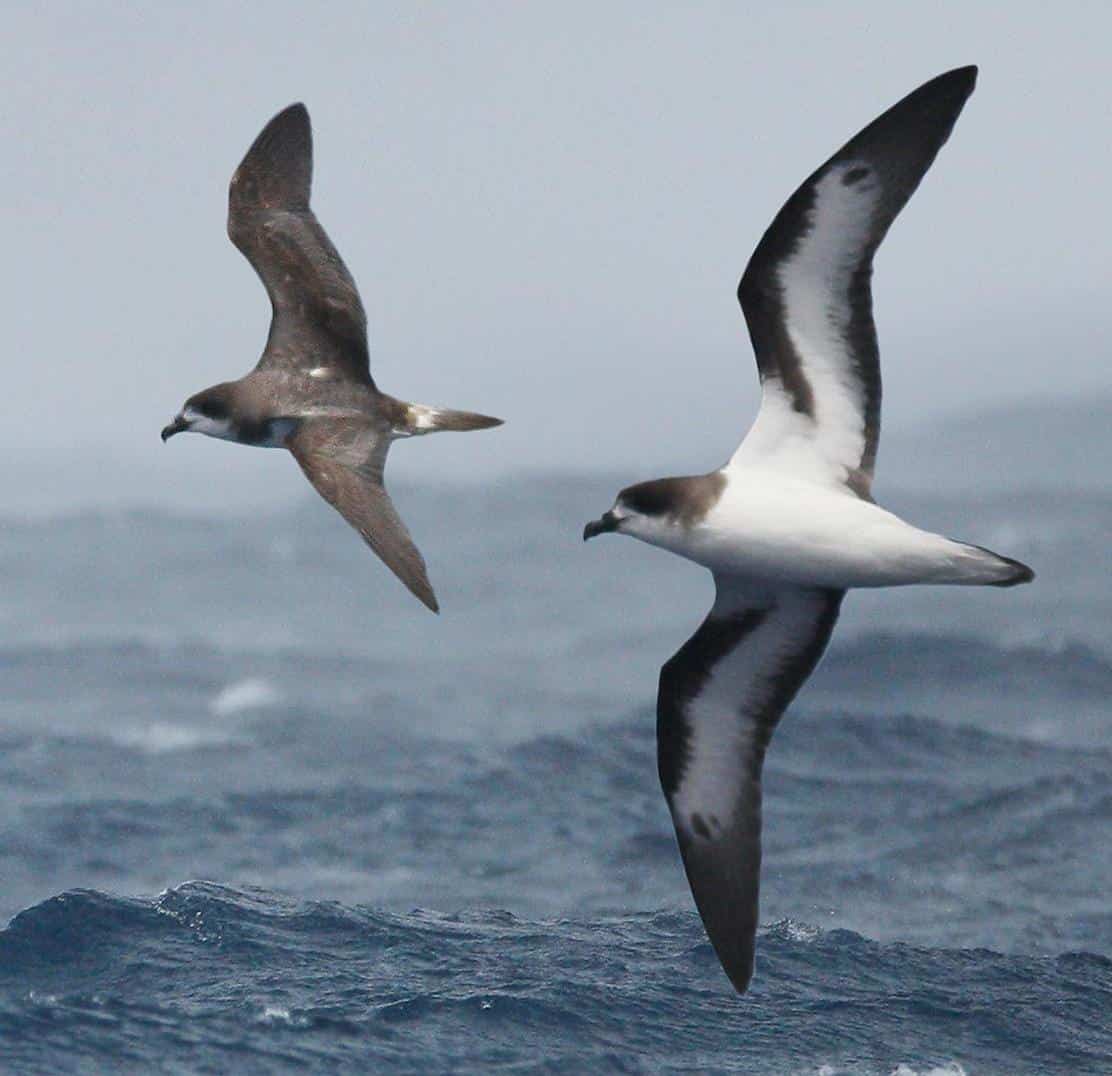

Animals are constantly in competition with each other for resources and food. Whether on land or at sea, the need for sustenance is crucial for any animal’s survival. This video by Jérôme Guillaumot shows two petrel birds fighting for food in the ocean! If you’re curious and wish to learn more about petrels, keep reading below!
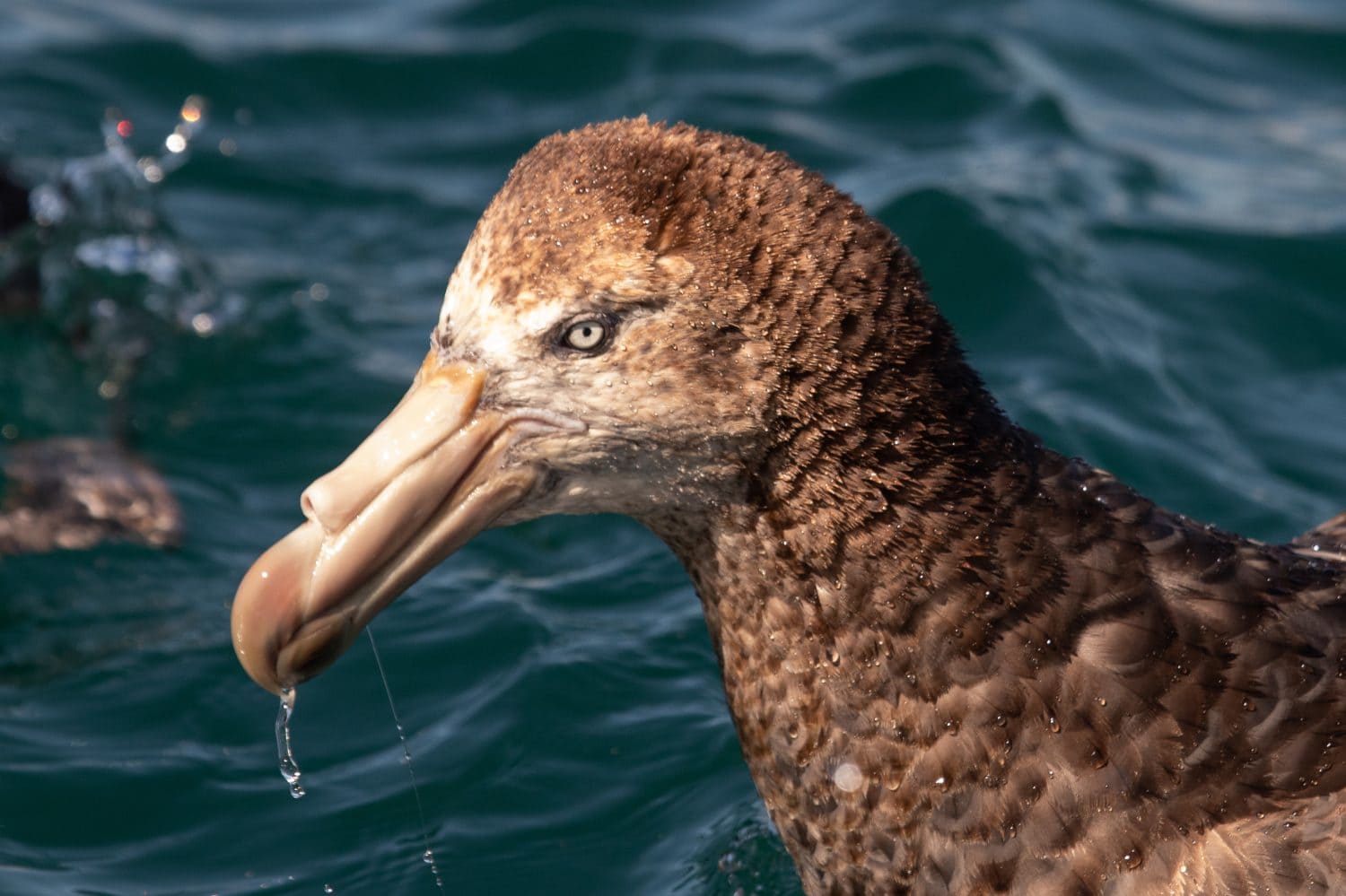
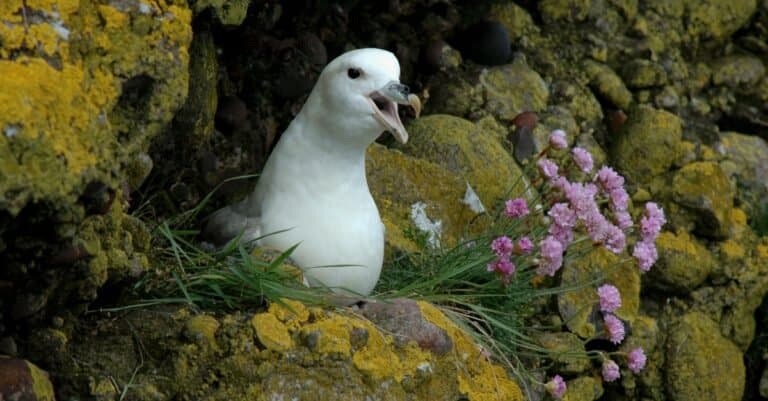
Petrels feed on animal carcasses.
©Imogen Warren/Shutterstock.com
About Petrels
Petrels are a species of seabird with a large geographic range. They inhabit the cliffs and slopes of islands throughout the coasts of South America, Australia, New Zealand, and Antarctica. Petrels are part of the order Procellariiformes, whose members are often called “tube-nosed seabirds.” Like other members of this order, they are characterized by the tubular shape on top of their beaks. These strange-looking mounds on the beak help to excrete any salt from the seawater that they drink! Petrels vary in size depending on the species, and the video above most likely features a giant petrel. Giant petrels can have a wingspan of up to seven feet, making them massive birds! Giant petrels are aggressive hunters and scavengers, often using force to feed on the carcasses of seals, penguins, and other seabirds.
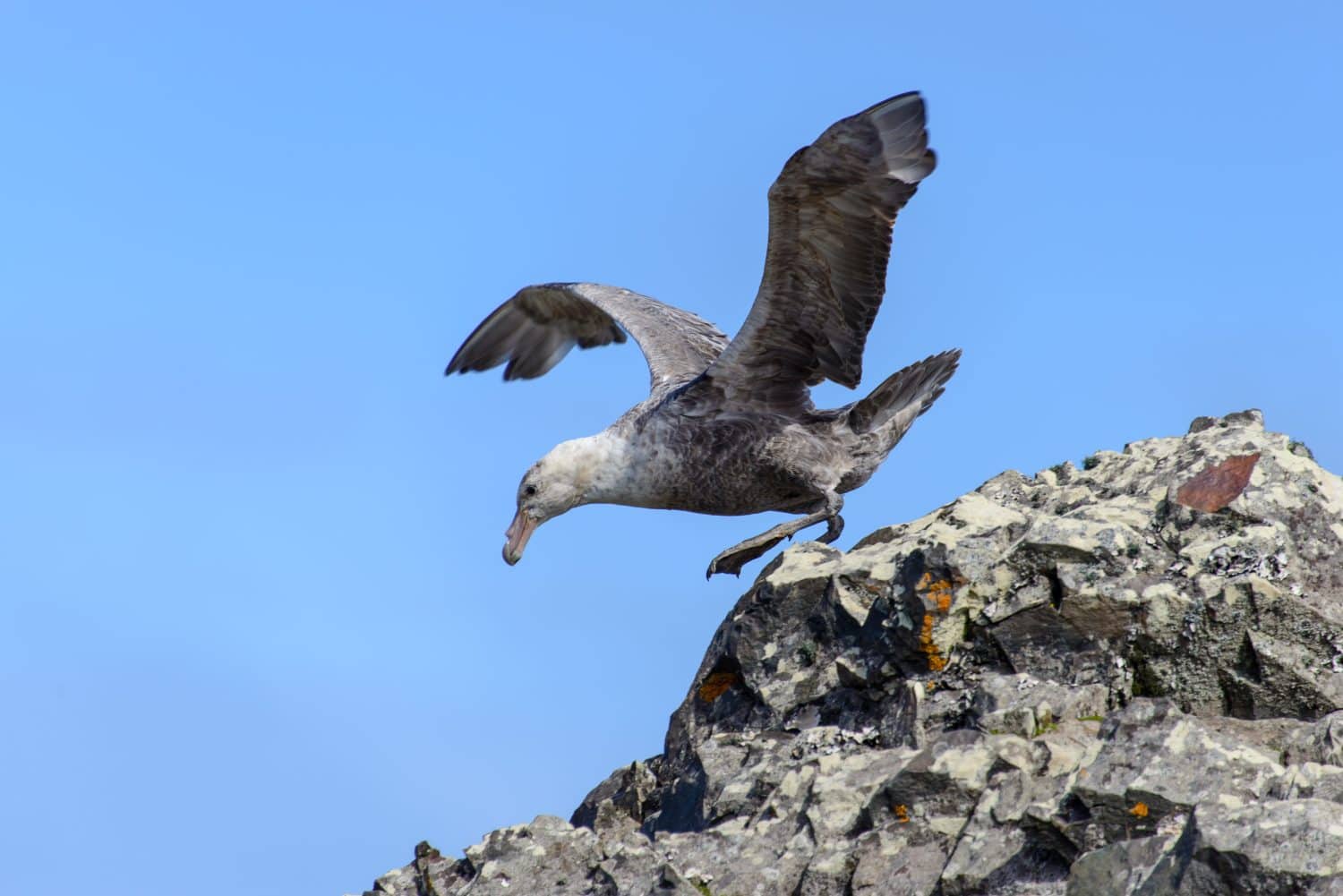
Petrels are scavengers.
©Alexey Seafarer/Shutterstock.com
Why So Aggressive?
As petrels are scavengers, they are often aggressive when hunting for their next meal. What makes them so aggressive with each other is their group gathering behavior. Petrels have an excellent sense of smell, so if one petrel finds a meal, others are likely to find it as well. Because the available food source is limited, petrels must compete with each other to gain access.
Petrels fight in a variety of ways, using their strong beaks and large wings against each other. Their beaks are hooked at the end, which they use to stab their targets. They will also grab onto other petrels’ wings to drag them away or move them, often drawing blood in the process. However, petrels sometimes use even more extreme tactics during fights. In especially intense fights, a petrel may vomit a foul-smelling stomach oil to drive away other animals. These large group fights often end with one bird at the center, granting it access to the carcass. Although these fights can be brutal, they are necessary for the petrel’s survival.