
Quick Take
- Not every relocated crocodile tries to find its way back, and understanding why some don't could quietly reshape how conservation programs are run. See which crocs stayed →
- Releasing captive-bred adult crocs seems like the obvious conservation win, but it comes with a problem nobody wants. Explore the adult release trade-off →
- When a crocodile decides to head home, the danger doesn't stay in the water. See the risks of homing →
Did you know that crocodiles are very good at finding their way home? That’s good news for a croc that’s a long way from its burrow, but bad news for conservationists! Relocating these animals can be very challenging because they don’t stay where they are placed. They try to find their way back to what they consider their home. Some new research, however, has offered hope for saltwater crocodile relocation projects.
Examining Homing Behavior
In scientific terms, ‘homing’ is a behavior where animals return to a spatially restricted place that they consider their ‘home’ because of their previous experiences. For most animals, it is a very useful skill. It enables them to navigate diverse landscapes and return to the very place where they are safest and most likely to reproduce successfully.
Homing can be on a small scale, such as when an animal returns to its nest or burrow after hunting for food. In other cases, such as in migrating birds, the animals can be away from ‘home’ for months. This is a remarkable ability that can involve navigating a route over thousands of miles. Animals may use three types of homing cues: genetic (or innate), sensory, and memory-dependent cues. This area of animal behavior remains mysterious. However, it is known that sea turtles use a combination of visual landmarks and geomagnetic cues. Salmon, on the other hand, use olfactory cues—detecting chemicals in the water—to navigate. Homing animals typically have prior experience with the cues associated with their home, gained through parental guidance, repeated visits, or because it is their birthplace (as with salmon).
Do Crocodilians Show Homing Behavior?
Crocodilians are a group of largely aquatic reptiles that includes crocodiles, alligators, and caimans. Previous research has shown that these large predators have a remarkable ability to find their way back to their home range. When several species, including saltwater crocodiles (Crocodylus porosus), are caught in the wild, moved to a new location, and released (translocation), most of them either return to where they were captured or at least travel in that direction. That is, until they encounter a barrier they cannot cross. These animals also often face many problems in their new territories and find it hard to adjust to their new environments.
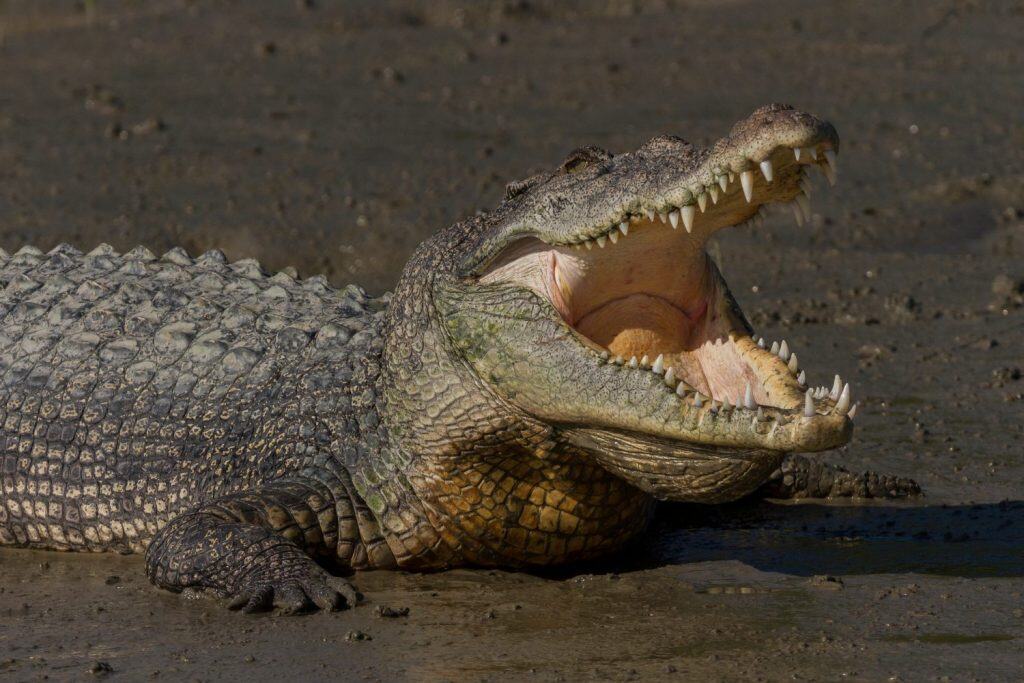
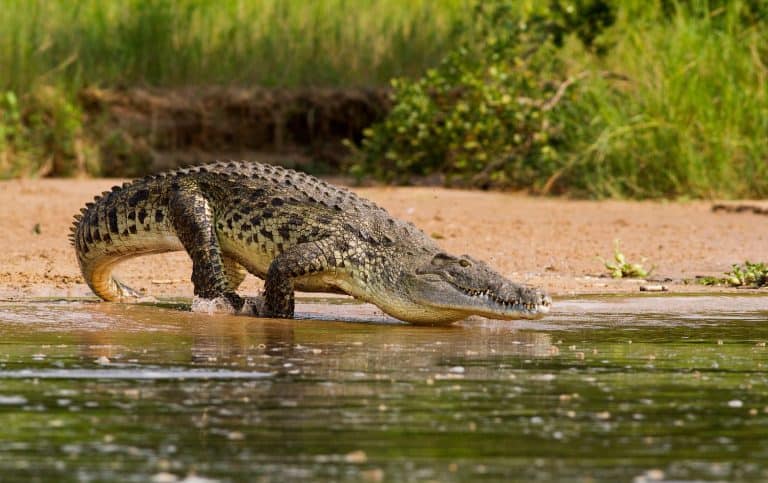
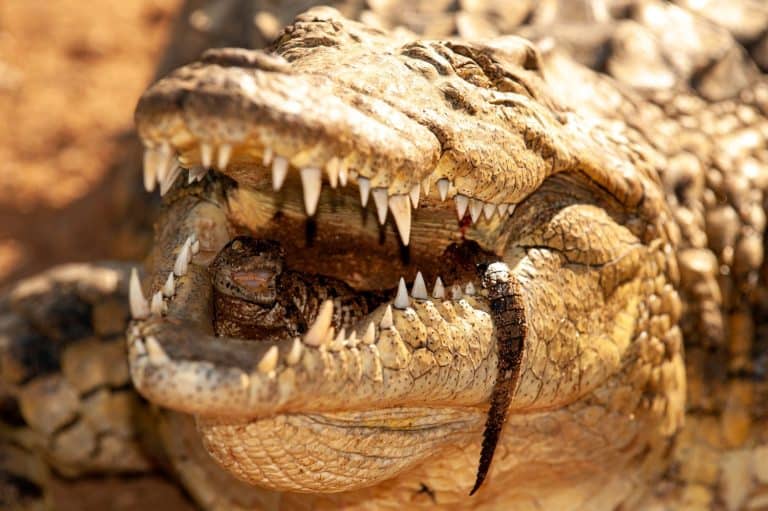
Saltwater crocs have a strong homing instinct.
©Soumyajit Nandy/Shutterstock.com
Translocation is a key conservation strategy and is necessary to help many struggling species. It is needed to restock depleted wild populations and establish new populations in restored habitats. However, it is unclear how crocodiles bred or reared in captivity for extended periods will behave if released into the wild.
The Challenges of Crocodile Translocation
A standard translocation practice is to reintroduce captive-bred hatchlings or juvenile animals, but these young crocodiles are very vulnerable to attacks by other animals and environmental hazards. They also take longer to start breeding and to contribute to the recovery of the population. Introducing captive-bred adults provides robust animals that are more likely to survive and can begin reproducing immediately.
But what if all the translocated crocodiles attempt to return to the captive breeding facility? To investigate this, scientists released five subadult and adult saltwater crocodiles with different life histories.
Saltwater Crocs in the Sundarbans
This study took place in the Sundarbans of Bangladesh, the world’s largest contiguous mangrove forest. In this area, saltwater crocodiles are the only crocodilian species that breed. Since the 1970s, their populations have been decimated by hunting for their skins. Saltwater crocodiles also inhabit other regions across South and Southeast Asia, as well as northern Australia.
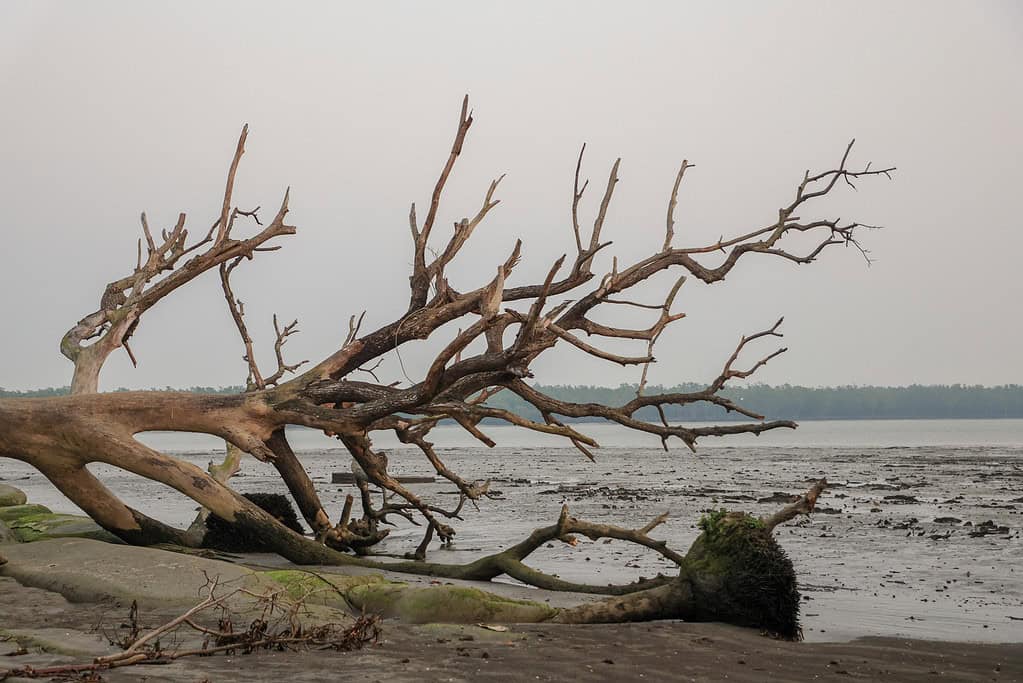
The study was conducted in the Sundarbans, Bangladesh.
©Tareq Ahmed/iStock via Getty Images
The local Karamjal Crocodile Breeding Centre (KCBC) produces crocs for release into the wild. Around 200 juveniles and hatchlings have been released, but their homing behaviors have not been fully documented. A new study aimed to change that.
How Was the Saltwater Croc Release Study Carried Out?
In March 2024 and January 2025, three captive-reared subadult female saltwater crocodiles were selected for release. The first, named Potia, had been raised in captivity from birth. The second, Juliet, had spent around 22 years in captivity. The third, Madhu, had spent at least eight years in captivity. Also, a male called Jongra, originally captured in 2022, was released. Finally, one subadult male, Harbaria, was wild-caught at Harbaria Khal and released again at his point of capture. All of the crocodiles were fitted with satellite transmitters so researchers could track their movements.
How Did the Translocated Crocs Behave?
Harbaria, the wild-caught crocodile that was released at the same site, showed the same movement patterns as recorded in other studies. Essentially, he remained within his home range.
Juliet, Madhu, and Potia behaved similarly to Harbaria, making no attempt to return to their previous home. This suggests they may lack the spatial imprinting or navigational cues necessary for homing. They settled into a small, well-defined area and seemed to be doing well.
Jongra, however, struggled more with his translocation. He traveled daily in the direction of his original capture site, sometimes covering more than 18 miles per day.
Conservation and Management Implications
This study has confirmed that homing behavior is a major challenge for crocodile translocation and, therefore, for crocodile conservation in general. When ‘nuisance’ crocodiles are translocated, perhaps because they are causing concern in a human settlement, they are likely to find their way back! These long journeys are costly for the crocodile, requiring significant energy and exposing it to hazards. They also pose potential risks to human communities along the route. For example, their journey could cross densely populated areas or livestock-rich locations.
Alternative options may be preferable, such as moving the crocodile into captivity or translocating it to areas surrounded by impassable physical or geological barriers. Both approaches would benefit the animal and help reduce human–wildlife conflict.