
Quick Take
- One of Washington's best birding destinations sits inside a major city, though it has a dark wartime history that most visitors never suspect. Explore Seattle's birding gem →
- One bird that nests here spends virtually its entire life at sea, which raises an obvious question about why it ever comes inland at all. Meet the marbled murrelet →
- A single refuge covers just 2% of its estuary's intertidal habitat yet draws half of the region's entire migrating shorebird population. Something about this place is clearly different. See this shorebird hotspot →
- Construction work at one of these birding areas accidentally rewrote what scientists believed about Ice Age Washington. Discover the Ice Age find →
Birdwatching in Washington spans diverse habitats from the Olympic rainforests and Cascade Mountains in the western part of the state to the semi-arid shrub-steppe to the east. Of the more than 500 total bird species recorded in the state, around 300 species are considered native breeders or regular seasonal/year-round inhabitants. Washington is packed with incredible bird-watching opportunities, with more than 300 locations across the state. Continue reading to learn about some of the best.
Skagit Wildlife Area
Consisting of over 18,000 acres, the Skagit Wildlife Area is primarily situated in the tidal estuaries, agricultural lands, and river deltas of Western Skagit County. This coastal refuge attracts vast numbers of migratory and resident bird species, offering prime viewing for lesser snow geese, trumpeter and tundra swans, bald eagles, short-eared owls, peregrine falcons, and various shorebirds and waterfowl.
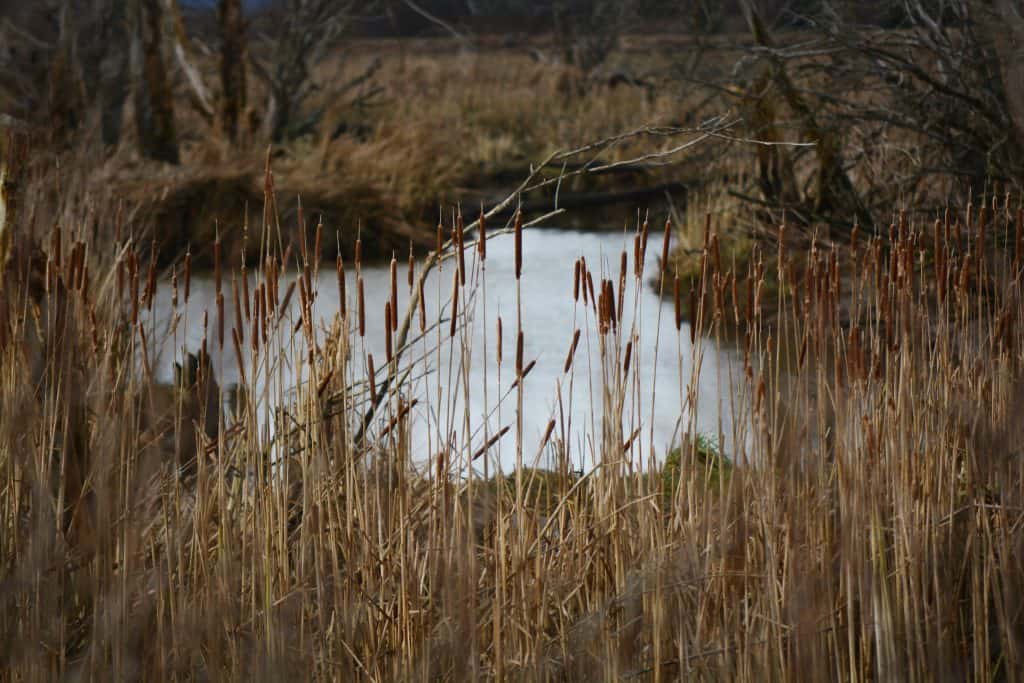
Located on Fir Island within the Skagit River Delta, Wiley Slough is a 190-acre tidal marsh and top-tier birding destination
Besides being a splendid habitat for migratory birds, Skagit Valley’s rich glacial soils and climate make it a major agricultural hub, producing approximately 75% of the commercial tulip bulb output in the United States.
Discovery Park
Discovery Park is a 534-acre natural area located on Magnolia Bluff in Seattle, Washington, overlooking Puget Sound. The city’s largest public park, Discovery Park has habitats that attract over 270 bird species, including bald eagles, ospreys, pileated woodpeckers, various owls, and migrating warblers.

Discovery Park is a city park in the heart of Seattle.
The land on which Discovery Park is now situated was previously the site of a U.S. Army installation named Fort Lawton, which held Italian and German prisoners of war during World War II.
Wenas Wildlife Area
The Wenas Wildlife Area covers between 105,000 and 106,000 acres across Central Washington. The shrub-steppe, ponderosa pine, and riparian creeks attract regional birds like the white-headed woodpecker, pygmy nuthatch, calliope hummingbird, and MacGillivray’s warbler, alongside various owls and flycatchers.
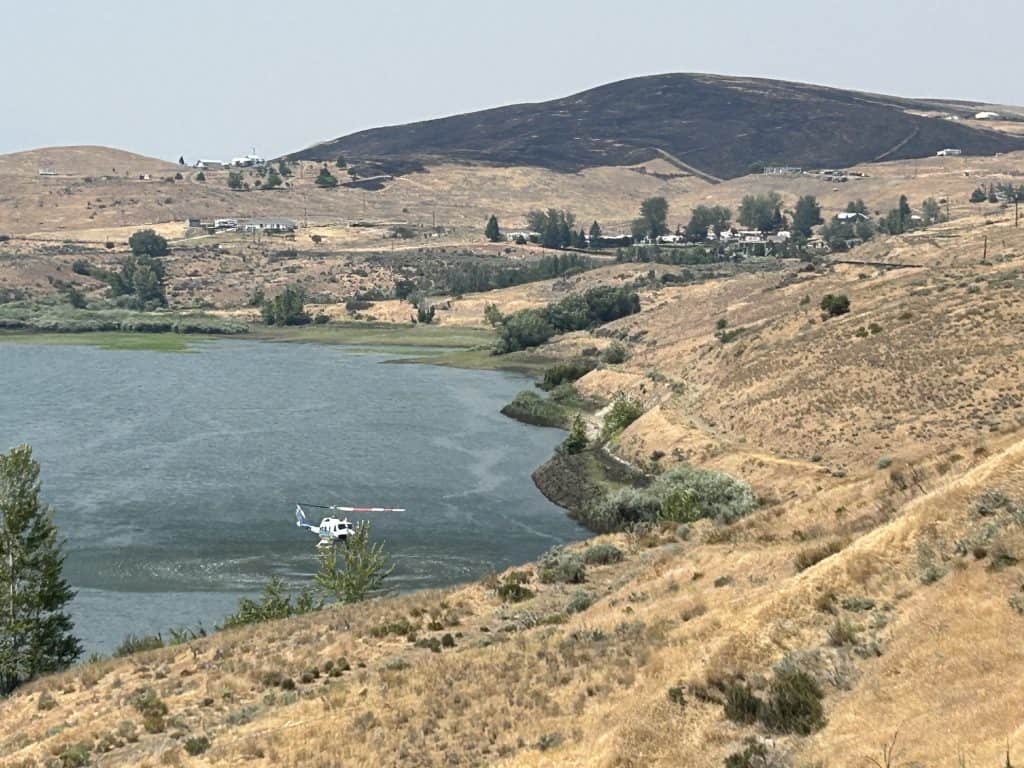
A helicopter is hovering over Wenas Lake, scooping up water for aerial firefighting operations. Note the charred hillside in the background.
In 2005, a property owner excavating a hillside right above the valley unexpectedly unearthed a humerus bone belonging to an ancient Columbian Mammoth. The bones were found well above the historic Missoula Ice Age Flood deposits, proving that these massive creatures actually lived, roamed, and died in the Wenas Valley rather than simply being washed into the area by catastrophic prehistoric floods.
Olympic National Park
Olympic National Park consists of four unique ecosystems: mountains, rivers, forests, and coastline, all of which attract a variety of birds.
Its lowland old-growth forest is home to more than 1,500 plant species and ancient trees. Olympic National Park’s diverse ecosystems support a variety of bird species, such as the Peregrine Falcon, Winter Wren, Black Turnstone, Northern Pygmy Owl, and Red-Breasted Sapsucker. Bald Eagles, Rhinoceros Auklets, Western Gulls, and other seaside birds can be seen feasting or building nests along the shoreline.
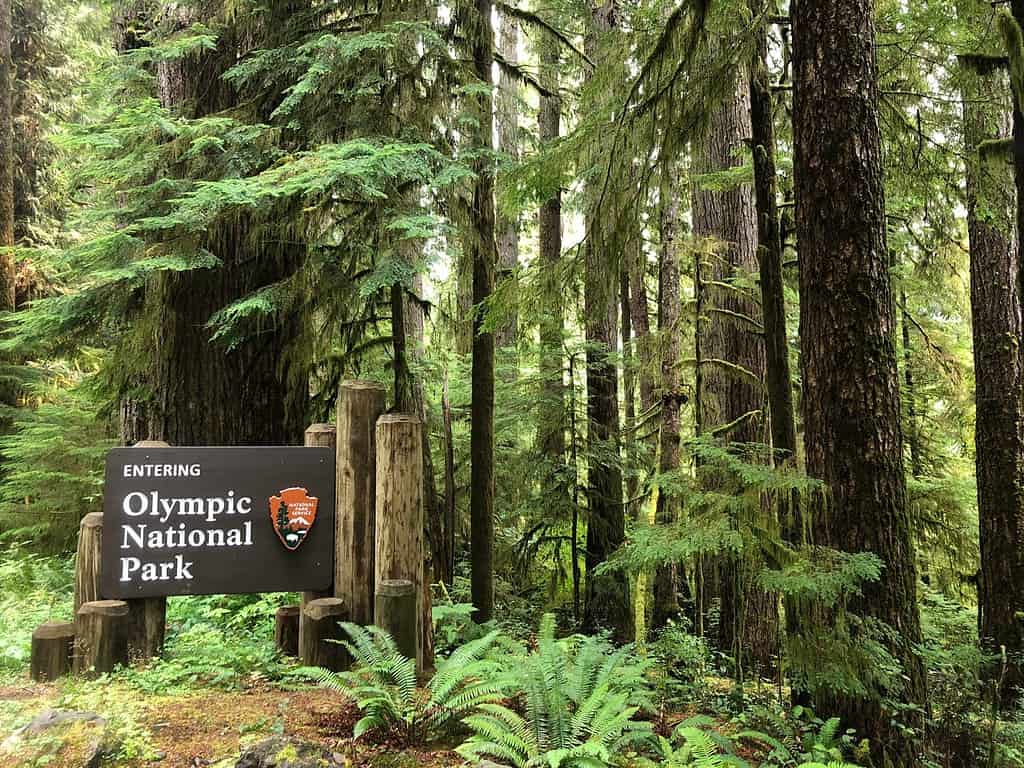
Within Olympic National Park, you can stand on a driftwood-strewn Pacific coastline, hike through the dense, moss-draped canopy of the Hoh Rain Forest and climb glacier-capped mountain peaks, all in a single afternoon.
©Adam Reck/Shutterstock.com
One of the birds that nests at Olympic National Park, the marbled murrelet, spends its entire life on the open ocean diving for fish.
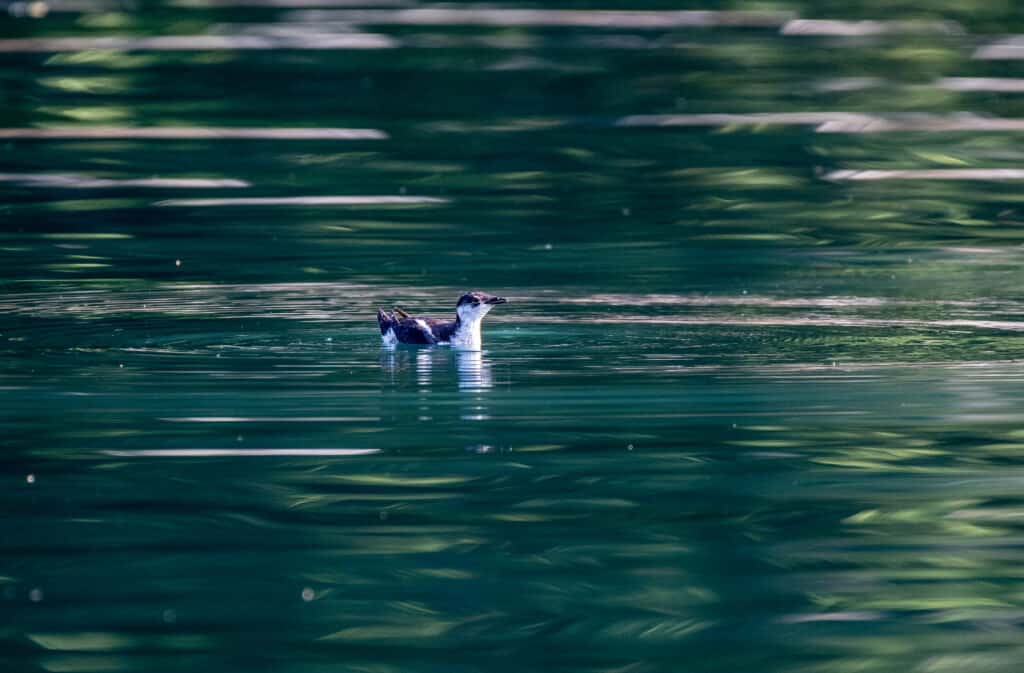
Because of heavy logging in its nesting habitats, the marbled murrelet is classified as threatened and endangered across much of its range.
©John Yunker/Shutterstock.com
Mount Rainier National Park
Established in 1899, Mount Rainier National Park spans over 236,000 acres in West-Central Washington, centered on the massive 14,410-foot active volcano. The park hosts over 180 bird species, including the endangered Northern spotted owl in lower-elevation old-growth forests, Steller’s jays and Clark’s nutcrackers in mid-elevations, and American pipits, mountain bluebirds, and the elusive white-tailed ptarmigan in the higher subalpine and alpine zones.

Mount Rainier is an active stratovolcano.
©Drew Payne/ via Getty Images
Although Mount Rainier is classified as an episodic, high-threat active volcano, it is not likely to erupt anytime soon.
Dungeness National Wildlife Refuge
The Dungeness National Wildlife Refuge covers about 772 acres along the Strait of Juan de Fuca on the northern edge of Washington State’s Olympic Peninsula. The Dungeness Spit, a narrow band of sand stretching more than five miles, is the defining feature of the Dungeness National Wildlife Refuge. It provides a vital habitat for over 240 bird species, including black brant, American wigeons, harlequin ducks, black oystercatchers, sanderlings, pigeon guillemots, bald eagles, and seasonal snowy owls.

Visit the Dungeness National Wildlife Refuge to spend a tranquil day birdwatching.
There are many different bird habitats around the wildlife refuge, and the broader Olympic Peninsula is a birder’s paradise for those willing to venture a little farther. Peregrine falcons, black brants, buffleheads, ducks, and songbirds are among the avian species most frequently sighted.
Turnbull National Wildlife Refuge
Covering over 23,000 acres in the Channeled Scablands of Eastern Washington, the Turnbull National Wildlife Refuge is a diverse mix of wetlands, basalt outcrops, and ponderosa pine forests that provide a rich habitat for over 180 bird species, including various waterfowl like mallards and cinnamon teal, grebes, majestic trumpeter swans, raptors such as red-tailed hawks, and colorful western bluebirds.
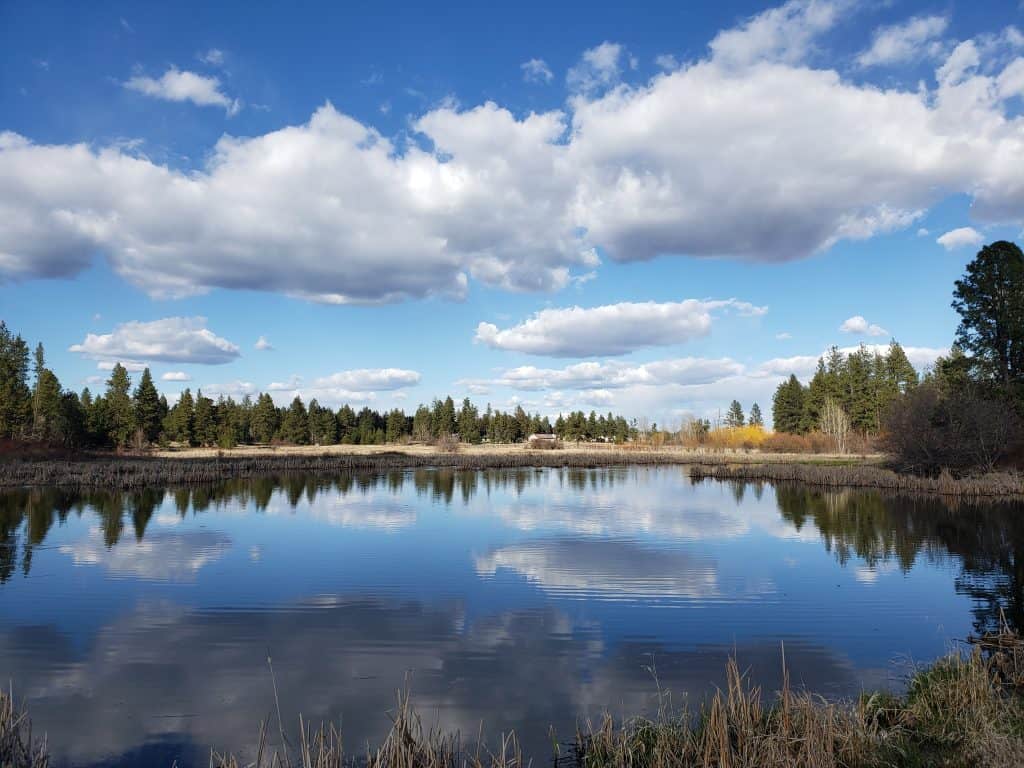
Winslow Pool, located right along the popular Pine Lake Loop Trail in Turnbull National Wildlife Refuge, hosts more than 17 species of water birds.
Billy Frank Jr. Nisqually National Wildlife Refuge
The Billy Frank Jr. Nisqually National Wildlife Refuge is situated on over 4,500 acres along the Nisqually River Delta at the Southern end of Puget Sound. It serves as a vital habitat for over 275 migratory and resident bird species, including abundant waterfowl like cackling geese, green-winged teal, and American wigeon, alongside diverse shorebirds, raptors, and songbirds.
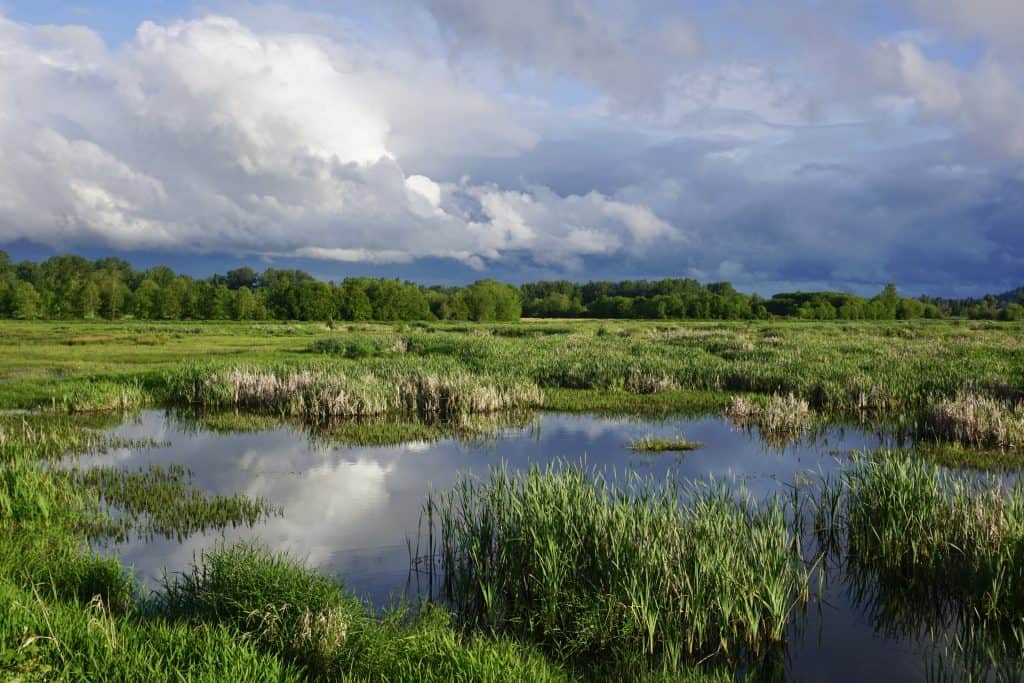
In 2009, nearly five miles of barriers were removed to allow the Puget Sound to reconnect with the Nisqually River freshwater channel and to reclaim 762 acres of salt marsh habitat.
In the spring and summer, migrating songbirds and other species lay their eggs in these habitats. A variety of bird species can be seen along the boardwalk that spans the recently restored marsh.
Grays Harbor National Wildlife Refuge
Consisting of 1,500 acres of intertidal mudflats, salt marshes, and uplands, Grays Harbor National Wildlife Refuge sits along the northeastern edge of the Grays Harbor estuary. The refuge serves as a vital migratory stopover on the Pacific Flyway for western sandpipers and dunlins, alongside semipalmated plovers, least sandpipers, red knots, and dowitchers. Raptors such as peregrine falcons and bald eagles, and waterfowl, including the American wigeon, mallard, and the green-winged teal.
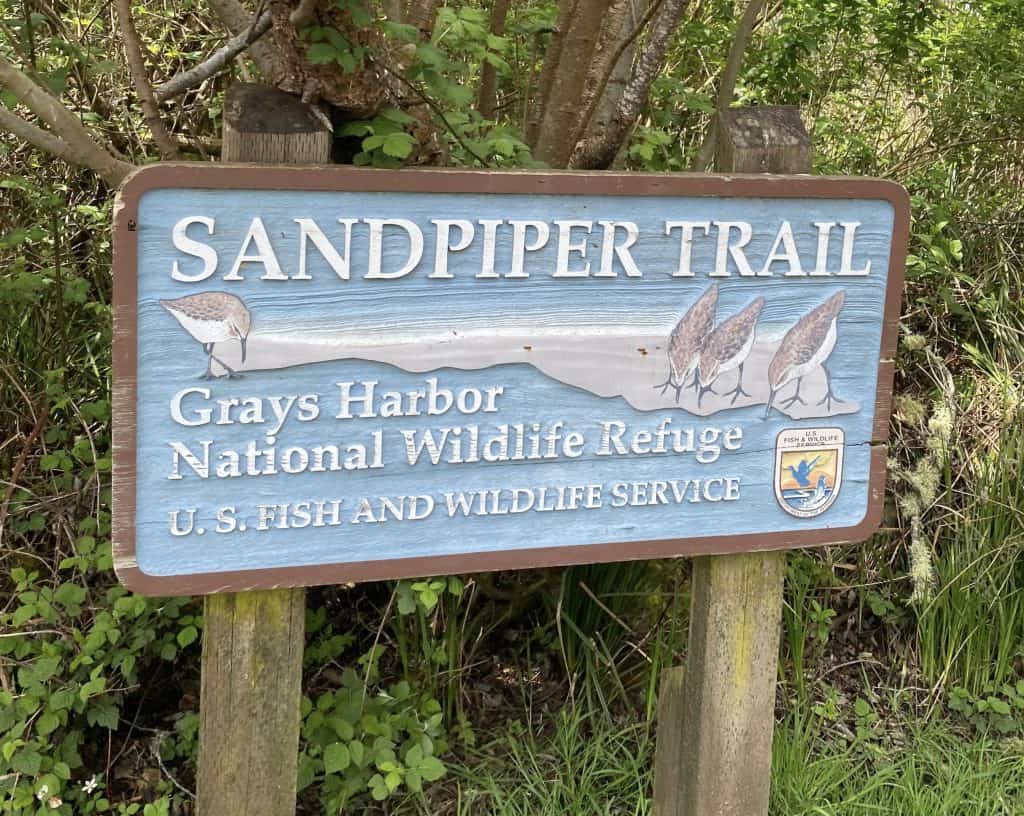
Although the refuge accounts for 2% of the total intertidal habitat in the Grays Harbor estuary, it hosts up to 50% of all migrating shorebirds that visit the region each spring.
Ridgefield National Wildlife Refuge
The Ridgefield National Wildlife Refuge spans approximately 5,300 acres along the Columbia River floodplain just west of Ridgefield, Washington. Marshes, grasslands, and oak woodlands serve as a crucial habitat for over 180 bird species, including sandhill cranes, tundra and trumpeter swans, Canada geese, bald eagles, great blue herons, and various migrating waterfowl and songbirds.
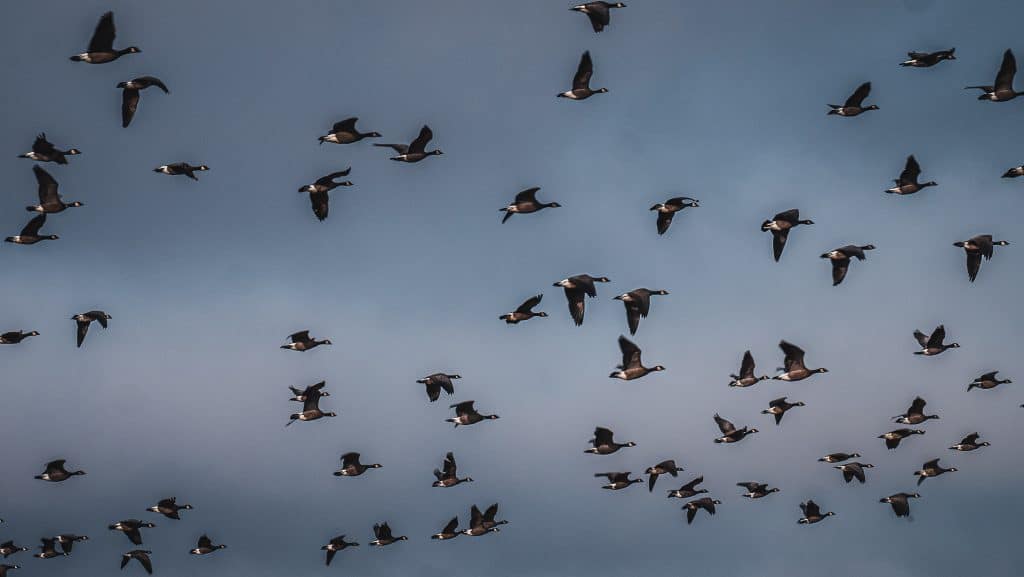
Thousands of cackling geese gather each winter at the Ridgefield National Wildlife Refuge.